


What if drinking more water is the reason your belly feels puffy after meals?
It sounds weird, but the when and how you sip, plus temperature, pace, and pre- or post-meal timing, can cut bloating fast.
In this post I’ll show five hydration strategies—warm morning water, pre-meal sips, light sipping during meals, post-meal herbal teas, and ditching fizzy drinks—and how to use timing and temperature so you feel better in minutes to days.
Try one today and notice the difference.
Key Hydration Methods That Immediately Reduce Bloating
Hydration affects bloating by keeping your gut moving, softening what needs to pass, stopping the water retention that happens when you’re actually dehydrated, and thinning out gas in your intestines. You’re looking at about 2 to 3 liters a day (8 to 12 cups), but when and how you drink matters as much as the total amount. Temperature and what you’re drinking decide whether you get relief or make things worse for a bit. Most people feel better within 30 minutes to two hours when they’re targeting trapped gas and slow digestion.
Five methods get you there fastest. Drink 300 to 500 ml of warm water right when you wake up to get things moving. Twenty to thirty minutes before meals, have 200 to 300 ml of water to support your digestive enzymes without diluting stomach acid once you start eating. During meals, keep fluids under 150 ml so you don’t overload your stomach and slow everything down. Fifteen to thirty minutes after eating, sip 200 to 250 ml of peppermint or ginger tea to relax your intestines and cut down on gas. And cut out carbonated drinks completely, because that CO2 goes straight into your stomach and small intestine.
These work better together. Warm water in the morning kickstarts digestion, water before meals gets your enzymes ready, minimal sipping while eating keeps your stomach acid concentrated, herbal teas relax the muscles botanically, and ditching fizzy drinks stops new gas before it starts. Skip straws and gulping to reduce swallowed air, which accounts for a big chunk of the gas stuck in your upper GI tract. Warm fluids and herbal teas can ease cramping in 30 minutes to two hours, while sticking to a daily hydration pattern improves chronic bloating in three to seven days.
How Daily Hydration Patterns Influence Bloating Relief
Drinking 2 to 3 liters a day (8 to 12 cups) keeps your gut moving and your stool hydrated, which breaks the constipation and bloating loop. Your urine should be pale yellow. Darker means you need more, completely clear means you’re overdoing it. Chugging water floods your stomach, waters down your stomach acid temporarily, and slows digestion, which can make post-meal bloating worse. Sipping 150 to 250 ml every 20 to 30 minutes spreads things out, letting your intestines absorb water steadily without overwhelming your stomach.
Hyponatremia (dangerously low blood sodium) is rare. It only happens when you drink more than a liter per hour for several hours straight, usually during endurance events without electrolytes. For bloating, slow and steady prevents both dehydration-related puffiness and the acute discomfort of a stomach full of liquid.
Signs of adequate versus inadequate hydration:
- Adequate: Pale yellow urine, regular bowel movements, minimal afternoon fatigue, no persistent thirst
- Inadequate: Dark amber urine, hard or infrequent stools, dry mouth, headaches, afternoon crashes
- Overhydration (rare): Clear urine all day, peeing every 30 to 60 minutes, nausea, confusion (only at extreme intakes)
- Optimal pattern: Small sips all day, checking urine every few hours to confirm pale yellow
Timing-Based Hydration Approaches That Reduce Post-Meal Bloating

Drinking 200 to 300 ml of water 20 to 30 minutes before meals gets your stomach ready by stimulating enzymes and motility without watering down digestive acids right when food shows up. During meals, stick to 150 ml or less to keep hydrochloric acid and pepsin concentrated so they can break down proteins and signal your stomach to release food into your small intestine at the right pace. Drinking a lot while eating can slow gastric emptying, leaving food sitting in your stomach longer and increasing that full, bloated feeling.
Skip straws and don’t gulp. Swallowed air is a major contributor to upper-GI gas and that tight, inflated feeling that hits within minutes of eating. Walking 10 to 15 minutes after meals encourages peristalsis (those wave-like muscle contractions) and helps gas move through instead of pooling in your stomach or colon. Pre-meal hydration, minimal during-meal sipping, and post-meal movement can reduce post-meal bloating within one to three days when you’re consistent.
Pre-Meal Hydration Mechanisms
Water before meals primes your stomach lining to release gastric juices and signals your gallbladder and pancreas to get bile and enzymes ready. That 20 to 30 minute window lets your stomach empty the water into your small intestine before food arrives, avoiding the dilution that happens when large volumes of fluid mix with chyme (partially digested food). Most people notice better digestion and less post-meal tightness within two to three days of this timing, as the stomach adapts to the consistent signal.
Temperature, Pace, and Beverage Choices for Anti-Bloat Hydration

Warm or lukewarm water (around 37 to 40°C) matches your core body temperature, so your stomach doesn’t have to work to warm up cold fluids before digestion starts. Very cold liquids can slow gastric motility temporarily in sensitive people, delaying emptying and stretching out that post-meal fullness. Warm water often works faster. Many people report easier bowel movements and less cramping within 30 to 60 minutes of morning warm water.
Carbonated beverages dump CO2 gas straight into your stomach, inflating your upper GI tract and causing belching or trapped gas that moves into your small intestine. Sugary drinks spike your glucose and then crash your energy, and high sugar loads feed gas-producing bacteria in your small intestine, making bloating worse over hours. Sugar alcohols like sorbitol and mannitol, common in “sugar-free” drinks, ferment in your colon and create gas when you go above 10 to 15 grams per day.
Pacing matters as much as temperature. Sipping 150 to 250 ml every 20 to 30 minutes lets your stomach process and empty fluid steadily, while chugging 500 ml at once stretches your stomach, slows motility, and can trigger bloating even when your total daily intake is fine. Slow, consistent sipping keeps your digestive system in a steady rhythm.
Electrolyte Balance as a Featured Hydration Strategy for Bloating
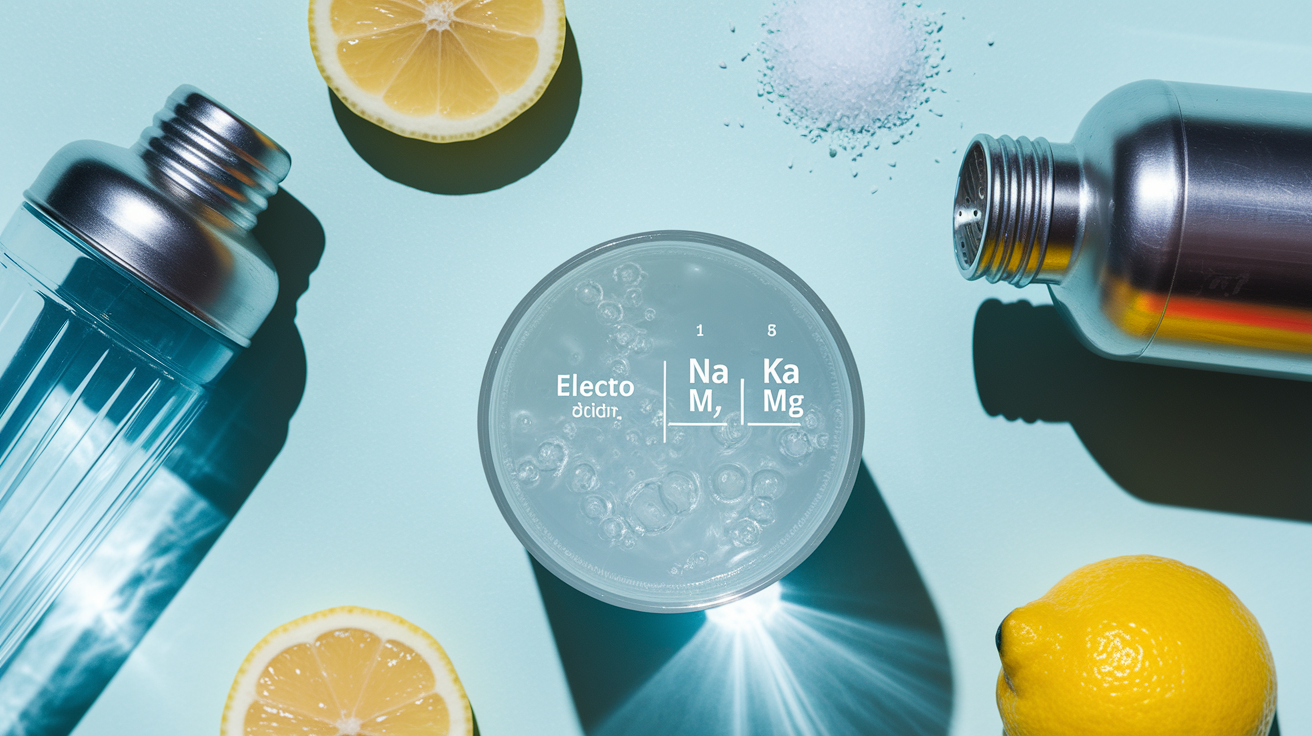
Electrolytes (sodium, potassium, and magnesium) regulate fluid distribution between your cells and bloodstream, stopping the water retention that shows up as puffiness and bloating. No-added-sugar electrolyte formulas avoid the insulin spikes and digestive discomfort from sugary sports drinks. A simple home mix (1/4 teaspoon salt + 1 liter water + 1 to 2 tablespoons sugar) works for occasional rehydration, while 200 to 300 ml of a low-sodium commercial electrolyte drink is good after heavy sweating during exercise.
Electrolytes can reduce puffiness within hours by improving cellular water uptake and cutting down extracellular fluid buildup. Artificial sweeteners like stevia and sucralose, common in many commercial electrolyte drinks, can irritate digestion in sensitive people, so check ingredient lists for natural sweeteners like monk fruit to avoid new bloating sources.
Balancing sodium intake matters. High-sodium meals promote water retention and bloating, while moderate sodium in an electrolyte drink (paired with potassium and magnesium) supports proper hydration without excess retention. Chronic high-salt diets worsen bloating, but targeted electrolyte replacement after exercise or in hot climates improves fluid efficiency. Learn more about Electrolytes for Bloating & Hydration when choosing sugar-free options.
| Mineral | Function | Anti-Bloat Role |
|---|---|---|
| Sodium | Regulates fluid balance and nerve signaling | Prevents dehydration-related water retention when balanced with potassium |
| Potassium | Supports muscle contraction and fluid distribution | Reduces extracellular fluid accumulation and puffiness |
| Magnesium | Aids muscle relaxation and enzyme activity | Eases intestinal cramping and supports regular bowel movements |
Herbal Teas and Botanical Hydration Choices That Soothe Bloating

Peppermint tea (1 to 3 cups per day, 200 to 250 ml each) contains menthol, which relaxes the smooth muscles of your GI tract, reducing cramping and letting trapped gas move through your intestines more easily. Ginger tea reduces inflammation and gets gastric motility moving, helping your stomach empty more efficiently and cutting down on that full feeling after meals. Fennel tea contains anethole, a compound that reduces intestinal spasms and gas production, making it effective for post-meal bloating.
Dandelion tea acts as a mild diuretic, increasing urine output and reducing water retention that adds to abdominal puffiness. It works differently than peppermint or ginger. Dandelion addresses fluid balance rather than gas or motility. Each of these teas delivers effects within 30 to 120 minutes, making them practical for both quick relief and daily prevention when you drink them consistently.
The mechanisms vary by botanical. Peppermint and fennel work mainly on muscle relaxation, ginger boosts motility and reduces inflammation, and dandelion targets kidney function to cut retained fluid. Combining these teas across the day (peppermint after breakfast, ginger after lunch, dandelion mid-afternoon) gives you multiple pathways to bloating relief without relying on just one.
Herbal teas and primary mechanisms:
- Peppermint: Smooth muscle relaxation via menthol, reducing cramping and gas trapping
- Ginger: Enhanced gastric motility and anti-inflammatory effects, speeding digestion
- Fennel: Antispasmodic action from anethole, reducing intestinal gas and cramping
- Dandelion: Mild diuretic increasing urine output, reducing water retention and puffiness
Hydrating Foods and Fiber-Fluid Balance to Minimize Bloating
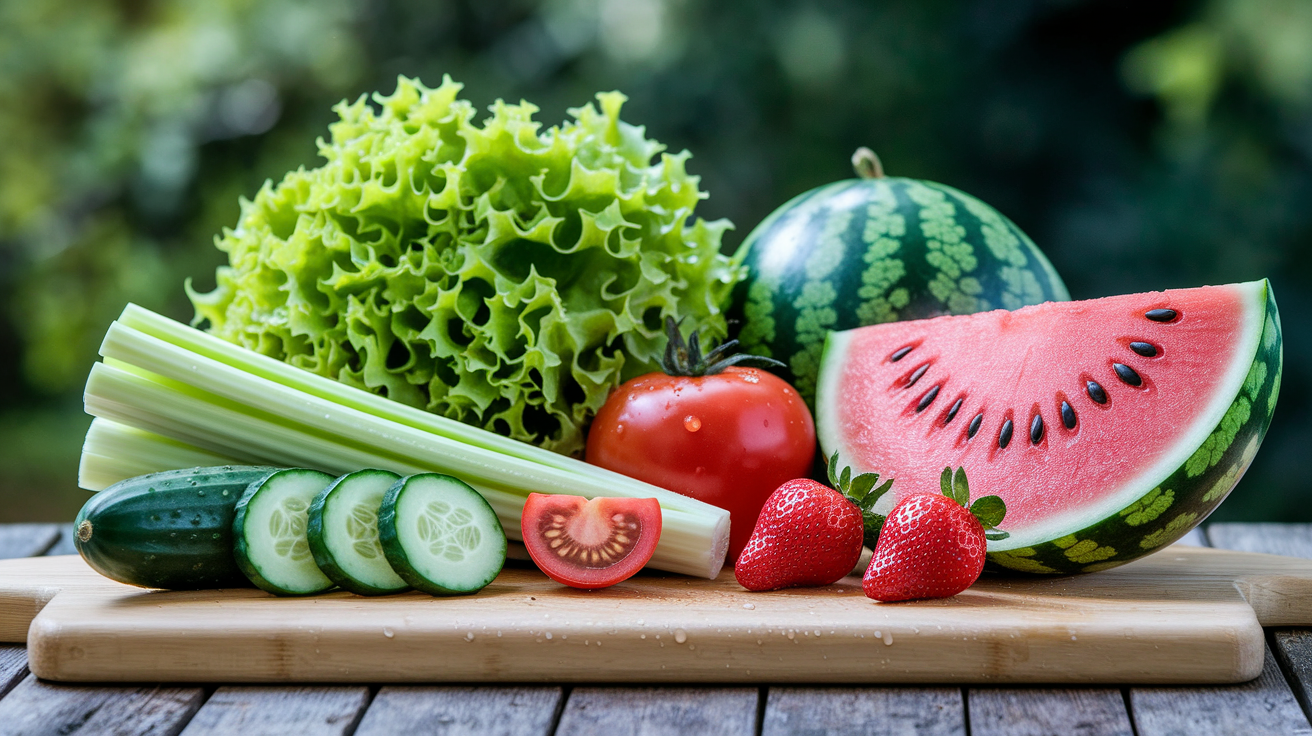
High-water foods add to your total daily fluid intake while delivering fiber that supports stool formation and transit. Cucumber (96% water), lettuce and celery (around 95%), tomato (94%), watermelon (92%), and strawberries (91%) give you hydration without added sugars or artificial ingredients that can worsen bloating. Shooting for 2 to 4 servings per day (100 to 150 grams each) adds about 300 to 600 ml of fluid while supplying vitamins, minerals, and prebiotic fibers that feed beneficial gut bacteria.
Fiber needs enough fluid to work right. Without sufficient water, insoluble fiber can slow transit and cause constipation-related bloating instead of relieving it. Increasing fiber intake (from vegetables, fruits, or whole grains) without increasing hydration is a common cause of worsening bloating. Pairing high-fiber meals with an extra 200 to 300 ml of water makes sure the fiber swells appropriately, softens stool, and moves through your colon efficiently.
| Food | Water % | Suggested Serving |
|---|---|---|
| Cucumber | 96% | 1 cup sliced (~100 g) |
| Lettuce / Celery | ~95% | 1 cup chopped (~100 g) |
| Tomato | 94% | 1 medium tomato (~120 g) |
| Watermelon | 92% | 1 cup cubed (~150 g) |
| Strawberries | 91% | 1 cup whole (~150 g) |
Hydration Strategies for Exercise, Heat, and Hormonal Bloating
Hard exercise increases sweat losses, so you need an extra 300 to 500 ml per 30 to 60 minutes of activity to stay hydrated and prevent dehydration-related water retention. Using electrolyte drinks after heavy sweating replaces sodium and potassium lost in sweat, improving fluid absorption and cutting post-exercise bloating. Alcohol causes dehydration by blocking antidiuretic hormone (ADH), which increases urination and then triggers water retention as your body compensates. Skipping alcohol or pairing it with extra water reduces next-day bloating.
Hormonal shifts during menstrual cycles and pregnancy increase fluid retention, causing abdominal bloating that often gets worse in the days before menstruation or during the second and third trimesters. Consistent hydration (2 to 3 liters per day) paradoxically reduces this retention by signaling your body that fluid is abundant, decreasing the hormonal drive to hold onto extracellular water. Most people notice improvement within one to three days of increasing intake during these phases.
Hot, humid climates increase baseline sweat losses even without exercise, requiring adjustments above the standard 2 to 3 liters per day. Monitoring urine color is still the simplest check. Pale yellow confirms you’re good, darker shades mean you need an extra 300 to 500 ml spread across the afternoon.
A Practical Daily Hydration Schedule for Reducing Bloating

A structured daily schedule keeps your intake consistent without overwhelming your stomach at any single point. Starting with 300 to 500 ml of warm water when you wake up gets bowel motility going and prepares your digestive system for the day. Mid-morning intake of 200 to 300 ml keeps you hydrated between breakfast and lunch, while pre-lunch hydration (200 to 300 ml, 20 to 30 minutes before eating) primes digestive enzyme secretion.
After meals, 200 to 250 ml of herbal tea (peppermint, ginger, or fennel) gives you botanical relief and counts toward your total daily fluid intake. Throughout the afternoon, sipping 150 to 250 ml every 20 to 30 minutes when you’re symptomatic prevents dehydration without causing acute stomach distension. Evening intake should be spaced carefully. Avoid large volumes right before bed to reduce nighttime urination and potential morning puffiness. Post-meal bloating often improves within one to three days, while chronic bloating typically gets better over three to seven days of sticking with it. For more on daily intake guidelines, see Hydration and Bloating: How Much Water Is Enough?
- On waking (within 30 minutes): 300 to 500 ml warm or room-temperature water
- Mid-morning (9 to 10 a.m.): 200 to 300 ml water
- Before lunch (20 to 30 min prior): 200 to 300 ml water
- After lunch (15 to 30 min after): 200 to 250 ml herbal tea (peppermint, ginger, or fennel)
- Mid-afternoon (2 to 4 p.m.): 200 to 300 ml water or additional herbal tea
- Before dinner (20 to 30 min prior): 200 to 300 ml water
- After dinner (15 to 30 min after): 200 to 250 ml herbal tea
- Evening (spaced until 1 to 2 hours before bed): 300 to 500 ml water, sipped slowly
| Time Period | Target Volume | Notes |
|---|---|---|
| Morning (waking to mid-morning) | 500 to 800 ml | Warm water on waking + mid-morning hydration |
| Afternoon (lunch to dinner) | 800 to 1,200 ml | Pre-meal water + herbal tea + spaced sipping when symptomatic |
| Evening (dinner to bedtime) | 500 to 700 ml | Pre-dinner water + post-dinner tea + light evening sipping; reduce large volumes before bed |
Final Words
in the action, we laid out quick, practical moves: morning warm water, pre-meal sips, limit fluids during meals, herbal teas, and ditching fizzy drinks to reduce bloating.
We then explained timing, temperature, electrolytes, hydrating foods, and exercise- or hormone-related tweaks so you know why each choice helps digestion.
Use the featured hydration strategies to reduce bloating as a simple checklist this week. Pick one small change, keep it consistent, and expect noticeable relief in a day or two. You’ve got this.
FAQ
Q: How do I quickly debloat my belly? / What reduces bloating quickly?
A: To quickly debloat your belly and reduce bloating, sip warm water or peppermint/ginger tea, avoid carbonated drinks and big meals, walk 10–15 minutes, and gently massage your abdomen.
Q: What drink gets rid of bloating fast?
A: A drink that gets rid of bloating fast is warm peppermint or ginger tea, which relax gut muscles, reduce gas, and often ease bloating within 30–120 minutes.
Q: Does diastasis recti cause bloating?
A: Diastasis recti can cause bloating by altering abdominal shape and weakening core support, which may slow digestion or trap gas; check with a clinician and try targeted core rehab.