


What if you could improve your gut without dramatic diets, expensive supplements, or strict rules?
Small daily habits—what you eat, how you move, and how you sleep—can shift your microbiome (the community of microbes in your gut) in just days.
That shift shows up as less bloating, steadier energy, and fewer bathroom surprises.
This post gives six quick actions to start today, easy plate swaps, and simple lifestyle tweaks that actually move the needle.
Quick Actions to Boost Gut Health
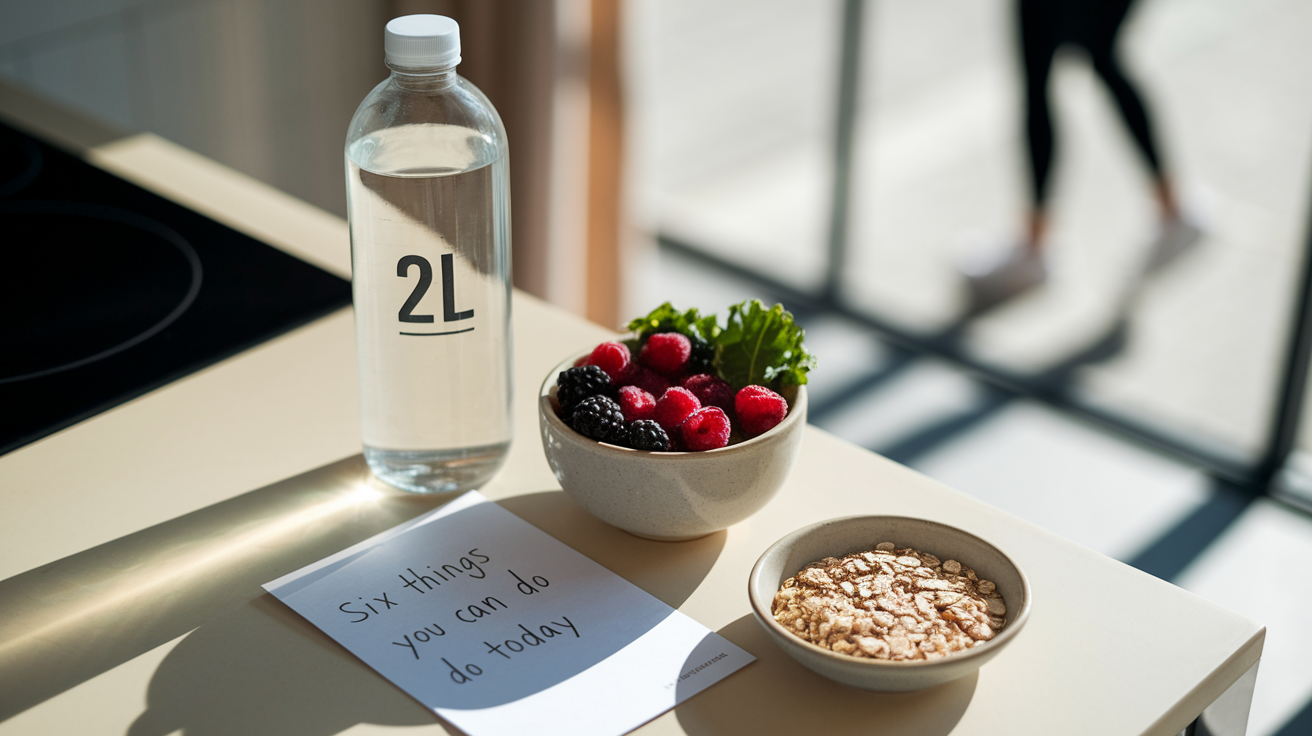
Your gut reacts fast when you support it properly. Small tweaks to what you eat can shift which bacteria thrive in just a few hours. Your digestive system notices when you add fiber or dial back sugar. These quick changes make simple adjustments surprisingly powerful.
Water is stupidly underrated for gut health. Most people need around 2 liters daily to keep things moving and help fiber work like it’s supposed to. When you’re dehydrated, transit slows down and your gut has to work way harder.
Movement counts just as much as food. A 10-minute walk after eating gets blood flowing to your intestines and keeps food moving at a steady pace. It cuts down that heavy, bloated feeling you get from sitting right after a meal.
Six things you can do today:
- Add one high-fiber food to each meal. Legumes, whole grains, berries, leafy greens. They feed good bacteria and keep things moving.
- Drink at least 2 liters of water daily. Space it out through the day. Steady hydration stops constipation and supports the mucus layer protecting your gut.
- Include one fermented food daily. Start with 2 to 3 tablespoons of yogurt, kefir, sauerkraut, or kimchi to get live bacteria in there.
- Cut added sugars by half. Processed sugars feed the wrong bacteria. Swap sweetened snacks for fruit or nuts.
- Chew each bite 15 to 20 times. Proper chewing makes digestion easier and helps enzymes break food down completely.
- Walk 10 minutes after your biggest meal. Simple habit. Improves motility and helps regulate blood sugar.
Dietary Choices That Strengthen Gut Function

Fiber fuels the beneficial bacteria in your gut. When you eat fiber-rich foods, those microbes break them down into short-chain fatty acids that reduce inflammation and strengthen your gut lining. Aim for 25 to 35 grams of fiber daily from whole foods, not processed bars or powders.
Fermented foods bring live bacteria straight to your gut. Yogurt with live cultures, kefir, sauerkraut, kimchi, tempeh, miso. Each one provides different bacterial strains that boost microbial diversity. If fermented foods are new, start slow. A few tablespoons per day prevents gas and bloating while your system adjusts.
Whole foods beat processed alternatives for long-term gut health. When you pick beans over protein bars, or oats over instant cereal, you’re giving your gut complex carbohydrates and fibers that feed a wider range of bacteria. More diversity means less inflammation and smoother digestion.
Five food categories to focus on:
| Food Category | Gut Health Benefit | Practical Examples |
|---|---|---|
| High-fiber vegetables | Feed beneficial bacteria, improve transit time | Brussels sprouts, sweet potatoes, leafy greens, broccoli |
| Fermented foods | Introduce live beneficial bacteria | Plain yogurt, kefir, sauerkraut, kimchi, miso |
| Legumes and pulses | Provide prebiotic fiber and resistant starch | Lentils, chickpeas, black beans, split peas |
| Polyphenol-rich foods | Support gut lining, reduce inflammation | Berries, dark chocolate, green tea, nuts |
| Whole grains | Deliver diverse fibers that support multiple bacterial strains | Oats, barley, quinoa, brown rice |
Habits and Lifestyle Factors that Influence Gut Health

Chronic stress messes with your gut fast. When cortisol and adrenaline stay high, they reduce blood flow to your intestines and mess with the mucus layer protecting your gut lining. That’s why you feel nauseous before a big presentation or get diarrhea during stressful weeks. Your gut and brain are constantly talking to each other.
Sleep quality directly impacts your microbiome. People who consistently get 7 to 9 hours of sleep maintain more diverse gut bacteria than those who don’t. Your gut bacteria follow circadian rhythms just like you do. Irregular sleep disrupts their activity. Poor sleep also ramps up inflammation markers that stress your digestive system.
Moderate physical activity supports intestinal movement and boosts microbial diversity. You don’t need brutal workouts. 150 minutes per week of walking, cycling, or swimming improves gut function by increasing blood flow to your intestines and keeping food moving at a healthy pace. Regular movement also manages stress and improves sleep, creating a positive cycle for your gut. People who go from sedentary to moderately active see microbiome improvements within six weeks.
Supplements That Support Gut Balance
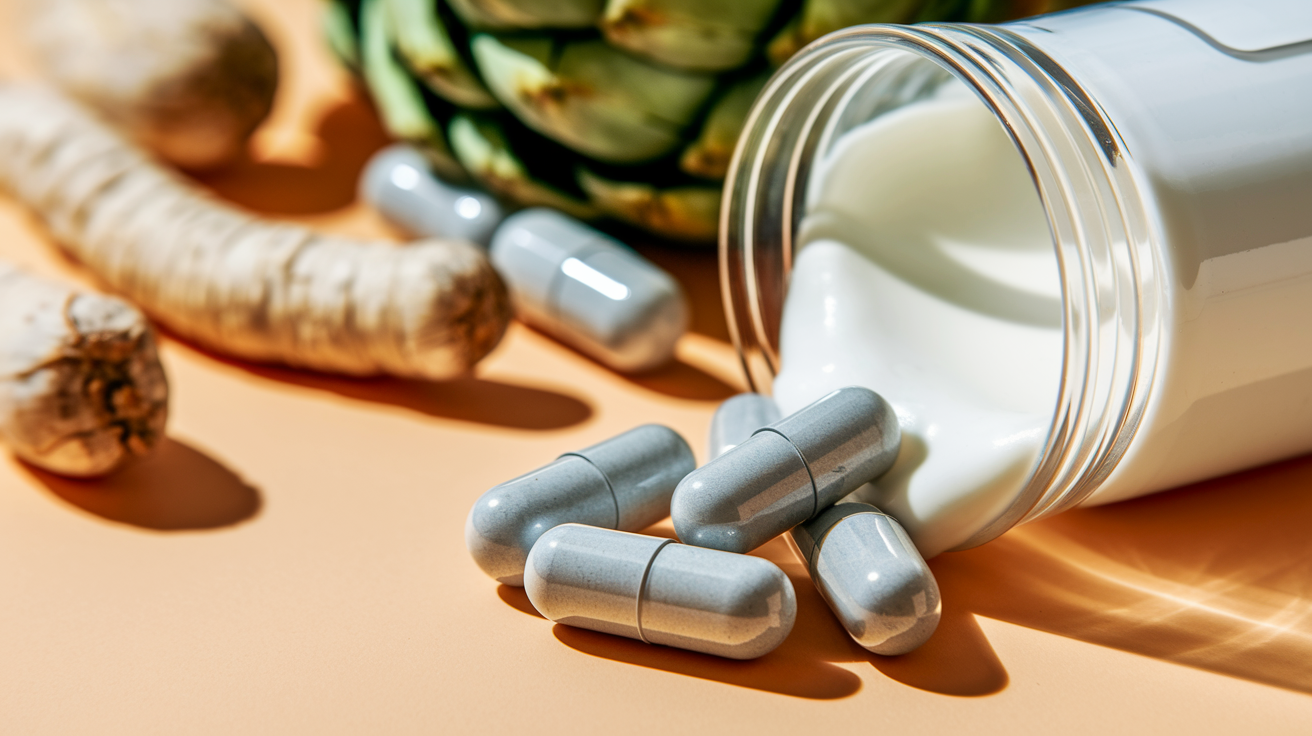
Probiotics add specific bacterial strains to your gut, but they’re not all the same. Different strains address different issues. Lactobacillus species might help with general digestive comfort, while Bifidobacterium strains often support regularity. Clinical-grade probiotics differ a lot from over-the-counter options in strain selection and viability.
Prebiotics feed the beneficial bacteria already living in your gut. Think of them as fertilizer for your existing microbiome. Common prebiotics include inulin, which you find in chicory root and Jerusalem artichokes, resistant starch from cooked-then-cooled potatoes and rice, and specific fibers like fructooligosaccharides. Most people see better results eating prebiotic-rich whole foods rather than taking isolated supplements.
Digestive enzymes break down specific nutrients when your body doesn’t produce enough naturally. Lactase helps digest dairy. Alpha-galactosidase reduces gas from beans and cruciferous vegetables. Broad-spectrum enzyme blends support general digestion. These work best when taken with meals and are most helpful for people with diagnosed enzyme deficiencies or specific food intolerances. If you’re thinking about supplements beyond basic probiotics, talk to a clinician. Targeted support beats generic products, and persistent symptoms usually need professional evaluation instead of trial-and-error supplementation.
Recognizing Signs Your Gut Needs Support

Your gut sends clear signals when something’s off. Frequent bloating that makes your waistband tight by afternoon. Irregular bowel movements that swing between constipation and loose stools. Persistent gas after meals. All of these point to microbiome imbalance. These symptoms are common, but you don’t have to live with them.
Fatigue, brain fog, and skin changes can also point to gut issues. When your digestive system isn’t breaking down food efficiently or your gut lining gets inflamed, nutrient absorption drops and inflammation markers rise. New food sensitivities that weren’t problems before often signal that your gut barrier needs support.
Five key symptoms that mean your gut needs attention:
- Bloating or abdominal discomfort several times per week. Especially if it gets worse after certain foods or by evening.
- Bowel habits that change frequently. Swinging between constipation and diarrhea, or going more than three days without a movement.
- Persistent fatigue despite adequate sleep. Could mean poor nutrient absorption or inflammation.
- New food sensitivities or intolerances. Foods that previously caused no issues now trigger symptoms.
- Skin problems, joint pain, or mood changes. Can reflect gut inflammation or microbiome imbalance affecting other body systems.
If you experience sudden weight loss, rectal bleeding, severe pain, or symptoms that stick around despite dietary changes, see a gastroenterologist. These red flags need professional evaluation, not home remedies.
Final Words
Start with the quick wins: add more fiber-rich foods, drink more water, cut added sugar, and include a fermented food each day. These moves help your digestion almost immediately.
Then build habits: prioritize whole foods, manage stress, get regular sleep, and move a bit each day. Supplements like a basic probiotic or digestive enzyme can help some people. Watch for bloating, irregular stools, or fatigue as cues to tweak things.
If you want a simple roadmap for how to improve gut health, pick one small swap this week and stick with it. Small wins add up, and you’ll feel better soon.
FAQ
Q: How do I fix my gut health quickly?
A: Fixing your gut quickly involves boosting fiber and fermented foods, drinking plenty of water, cutting added sugars, moving after meals, sleeping enough, and trying a short-course probiotic if needed.
Q: What is a 7 day gut reset?
A: A 7 day gut reset is a short plan that focuses on fiber-rich whole foods, fermented options, extra water, less processed sugar, regular sleep, gentle movement, and optional probiotics to reduce bloating and improve digestion.
Q: What are signs of bad gut health?
A: Signs of bad gut health include frequent bloating, gas, irregular bowel habits, new food sensitivities, persistent fatigue, and stomach discomfort—these suggest your digestion or gut microbiome (gut bacteria community) needs support.
Q: How do I detox my guts?
A: Detoxing your gut works best by supporting natural digestion: eat more fiber and whole foods, hydrate, avoid excess alcohol and processed sugar, move daily, sleep well, and skip harsh cleanses or extreme fasts.