


What if your sleep routine is quietly sabotaging your digestion?
Your gut keeps working overnight, repairing tissue and rebalancing bacteria (microbiome: the community of bacteria living in your gut).
But late meals, bedroom light, stress, and the wrong sleep position can interrupt that repair.
This post shares seven simple nighttime habits, meal timing, darkness, a 15 to 45 minute wind-down, left-side sleeping, morning light, and optional targeted supplements, that cut bloating, reduce reflux, and help your gut recover.
Pick one habit tonight and build from there.
Actionable Nighttime Routines That Directly Support Digestion

Your gut doesn’t shut down when you go to bed. It shifts gears, moving into restoration mode. Repairing the lining, rebalancing bacterial populations, processing what you ate earlier. But this overnight work only happens smoothly if you’re protecting your circadian rhythm and reducing digestive load before you sleep. Small timing tweaks, a few environmental changes, and simple wind-down habits can mean the difference between waking up bloated and waking up ready.
This routine is built from digestive physiology and basic habit stacks. You don’t need to overhaul everything at once. Pick what feels easiest, then layer in the rest over a few weeks. Consistency beats perfection every time.
Here’s the seven-step routine:
-
Set a consistent bedtime and wake time. Even on weekends. Pick a realistic window (say, 11:00 PM to 7:00 AM) and hold it within 30 minutes most nights. This anchors your body’s melatonin and cortisol cycles, which regulate gut motility and microbial balance.
-
Stop eating about three hours before bed. The “three-hour rule.” If you’re in bed by 11:00 PM, finish dinner by 8:00 PM. This lets your stomach empty before you lie down, cutting down on reflux, bloating, and insulin-melatonin disruption. If you’re truly hungry closer to bedtime, go small and low-sugar: half a banana with almond butter, a few spoonfuls of full-fat Greek yogurt with cinnamon, or some turkey slices with hummus.
-
Make your bedroom pitch black. Blackout curtains, covered LEDs (phone chargers, alarm clocks, routers), eye mask if needed. Darkness protects melatonin production, which signals your gut to slow motility and focus on repair. Even a dim nightlight can blunt overnight digestive recovery.
-
Start a 15 to 45 minute wind-down ritual. Sip chamomile or peppermint tea, write three lines in a gratitude journal, do five to ten minutes of stretching, or read on an e-ink device. These cues lower cortisol and tell your gut it’s time to shift into rest mode. Skip screens and high-stakes tasks (email, news, work stuff) during this window.
-
Get morning sunlight within 30 minutes of waking. Step outside for a few minutes without sunglasses or heavy SPF, or sit by a bright window if outdoor access is tough. Morning light activates cells in your eyes that use blue-rich sunlight to suppress leftover melatonin and trigger cortisol release. This resets your circadian clock and preps your gut for the day’s digestive work.
-
Remove work items from your bedroom. Clear laptops, files, and task lists from the nightstand. Your brain links environment to function. A bedroom full of work cues keeps your nervous system alert, which disrupts gut-calming parasympathetic signaling.
-
Consider targeted supplement support if sleep or digestion stays inconsistent. Magnesium glycinate calms the nervous system and supports circadian regulation without upsetting the stomach. Reishi mushroom is an adaptogen linked to longer, more sustained sleep. L-theanine has been clinically shown to reduce sleep onset time and night disturbances by promoting relaxation without sedation. Passionflower is traditionally used to deepen sleep and reduce anxiety. Start with one or two ingredients at a time so you can assess individual effects.
How Meal Timing Interacts With Nighttime Digestive Physiology
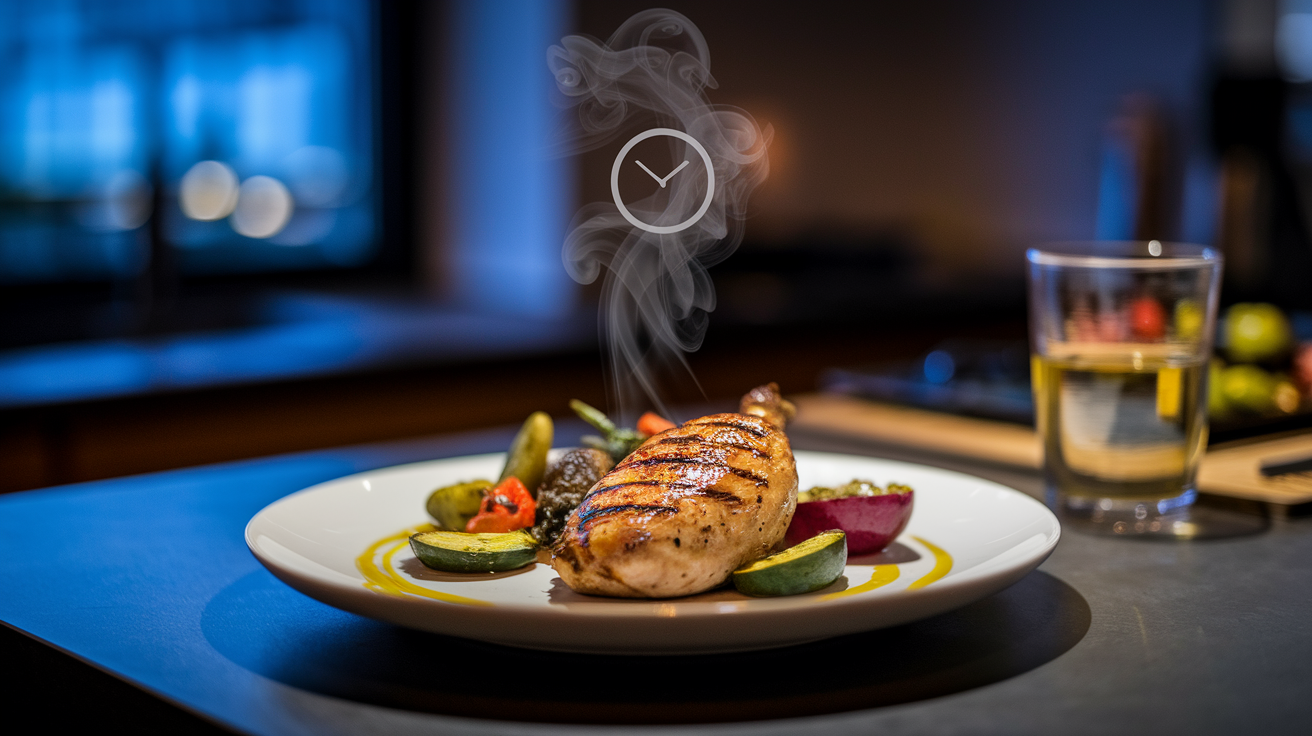
Gastric emptying slows as evening progresses. Your stomach moves food into the small intestine more slowly because digestive enzyme secretion drops and gut motility decreases as melatonin levels rise. When you eat a big meal within two hours of bedtime, your stomach is still working overtime while your brain signals the rest of your body to wind down. The result? Reflux (stomach acid backing into the esophagus), bloating, and disrupted sleep.
Melatonin also messes with insulin signaling. Late-evening carbs can trigger exaggerated insulin responses, leaving you with blood-sugar swings that wake you up at 2:00 AM feeling jittery or sweaty.
Meal composition matters as much as timing. Protein and fiber digest more slowly than simple carbs. Fat slows gastric emptying the most. A dinner of grilled chicken, roasted vegetables, and olive oil will sit in your stomach longer than a bowl of white rice and steamed fish. If you eat a high-fat or high-fiber meal, push your cutoff earlier. Closer to four hours before bed. Portion size amplifies this effect. A moderate dinner (about two palms of protein, a fist of carbs, and a thumb of fat) empties faster than a three-plate buffet meal.
Small snacks can be useful if you’re genuinely hungry before bed, especially if your last meal was very early or you trained late. The key is keeping the snack small (under 200 calories) and low in added sugar to avoid triggering a second insulin spike. Think of it as holding your blood sugar steady, not restarting digestion.
The Physiology Behind Sleep Positions and Digestive Comfort

Gravity and pressure gradients drive how well your digestive system moves contents overnight. Your esophageal sphincter (the muscular valve between your stomach and esophagus) relies on both smooth-muscle tone and positional pressure to stay closed. When you lie flat on your back or right side after a large meal, stomach acid pools near the sphincter, increasing the chance of reflux. Left-side sleeping shifts your stomach below the esophageal opening, using gravity to keep contents down.
The anatomy of the colon also favors left-side positioning. Waste naturally moves from the ascending colon (right side of your abdomen) through the transverse colon and into the descending colon (left side). Sleeping on your left helps this progression, especially after heavier meals or when bloated.
Elevating your head by six to eight inches reduces reflux by creating a steeper angle between your stomach and throat. This doesn’t mean piling up pillows under your head alone, which can kink your neck and compress your abdomen. Use a wedge pillow or elevate the head of your mattress with risers instead. This gentle incline supports overnight digestive ease and can improve morning bowel regularity by maintaining motility overnight.
Here are five positioning adjustments based on these mechanics:
- Sleep on your left side after dinner to reduce acid reflux and support colonic transit.
- Use a wedge pillow or mattress risers to elevate your upper body if reflux is frequent.
- Avoid lying flat on your back within two hours of eating.
- Place a small pillow between your knees when side-sleeping to prevent lower-back strain that can disrupt sleep quality.
- If you wake bloated or gassy, try shifting to your left side for 10 to 15 minutes before getting up.
How Relaxation Techniques Improve Digestive Regulation at Night

Your autonomic nervous system has two main branches: sympathetic (fight-or-flight) and parasympathetic (rest-and-digest). Digestion only works efficiently when the parasympathetic branch is active. Stress, screens, and mental rumination all activate the sympathetic branch, which diverts blood flow away from your gut, slows motility, and increases muscle tension in your abdomen. Evening relaxation techniques flip the switch back to parasympathetic mode, allowing your gut to finish digesting dinner and prepare for overnight repair.
Cortisol, your primary stress hormone, peaks naturally in the morning and should drop steadily through the day. Late-evening cortisol spikes (triggered by work emails, news alerts, or even anticipatory stress about tomorrow) delay melatonin release and disrupt the hormonal signals your gut uses to slow down. Chronic nighttime cortisol elevation is linked to slower gastric emptying, increased intestinal permeability, and shifts in gut microbial composition that favor inflammation. Lowering cortisol before bed isn’t just about feeling calm. It’s a physiological requirement for digestive health.
Simple rituals that activate vagal tone (the nerve pathway controlling parasympathetic signaling) can measurably improve overnight gut function. You don’t need hour-long sessions. Ten minutes of focused relaxation is enough to shift your nervous system and protect digestion.
Gentle Movement for Gut Motility
Stretching and low-intensity yoga influence the vagus nerve, which runs from your brainstem through your neck, chest, and abdomen. Gentle twisting poses (like a supine spinal twist or seated side bend) create mild compression and release in the intestines, helping move trapped gas and stimulating peristalsis (the wave-like contractions that push food through your digestive tract). Slow, controlled movement also reduces abdominal muscle tension that can contribute to cramping or bloating.
Keep intensity low. This isn’t a workout. You’re cueing your body to relax, not ramping up heart rate or adrenaline.
Calming the Mind to Improve Digestive Ease
Deep breathing exercises like box breathing (inhale for four counts, hold for four, exhale for four, hold for four) directly activate parasympathetic tone by stimulating the vagus nerve. Just five minutes of slow, diaphragmatic breathing lowers cortisol, reduces heart rate, and signals your gut that it’s safe to focus on digestion.
Journaling works similarly by offloading cognitive load. Writing down three things that went well today or three priorities for tomorrow clears mental loops that keep your brain alert. When your mind calms, your gut follows.
The Science Behind Herbal Drinks for Digestive Relief

Chamomile tea contains apigenin, a flavonoid that binds to GABA receptors in the brain, producing a mild sedative effect. Apigenin also relaxes smooth muscle in the gastrointestinal tract, reducing cramping and easing bloating. Drinking a warm cup of chamomile 30 to 45 minutes before bed creates a ritual cue (“I’m done eating for the day”) while delivering compounds that physically calm your digestive system.
Peppermint tea works through a different mechanism. Menthol, peppermint’s primary active compound, blocks calcium channels in smooth muscle, causing the intestinal walls to relax. This anti-spasmodic effect reduces gas, bloating, and the urgency that can wake you up at night.
Ginger root contains gingerol and shogaol, both of which have anti-inflammatory properties and speed gastric emptying. Ginger is especially useful if you finished dinner later than planned or feel mild nausea before bed. Warm liquids in general stimulate gastric motility and promote a sense of fullness without adding digestive load.
Here’s how each herb supports nighttime digestion through specific biological pathways:
- Chamomile: apigenin relaxes smooth muscle and binds GABA receptors, reducing cramping and promoting calm.
- Peppermint: menthol blocks calcium channels, easing intestinal spasms and relieving gas.
- Ginger: gingerol and shogaol reduce inflammation and accelerate gastric emptying, helpful after late meals.
- Warm water alone: stimulates vagal tone and signals satiety, supporting the transition from eating to rest mode.
How Circadian Signals Shape Nighttime Digestion

Your circadian rhythm (the 24-hour biological clock regulated by the suprachiasmatic nucleus in your brain) controls more than sleep and wake times. It also governs digestive enzyme secretion, gut motility, and the composition of your microbiome. Specific bacterial populations in your gut follow circadian patterns, expanding and contracting based on light exposure, meal timing, and sleep-wake cycles.
When you expose your eyes to bright morning light, cells detect blue wavelengths and send signals that suppress melatonin production and trigger cortisol release. This morning cortisol spike prepares your digestive system for the day’s work by increasing motility and enzyme output.
Melatonin, which rises in the evening, has the opposite effect. It slows gastric motility, reduces digestive enzyme secretion, and shifts your gut into repair mode. This is why eating a large meal when melatonin is high (late at night) leads to sluggish digestion, reflux, and morning bloating. Blue light exposure from screens after sunset delays melatonin release, pushing your digestive “shutdown” later and shortening the overnight repair window. Chronic circadian misalignment (like rotating shift work or inconsistent bedtimes) is associated with dysbiosis (microbial imbalance), increased intestinal permeability, and higher rates of inflammatory bowel conditions.
Protecting your circadian rhythm isn’t optional if you want reliable digestion. Morning light anchors your clock, evening darkness lets melatonin rise on schedule, and consistent meal timing trains your gut to expect food at predictable intervals. Together, these signals synchronize digestive function with your body’s natural cycles.
| Action | Digestive Benefit |
|---|---|
| Morning sunlight within 30 minutes of waking | Suppresses residual melatonin, triggers cortisol release, increases gastric motility and enzyme secretion for the day |
| Consistent meal times daily | Entrains gut microbial populations to anticipate food, stabilizes digestive enzyme rhythms, reduces bloating and irregularity |
| Avoiding screens 30 to 60 minutes before bed | Allows melatonin to rise naturally, signals gut to slow motility and enter repair mode, protects overnight lining restoration |
| Sleeping and waking at consistent times | Synchronizes microbial circadian cycles, maintains hormonal balance (cortisol/melatonin), supports predictable bowel regularity |
Example Nighttime Schedules Adapted for Different Lifestyles

Not everyone can eat dinner at 6:00 PM and go to bed at 10:00 PM. Your work schedule, family routines, and training demands shape when you eat and sleep. The key is maintaining circadian anchors (consistent wake time, morning light exposure, and a predictable eating cutoff relative to your bedtime) no matter what hours you keep.
Early sleeper (in bed by 10:00 PM, awake by 6:00 AM): Finish dinner by 7:00 PM. Spend 7:30 to 8:00 PM in a light wind-down. Sip chamomile tea, write three lines in a journal, do five minutes of gentle stretching. Dim overhead lights and avoid screens after 8:00 PM. Lights out by 9:30 to 10:00 PM in a pitch-black room. Wake at 6:00 AM and step outside for morning sunlight within 15 to 30 minutes. This schedule maximizes your overnight fasting window (roughly 11 hours from last bite to breakfast) and aligns digestion with natural melatonin cycles.
Late sleeper (in bed by midnight, awake by 8:00 AM): Finish dinner by 9:00 PM. Use 9:30 to 10:30 PM for wind-down rituals. Herbal tea, journaling, reading on an e-ink device. Avoid bright overhead lighting and screens after 10:00 PM. Lights out by 11:30 PM to midnight. Wake at 8:00 AM and aim for morning sunlight exposure within 30 to 60 minutes, even if that means stepping outside briefly or sitting by a bright window during breakfast. This schedule still respects the three-hour rule and preserves circadian alignment, even with a later bedtime.
Key differences between the two:
- Both maintain a consistent wake time and prioritize morning light to anchor circadian rhythm.
- Both respect the three-hour eating cutoff, adjusted to their individual bedtime.
- The late sleeper compresses the evening routine slightly but still includes a 30 to 60 minute wind-down window.
- Fasting windows remain similar (10 to 11 hours), supporting overnight digestive repair regardless of clock time.
Evidence-Based Supplements That Support Evening Digestive Ease
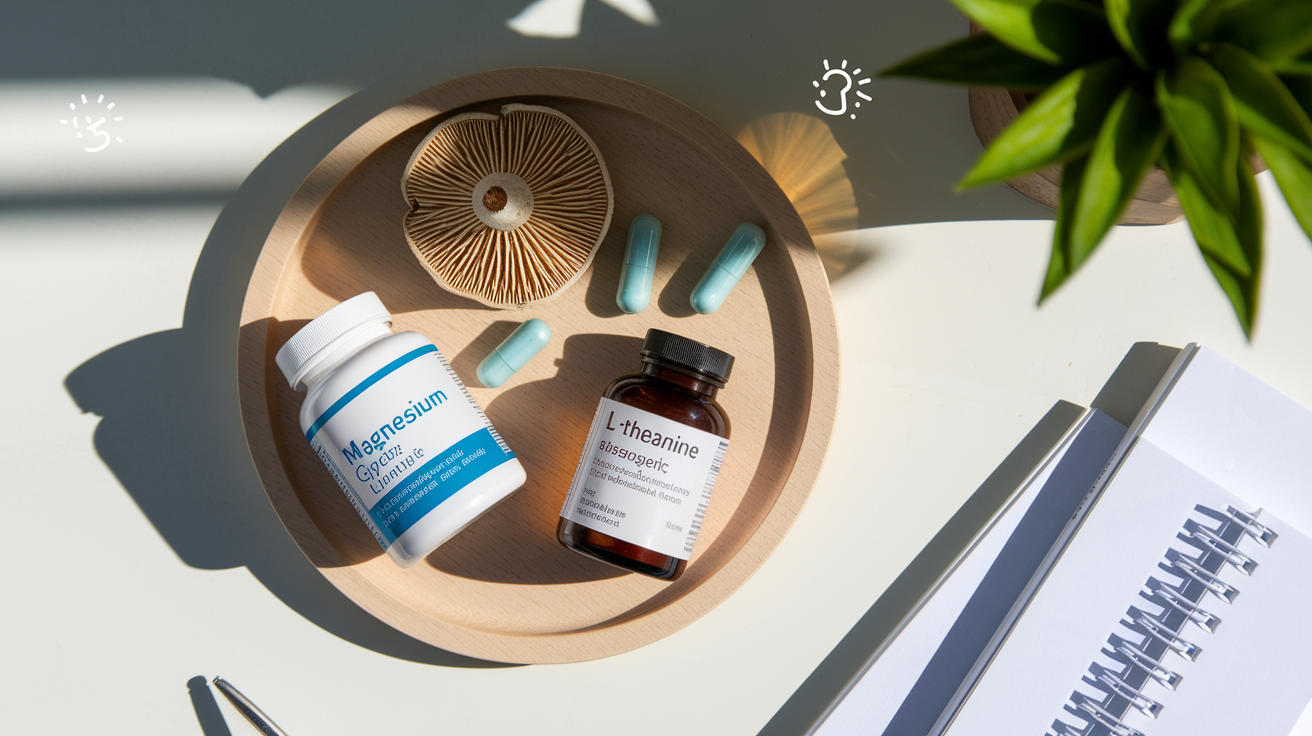
Magnesium glycinate is a highly absorbable form of magnesium that supports over 300 enzymatic reactions, including those involved in circadian rhythm regulation. It binds to GABA receptors, producing a calming effect on the nervous system without causing gastrointestinal upset. Taking 200 to 400 mg of magnesium glycinate 30 to 60 minutes before bed can reduce nighttime muscle tension, lower cortisol, and improve sleep onset. All of which protect overnight gut repair. Glycinate is the preferred form because it’s gentle on the stomach and less likely to cause loose stools than magnesium citrate or oxide.
Reishi mushroom is an adaptogen with compounds (triterpenoids and polysaccharides) that modulate cortisol and support longer, more sustained sleep. Research suggests Reishi may also influence gut microbial diversity, particularly populations involved in immune regulation.
L-theanine, an amino acid found in green tea, promotes relaxation by increasing alpha brain waves and modulating neurotransmitters like GABA and serotonin. Clinical trials show L-theanine reduces sleep onset time and nighttime disturbances without causing next-day grogginess.
Passionflower has been traditionally used to deepen sleep and reduce anxiety, likely through GABAergic pathways similar to chamomile.
Here are four evidence-based supplements focused on their digestive and sleep mechanisms:
- Magnesium glycinate: supports circadian enzyme function, activates GABA receptors, reduces nervous system arousal, gentle on the stomach.
- Reishi mushroom: modulates cortisol via triterpenoids, lengthens sleep duration, may support gut microbial diversity and immune balance.
- L-theanine: increases alpha brain waves, promotes relaxation without sedation, clinically shown to reduce sleep onset time and night waking.
- Passionflower: acts on GABA pathways to reduce anxiety and deepen sleep, traditionally used to support nervous system calm.
Final Words
Start tonight: try the 3-hour rule, a small calming snack, dim the screens, and test left-side sleep or a slight head elevation.
This post walked through meal timing, sleep positions, relaxation techniques, herbal options, circadian cues, sample schedules, and supplements—why they matter and how to use them.
Use the featured sleep routines to support digestion as a simple template you can tweak. Little consistent changes add up, and you should feel steadier digestion and better energy soon.
FAQ
Q: How to sleep to help the digestive system?
A: To sleep in a way that helps the digestive system, stop eating about three hours before bed, sleep on your left side with slight head elevation, keep regular sleep times, and wind down to lower stress.
Q: What is the 10 5 3 2 1 rule for sleep?
A: The 10-5-3-2-1 rule for sleep is a simple pre-bed checklist: 10 minutes of calm activity, 5 minutes of light stretch or journaling, 3 hours since large meals, 2 hours no screens, 1 hour no caffeine.
Q: What are the 4 R’s of gut healing?
A: The 4 R’s of gut healing are Remove (cut trigger foods/pathogens), Replace (support digestion with enzymes/bile), Reinoculate (restore the microbiome, the gut’s bacterial community, with probiotics and diverse fiber), and Repair (nutrients to heal the lining).
Q: Which organ is 90% responsible for digestion?
A: The organ about 90% responsible for digestion is the small intestine, which handles most nutrient breakdown and absorption along its long, folded surface.