
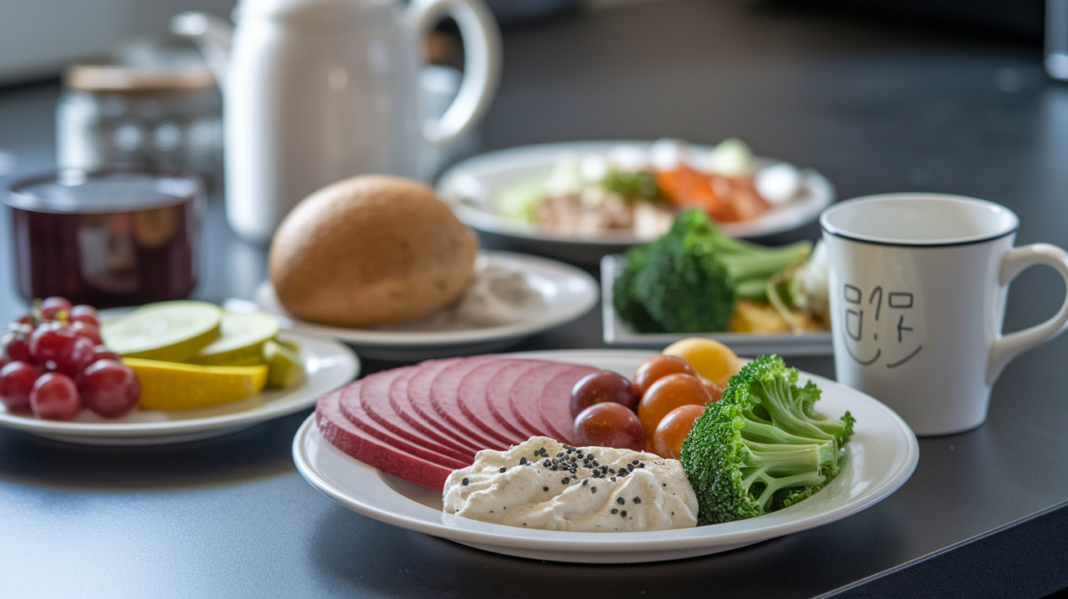

Think more fiber alone will fix IBS-C? Think again. If you have IBS-C (Irritable Bowel Syndrome with constipation), the right plate – not just extra bulk – eases constipation and steadies your gut rhythm. Balanced meals that pair soluble fiber (fiber that soaks up water and softens stool), lean protein, gentle fats, regular hydration, sensible portions, and consistent meal timing actually work. Start by stacking simple choices – oatmeal, cooked vegetables, a palm-sized protein, and 8 to 12 ounces of water with each meal – and you’ll see more predictable bowel habits without drastic diets.
Core Meal Framework for Constipation-Friendly Balanced Meals

Sample balanced IBS-C meals that hit fiber and hydration targets:
- Oatmeal topped with 1 tablespoon chia seeds, sliced kiwi, and 1/2 cup kefir
- Quinoa bowl with roasted zucchini, steamed carrots, and baked salmon
- Mashed sweet potato mixed with sautéed spinach and scrambled eggs
- Brown rice with cooked carrot rounds, steamed broccoli florets, and pan-seared tofu or white fish
A balanced meal for IBS-C means pairing soluble fiber to soften stool and regulate transit, lean protein to stabilize energy and keep you full, gentle fats to support nutrient absorption without triggering reflux, and plenty of hydration to keep fiber moving. Women need around 25 grams of fiber daily and men need about 38 grams. Those numbers drop to 21 and 30 grams after age 50. One balanced plate might include 1 cup cooked brown rice (4 grams fiber), 1 cup steamed broccoli (4.5 grams), and a palm-sized portion of salmon, paired with 8 ounces of water or herbal tea. Portion size matters because overfilled plates can slow digestion and make bloating worse, even when the foods are gut-friendly.
Hitting daily fiber targets supports stool consistency by adding bulk from insoluble fiber in vegetables and whole grains, plus water-holding capacity from soluble fiber in oats, chia, and sweet potatoes. Start your day with 1 1/4 cups cooked oatmeal and you’re getting 5 grams of soluble fiber. A midday pear adds 4 grams. A dinner side of 1 cup cooked carrots contributes another 5 grams. Stack those choices across breakfast, lunch, and dinner, and you’ve reached 14+ grams before you’ve added any supplemental seeds or beans. Consistent fiber intake also regulates transit time so your gut rhythm becomes predictable instead of erratic.
Timing principles amplify the benefit of balanced meals. Don’t skip breakfast. Morning food intake stimulates the gastrocolic reflex and prompts colon movement, often within 30 minutes. Instead of three large meals that fill the stomach and slow motility, try five to six smaller, evenly spaced meals that keep your digestive system active without overwhelming it. Eat slowly and avoid multitasking. Chew each bite thoroughly to reduce swallowed air and improve satiety signals. When meals arrive on a regular schedule, your gut learns the pattern and motility becomes more reliable.
Ideal components for IBS-C meals:
- Soluble-fiber carbohydrates: gluten-free oatmeal, brown rice, quinoa, sweet potato
- Lean proteins: chicken breast, turkey, white fish, tofu, eggs or egg whites
- Cooked vegetables: carrots, zucchini, spinach, butternut squash (easier to digest than raw and still deliver fiber)
- Hydration pairing: 8 to 12 ounces of water or herbal tea with each meal to soften stool
- Gentle fats: avocado, olive oil drizzle, ground flaxseed (1.5 to 2 tablespoons equals around 4 grams fiber)
- Low-FODMAP seasonings: scallion tops, chives, garlic-infused oil (solids removed), fresh ginger
- Tolerated fruits: banana (2.8 grams fiber), kiwi, strawberries (3.8 grams per cup), or canned pear slices
- Timing cue: eat at approximately the same times each day to train your gut rhythm
Final Words
Start today: choose one sample meal and pair it with a full glass of water before you eat. Keeping portions reasonable and eating slowly is the simplest win.
This post showed a core meal framework, soluble fiber, lean protein, and gentle fats, plus fiber targets, meal timing (don’t skip breakfast, try 5 to 6 small meals), cooking tips, and sample recipes you can use now.
Small, steady changes make digestion easier. Focus on making consistent balanced meals for IBS-C constipation relief and you’ll likely feel better within days.
FAQ
- oatmeal + chia + kiwi + kefir
- quinoa bowl with soft vegetables and salmon
- mashed sweet potato + spinach + eggs
- brown rice + cooked carrots + tofu or fish
Q: What to eat during IBS constipation flare up?
A: During an IBS constipation flare-up, eat soluble-fiber foods like oatmeal, ripe banana, or cooked apples, gentle proteins (eggs or fish), soft cooked veggies, and sip water often to soften stool and ease transit.
Q: How to prevent constipation with IBS C?
A: To prevent constipation with IBS-C, aim for daily fiber targets (about 25 g women, 38 g men), drink enough fluids, eat regular small meals, include soluble fiber and gentle fats, and move daily.
Q: What is a good breakfast for IBS C?
A: A good breakfast for IBS C is oatmeal with chia, kefir and kiwi, giving soluble fiber, probiotics and fluids, plus a small protein like Greek yogurt or an egg to stimulate colon movement.
Q: How to stop an IBS C flare up?
A: To stop an IBS C flare up, use a short plan: eat a soluble-fiber snack, drink water, take a 10 to 20 minute walk, apply warmth to the belly, and try an osmotic laxative only if needed.