


Think gut health is just about taking a probiotic? It’s not.
If you’re new, this post curates six beginner-friendly articles that cut through the noise.
They explain what your microbiome (the community of bacteria in your gut) does, which foods help, and how to spot when something’s off.
Use this short guide to choose the right article for your situation: science-first, symptom-help, or quick diet and lifestyle wins you can start today.
Top Beginner-Friendly Gut Health Articles
If you’re new to gut health, start with articles that break down the basics without burying you in jargon. These six resources explain what your microbiome actually does, which foods support it, and how to tell when something’s not working right.
“A Beginner’s Guide to Gut Health” introduces the sheer scale of your microbiome (roughly 40 trillion bacteria), shows how it influences immunity and blood sugar, and walks through the 30-plant-points-per-week target. You’ll also find 10 simple tricks to add more diversity without spending extra time or money.
“Exploring the Gut Microbiome: A Beginner’s Guide” explains dysbiosis (when gut bacteria get out of balance), how your microbiome produces hundreds of protective metabolites for your brain and metabolism, and why diversity matters so much. There are specific food amounts here too, like 15 grams of fiber per serving of lentils, plus a look at why unnecessary antibiotic use in kids can be risky.
“Understanding the Role of Your ‘Second Brain'” digs into the enteric nervous system and the gut-brain axis. Over 100 million neurons in your gut talk to your central nervous system constantly. That connection affects mood, anxiety, and sleep quality more than most people realize.
“Signs of Poor Gut Health” lists digestive, immune, skin, and mental symptoms that might mean your microbiome needs support. Useful when you’re dealing with bloating, fatigue, or new food sensitivities and want to understand what’s actually happening.
“Improving Gut Health Through Probiotics” covers the difference between probiotics and prebiotics, names specific strains that research links to IBS-D symptom relief (like Lactobacillus rhamnosus GG), and gives practical guidance on CFU counts and product formats.
“7 Steps Towards Optimal Gut Health” is lifestyle-focused. Hydration, sleep, stress management, portion control, and physical activity. Small behavior changes like chewing thoroughly and limiting alcohol. Easy wins you can start today.
If you’re curious about the science and want to see how everything connects, start with “Exploring the Gut Microbiome.” Already dealing with symptoms and need a plan? Go straight to “Signs of Poor Gut Health” and “Improving Gut Health Through Probiotics.” Want actionable diet tips right now? Begin with “A Beginner’s Guide to Gut Health” for the 30-plant-points framework and the quick hacks list.
Understanding the Microbiome: Beginner Fundamentals
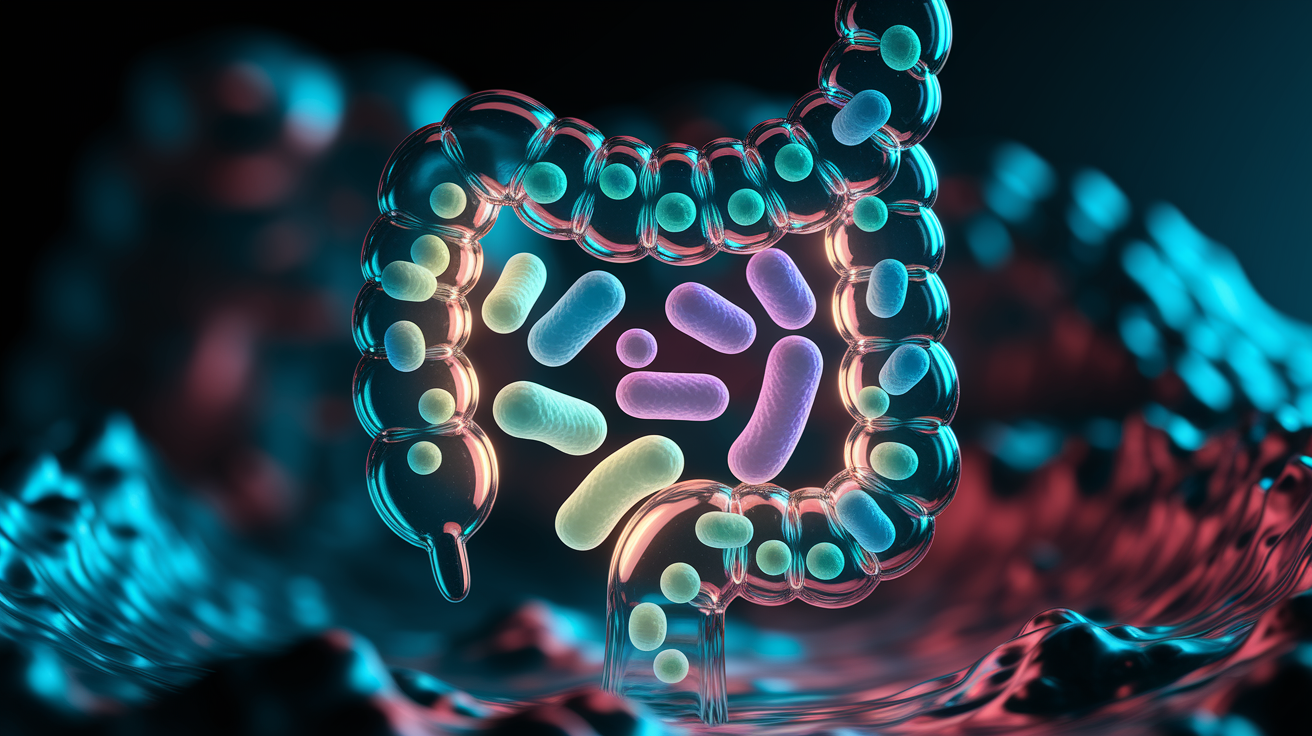
Your gut microbiome is the community of bacteria, viruses, and fungi living in your digestive tract. About 40 trillion microorganisms total. They’re not just along for the ride. They actively shape how you digest food, train immune cells, produce vitamins, and influence mood and energy.
Diversity matters. When you eat a variety of plant foods, different bacterial species thrive, and each contributes something useful. Breaking down fiber into short-chain fatty acids. Synthesizing B vitamins. Producing neurotransmitter precursors that support brain-gut communication. A healthy microbiome typically generates 800 to 1,000 distinct metabolites that regulate inflammation, strengthen your gut barrier, improve insulin sensitivity, and protect your brain.
Here’s what a balanced microbiome does for you:
Breaks down fiber and produces short-chain fatty acids that feed your gut lining and reduce inflammation.
Trains immune cells to recognize real threats and ignore harmless proteins, which lowers your risk of allergies and autoimmune flare-ups.
Manufactures essential vitamins, especially B vitamins and vitamin K, that your body can’t make on its own.
Helps control chronic low-grade inflammation, which is linked to heart disease, type 2 diabetes, and metabolic syndrome.
Diet and Everyday Habits That Improve Gut Health
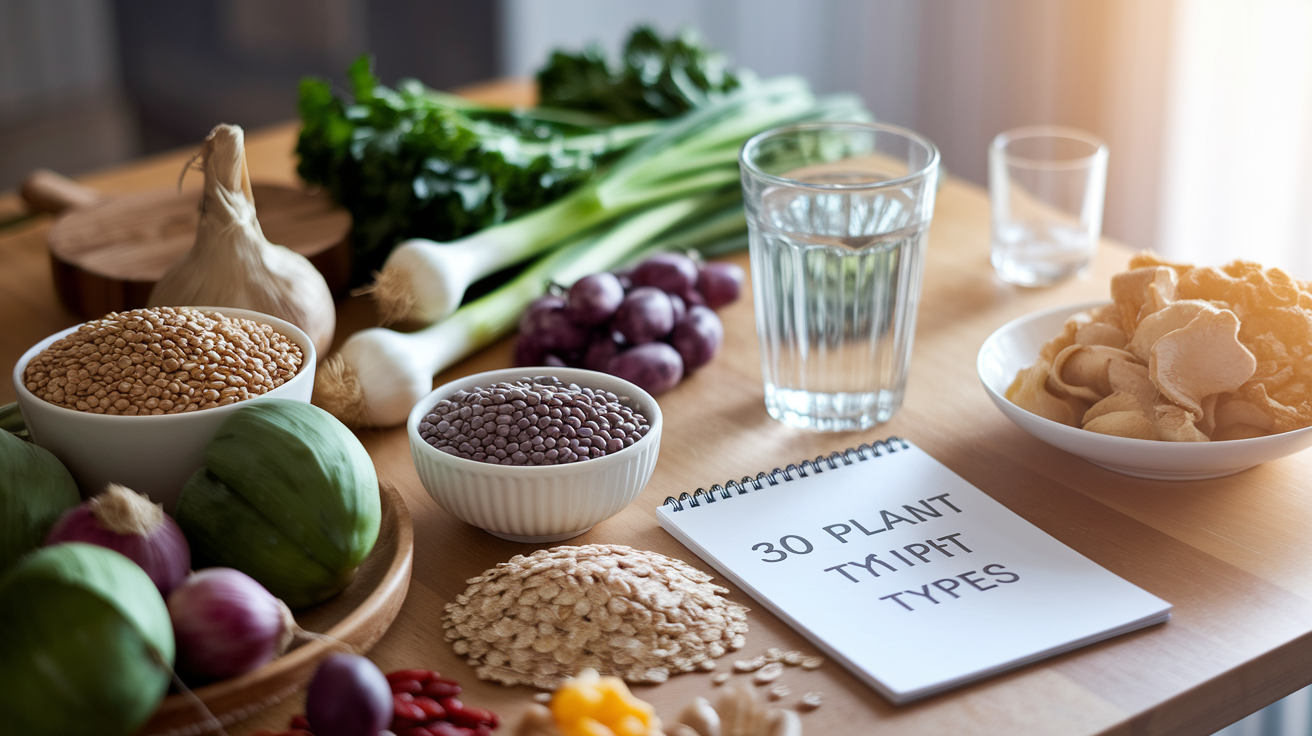
The fastest way to support your microbiome is feeding it a variety of plant fibers every week. Research shows people eating 30 or more different plant types weekly have significantly more diverse gut bacteria than those eating fewer than 10. You don’t need exotic ingredients. Frozen mixed berries, canned mixed beans, and bags of mixed salad leaves all count.
Six beginner-friendly gut-healthy foods:
Legumes and pulses. Lentils deliver about 15 grams of fiber per serving. Chickpeas, black beans, and mixed canned beans are easy, affordable options that boost microbial diversity fast.
Oats. Soluble fiber your gut bacteria love. Add them to pancakes, porridge, or smoothies.
Leafy greens and cruciferous vegetables. Spinach, kale, rocket, cabbage, and cauliflower supply fiber plus vitamins A, C, E, and K.
Alliums. Garlic, onions, and leeks provide prebiotic fiber along with vitamin C and selenium.
Fermented foods. Kimchi, miso, tempeh, sauerkraut, and natural yogurt deliver both prebiotics and live beneficial bacteria.
Polyphenol-rich herbs, spices, and teas. Turmeric, ginger, cinnamon, green tea, and fresh basil act as prebiotics and help stimulate helpful bacterial taxa.
Beyond food, a few daily habits make a measurable difference. Chewing thoroughly starts digestion in your mouth and reduces the workload on your stomach and intestines. Regular movement (even a 10-minute walk after dinner) improves gut motility and helps prevent constipation.
Hydration matters too. Water keeps food moving smoothly through your digestive tract and supports the mucus layer protecting your gut lining. Steady sips throughout the day work better than chugging a liter at once. Sleep and stress management also influence your microbiome directly. 2024 research links gut bacteria to stress responsivity and psychological resilience via the circadian system and gut-brain communication pathways.
Probiotics, Prebiotics, and Fermented Foods Explained
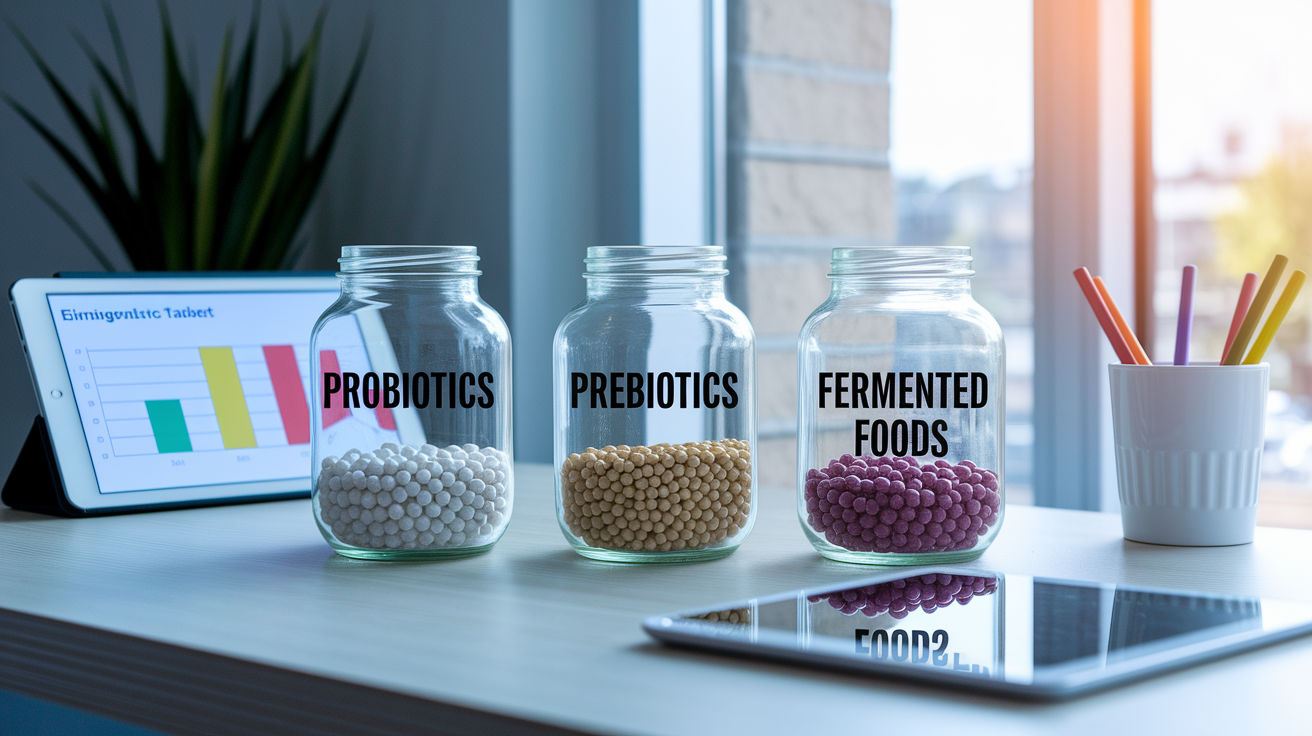
Probiotics are live beneficial bacteria or yeasts you consume, either in food or supplements. Prebiotics are non-digestible fibers that feed the beneficial bacteria already living in your gut. Fermented foods naturally contain probiotics and often supply prebiotics too, making them a simple two-in-one option.
You might consider probiotics if you’re dealing with irregular bowel movements, bloating, or reduced microbial diversity after antibiotic use. Prebiotics are helpful when you want to nourish your existing gut community, especially if you’re already eating a decent variety of plants. Fermented foods are an easy, tasty way to introduce both without needing supplements.
| Category | What It Does | Common Sources |
|---|---|---|
| Probiotics | Provide live beneficial bacteria that may improve bowel regularity, reduce gas and bloating, and support nutrient absorption. | Yogurt, kefir, kimchi, sauerkraut, miso, tempeh, probiotic supplements with specific strains (e.g., Lactobacillus rhamnosus GG, Bifidobacterium infantis). |
| Prebiotics | Feed beneficial bacteria already in your gut, helping them produce short-chain fatty acids and other metabolites. | Whole grains (oats, barley), chicory root, Jerusalem artichokes, garlic, onions, leeks, seaweeds (nori, kelp). |
| Fermented Foods | Deliver both live bacteria and prebiotic substrates; support microbial diversity and gut barrier function. | Kimchi, miso, tempeh, natural yogurt, kefir, kombucha, sauerkraut. |
Signs of an Unbalanced Gut and When to Seek Help

An unbalanced gut usually shows up in digestive symptoms first. Chronic bloating, irregular bowel movements (constipation, diarrhea, or alternating between both), frequent gas, burping, or abdominal pain without an obvious trigger. You might also notice unexplained fatigue, new food sensitivities, or skin flare-ups like acne, eczema, or psoriasis.
Less obvious signs include recurrent infections (suggesting weakened immune training), poor sleep quality, mood swings, anxiety, or low mood. Some people experience joint pain, chronic bad breath, or nutrient deficiencies even when their diet looks balanced. These symptoms can point to dysbiosis, which means losing beneficial bacteria, reduced microbial diversity, and overgrowth of potentially harmful species.
Most mild symptoms improve when you diversify your diet, add fermented foods, manage stress, and prioritize sleep. If symptoms persist for more than a few weeks, get worse over time, or start affecting your daily routine, see a doctor.
Red flags that warrant professional guidance:
Persistent abdominal pain that disrupts sleep, work, or social activities.
Unexplained weight loss, blood in stool, or severe diarrhea lasting more than a few days.
New onset of symptoms after age 50, or symptoms that change suddenly in pattern or severity.
Chronic fatigue, nutrient deficiencies, or immune issues that don’t respond to basic dietary and lifestyle adjustments.
Final Words
Jump in — you now have a simple roadmap: the top starter resources, microbiome basics, practical food and habit tips, a clear look at probiotics vs prebiotics, and guidance on symptoms that need attention.
Choose one article that matches your current goal (diet, microbes, or symptoms), try one small change for a week, and note how you feel.
Use the featured gut health articles for beginners to pick that first step. Small, consistent moves add up, and you’ll start feeling steadier digestion and more reliable energy.
FAQ
Q: What is the gut microbiome?
A: The gut microbiome is the community of bacteria, fungi, and other microbes living in your intestines (the gut). It helps digest food, make vitamins, and support immunity and mood.
Q: Why does the microbiome matter for health?
A: The microbiome matters because it shapes digestion, immune responses, nutrient absorption, energy, and mood. A diverse microbiome usually supports steady digestion, fewer gut issues, and better resilience.
Q: What foods improve gut health for beginners?
A: Foods that improve gut health for beginners include high-fiber vegetables and fruits, whole grains, legumes, nuts, fermented foods like yogurt or sauerkraut, and minimally processed proteins.
Q: What’s the difference between prebiotics, probiotics, and fermented foods?
A: The difference between prebiotics, probiotics, and fermented foods is: prebiotics feed gut bacteria (fiber-rich foods), probiotics are live beneficial bacteria (supplements, yogurt), and fermented foods naturally contain or support probiotics.
Q: How much fiber should I aim for each day?
A: You should aim for about 25–30 grams of fiber per day for adults. Increase slowly by a few grams each week and drink more water to prevent bloating.
Q: What daily habits help digestion?
A: Daily habits that help digestion include regular meal times, chewing slowly, staying hydrated, a short walk after meals, consistent sleep, and simple stress steps like breathing or brief breaks.
Q: What are signs of an unbalanced gut?
A: Signs of an unbalanced gut include frequent bloating, gas, irregular stools (constipation or diarrhea), unexplained fatigue, and skin flare-ups or new food sensitivities.
Q: When should I see a doctor for gut problems?
A: You should see a doctor when gut problems include blood in stool, unexplained weight loss, severe or worsening pain, high fever, persistent vomiting, or symptoms lasting more than two to three weeks.
Q: Are probiotics necessary for beginners?
A: Probiotics are not necessary for all beginners; start food-first with fermented foods. Consider a short, targeted supplement trial if symptoms persist or after antibiotics, and choose research-backed strains.
Q: What’s the first step a beginner should take to improve gut health?
A: The first step a beginner should take is add one fiber-rich food daily (a piece of fruit or a handful of beans), drink more water, and walk ten minutes after a meal for digestion.