
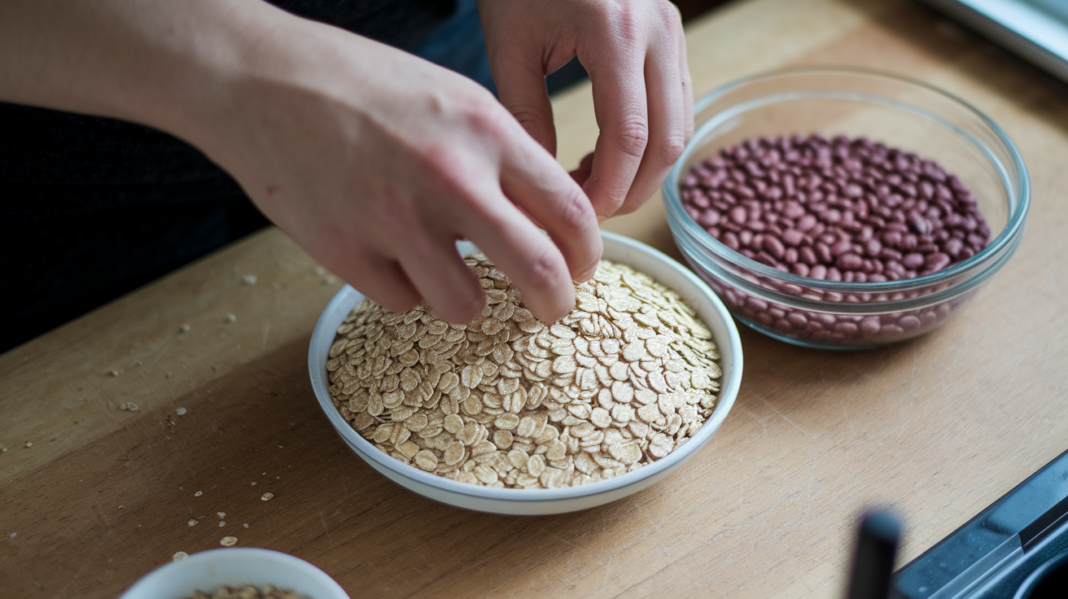

What if the single simplest change to ease bloating, steady your energy, and improve digestion is just eating more fiber?
Fiber is the fuel for your microbiome (the community of bacteria living in your gut) and it also bulks and moves stool so you’re regular.
Different fibers do different jobs. Some feed good bacteria and make short-chain fatty acids like butyrate (colon fuel), and others add bulk and speed transit.
This post shows the science-simple why fiber matters, how much to aim for, and easy food swaps you can make today to transform your digestive wellness.
How Fiber Supports Gut Health and Digestive Function
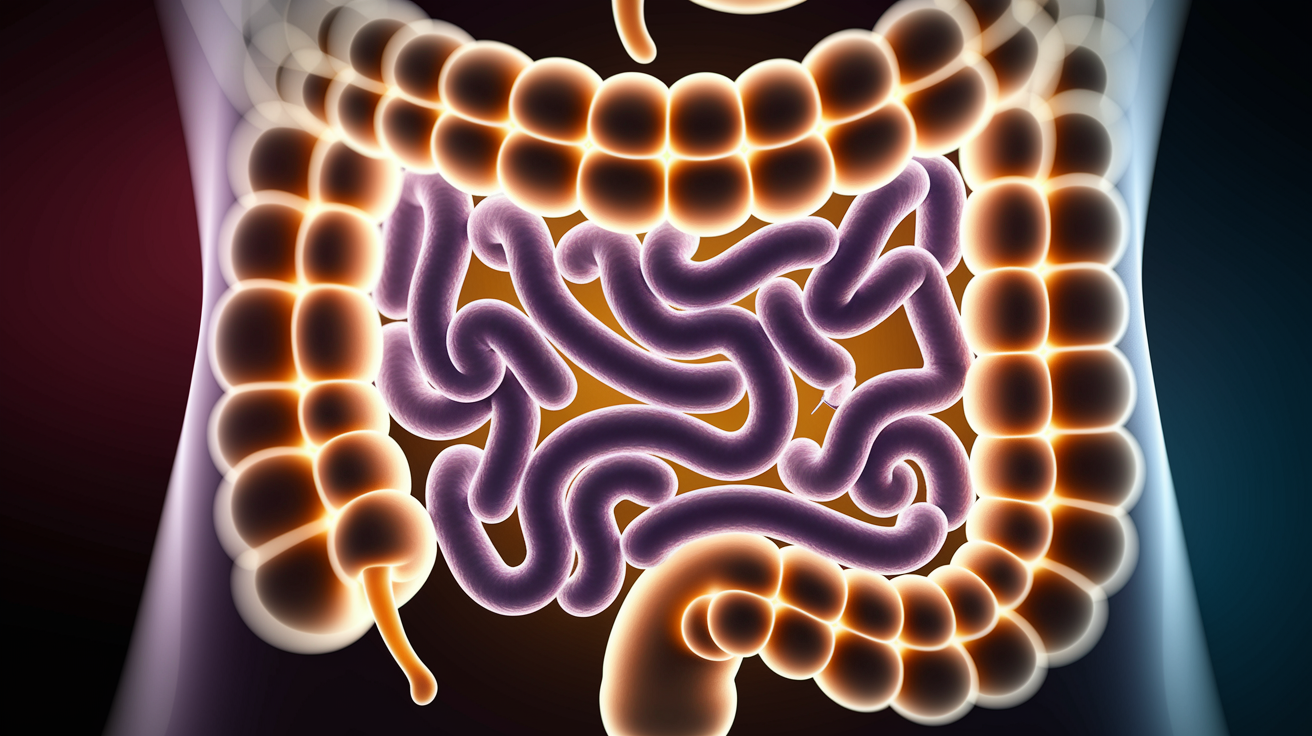
Dietary fiber is basically fuel for your gut microbiome. Those trillions of bacteria in your digestive system? They feed on fiber. When fiber hits your colon undigested, beneficial bacteria break it down into short-chain fatty acids, mostly butyrate, acetate, and propionate. Butyrate is what your colon cells run on. It keeps your intestinal barrier strong and helps dial down inflammation. This fermentation also makes your gut more acidic, which crowds out harmful bacteria and boosts populations of Bifidobacterium and Lactobacillus. A systematic review of 64 randomized trials with over 2,000 people confirmed that eating more fiber significantly raised levels of both bacterial types and increased fecal butyrate.
Fiber also does straightforward mechanical work. It forms stool and moves it through your system. Soluble fiber dissolves in water and turns into a gel that slows digestion, softens stool, and helps keep blood sugar steady. You get soluble fiber from oats, beans, apples, and pears. Insoluble fiber doesn’t dissolve. It bulks up stool and speeds up how fast things move through your intestines, which helps you avoid constipation. Vegetables, seeds, wheat, and fruit skins give you insoluble fiber.
Here’s what fiber does for your gut:
- Bowel regularity: Bulks and softens stool so you stay consistent and comfortable.
- Short-chain fatty acid production: Fermentation makes butyrate and other SCFAs that fuel colon cells and reduce inflammation.
- Microbial balance: Prebiotic fibers feed the good bacteria and keep your microbiome stable.
- Colon health: Supports your intestinal barrier, lowers risk of diverticular disease, and may reduce colon cancer risk.
- Inflammation control: Fermentation byproducts help regulate immune responses and reduce chronic low-grade inflammation.
How fermentable a fiber is matters just as much as whether it’s soluble or insoluble. Resistant starch, for example, is technically insoluble but highly fermentable, which makes it a strong food source for gut bacteria. Different fibers do different things. Accepted prebiotics like fructans and galactooligosaccharides showed the strongest benefits in clinical trials, while general fibers had weaker effects on specific bacterial populations. The takeaway? Eating diverse fiber sources and understanding which fibers do what gives you the most digestive benefit.
Key Types of Fiber and Their Distinct Gut Health Roles

Not all fiber works the same way in your digestive system. The two big categories are soluble and insoluble, but within those groups, specific fibers have unique effects on gut bacteria, stool, and metabolic health.
Soluble Fiber
Soluble fiber dissolves in water and turns into a thick gel in your stomach and small intestine. That gel slows down how quickly food leaves your stomach, which stabilizes blood sugar by slowing glucose absorption. It also binds to bile acids and traps cholesterol, reducing how much gets reabsorbed into your bloodstream. You’ll find it in oats, barley, beans (lentils, black beans), fruits (apples, berries), and vegetables like carrots and Brussels sprouts. Once soluble fiber reaches your colon, gut bacteria ferment it into short-chain fatty acids that support colon cell health and immune function.
Insoluble Fiber
Insoluble fiber doesn’t dissolve. It passes through your digestive system mostly intact, adding bulk to stool and speeding up how fast waste moves through your intestines. This helps you stay regular and can prevent constipation and diverticulosis. You get it from whole grains like wheat bran and brown rice, vegetables such as broccoli and cauliflower, seeds, nuts, and the skins of fruits and root vegetables. Leaving the skin on potatoes and apples is an easy way to add insoluble fiber without changing what you eat.
Prebiotic and Fermentable Fibers
Prebiotic fibers are a subset of fermentable fibers that selectively feed beneficial bacteria. The most studied are fructans (inulin and fructooligosaccharides) and galactooligosaccharides (GOS). These resist digestion in your upper GI tract and reach the colon intact, where Bifidobacterium and Lactobacillus break them down. That fermentation produces butyrate and other short-chain fatty acids. Resistant starch, found in cooked and cooled potatoes, rice, and green bananas, is another highly fermentable fiber. Even though it’s technically insoluble, resistant starch gets broken down by gut bacteria and supports microbial diversity and SCFA production. Food-based fiber studies have shown mixed results, partly because most trials test a narrow range of fiber-rich foods. But prebiotic supplements consistently deliver the strongest effects on beneficial bacterial populations.
Daily Fiber Intake Recommendations and How Much You Really Need

Men should aim for 28 to 34 grams of fiber per day. Women need 22 to 28 grams. Most people don’t hit those numbers because modern diets lean heavily on refined carbs like white bread, pasta, and snack foods that have been stripped of their fiber. A typical Western diet delivers less than 15 grams of daily fiber. That shortfall has real consequences: slower bowel transit, reduced microbial diversity, and higher risk of metabolic issues like blood sugar swings and elevated cholesterol.
If you’re starting below the recommended range, increase your fiber gradually. Add about 5 grams per week. That gives your gut bacteria time to adapt. Quick jumps can cause bloating, gas, and discomfort as your microbiome adjusts to the new fuel. And drink plenty of water throughout the day. Water helps fiber move smoothly through your system and prevents the constipation that can happen when you add fiber without enough hydration.
Signs you’re not getting enough fiber:
- Infrequent or irregular bowel movements: Fewer than three times a week or unpredictable timing.
- Hard, difficult-to-pass stools: Straining and feeling like you didn’t fully empty.
- Strong cravings for refined carbs and sweets: Low fiber can trigger blood sugar swings that drive hunger and cravings.
- Energy crashes after meals: Without fiber, glucose gets absorbed faster, insulin spikes harder, and fatigue follows.
Fiber-Rich Food Sources That Improve Gut Function
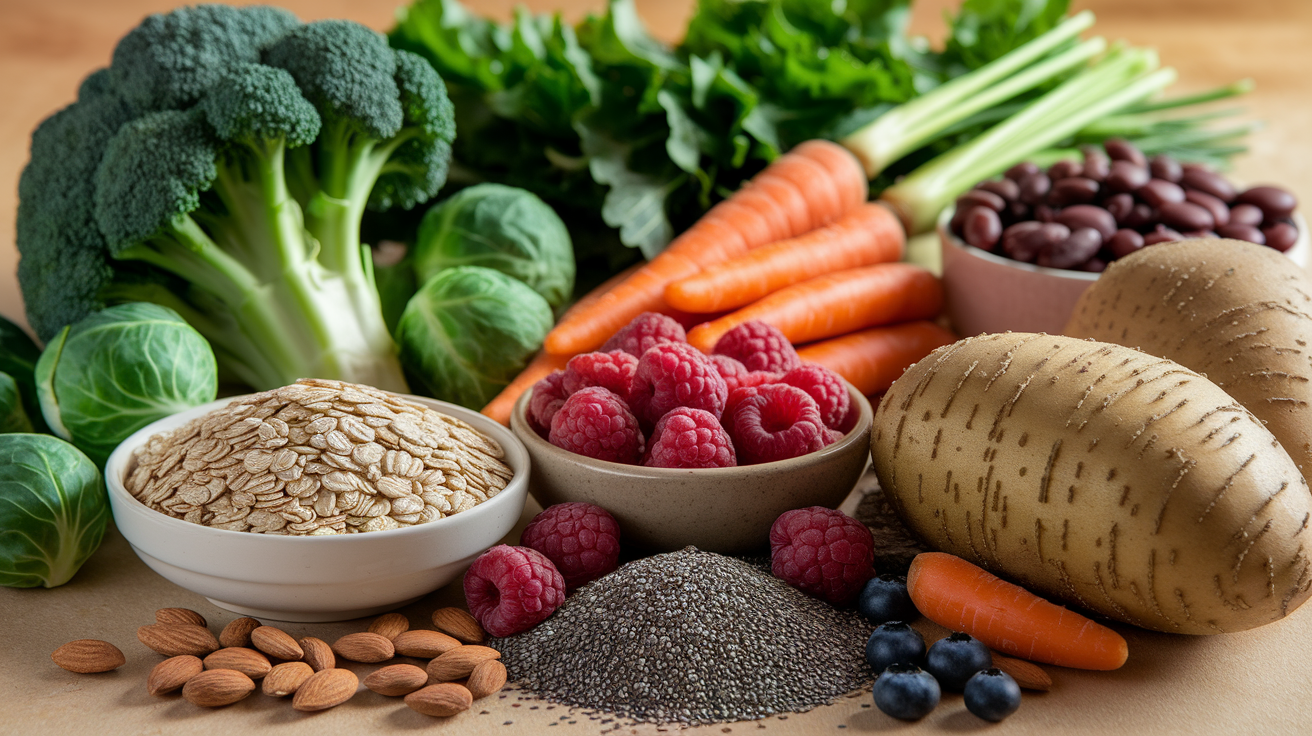
Whole foods give you fiber plus vitamins, minerals, and phytonutrients that work together. Vegetables like broccoli, Brussels sprouts, carrots, and leafy greens provide both soluble and insoluble fiber, along with compounds that reduce inflammation. Whole grains such as oats, barley, quinoa, and brown rice keep their bran and germ layers, which get stripped away in refined grains. Fruits including pears, apples, berries, and avocados offer soluble fiber and natural sugars that feed beneficial bacteria. Legumes (beans, lentils, chickpeas) are among the richest fiber sources per serving, delivering both soluble fiber and resistant starch.
Seeds and nuts pack fiber, healthy fats, and protein in a small, portable package. Chia seeds, flaxseeds, and hemp seeds contain mucilage, a type of soluble fiber that forms a gel when mixed with liquid. Almonds, walnuts, and pistachios provide insoluble fiber along with magnesium and omega-3 fatty acids. Leaving the skin on potatoes, sweet potatoes, apples, and pears increases your insoluble fiber intake without extra effort. The skin is where much of the fiber and many of the antioxidants sit.
| Food | Fiber Benefit Type |
|---|---|
| Oats | Soluble (beta-glucan) |
| Black beans | Soluble + Resistant starch |
| Broccoli | Insoluble + Prebiotic |
| Chia seeds | Soluble (mucilage) |
| Pears (with skin) | Soluble + Insoluble |
| Lentils | Soluble + Resistant starch |
| Almonds | Insoluble |
| Cooked and cooled potatoes | Resistant starch (fermentable) |
Whole-Food Sources
Whole foods beat fiber supplements because they deliver a matrix of nutrients that work together. A bowl of steel-cut oats gives you beta-glucan fiber, B vitamins, magnesium, and phenolic compounds that reduce oxidative stress. A serving of lentils offers soluble fiber, protein, iron, and folate. Supplements like isolated inulin or psyllium husk can help you meet fiber targets, but they lack the vitamins, minerals, and polyphenols that make whole foods so effective. Focusing on whole-food sources also increases diet diversity, which translates into greater microbial diversity in your gut.
Simple Meal Additions
You don’t need to overhaul your entire diet. Add a quarter cup of oats to your morning yogurt or blend them into a smoothie. Toss a half cup of black beans or chickpeas into your lunch salad or grain bowl. Snack on an apple with the skin still on, or keep a small container of mixed nuts and seeds at your desk. Swap white rice for brown rice or quinoa, and choose whole-grain bread over white. Roast potatoes with the skin on instead of peeling them. These small changes stack up over the course of a day and can add 10 to 15 grams of fiber without requiring new recipes or extra prep.
Gut Microbiome Benefits of Fiber: What Science Shows

A systematic review and meta-analysis of 64 randomized controlled trials involving 2,099 healthy participants found that fiber interventions significantly increased Bifidobacterium and Lactobacillus species in the gut. These two bacterial genera are strongly linked to digestive health, immune function, and reduced inflammation. The same analysis showed that fiber intake raised fecal butyrate levels compared to placebo or low-fiber controls. Butyrate is the preferred fuel for colon cells and plays a key role in maintaining the intestinal barrier, regulating immune responses, and reducing chronic inflammation.
Different types of fiber produced different microbial effects. Accepted prebiotic fibers (specifically fructans and galactooligosaccharides) were significantly more effective at increasing Bifidobacterium and Lactobacillus populations than general fibers like cellulose or lignin. Candidate prebiotic fibers, including certain resistant starches and beta-glucans, increased Bifidobacterium but showed less consistent effects on Lactobacillus. General fibers had limited or no effect on these beneficial bacteria when analyzed across all studies. Interestingly, the interventions didn’t change overall alpha-diversity, a measure of the number and evenness of bacterial species in the gut. This suggests that fiber supports specific beneficial populations without dramatically reshaping the entire microbial community in healthy adults.
Even low doses of prebiotic fiber (less than 5 grams per day) produced measurable increases in Bifidobacterium abundance and butyrate production. Higher doses didn’t always result in greater benefits, which suggests that consistency and fiber type matter more than simply maxing out grams. Food-based fiber interventions, mostly involving whole grains and cereals, showed weaker effects than fiber supplements in the pooled data. The researchers attributed this to small sample sizes and limited diversity of fiber-rich foods tested in the trials. Whole foods contain multiple fiber types, polyphenols, and other bioactive compounds that support gut health through pathways not captured in short-term trials focused on single microbial outcomes.
Key takeaways:
- Fiber increases Bifidobacterium and Lactobacillus, two bacterial genera linked to digestive health and immune support.
- Prebiotic fibers (especially fructans and galactooligosaccharides) produce the strongest and most consistent effects on beneficial bacteria.
- Fiber fermentation raises fecal butyrate levels, which fuels colon cells and reduces intestinal inflammation.
- Low doses of prebiotic fiber (under 5 grams) are enough to support microbial fermentation and SCFA production.
- Fiber doesn’t dramatically change overall microbial diversity in healthy adults, but it selectively supports key beneficial populations.
- Food-based fiber sources contain diverse fiber types and bioactive compounds, but most clinical trials to date have tested isolated fiber supplements, which limits the evidence for whole-food interventions.
How Fiber Influences Bowel Movements and Digestive Comfort
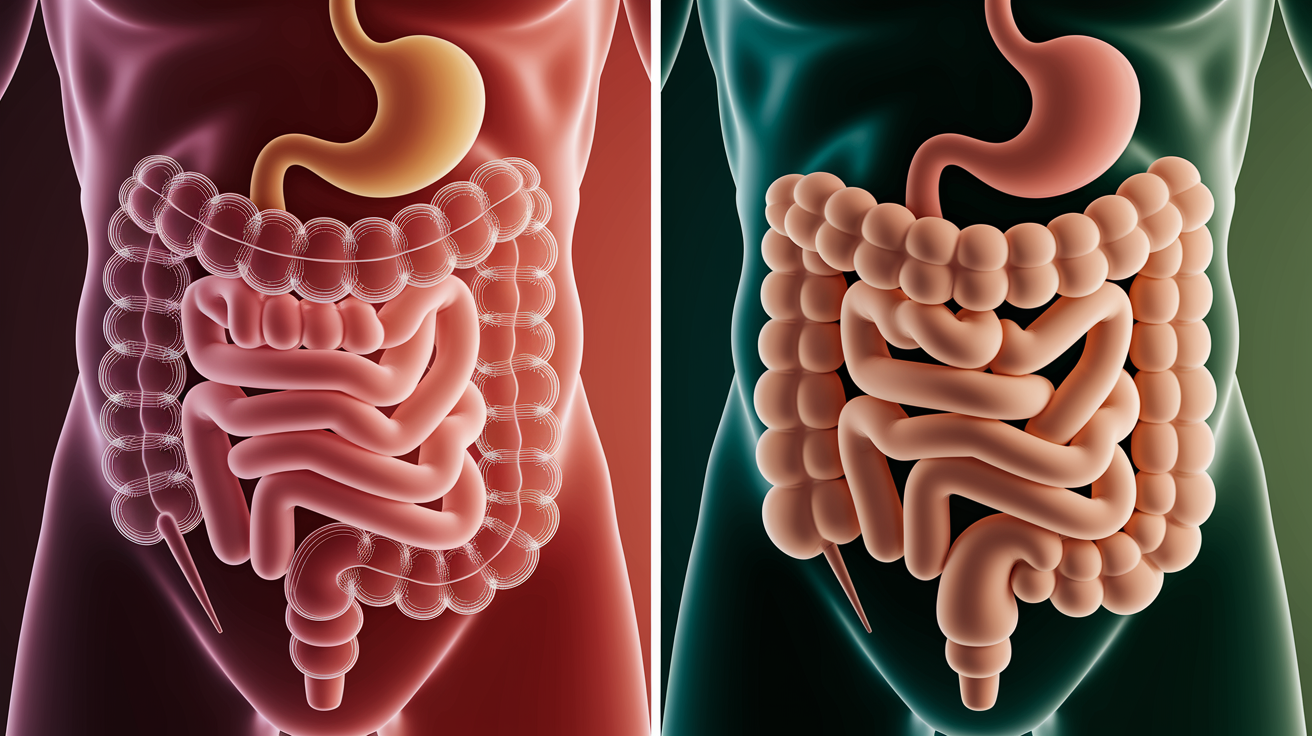
Fiber adds bulk and softness to stool, which helps it move smoothly through your intestines. Insoluble fiber increases stool volume and speeds up transit time, reducing constipation risk and supporting regular bowel movements. Soluble fiber absorbs water and forms a gel that softens stool, making it easier to pass. This combo of bulking and softening reduces the strain during bowel movements and lowers your risk of hemorrhoids and diverticular disease.
When you increase fiber too quickly or eat too much without enough water, you might get gas, bloating, and abdominal discomfort. That happens because gut bacteria produce gas as they ferment fiber. Gradual increases (adding 5 grams per week) let your microbiome adapt and minimize digestive upset. Sometimes, excess fiber can cause diarrhea or constipation, especially if fluid intake is low or if you have a digestive condition that affects motility. Certain fibers, particularly those in the FODMAP category like inulin and fructans, can trigger bloating and discomfort in people with irritable bowel syndrome.
What fiber does for your bowel movements:
- Improved regularity: Consistent fiber intake supports predictable bowel movements and reduces how long stool spends in the colon.
- Softer, easier-to-pass stools: Soluble fiber’s water-binding capacity prevents hard, dry stools that require straining.
- Reduced risk of diverticulosis and hemorrhoids: Bulkier, softer stools reduce pressure in the colon and rectum.
- Temporary gas and bloating: Common when increasing fiber quickly, usually resolves as gut bacteria adapt.
Fiber, Metabolism, and Whole-Body Health Connections

Soluble fiber slows glucose absorption in your small intestine, which helps stabilize blood sugar after meals. This reduces insulin spikes and can improve long-term blood glucose control, making fiber a key factor in managing and preventing type 2 diabetes. Fiber also binds to bile acids in your intestines, trapping cholesterol and reducing its reabsorption. That lowers LDL cholesterol levels and supports cardiovascular health. Population studies consistently show that higher fiber intake is tied to lower risk of heart disease, stroke, and metabolic syndrome.
Fiber supports weight management by increasing satiety and reducing the calorie density of meals. High-fiber foods take longer to chew and digest, which slows eating and gives your body time to register fullness. Fiber-rich meals also tend to displace more calorie-dense, low-nutrient foods from your diet. The short-chain fatty acids produced during fiber fermentation (especially butyrate and propionate) have been shown to reduce inflammation and support immune function by regulating immune cell activity and strengthening the intestinal barrier. These metabolites enter your bloodstream and influence tissues throughout your body, including fat tissue, liver, and immune cells.
The connection between gut health and whole-body metabolism runs through your microbiome. Fiber feeds beneficial bacteria that produce anti-inflammatory compounds, regulate appetite hormones like GLP-1, and influence how your body stores and uses energy. Chronic low-grade inflammation, driven partly by a disrupted gut barrier and microbial imbalance, is a common feature of obesity, insulin resistance, and cardiovascular disease. By supporting a diverse, stable microbiome and promoting the production of beneficial metabolites, fiber intake helps reduce systemic inflammation and supports metabolic health across multiple systems.
Simple Ways to Increase Fiber Intake Without Digestive Discomfort

Start by adding more vegetables to meals you already eat. Toss a handful of spinach or arugula into your morning eggs, add shredded carrots or bell peppers to your lunch sandwich, and include a side of roasted broccoli or Brussels sprouts at dinner. Vegetables increase total fiber intake and add volume to meals, which supports satiety without a large calorie load. Replace refined carbs with whole-grain versions. Swap white rice for brown rice or quinoa, choose whole-grain bread instead of white, and pick steel-cut oats or oat bran over instant oatmeal. This single swap can add 3 to 5 grams of fiber per serving.
Choose whole fruits as snacks instead of fruit juice or processed snacks. Pears, apples, and berries deliver fiber along with natural sugars, vitamins, and antioxidants. Keep a small container of mixed seeds and nuts (almonds, walnuts, chia seeds, flaxseeds) at your desk or in your bag for a portable fiber boost that also provides healthy fats and protein. Leave the skin on fruits and vegetables whenever possible. Apple skins, potato skins, and the outer layers of root vegetables contain concentrated insoluble fiber and phytonutrients that are lost when you peel them.
Quick ways to add fiber:
- Eat more vegetables at every meal. Add greens to breakfast, shredded veggies to lunch, and roasted or steamed vegetables at dinner.
- Replace refined grains with whole grains. Brown rice, quinoa, whole-grain bread, steel-cut oats can increase fiber by 3 to 5 grams per serving.
- Choose whole fruits as snacks. Pears, apples, and berries provide soluble and insoluble fiber plus vitamins and antioxidants.
- Eat seeds and nuts daily. A small handful adds fiber, healthy fats, and protein without requiring meal prep.
- Leave skins on fruits and vegetables. Apple and potato skins are rich in insoluble fiber and reduce food waste.
Hydration is essential when you increase fiber. Fiber absorbs water as it moves through your digestive system, and without enough fluid, it can slow transit time and cause constipation instead of relieving it. Aim for at least eight cups of water per day, more if you exercise or live in a hot climate. If you get bloating or gas when increasing fiber, slow down and focus on one new fiber source per week. That gives your gut bacteria time to adjust and reduces the likelihood of discomfort.
When Supplements Make Sense
Fiber supplements like psyllium husk can be helpful if you consistently fall short of your daily target despite eating whole foods, or if you need to manage constipation or diarrhea short term. Psyllium is a soluble fiber that forms a gel in your digestive tract and can soften stools and support regularity. It’s commonly used to manage irritable bowel syndrome symptoms, although some people with IBS find that fermentable fibers worsen bloating. Supplements shouldn’t replace whole foods, which provide a broader range of fiber types, nutrients, and bioactive compounds. If you have a digestive disease like Crohn’s disease, ulcerative colitis, or diverticulitis, talk to your doctor before increasing fiber or starting a supplement. High-fiber intake can worsen symptoms during active flare-ups.
Final Words
Start by adding one extra serving of plants to your day—small, steady changes win.
You now know how fiber ferments into short‑chain fatty acids that feed colon cells, how soluble and insoluble fibers help stool form and move, and which foods and amounts move the needle.
Use simple swaps (oats, beans, fruit with skin) and increase slowly while drinking more water.
Make dietary fiber for gut health a habit—it’s an easy, real win that pays off in comfort and steady energy.
FAQ
Q: Which fiber is best for gut health?
A: The best fiber for gut health is prebiotic fiber—types like inulin, fructans, and GOS—which selectively feed beneficial bacteria. A mix of soluble (oats, apples) and insoluble (vegetables, seeds) is ideal.
Q: Does fiber help lower A1C?
A: Fiber can help lower A1C by slowing carbohydrate absorption; soluble fiber (oats, legumes) steadies blood sugar and long-term intake supports better glucose control alongside diet and activity.
Q: What are the 7 signs of an unhealthy gut?
A: The 7 signs of an unhealthy gut are: bloating after meals; irregular bowel habits; excess gas; frequent heartburn; ongoing fatigue; new food sensitivities; and persistent skin issues like rashes or acne.
Q: Should I take fiber with Zepbound?
A: Taking fiber with Zepbound is generally fine—Zepbound is an injectable and fiber won’t affect its absorption. Fiber may ease constipation but increase slowly, stay hydrated, and check with your prescriber.