


Think fiber is just roughage? That’s the oldest gut myth.
Most adults eat about 15 grams a day, roughly half of what they should be (25–38 g), so small swaps make a big difference.
These top high-fiber foods feed your microbiome (the community of bacteria living in your gut), keep stool regular, and make the compounds your colon needs to stay strong.
This post shows which foods pack the most fiber per serving and the simple swaps you can try today to cut bloating and get steadier energy.
Top High‑Fiber Foods and Their Fiber Content
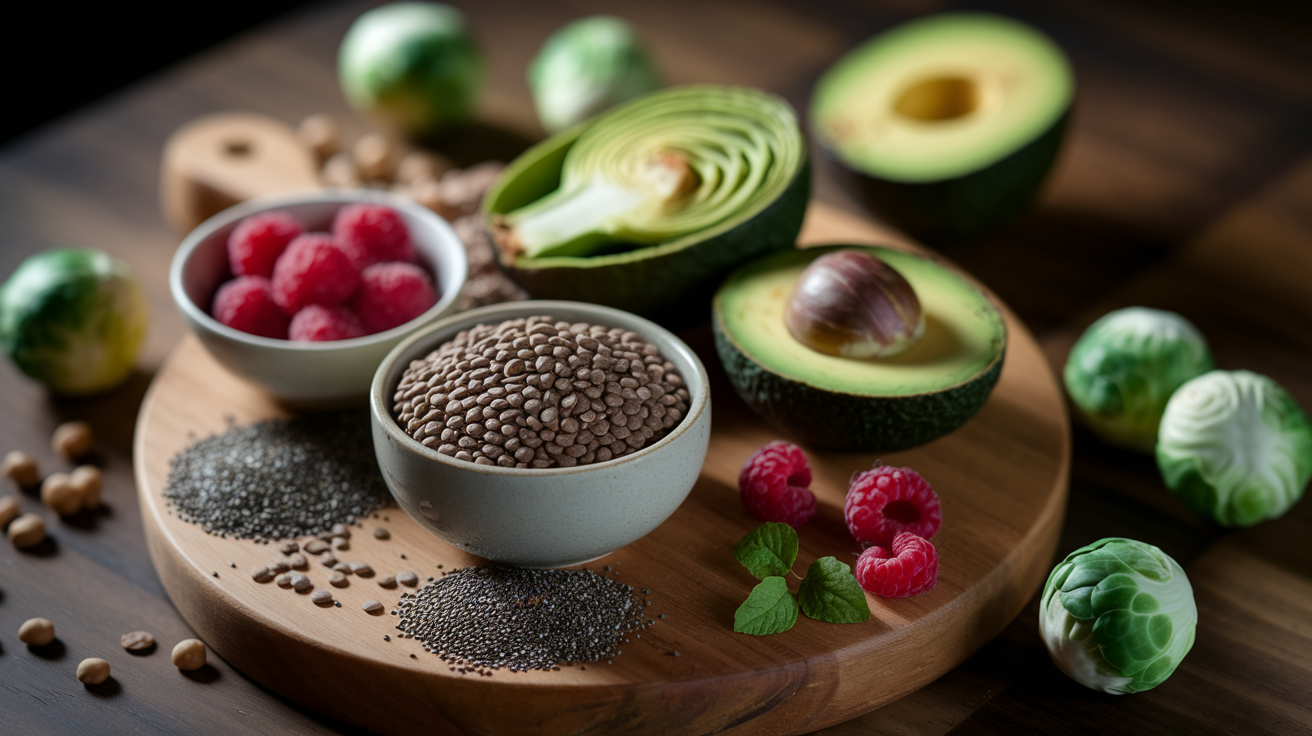
Eating more fiber is one of the best moves you can make for your digestion, your gut bacteria, and pretty much everything downstream from there. The foods below pack serious fiber per serving, so you can hit your daily goals without overthinking it.
- Lentils (1/2 cup cooked) ≈7.8 g
- Split peas (1/2 cup cooked) ≈8.2 g
- Chickpeas (1/2 cup cooked) ≈6.2 g
- Black beans (1/2 cup cooked) ≈5.7 g
- Artichoke (1 cup cooked) ≈9.6 g
- Avocado (1 medium whole) ≈10 g
- Chia seeds (1 tablespoon) ≈4.1 g
- Raspberries (1 cup fresh) ≈3.3 g
- Brussels sprouts (1 cup cooked) ≈6.4 g
- Pears (1/2 large with skin) ≈2.9 g
These aren’t just filler. They feed your microbiome, produce short‑chain fatty acids that protect your colon lining, and create the kind of environment where your gut actually works the way it should. Toss one or two of these into your day and you’ll feel the shift pretty quickly.
Soluble and Insoluble Fiber Explained

Fiber isn’t one thing. There are two main types, and each does something different.
Soluble fiber dissolves in water and turns into a gel in your stomach and colon. It slows digestion, smooths out blood sugar spikes, and keeps you full longer. Your gut bacteria also love it, turning it into butyrate and other compounds that keep your colon healthy.
Insoluble fiber doesn’t dissolve. It moves through mostly intact, adds bulk to stool, and keeps everything moving. This is the type that prevents constipation and keeps transit time steady.
- Soluble fiber sources: oats, lentils, beans, apples, chia seeds
- Insoluble fiber sources: whole‑wheat products, carrots, broccoli, nuts, seeds with skins
- Soluble benefits: blood sugar control, cholesterol support, microbiome fuel
- Insoluble benefits: stool bulk, regularity, faster colon clearance
Most whole plant foods have both types. You don’t need to separate them in your head or track them individually. Eat a variety of fiber‑rich foods and you’ll cover both without thinking about it.
How Fiber Supports Gut Health
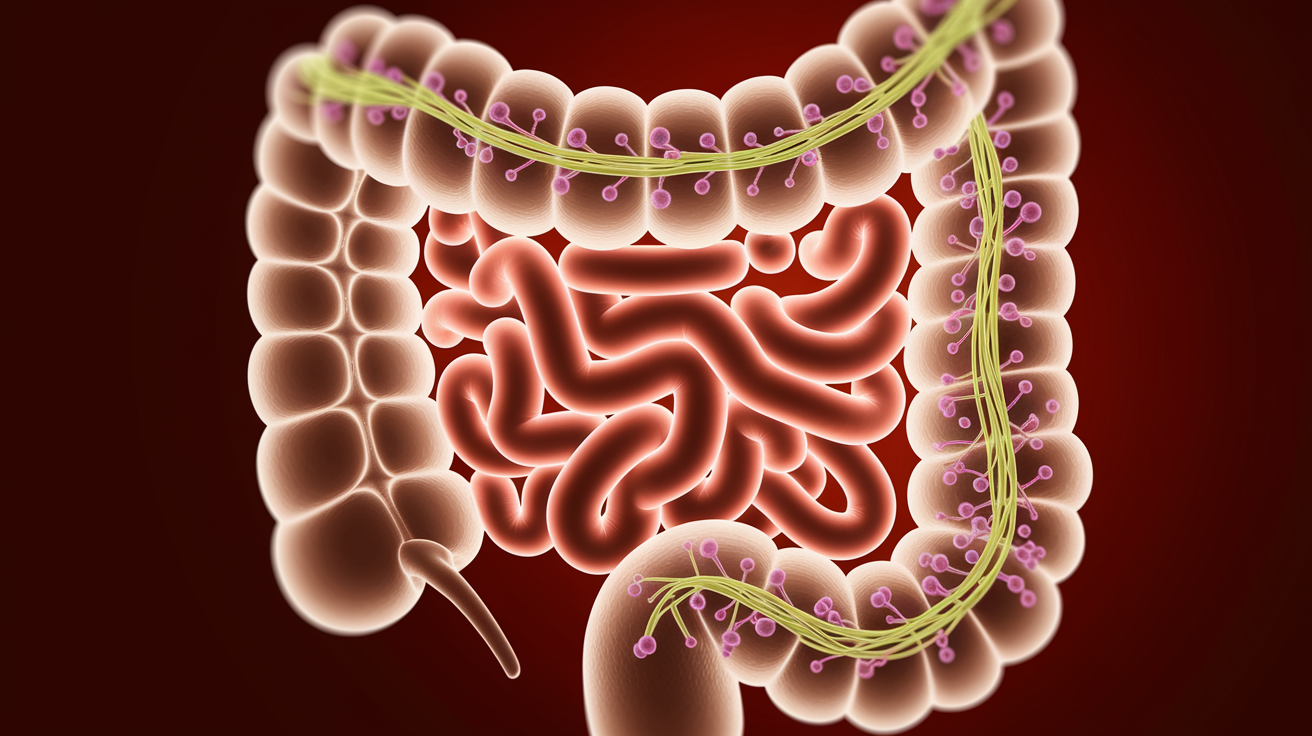
When fiber hits your colon, beneficial bacteria ferment it and release short‑chain fatty acids, especially butyrate. Butyrate fuels the cells lining your colon, reduces inflammation, and strengthens the gut barrier. Without enough fiber, those cells don’t get what they need, and your gut barrier can start to weaken.
Fiber also builds microbiome diversity. A diverse microbiome handles stress better, adapts to diet changes faster, and fights off occasional infections more effectively. Feeding your gut bacteria different types of fiber from legumes, vegetables, fruits, and whole grains encourages a wider population of species, each producing different metabolites that support immunity, mood, and digestion.
Higher fiber intake is linked to less gut inflammation and more consistent stool. Soluble fiber keeps things moving without rushing them. Insoluble fiber sweeps out waste and prevents the sluggishness that leads to bloating and discomfort. Together, these make fiber one of the most evidence‑backed tools for digestive health. No supplement or expensive probiotic needed.
High‑Fiber Food Categories

Most fiber‑rich foods fall into a few broad groups. Knowing which category delivers what makes it easier to build meals that hit your targets without eating the same thing every day.
Fruits
Fruits with edible skins and seeds tend to deliver the most fiber. A medium apple with skin gives you 3 to 4 grams. A cup of raspberries provides 3.3 grams. Pears, especially with the skin on, are another easy win. Half of a large pear adds nearly 3 grams.
Vegetables
Cooked Brussels sprouts, artichokes, and sweet potatoes are standout options. One cup of cooked Brussels sprouts delivers 6.4 grams. A single cooked artichoke can reach nearly 10 grams. Raw carrots, broccoli, and beets all add 2 to 3 grams per serving and are easy to prep ahead.
Legumes
Lentils, chickpeas, black beans, and split peas consistently deliver 5 to 8 grams per half‑cup cooked. They’re also rich in protein, making them one of the most efficient foods for gut health and satiety at the same time.
Whole Grains
Oats, quinoa, barley, and whole‑wheat products all contain 3 to 8 grams per serving. A cup of cooked quinoa gives you 8 grams. A half‑cup of oat bran reaches 10 grams. These grains are also sources of soluble fiber, particularly beta‑glucan in oats.
Nuts and Seeds
Almonds, chia seeds, flax seeds, and pumpkin seeds pack 3 to 4 grams per ounce or tablespoon. They’re calorie‑dense, so portions matter. But they’re convenient to sprinkle on salads, yogurt, or oatmeal without much effort.
Daily Fiber Targets and How to Reach Them
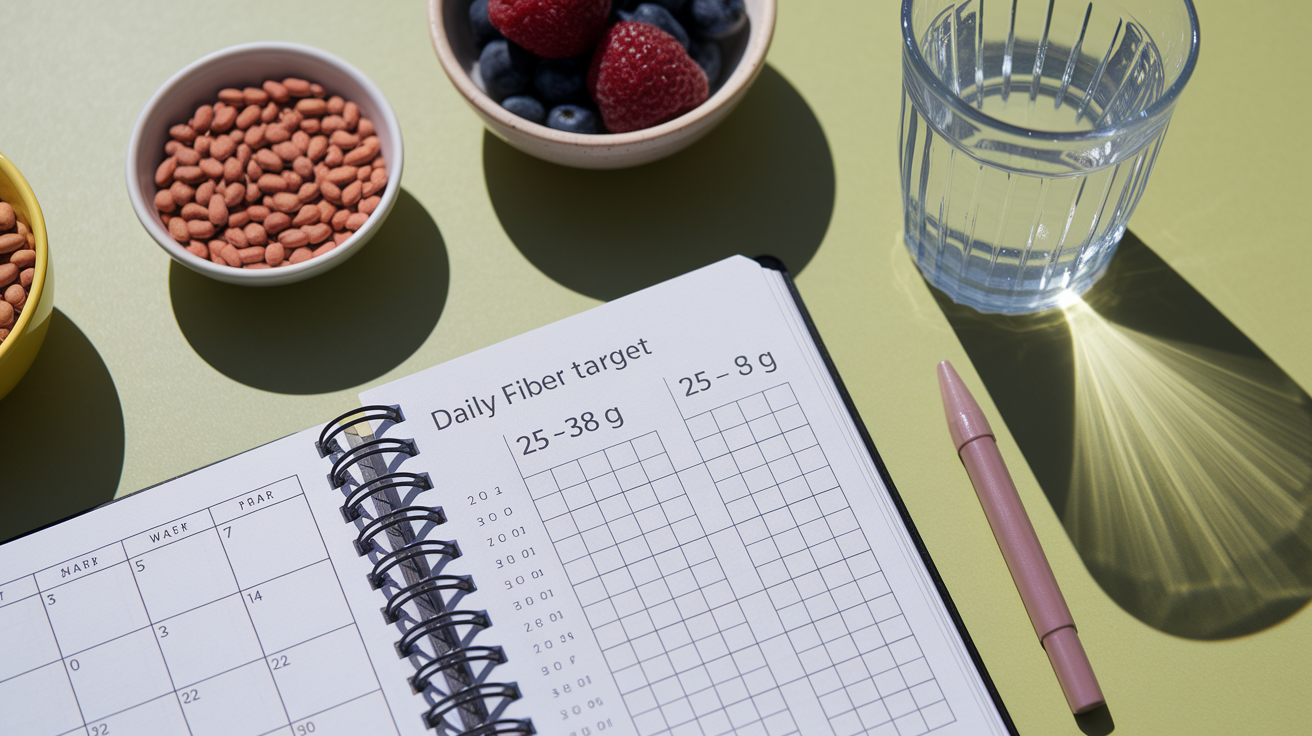
Most adults need between 25 and 38 grams of fiber per day, depending on age and sex. The average American eats about 15 grams. That’s roughly half the recommended amount. Closing that gap doesn’t require drastic changes. Adding one serving of legumes, swapping white rice for brown, and keeping fruit on hand will often get you there.
Women ages 19 to 50 should aim for 25 to 28 grams per day. Men in the same age range need 31 to 34 grams. After age 50, targets drop slightly to 22 grams for women and 28 grams for men, reflecting lower calorie needs. Children’s needs vary, but most fall between 15 and 25 grams depending on age.
| Age/Sex Group | Recommended Daily Fiber (grams) |
|---|---|
| Men ages 19–50 | 31–34 |
| Women ages 19–50 | 25–28 |
| Men over 50 | 28 |
| Women over 50 | 22 |
Easy High‑Fiber Meal and Snack Ideas

You don’t need elaborate recipes to hit your fiber targets. Simple combinations of whole foods do most of the work. You can prep many of these in batches.
- Berry‑oat breakfast bowl: 1/2 cup cooked oats (≈5 g) + 1 cup mixed berries (≈4 g) + 1 tablespoon chia seeds (≈4 g) = ≈13 g
- Lentil salad: 1 cup cooked lentils (≈15 g) + shredded carrots + 1 tablespoon sunflower seeds (≈1 g) + mixed greens (≈1 g) = ≈17 g
- Whole‑grain bowl: 1/2 cup cooked quinoa (≈4 g) + 1 cup roasted Brussels sprouts (≈6 g) + 1/4 avocado (≈2.5 g) = ≈12.5 g
- Hummus and veggie plate: sliced carrots, red bell pepper, cucumber (≈3 g total) + 2 tablespoons hummus (≈2 g) = ≈5 g
- Baked potato with toppings: 1 medium baked potato with skin (≈4 g) + 1/2 cup steamed broccoli (≈2.5 g) + 1 tablespoon flax seeds (≈3 g) = ≈9.5 g
- Apple and almond snack: 1 medium apple (≈4 g) + 1 ounce almonds (≈3.5 g) = ≈7.5 g
- Black bean tacos: 1/2 cup black beans (≈5.7 g) + whole‑wheat tortilla (≈3 g) + diced vegetables (≈2 g) = ≈10.7 g
- Popcorn snack: 3 cups air‑popped popcorn (≈5.8 g)
Tips for Increasing Fiber Safely
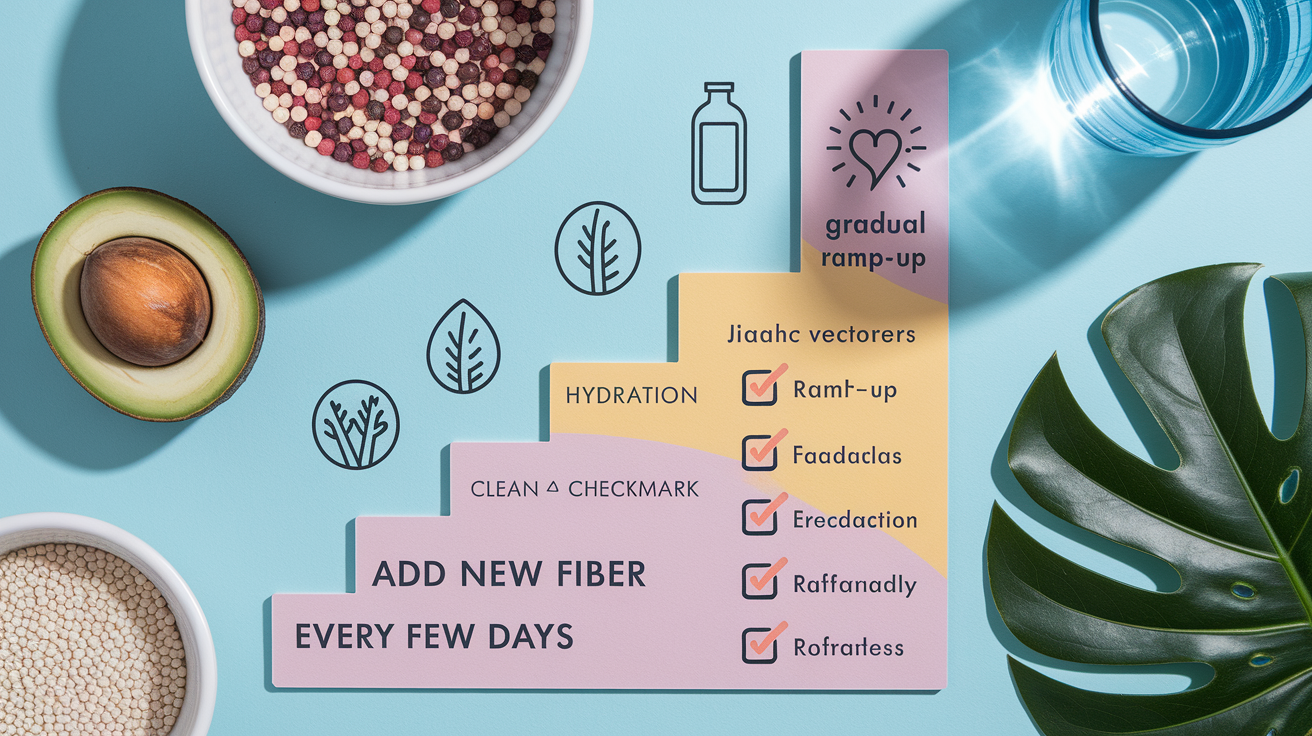
Adding fiber too quickly is the most common mistake. If your gut isn’t used to high‑fiber foods, a sudden jump can cause gas, bloating, and even constipation. Increase fiber gradually. Add one new fiber‑rich food every few days instead of overhauling your entire diet in one weekend.
Drink more water. Fiber absorbs water to do its job. Without enough hydration, fiber can sit in your gut and cause discomfort rather than moving things along smoothly. Aim for at least eight cups of water daily when you’re increasing fiber intake.
- Add one serving of legumes to one meal per day rather than three servings at once
- Pair higher fiber with consistent hydration throughout the day
- Keep fruit and vegetable skins on whenever possible for extra insoluble fiber
- Choose whole grains over refined grains one meal at a time
- If bloating occurs, slow down the pace and let your gut adapt before adding more
Final Words
Pick one practical swap today: add a cup of lentils, a spoon of chia, or a bowl of raspberries to a meal. The post gave a top‑10 list with fiber grams, explained soluble vs insoluble fiber, showed how fiber feeds your gut microbiome and makes short‑chain fatty acids, and covered food categories, daily targets, meal ideas, and safe ways to increase fiber.
Use high fiber foods for gut health to steady digestion and energy. Small changes stack up—you’ll notice the difference.
FAQ
Q: What fiber is best for gut health?
A: The best fiber for gut health is a mix of soluble and insoluble fibers, plus prebiotic fibers like inulin and resistant starch — they feed good bacteria and support regular bowel habits.
Q: What are high fiber foods for your gut?
A: High-fiber foods for your gut include lentils (1 cup ≈15g), black beans (1 cup ≈15g), chia seeds (2 tbsp ≈10g), raspberries (1 cup ≈8g), and artichoke (1 medium ≈10g).
Q: What are the 7 signs of an unhealthy gut?
A: The seven signs of an unhealthy gut are bloating, frequent gas, irregular bowel movements (constipation or diarrhea), tummy pain, persistent fatigue, new food intolerances, and skin issues like acne or eczema.
Q: Can increasing fiber lower A1C?
A: Increasing fiber can lower A1C by slowing carb absorption and improving insulin response; soluble fiber from oats, legumes, and whole grains helps most, though results are gradual and vary by person.