

Can a handful of well-chosen supplements actually calm an inflamed gut?
Gut inflammation affects 60 to 70 million people in the U.S. and drives about 12.7 million emergency visits every year.
Whole-foods are the base, but when inflammation keeps coming back, targeted supplements can bridge the gap and ease bloating, cramping, and irregular bowel patterns.
This guide walks you through the top science-backed options, why they work, and the first practical steps to try today.
Key Supplements That Reduce Gut Inflammation: Your Featured Evidence-Based Overview
Gut inflammation affects 60 to 70 million people in the U.S. and drives 12.7 million emergency department visits every year. More than half of American adults use at least one supplement, according to 2018 CDC data. For people dealing with chronic digestive discomfort, supplements can offer targeted relief for bloating, cramping, and irregular bowel patterns that signal ongoing inflammation in the gut lining.
This guide focuses on supplements studied specifically for anti-inflammatory and gut-lining support properties. Whole-food nutrition stays the foundation of gut health. But certain supplements can help bridge the gap when inflammation persists, especially if you’re dealing with diagnosed digestive conditions, food intolerances, or a compromised gut barrier.
The top supplements for gut inflammation fall into a few core categories:
- L-Glutamine supports gut lining integrity.
- Zinc Carnosine supports mucosal repair.
- Probiotics help balance gut microbiota.
- Prebiotics nourish beneficial bacteria.
- Digestive Enzymes assist nutrient breakdown.
- Aloe Vera Extract provides soothing support for gut tissue.
Probiotics and Microbiome-Support Supplements for Gut Inflammation Relief
Probiotics are live microorganisms, bacteria and yeasts, that support digestion, immune function, and even certain hormone production. The key is understanding that benefits are strain-specific. Lactobacillus acidophilus doesn’t do the same thing as Saccharomyces boulardii.
Research shows some strains can reduce symptoms in irritable bowel syndrome (IBS) and prevent or treat diarrhea triggered by antibiotics. Look for products labeled with “live active cultures” and aim for consistent use. Probiotics deliver their benefits over time, not overnight.
Common strains with anti-inflammatory potential include Lactobacillus, Bifidobacterium, Saccharomyces, Enterococcus, Streptococcus, and Bacillus. Multi-strain formulations may offer broader support. But if you’re targeting a specific issue like antibiotic-related disruption or IBS cramping, a single-strain supplement backed by clinical data can be a smarter starting point.
| Strain | Primary Benefit |
|---|---|
| Lactobacillus rhamnosus GG | Reduces antibiotic-associated diarrhea and supports gut barrier |
| Bifidobacterium longum | Lowers inflammatory markers and improves IBS symptoms |
| Saccharomyces boulardii | Supports recovery from infectious diarrhea and C. difficile |
| Lactobacillus plantarum | Enhances gut barrier function and reduces bloating |
CFU counts (colony-forming units) matter, but more isn’t always better. Many effective probiotic studies use formulas in the range of 10 to 30 billion CFU per dose. Third-party testing helps confirm that what’s on the label matches what’s in the capsule, and that the strains are alive at the time of purchase.
Amino Acids and Gut-Lining Repair Nutrients for Inflammation Recovery
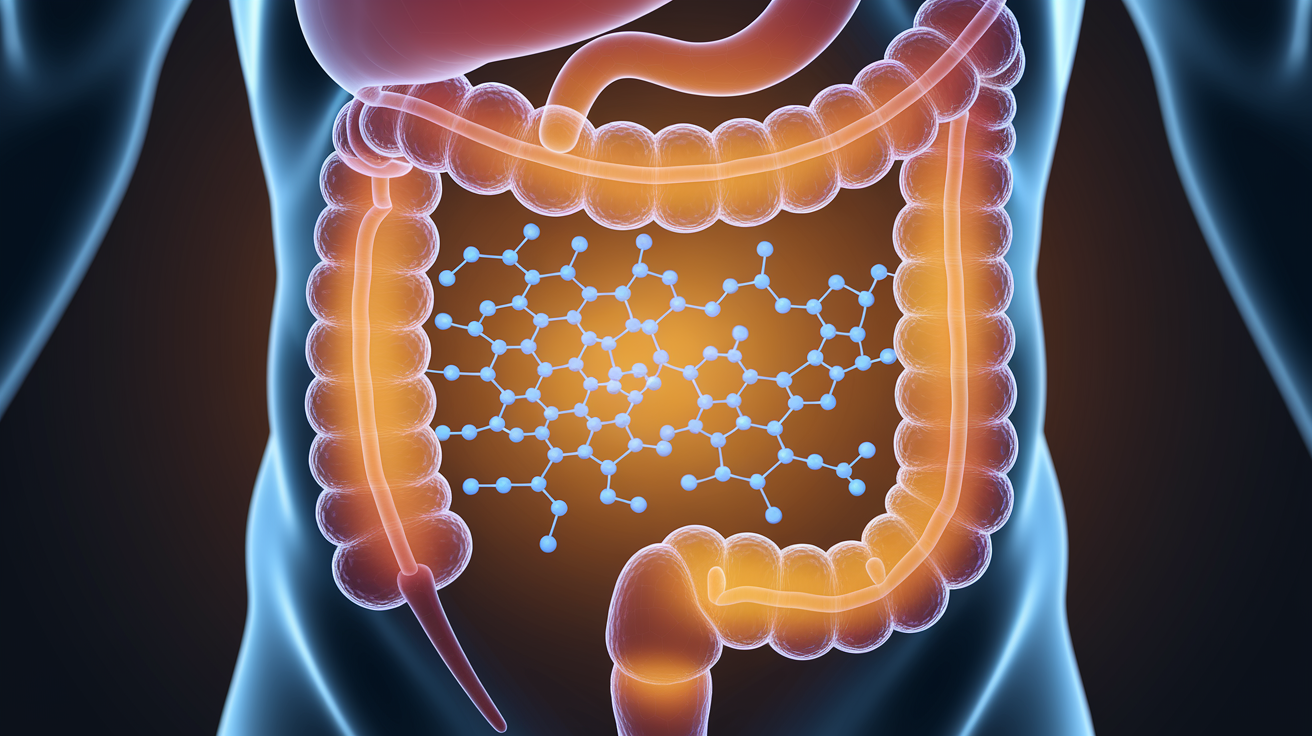
Your gut lining renews itself every few days. That repair process depends on specific building blocks. L-glutamine is the primary fuel for enterocytes, the cells that line your small intestine. When inflammation is high or you’re under stress, glutamine demand spikes.
N-acetyl glucosamine (NAG) provides structural support to the mucus layer that protects your intestinal wall. It’s a precursor to glycosaminoglycans, which are part of the mucosal barrier. In functional medicine protocols, NAG is often paired with L-glutamine to support both the structural and fuel sides of gut repair.
Collagen and butyrate also contribute to gut barrier integrity. Collagen supplies amino acids like glycine and proline that stabilize tight junctions between gut cells. Butyrate, a short-chain fatty acid produced when fiber ferments in your colon, fuels colonocytes and helps regulate immune responses.
Key nutrients for mucosal healing and tight-junction support:
- L-glutamine: typically 15 to 45 grams per day in divided doses for at least five days, though some protocols use lower maintenance doses long term.
- N-acetyl glucosamine: often included in gut-repair powders at 1 to 3 grams per day.
- Butyrate: supplemental forms deliver 500 to 1,200 mg daily, often in enteric-coated capsules to reach the colon.
- Collagen peptides: 10 to 20 grams daily, mixed into liquids or smoothies.
Herbal Anti-Inflammatory Supplements That Calm the Gut Lining
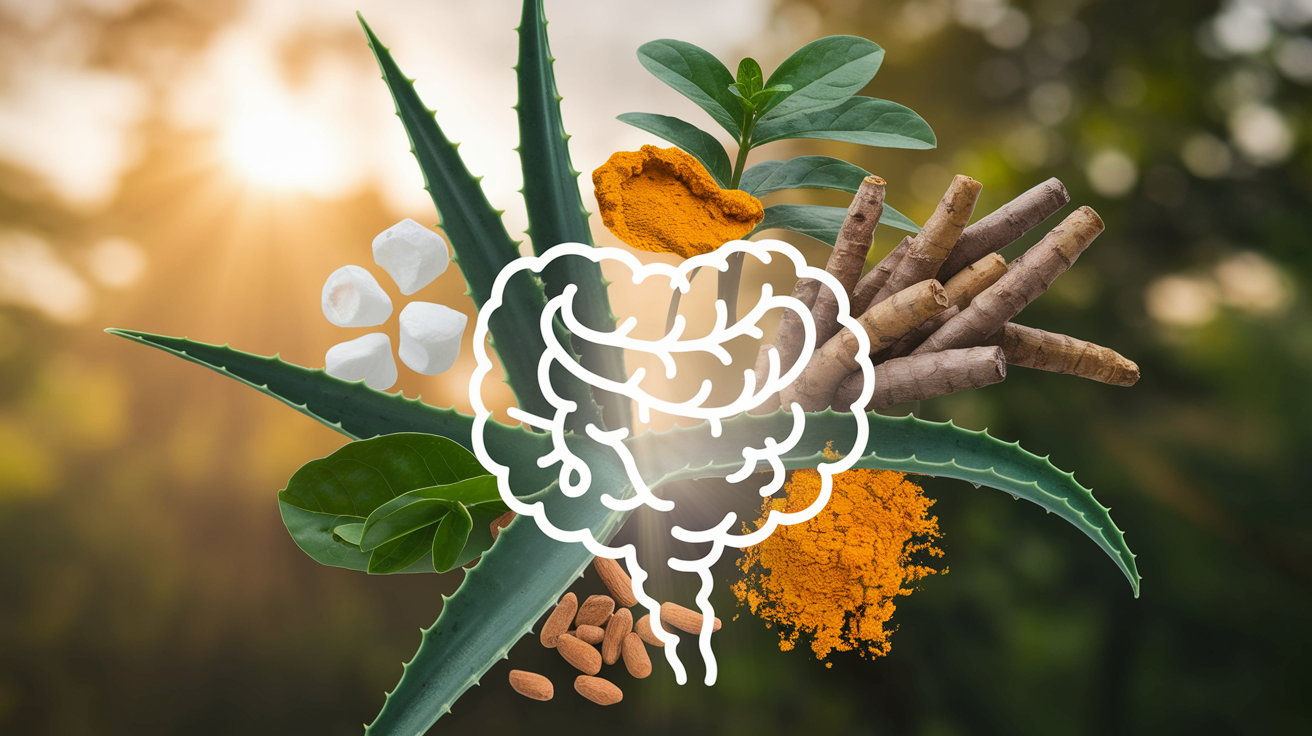
Botanical extracts have been used for digestive complaints for centuries. Some now have clinical trial data to back them up. Aloe vera extract, the purified, aloin-free form, showed improvement in 93% of participants in one study, compared to 47% in the placebo group. Other randomized controlled trials have confirmed statistically significant symptom relief across multiple measures when people used 50 to 60 ml of aloe two to four times per day.
Deglycyrrhizinated licorice (DGL) is licorice root with the glycyrrhizin removed to avoid blood pressure issues. A 100-person study found that a supplement containing DGL was 73.2% more effective than placebo. Another trial of 120 people compared standard therapy alone to standard therapy plus licorice. 83.3% of the licorice group improved versus 62.5% on standard treatment alone. DGL is typically taken as a lozenge or liquid, 760 to 1,520 mg between or before meals, because mixing with saliva may boost mucosal cell response.
Marshmallow root (Althaea officinalis) contains mucilage that coats irritated membranes in both the respiratory and digestive tracts. The usual dose is 6 grams per day, split into smaller amounts. It’s often combined with slippery elm in formulas designed to soothe reflux, gastritis, or inflammatory bowel conditions.
Additional Anti-Inflammatory Botanicals
Curcumin, the active compound in turmeric, modulates inflammatory pathways and offers antioxidant protection. Absorption is low on its own, so look for formulations with black pepper extract (piperine) or liposomal delivery. Boswellia serrata (frankincense) inhibits 5-lipoxygenase, an enzyme involved in inflammatory responses, and has been studied in ulcerative colitis protocols. Quercetin, a flavonoid found in onions and apples, stabilizes mast cells and reduces histamine release. That can help with food-sensitivity-related gut inflammation.
Digestive Enzymes and Inflammation-Targeting Enzyme Formulas
Digestive enzymes break down proteins, fats, and carbohydrates before they reach the colon, reducing fermentation and the resulting gas, bloating, and immune activation. When food particles aren’t fully digested in the stomach and small intestine, gut bacteria ferment them, producing gas and triggering low-grade inflammation.
Over-the-counter enzyme formulas often include lactase for lactose, alpha-galactosidase for galacto-oligosaccharides (GOS), and fructan hydrolase for fructans. These can be especially helpful if you react to multiple FODMAP categories but don’t want to follow a restrictive elimination diet long term. Powders mix directly with food and act immediately. Capsules release enzymes as the meal moves through your stomach.
Prescription pancreatic enzymes are used for exocrine pancreatic insufficiency (EPI) and cystic fibrosis, conditions where the pancreas doesn’t produce enough natural enzymes to digest fats and proteins. These are taken with every meal and snack.
Key enzyme categories for inflammation reduction:
- Protease breaks down proteins into amino acids, reducing large peptide fragments that can irritate the gut lining.
- Lipase digests fats, preventing malabsorption and the inflammatory cascade that undigested fats can trigger.
- Alpha-galactosidase targets beans, lentils, and cruciferous vegetables that produce gas during fermentation.
Bromelain, a proteolytic enzyme derived from pineapple, has its own anti-inflammatory properties beyond digestion. It’s sometimes included in enzyme blends or taken separately to support post-injury or post-surgical recovery in the gut.
Short-Chain Fatty Acids, Butyrate, and Microbial Metabolites for Lower GI Inflammation
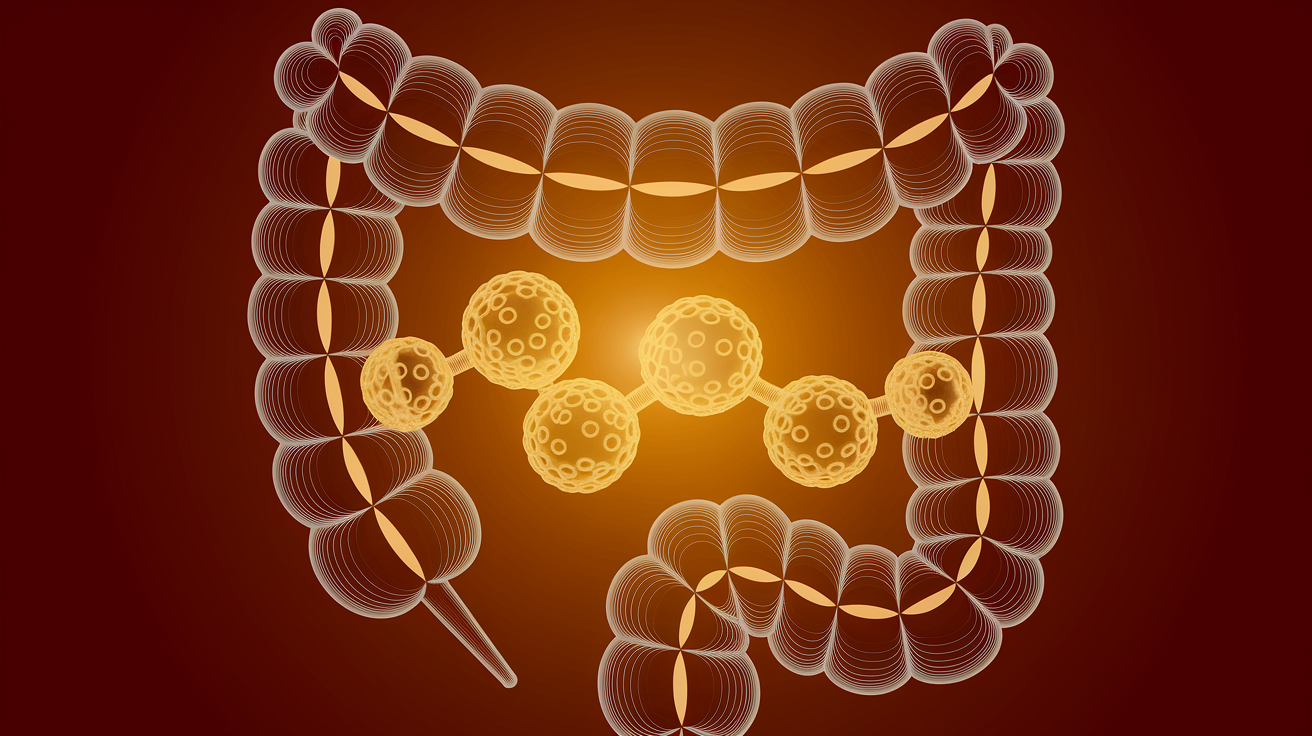
Short-chain fatty acids (SCFAs) are produced when your gut bacteria ferment fiber and resistant starch. The three main SCFAs, butyrate, acetate, and propionate, enter your bloodstream and influence inflammation, gut barrier strength, and even immune cell behavior throughout your body.
Butyrate is the preferred fuel for colonocytes, the cells lining your colon. When butyrate levels drop, the colon lining becomes more permeable and inflammation rises. Supplemental sodium butyrate or calcium-magnesium butyrate delivers this fatty acid directly to the colon, especially helpful if your diet is low in fiber or your microbiome isn’t producing enough on its own.
Prebiotic fibers like inulin, fructooligosaccharides (FOS), and resistant starch feed the bacteria that make butyrate. Starting at around 3 grams per day and working up to 5 grams can boost SCFA production without triggering excess gas. Foods like cooked-then-cooled potatoes, green bananas, and oats provide resistant starch naturally. But powdered supplements offer a more controlled dose if your gut is sensitive. This synergy between prebiotics and microbial fermentation is one of the most effective long-term strategies for reducing lower-GI inflammation.
Featured Supplements Supported by Functional Medicine Testing
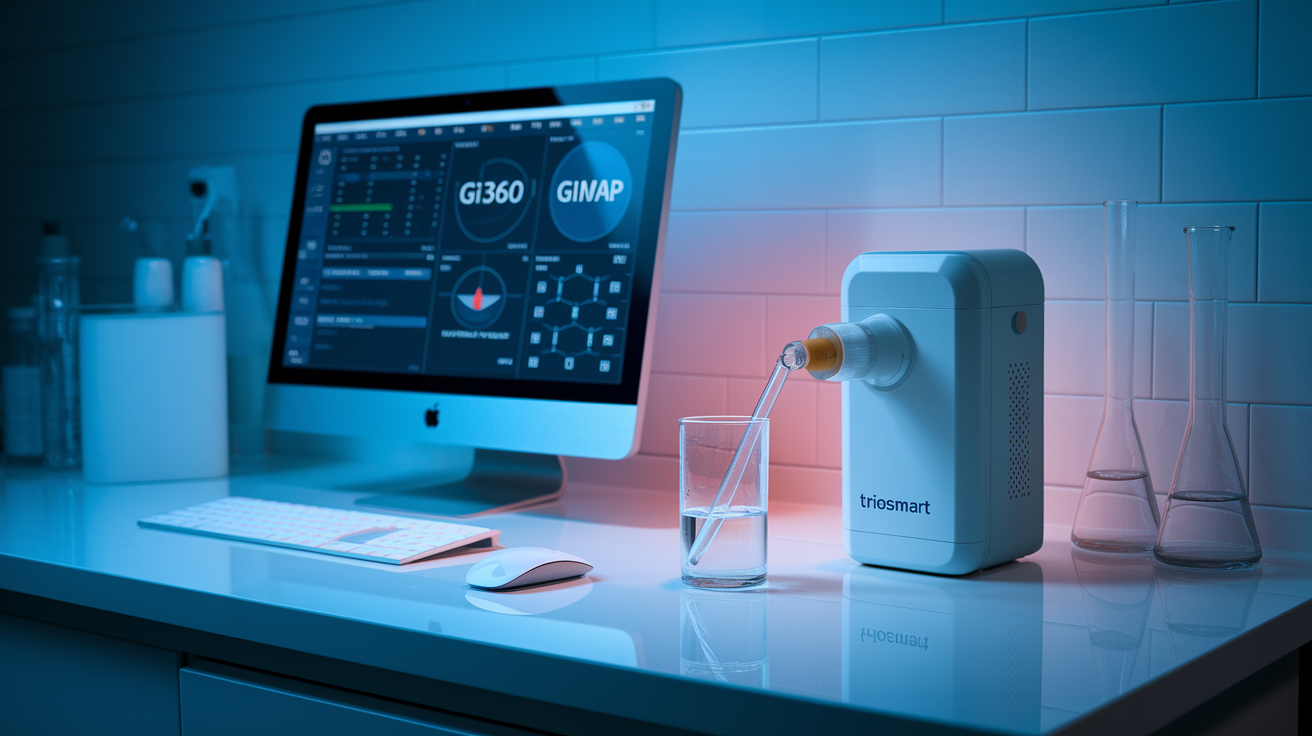
Functional medicine labs help take the guesswork out of supplement selection by identifying where inflammation is highest, which microbes are out of balance, and whether your gut is producing enough digestive support on its own.
The GI360 from Doctor’s Data is a comprehensive stool test that measures digestion markers, inflammation markers, microbiome composition, and levels of beneficial and harmful microbes. It uses multiplex PCR, MALDI-TOF mass spectrometry, and microscopy to detect parasites, assess SCFA production, and evaluate immune activation in the gut.
The GI-MAP from Diagnostic Solutions uses quantitative PCR to detect bacteria, parasites, and fungi with high sensitivity. It includes an optional zonulin add-on, which measures a protein associated with intestinal permeability (leaky gut). Elevated zonulin suggests tight junctions are compromised, making a protocol with L-glutamine, zinc carnosine, and probiotics more relevant.
The Triosmart SIBO breath test measures hydrogen, methane, and hydrogen sulfide gases produced by bacteria in the small intestine. Small intestine bacterial overgrowth (SIBO) is a common driver of bloating, diarrhea, and nutrient malabsorption. Confirming SIBO shifts your supplement strategy toward antimicrobial herbs, prokinetic agents, and targeted enzymes rather than general probiotics.
| Test | What It Measures | How It Guides Supplement Selection |
|---|---|---|
| GI360 | Microbiome composition, inflammation markers, SCFA levels, pathogens | Identifies low butyrate (add butyrate or prebiotics), high inflammation (add L-glutamine, zinc carnosine), dysbiosis (specific probiotic strains) |
| GI-MAP with Zonulin | qPCR bacterial/fungal/parasite panel, zonulin (leaky gut marker) | Elevated zonulin supports use of gut-barrier nutrients (glutamine, NAG, collagen); pathogen presence guides antimicrobial herbs |
| Triosmart SIBO Breath Test | Hydrogen, methane, hydrogen sulfide from small intestine bacteria | Positive SIBO directs toward enzymes, antimicrobials, and motility support rather than standard probiotics |
Testing reduces trial and error. If calprotectin or lactoferrin is elevated on a stool panel, it confirms active inflammation and makes anti-inflammatory herbs and amino acids a priority. If beneficial bacteria like Akkermansia or Faecalibacterium are low, targeted prebiotics and polyphenol-rich supplements become more relevant.
How to Choose High-Quality Supplements for Gut Inflammation
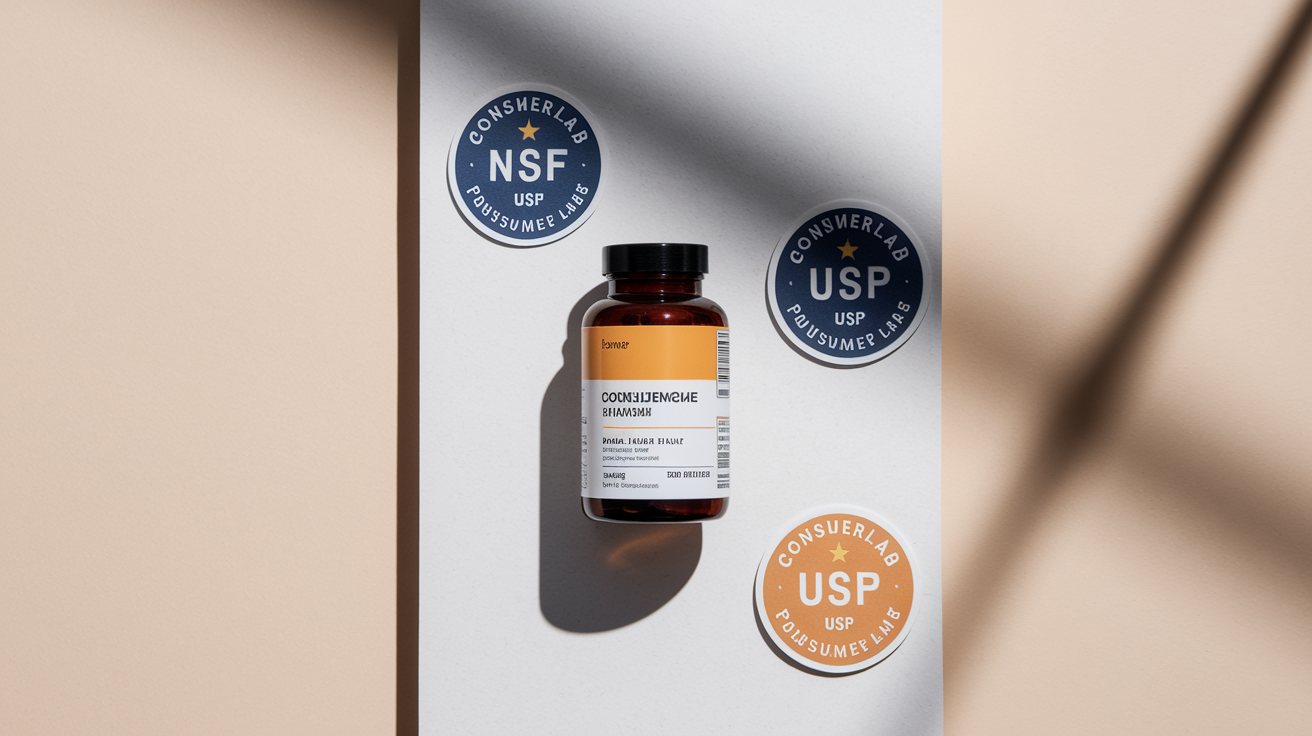
Supplements are regulated under the Dietary Supplement Health and Education Act (DSHEA), which means manufacturers aren’t required to prove safety or effectiveness before selling a product. That puts the burden on you to choose carefully.
Third-party testing is the most reliable quality check. Look for seals from NSF International, USP (United States Pharmacopeia), or ConsumerLab. These organizations verify that what’s listed on the label matches what’s in the bottle and that the product is free from contaminants like heavy metals, pesticides, and microbial contamination.
Read the ingredient list, not just the front label. Fillers, binders, and artificial colors don’t serve your gut. If a probiotic lists “proprietary blend” without naming strains and CFU counts, move on. If an enzyme formula doesn’t specify activity units (like HUT for protease or FIP for lipase), you can’t assess potency.
Steps to evaluate supplement quality and safety:
- Check for third-party testing seals (NSF, USP, ConsumerLab) to confirm label accuracy and purity.
- Match the supplement to your primary symptom or test result. Lactase for lactose intolerance, L-glutamine for leaky gut, butyrate for low SCFA production.
- Verify clinical evidence for the specific ingredient and dose using resources like the NIH Office of Dietary Supplements fact sheets or PubMed.
- Review drug interactions with your healthcare provider, especially if you take immunosuppressants, blood thinners, or acid-blocking medications.
- Start with one supplement at a time and give it at least two weeks before adding another, so you can isolate benefit and identify any side effects.
Formulation matters. Enteric-coated capsules protect acid-sensitive ingredients like peppermint oil and butyrate from stomach acid. Powders allow flexible dosing and faster action for enzymes. Liquid probiotics may offer better viability for some strains, but capsules are more shelf-stable.
Combining Diet, Lifestyle, and a Supplement Plan for Gut Inflammation

Supplements work best when they’re paired with foundational dietary changes that remove inflammatory triggers and support your microbiome. Even the highest-quality L-glutamine won’t fix a leaky gut if you’re still eating industrial seed oils, high-fructose corn syrup, and glyphosate-treated wheat every day.
Start with an anti-inflammatory baseline. Whole foods, plenty of fiber from vegetables and fruits, omega-3-rich fish or algae, and fermented foods like yogurt, kefir, sauerkraut, and kimchi. Remove or reduce processed foods, excess sugar, and any known food sensitivities identified through elimination or IgG testing.
Keep a food-and-symptom journal for at least one week before starting supplements. Note meals, portion sizes, stress levels, bowel movements, and symptoms like bloating, cramping, fatigue, or brain fog. This log helps you identify patterns and track whether a supplement is actually making a difference.
Practical integration tips:
- Layer supplements gradually. Start with one foundational supplement like a probiotic or L-glutamine, use it consistently for two weeks, then add a second (like a prebiotic or digestive enzyme) once you’ve assessed tolerance and benefit.
- Time supplements strategically. Take enzymes with meals, probiotics on an empty stomach (or as directed on the label), and amino acids like L-glutamine between meals for gut-lining repair.
- Adjust based on response. If bloating increases with a prebiotic, lower the dose or switch to a different fiber type. If a probiotic causes gas, try a different strain or refrigerated formula.
Stress management and sleep matter. Chronic stress reduces digestive enzyme production, slows gut motility, and impairs your body’s natural repair mechanisms. Even five minutes of deep breathing before meals or a ten-minute walk after dinner can support parasympathetic (rest-and-digest) nervous system activation.
Expert FAQ on Supplements for Gut Inflammation
How much L-glutamine should I take for gut inflammation?
A small 2021 study found that 15 grams per day, combined with a low-FODMAP diet, produced greater symptom improvement in IBS than diet alone. Some protocols use 5 to 10 grams per day as a maintenance dose. Split the total into two or three doses throughout the day, and take it on an empty stomach for best absorption.
Can I take probiotics while on antibiotics?
Yes, but timing matters. Take the probiotic at least two hours away from your antibiotic dose to reduce the chance that the antibiotic kills the probiotic bacteria. Saccharomyces boulardii is a yeast-based probiotic that isn’t affected by antibiotics, making it a good choice during and after antibiotic treatment.
How long should I stay on a gut-inflammation supplement plan?
Most gut-repair protocols run 8 to 12 weeks, with reassessment at the end. If symptoms have improved and lab markers (like calprotectin or zonulin) have normalized, you can reduce or stop some supplements. Probiotics and prebiotics are often continued long term as maintenance. Amino acids and herbal anti-inflammatories are typically short-term interventions.
Is peppermint oil safe for everyone with gut inflammation?
Peppermint oil is effective for IBS-related pain and global symptoms, according to a 2019 study. But it can worsen acid reflux in some people. Use enteric-coated capsules if you have a history of heartburn, so the oil releases in the small intestine rather than the stomach.
What’s the best way to know if a supplement is actually working?
Track one or two clear symptoms. Bloating severity, bowel movement frequency, pain intensity. Track before you start and again after two weeks. If there’s no measurable change by week four, either the dose is too low, the supplement isn’t right for your type of inflammation, or you need to address diet or stress triggers first. Functional testing before and after a supplement protocol gives objective feedback on inflammation markers, microbiome shifts, and barrier integrity.
Final Words
Start by scanning the short executive list so you know the most useful options fast: L‑glutamine, zinc carnosine, probiotics, prebiotics, enzymes, and aloe—each with a one-line reason.
Next, the piece walks through probiotics and key strains, amino acids for lining repair, herbal calmers, enzyme support, SCFAs, testing to guide choices, and how to pick quality formulas and pair supplements with food and habits.
Use this featured supplement guide for gut inflammation as a quick reference while you test one small change at a time. You’ll see steady, practical wins.
FAQ
What are the best supplements for reducing gut inflammation?
The best supplements for reducing gut inflammation include L-glutamine (supports gut lining repair), zinc carnosine (aids mucosal healing), multi-strain probiotics (balance gut bacteria), targeted prebiotics (feed beneficial microbes), digestive enzymes (reduce fermentation stress), and aloe vera extract (soothes inflamed tissue).
Which probiotic strains help with gut inflammation the most?
Probiotic strains that help with gut inflammation the most include Lactobacillus rhamnosus (supports immune balance), Bifidobacterium longum (reduces intestinal permeability), and Saccharomyces boulardii (a beneficial yeast that calms inflammatory responses and supports microbial diversity in the gut).
How does L-glutamine help heal the gut lining?
L-glutamine helps heal the gut lining by fueling enterocytes (the cells that line your intestines), supporting tight junction integrity, and providing the raw material your gut needs to repair damaged mucosal tissue and reduce inflammation-related permeability.
What is butyrate and how does it reduce colon inflammation?
Butyrate is a short-chain fatty acid produced when gut bacteria ferment fiber. Butyrate reduces colon inflammation by fueling colonocytes, strengthening the gut barrier, regulating immune responses, and lowering oxidative stress in the lower GI tract.
Can digestive enzymes reduce inflammation in the gut?
Digestive enzymes can reduce inflammation in the gut by breaking down food more completely, which decreases fermentation byproducts, lowers gas and bloating, and reduces the immune activation that undigested proteins or carbohydrates can trigger in sensitive individuals.
What herbal supplements are effective for calming gut inflammation?
Herbal supplements effective for calming gut inflammation include curcumin (turmeric extract with strong anti-inflammatory properties), boswellia serrata (modulates immune pathways), quercetin (reduces oxidative stress), slippery elm (coats mucosa), and marshmallow root (soothes irritated tissue).
How do I know if I need supplements for gut inflammation?
You may need supplements for gut inflammation if you experience persistent bloating, cramping, irregular stools, food sensitivities, or fatigue despite dietary changes. Functional stool tests measuring calprotectin, zonulin, or dysbiosis markers can confirm inflammation and guide supplement selection.
What should I look for when choosing a quality gut health supplement?
When choosing a quality gut health supplement, look for third-party testing seals (USP, NSF, ConsumerLab), clearly listed active ingredients with dosages, absence of unnecessary fillers, and products stored properly (especially probiotics requiring refrigeration).
How long does it take for gut inflammation supplements to work?
Gut inflammation supplements typically take two to six weeks to show noticeable symptom improvement. Mucosal repair nutrients like L-glutamine and zinc carnosine may work within days, while probiotics and herbal anti-inflammatories often require consistent use for sustained benefits.
Should I take probiotics with or without antibiotics?
You should take probiotics at least two hours apart from antibiotics to prevent the antibiotic from killing the beneficial bacteria. Continue probiotics during and for several weeks after antibiotic treatment to support microbiome recovery and reduce inflammation risk.
Can I combine multiple gut inflammation supplements safely?
You can combine multiple gut inflammation supplements safely when introducing them one at a time, spacing doses throughout the day, and checking for medication interactions. Start with foundational options like probiotics and L-glutamine before adding herbals or enzymes.
What foods should I eat alongside gut inflammation supplements?
Foods to eat alongside gut inflammation supplements include fiber-rich vegetables (feed beneficial bacteria), fermented foods like yogurt and sauerkraut (support probiotic action), bone broth (provides collagen and glutamine), and omega-3-rich fish (reduce systemic inflammation).
When should I stop taking gut inflammation supplements?
You should stop taking gut inflammation supplements if symptoms resolve and remain stable for several weeks, or if you experience side effects or no improvement after six to eight weeks. Maintain foundational dietary habits and reintroduce supplements only if symptoms return.