


Want energy for your workout without bloating, cramping, or a surprise bathroom sprint?
If you have IBS (irritable bowel syndrome), picking a pre-workout snack can feel risky.
But you don’t need to gamble on every session.
This post gives simple rules – think low-fiber, low-FODMAP (minimal fermentable carbs), and very small amounts of fat or protein – plus quick, portable snack ideas and timing tips.
Follow these steps and you’ll get steady energy without the gut drama, whether you’re running, lifting, or squeezing in a quick home workout.
Immediate IBS‑Friendly Pre‑Workout Ideas That Work Fast

An “easy” snack for IBS isn’t just about prep time. It’s got to be gentle on your gut, digest fast, and not turn into gas, cramping, or a mid-workout bathroom emergency. The best choices are low-fiber, low-FODMAP carbs that give you quick energy without sitting in your stomach or fermenting in your colon.
These snacks work because they’re built around ingredients that absorb quickly. White rice, bananas that aren’t quite ripe, lactose-free dairy. They give you usable fuel without the gas-producing stuff that causes trouble. Think of it as premium gasoline for your gut—clean, efficient, doesn’t clog the engine.
When you eat one of these 30 to 90 minutes before your session, you’re giving your body time to move the food out of your stomach and into your small intestine, where absorption happens without the bacterial fermentation that triggers symptoms. Result? Steady energy, calm gut.
Quick, No-Prep IBS-Friendly Pre-Workout Snacks:
- 1 or 2 plain rice cakes with 1 tablespoon natural peanut butter
- 150 g lactose-free plain yogurt with a drizzle of maple syrup
- 1 firm banana (not fully ripe)
- 1 single-serving microwaveable rice porridge cup
- 1 small plain baked potato, cooled slightly, eaten with a pinch of salt
- 200 mL low-FODMAP sports drink (check the label for polyols)
- 20 to 30 g glucose or dextrose dissolved in 250 mL water
- ½ cup plain white rice with 1 teaspoon maple syrup
Understanding Macronutrient Needs Before a Workout With IBS

Your pre-workout fuel needs to balance three things: enough carbs to power your muscles, a modest amount of protein for recovery and satiety, and very little fat or fiber to keep digestion moving smoothly. For most people with IBS, somewhere around 20 to 40 grams of carbs in a snack eaten 30 to 60 minutes before exercise hits the sweet spot. If you’re eating an hour or more out, adding 10 to 20 grams of lean protein can help stabilize energy without slowing gastric emptying too much.
Fat is where a lot of people mess up. Even small amounts (above about 10 grams) slow the rate at which food leaves your stomach. That increases the chance of sloshing, nausea, or that heavy feeling mid-workout. Fiber works the same way. While it’s great for overall gut health, a big dose of insoluble fiber right before exercise can create bulk and gas at exactly the wrong time. Keep your pre-workout choices low in both, especially if your session involves running, jumping, or any movement that jostles your digestive tract.
The other hidden trap? Fermentable carbohydrate load. High-FODMAP foods (even if they’re low in fat and fiber) can ferment rapidly in your gut, producing gas and cramping before you’ve finished your warm-up. Choosing low-FODMAP carbs, moderate protein, and minimal fat creates the cleanest, fastest-digesting fuel package your gut can handle.
Five Common Macronutrient Mistakes to Avoid:
- Eating more than 10 grams of fat within 90 minutes of your workout
- Choosing high-fiber whole grains or legumes immediately before exercise
- Overloading protein (more than 20 to 25 grams) in a quick pre-workout snack
- Combining multiple high-FODMAP carbs in one sitting (like apple plus honey plus wheat bread)
- Skipping carbs entirely for workouts longer than 45 minutes
Low‑FODMAP Pre‑Workout Food Options for Sensitive Digestion

Once you understand the macronutrient framework, the next step is knowing which specific foods fit inside it. Low-FODMAP choices give you the carbs, protein, and small amounts of fat you need without the fermentation triggers that cause bloating, urgency, and cramping. These foods have been tested for their FODMAP content and portion limits, so you can fuel confidently.
Carb Sources
White rice is one of the most reliable pre-workout carbs for IBS. It digests quickly, provides steady glucose, contains almost no fermentable material. Rice cakes work the same way and travel well. If you tolerate oats, stick to small portions (around ¼ cup dry) to stay within low-FODMAP limits. For fruit, choose firm bananas (not fully ripe), one medium orange, a small handful of grapes, or one kiwi. These give you natural sugars and a bit of potassium without the high-FODMAP fructose load found in apples, pears, and stone fruits.
Protein Sources
Lactose-free yogurt and lactose-free cottage cheese are excellent protein sources that also provide a bit of carbs. If you prefer powder, look for whey protein isolate labeled low-FODMAP or use a pea protein isolate in small servings (around 20 to 25 grams per shake). Egg whites (scrambled, hard-boiled, or blended into a shake) are another clean, low-residue option. Firm tofu in portions up to about 170 grams is low-FODMAP and works well in savory mini-meals eaten an hour or two before training.
“Safe‑Fat” Mini Add‑Ons
You don’t need to eliminate fat entirely, but you do need to keep portions tiny. One tablespoon of natural peanut butter, almond butter, or a small handful (about 10) of walnuts or pecans adds flavor and a touch of satiety without overloading your gut. Seeds like pepitas (pumpkin seeds) in small amounts (around 2 tablespoons) also work. These fats slow digestion slightly, so use them only if you’re eating at least an hour before your workout.
| Food Category | Example | Notes |
|---|---|---|
| Grain/Starch | White rice, rice cakes, small oats portion | Fast-digesting, low residue |
| Fruit | Firm banana, orange, grapes, kiwi | Single servings only; avoid overripe |
| Dairy | Lactose-free yogurt, cottage cheese | Provides carbs + protein |
| Protein Powder | Whey isolate, pea protein isolate | Check for inulin, polyols on label |
| Lean Protein | Egg whites, firm tofu | Keep portions moderate (1–2 eggs, ~170 g tofu) |
| Small Fat Add-Ons | 1 tbsp nut butter, 10 walnuts | Use sparingly; can slow gastric emptying |
Pre‑Workout Timing Strategies for IBS

Timing isn’t just about convenience. It’s about giving your digestive system enough runway to process food before you ask it to share resources with your working muscles. A full meal eaten two to three hours before exercise gives your stomach time to empty and your small intestine time to absorb nutrients, so nothing is sitting heavy or fermenting when you start moving.
If you’re eating one to two hours out, keep it smaller and simpler. Think a slice of gluten-free toast with a thin spread of nut butter, or a small bowl of plain rice with an egg. These mini-meals provide fuel without overwhelming your gut. At the 30-minute mark, you’re in fast-carb territory. A firm banana, a few rice cakes, or a small serving of glucose in water can top off your glycogen stores without lingering in your stomach. The closer you are to your workout, the less fat, fiber, and protein you want in the mix.
Workout intensity also plays a role. A slow-paced strength session might tolerate a slightly larger snack closer to start time because you’re not bouncing or compressing your abdomen. But if you’re doing intervals, running, or anything high-impact, give yourself extra spacing and lean toward lighter, faster-digesting options. Pay attention to how your gut responds to different timing windows and adjust accordingly. Your patterns are more reliable than any generic guideline.
| Time Before Workout | Best Types of Foods | Notes |
|---|---|---|
| 2–3 hours | Full meal: moderate carbs, lean protein, small fat | Allow full digestion; 400–700 kcal range |
| 1–2 hours | Mini-meal: simple carbs, minimal protein, very low fat | Light and easy to digest; 150–300 kcal |
| 30–60 minutes | Fast carbs only: white rice, banana, rice cakes, glucose | Quick energy; skip protein and fat |
| Fasted (optional) | Nothing, or water only | Works for low-intensity sessions under 45–60 min if tolerated |
Portable IBS‑Friendly Pre‑Workout Snacks for Busy Schedules
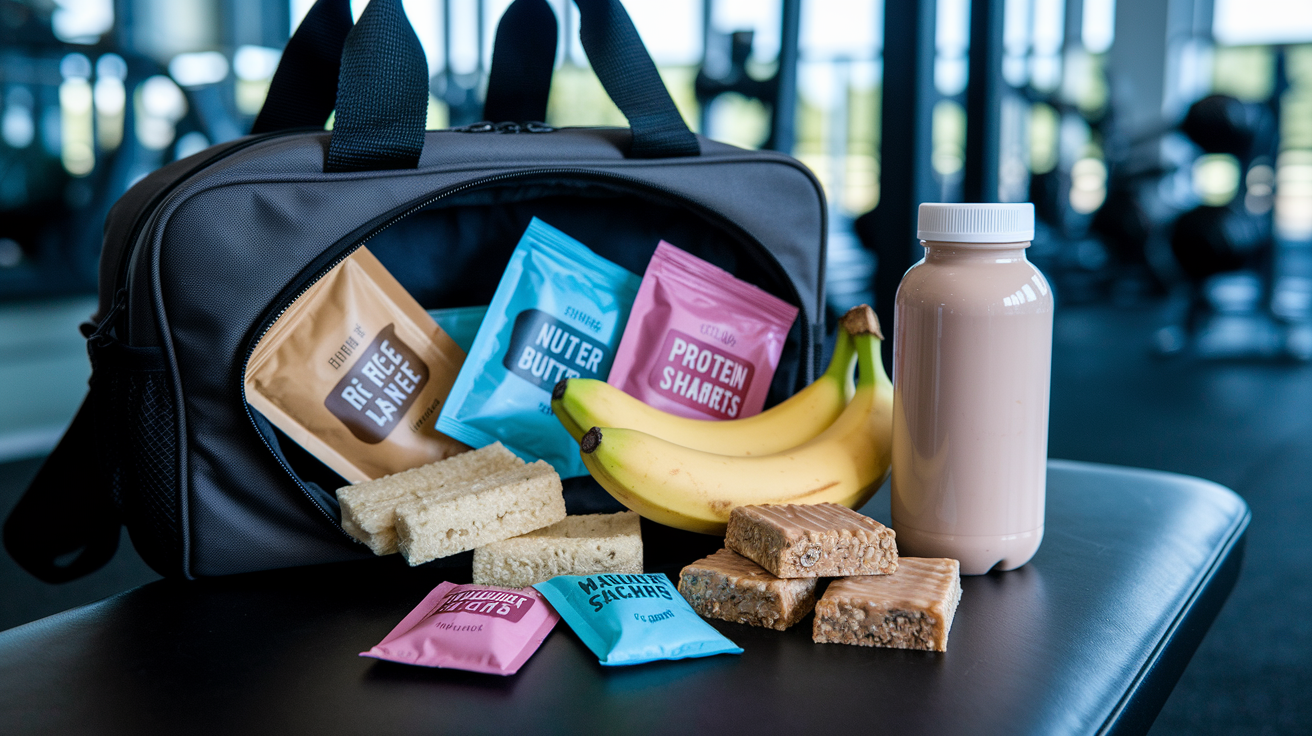
You’re not always working out from home with a fully stocked kitchen. Sometimes you’re heading to the gym straight from the office, or you need something that survives a hot car or a crowded gym bag without turning into a science experiment. Portable options need to be shelf-stable, easy to eat on the go, and free from the hidden triggers that show up in processed snacks. Think inulin, chicory root, sugar alcohols, and high-FODMAP fruit concentrates.
Reading labels becomes non-negotiable when you’re shopping for packaged snacks. Ingredient lists on bars, crackers, and drink mixes often hide sorbitol, mannitol, or “natural flavors” that include onion or garlic powder. Stick to simple formulations with ingredients you recognize. When in doubt, test a new product on a rest day before trusting it pre-workout.
Portable IBS-Friendly Pre-Workout Snacks:
- Plain rice cakes (individually wrapped or in a resealable bag)
- Single-serve pouches of nut butter (almond, peanut, or sunflower seed)
- Firm bananas (transport in a hard case to prevent bruising)
- Lactose-free protein shake (pre-mixed in a shaker bottle, kept cold)
- Low-FODMAP energy bars (check labels carefully for polyols and inulin)
- Small packets of maple syrup (pair with rice cakes or eat alone for fast carbs)
- Individually wrapped rice crackers or rice-based snacks
- Pre-portioned containers of lactose-free yogurt with a small ice pack
Hydration and Electrolytes for IBS‑Sensitive Guts
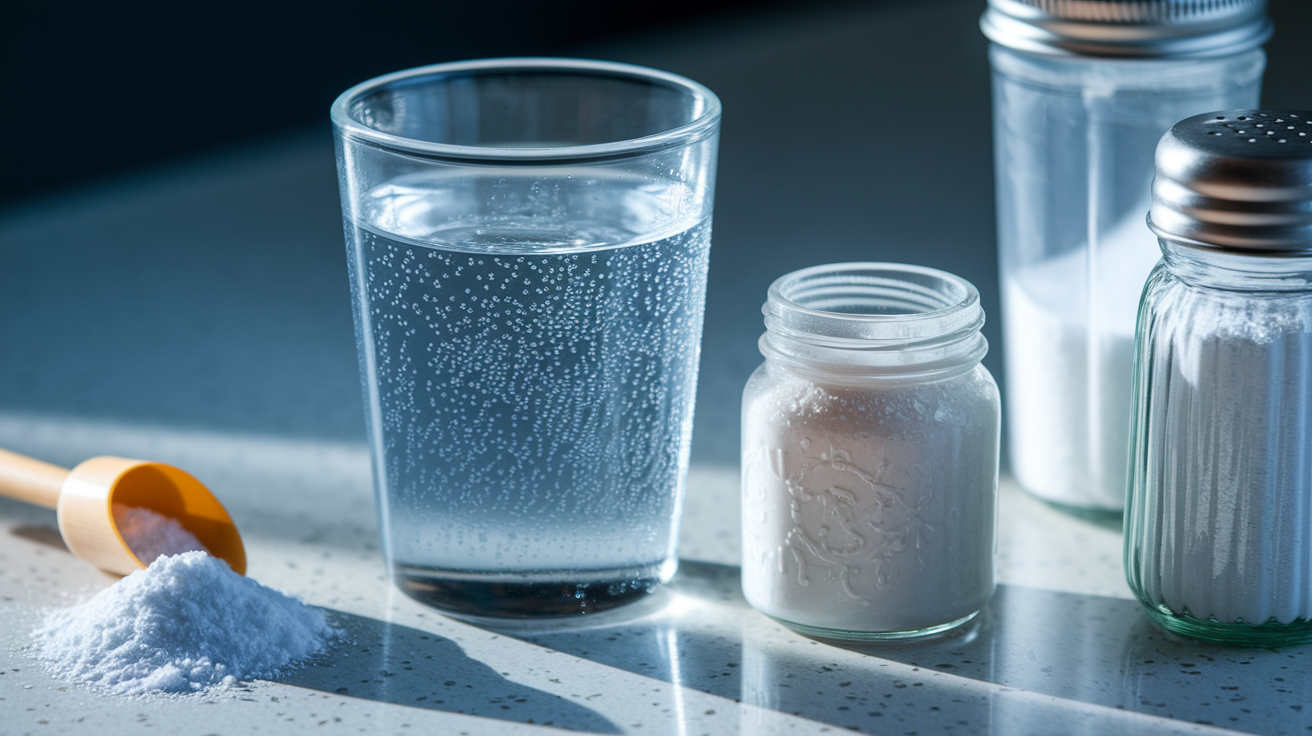
Hydration is part of your pre-workout plan, not an afterthought. Aim to drink about 500 to 600 milliliters (roughly 16 to 20 ounces) of water two to three hours before you start exercising. This gives your kidneys time to process the fluid and your bladder time to empty, so you’re not stuck needing a bathroom break mid-session. Then sip another 200 to 300 milliliters (7 to 10 ounces) about 10 to 20 minutes before you begin.
During longer workouts (anything over 60 to 90 minutes) you’ll want to replace both water and electrolytes. But here’s the IBS-specific catch: many commercial sports drinks and electrolyte powders contain sugar alcohols like sorbitol or mannitol, or they’re sweetened with high-fructose corn syrup. Both can trigger cramping, gas, and urgency. Read labels carefully, and look for products sweetened with glucose, dextrose, or small amounts of cane sugar. Plain water with a pinch of salt works if you can’t find a tolerable electrolyte mix.
Avoid carbonated drinks entirely before and during exercise. The added gas increases bloating and can trigger reflux or burping when you’re moving. If you’re a heavy sweater or you’re training in hot conditions, electrolyte replacement becomes more important, but it still needs to be gut-friendly. Test your hydration plan during training sessions, not on race day or during an important workout.
Five Hydration Tips for IBS-Sensitive Athletes:
- Front-load hydration 2 to 3 hours out, not in the final 30 minutes before your workout
- Choose electrolyte products with simple ingredients: glucose or dextrose, sodium, potassium, and magnesium
- Skip drinks sweetened with polyols (sorbitol, mannitol, xylitol, maltitol)
- Sip small amounts frequently rather than chugging large volumes at once
- Test new sports drinks or electrolyte mixes on easy training days, not before hard sessions
Foods and Ingredients to Avoid Before a Workout with IBS
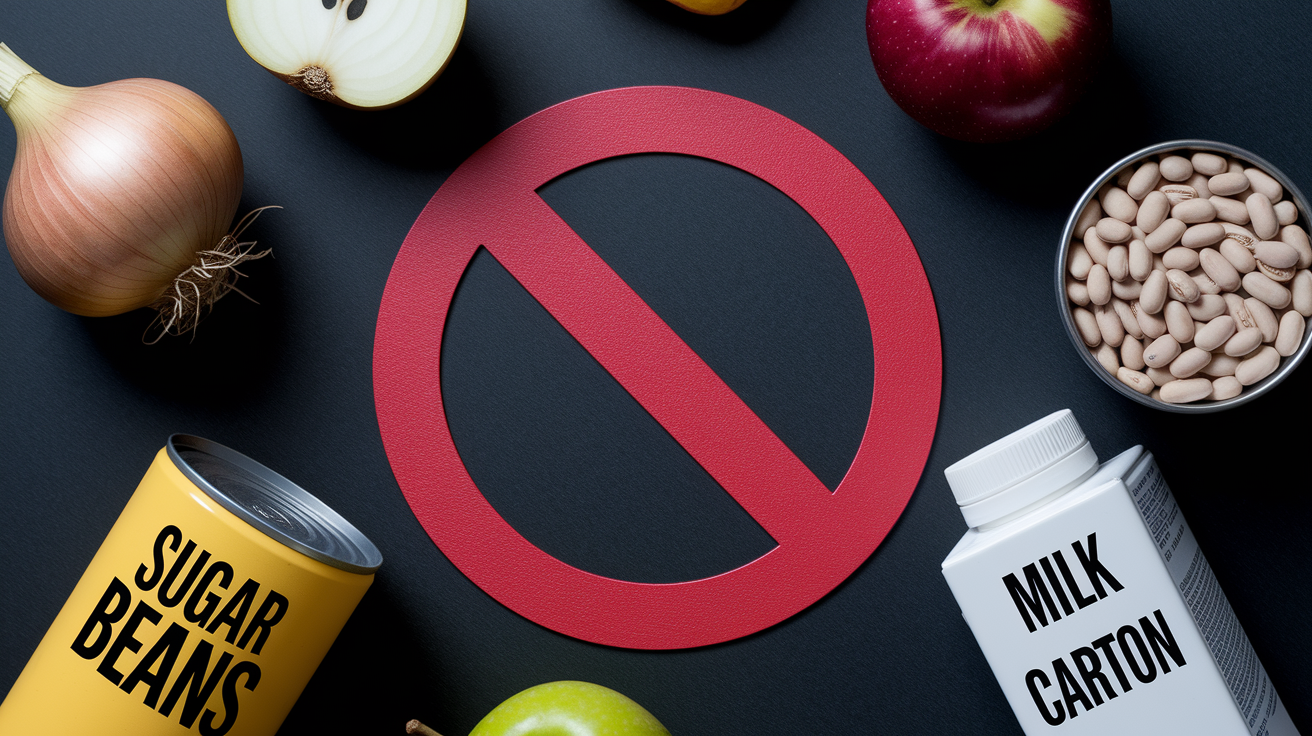
Knowing what to eat is only half the equation. Knowing what to skip can prevent a workout from turning into a symptom flare-up. High-FODMAP foods are the obvious first category: onions, garlic, apples, pears, stone fruits, beans, lentils, and large portions of wheat all ferment rapidly and produce gas. Even if these foods don’t bother you at rest, the combination of fermentation and physical movement can trigger cramping and urgency.
Sugar alcohols are another common trap. They show up in sugar-free gum, protein bars, flavored waters, and many “healthy” snacks marketed to athletes. Sorbitol, mannitol, xylitol, and maltitol are poorly absorbed and draw water into your gut, leading to bloating and diarrhea. High-lactose dairy (regular milk, standard yogurt, soft cheeses) causes similar problems if you’re lactose intolerant. And don’t forget high-fat meals. Anything fried, creamy, or rich in added oils will sit in your stomach longer and increase your risk of nausea and reflux during exercise.
Eight High-Risk Foods and Ingredients to Avoid Pre-Workout:
- Onions and garlic (including onion powder and garlic powder in packaged foods)
- Apples, pears, cherries, and other stone fruits in large portions
- Beans, lentils, and chickpeas close to exercise time
- Regular dairy products (milk, yogurt, ice cream) if lactose intolerant
- Sugar alcohols: sorbitol, mannitol, xylitol, maltitol, and erythritol
- High-fat foods: fried items, creamy sauces, dishes with more than 10 g fat per serving
- Carbonated beverages (soda, sparkling water, fizzy sports drinks)
- High-fiber whole grains or bran-based cereals within 90 minutes of your workout
Alternatives for People Who Can’t Tolerate Solid Food Pre‑Workout

Some people with IBS find that solid food (no matter how gentle) still causes discomfort before exercise. If that’s you, liquid or very low-volume options can provide the energy you need without the bulk. Glucose or dextrose dissolved in water is one of the simplest solutions: 20 to 30 grams of pure glucose gives you fast-acting carbs with almost zero fermentation risk and no gastric residue.
Lactose-free protein shakes made with water (not milk) and a scoop of low-FODMAP protein powder work well if you need a bit of protein along with your carbs. Keep the volume small (200 to 300 milliliters total) so it empties quickly. Some people do well with small amounts of rice syrup or glucose-based energy gels, as long as the ingredients don’t include polyols or high-fructose corn syrup. Test these options carefully. What works for one person can trigger symptoms in another.
Five Liquid or Low-Volume Pre-Workout Options:
- 20 to 30 g glucose or dextrose dissolved in 250 mL water
- Low-FODMAP sports drink (check label for polyols and fructose)
- Lactose-free protein shake with water and whey or pea isolate
- Glucose-based energy gel without sugar alcohols
- Small serving (2 tablespoons) of rice syrup mixed into water or taken straight
Morning IBS‑Friendly Pre‑Workout Breakfast Ideas

Morning digestion is different. Your gut is waking up along with the rest of you, and some people with IBS find they’re more sensitive to food volume and fiber first thing in the day. If you’re working out early, you’ll need to balance fuel with the reality that your digestive system might not be fully online yet.
Simple, low-fiber carbs work best in the morning. A small bowl of low-FODMAP cereal (like corn flakes or Rice Chex) with lactose-free milk gives you carbs and a bit of protein without overwhelming your gut. Rice porridge made with water or lactose-free milk and topped with a drizzle of maple syrup is another gentle option. If you tolerate oats, keep the portion small (around ¼ cup dry) and cook them well to make them easier to digest.
Sourdough toast is often better tolerated than regular bread because the fermentation process reduces FODMAP content, especially if you choose a slow-fermented artisan loaf. Top it with a thin spread of nut butter or a bit of jam (check that it’s sweetened with sugar, not high-fructose corn syrup). Lactose-free yogurt with a small serving of low-FODMAP fruit (like blueberries or a sliced firm banana) rounds out a simple, effective pre-workout breakfast that won’t leave you feeling heavy or gassy when you start moving.
Caffeine and Pre‑Workout Supplements for IBS

Caffeine can boost your performance, sharpening focus and increasing endurance, but it’s also a gut stimulant. For some people with IBS, 50 to 200 milligrams of caffeine (roughly one cup of coffee) taken 30 to 60 minutes before exercise provides a helpful energy lift without triggering urgency. For others, especially those with diarrhea-predominant IBS, caffeine accelerates gut motility and leads to an urgent bathroom trip mid-workout.
If you tolerate caffeine, stick to simple sources like black coffee or plain tea. Avoid pre-workout supplement powders that combine caffeine with other stimulants, artificial sweeteners, and added fibers like inulin. These cocktails are designed to maximize performance, but they’re often loaded with ingredients that irritate sensitive guts. Even “natural” pre-workout formulas can contain high-FODMAP ingredients like beetroot powder, chicory root, or sugar alcohols.
Four Supplements That May Be Tolerated by People with IBS:
- Plain black coffee or green tea (test caffeine tolerance individually)
- Low-FODMAP electrolyte powder (simple formulation, no polyols)
- Pure glucose or dextrose tablets for fast energy
- Low-FODMAP whey protein isolate or pea protein isolate in small servings
Sample Pre‑Workout Mini Meal Plan for IBS
Seeing how timing, portions, and food choices fit together makes the guidelines easier to follow. Here’s how you might structure your pre-workout fuel depending on how much time you have before you start exercising.
2–3 Hours Before Your Workout
This is your window for a full mini-meal. You want moderate carbs, a palm-sized portion of lean protein, and a small amount of added fat. An example: 150 grams of firm tofu stir-fried with 1 cup of cooked white rice, ½ cup of steamed carrot, and 1 teaspoon of sesame oil. Or try 100 grams of grilled chicken breast with 1 medium baked potato (plain or with a pinch of salt) and a side of steamed green beans. The goal is to provide 400 to 700 calories of balanced, low-FODMAP fuel that digests fully before you start moving.
1 Hour Before Your Workout
Keep it lighter and simpler. A slice of gluten-free toast with 1 tablespoon of almond butter and a drizzle of honey works well. Or scramble two egg whites and eat them with a small serving (about ½ cup) of cooked white rice. Another option: 150 grams of lactose-free yogurt topped with 10 grams of pepitas and a small handful of blueberries. You’re aiming for easy-to-digest carbs and a modest amount of protein, keeping total fat under 10 grams.
30 Minutes Before Your Workout
This is fast-carb territory. One firm banana eaten plain, two rice cakes with a teaspoon of maple syrup, or a small bowl (½ cup) of white rice with a pinch of cinnamon all work. If you prefer liquid, try 200 milliliters of a low-FODMAP sports drink or 25 grams of glucose dissolved in water. The focus is on quick energy that empties from your stomach rapidly and doesn’t create fermentation or gastric discomfort during your session.
Identifying Personal Pre‑Workout Triggers and IBS Patterns
No two people with IBS have identical triggers. What works perfectly for your training partner might leave you doubled over with cramping. That’s why keeping a simple food and symptom log is one of the most useful tools you have. Write down what you ate, how much, when you ate it, and how your gut felt during and after your workout. Over time, patterns emerge that help you fine-tune your choices.
Test new foods during easy training sessions, not before races, competitions, or hard interval workouts. If you want to try a new protein powder, a different brand of rice cakes, or a fruit you haven’t eaten pre-workout before, do it on a day when a bathroom detour won’t ruin your session. Pay attention to portion sizes, too. Sometimes the problem isn’t the food itself but the amount. A small serving of oats might work fine, but a large bowl could trigger symptoms.
Five Things to Track in Your Pre-Workout Food Log:
- Specific foods and portion sizes (weigh or measure when possible)
- Timing (how many minutes or hours before your workout you ate)
- Workout type and intensity (strength, running, intervals, duration)
- Symptoms during and after exercise (bloating, cramping, urgency, nausea, or none)
- Overall energy level and performance quality (did you feel strong or sluggish?)
Final Words
Start with one small swap: a 150–250 kcal, carb-forward snack 30–90 minutes before moving. We covered quick, low-FODMAP options, simple macronutrient targets, timing strategies, portable picks, liquids for tight stomachs, hydration tips, and foods to skip.
Test one snack during a regular training day, not on big events. Track timing and portion size so you learn your patterns.
Try one of these easy pre workout ideas for people with IBS this week and stick with what reduces urgency, bloating, or cramping. Small changes add up. You’re closer to more comfortable workouts.
FAQ
Q: Can I take pre-workout if I have IBS, and what should I eat before a workout?
A: You can take pre-workout if you tolerate it; prefer low-FODMAP, low-fat, low-fiber, carb-forward snacks 30–90 minutes before exercise (rice cake, banana, lactose‑free yogurt) and avoid stimulant powders with sugar alcohols.
Q: Does Klonopin help with IBS?
A: Klonopin (clonazepam) is not a standard IBS treatment; it may ease anxiety‑related gut symptoms short term but brings sedation and dependence risk—discuss safer, targeted options with your clinician.
Q: What calms an IBS flare up?
A: Calming an IBS flare means small practical steps: sip low‑FODMAP fluids, eat a plain fast carb (white rice or rice cake), use a heat pack, walk gently, rest, and seek care if symptoms are severe.