


Think every probiotic will fix constipation? Not true.
Some strains help move the gut (microbiome, the community of bacteria in your gut) and others do almost nothing.
Clinical trials point to Bifidobacterium and Lactobacillus strains, but dose and timing matter, and taking the wrong strain or too little won’t work.
This post cuts through the marketing to show which strains have real evidence, practical dose ranges, and a realistic 2 to 4 week timeline so you know what to try next.
Most Effective Probiotic Strains, Dosages, and Expected Relief Timeline

Not all probiotic supplements work the same for constipation. The difference comes down to which strains you’re taking and how much. Clinical trials have pinpointed a handful of bacteria that actually improve stool frequency, soften things up, and reduce straining. But they only work when you hit the proven dose range.
The strongest evidence points to Bifidobacterium and Lactobacillus species. Bifidobacterium lactis shows up in study after study and can bump bowel movements by 20 to 30% within four weeks. Lactobacillus rhamnosus GG supports gut barrier function and gets things moving, usually at 10 to 20 billion CFU daily. Bifidobacterium longum helps restore balance after antibiotics and lowers intestinal pH, which makes stool easier to pass. Lactobacillus casei Shirota improves both frequency and consistency in people having fewer than three bowel movements a week. Lactobacillus plantarum survives stomach acid well and speeds up transit time while making stool softer. Multi-strain formulas often beat single strains because they work through different pathways. One strain might crank out butyrate while another patches up the gut lining.
Dosage matters just as much as picking the right strain. Most clinical studies land between 10 and 50 billion CFU per day. For constipation, the sweet spot sits around 10 to 20 billion CFU for single strains. Higher counts don’t automatically mean better results. A product with 100 billion CFU of some random strain will underperform a 15 billion dose of Bifidobacterium lactis that’s actually been tested in humans. You’ll notice early shifts like less bloating or softer stools within one to two weeks. Real improvements in frequency and ease usually take two to four weeks of daily use. If nothing meaningful happens by six to eight weeks, the strain or dose isn’t working for you. Time to switch or talk to a provider.
Here are seven strains with solid evidence for constipation:
- Bifidobacterium lactis – Increases bowel movement frequency and cuts down abdominal distention. Works for IBS-related constipation.
- Lactobacillus rhamnosus GG – Supports motility and gut barrier integrity. Safe for long-term use.
- Bifidobacterium longum – Helps normalize pH and stool consistency. Useful after antibiotic disruption.
- Lactobacillus casei Shirota – Improves stool frequency and form in people with chronic constipation.
- Lactobacillus plantarum – Acid-resistant. Reduces transit time and increases stool hydration.
- Bifidobacterium animalis subsp. lactis HN019 – Speeds digestion and improves comfort in adults with slow bowel movements.
- Bacillus coagulans Unique IS2 – Reduces incomplete evacuation feelings and painful bowel movements.
| Strain | Typical Dose | Expected Timeline |
|---|---|---|
| Bifidobacterium lactis | 10–20 billion CFU/day | 2–4 weeks for frequency increase |
| Lactobacillus rhamnosus GG | 10–20 billion CFU/day | 1–3 weeks for motility support |
| Bifidobacterium longum | 5–15 billion CFU/day | 2–4 weeks for consistency improvement |
| Lactobacillus casei Shirota | 6.5–13 billion CFU/day | 2–3 weeks for frequency and softness |
| Lactobacillus plantarum | 10–20 billion CFU/day | 1–2 weeks for transit time reduction |
| B. animalis subsp. lactis HN019 | 10–17.2 billion CFU/day | 2–4 weeks for bloating and frequency |
| Bacillus coagulans Unique IS2 | 2–15 billion CFU/day | 2–4 weeks for reduced discomfort |
How Probiotics Help Improve Bowel Regularity

Probiotics don’t just dump bacteria into your gut. They change how your intestines move, what your stool’s made of, and how smoothly waste travels through your system. When beneficial bacteria colonize your colon, they produce short-chain fatty acids like butyrate, propionate, and acetate. These compounds feed the cells lining your intestine, support the gut barrier, and trigger muscle contractions that push stool forward. Butyrate specifically signals colon muscles to contract in coordinated waves, called peristalsis. Without enough of these bacteria, your gut slows down. Stool sits longer, water gets reabsorbed, and everything hardens.
Probiotics also restore balance after disruptions. Antibiotics, low-fiber diets, chronic stress, and certain medications can wipe out beneficial species and let less helpful bacteria take over. This imbalance, called dysbiosis, often shows up as constipation, bloating, and that incomplete evacuation feeling. Strains like Bifidobacterium and Lactobacillus crowd out problem bacteria, reduce gut lining inflammation, and create an environment where digestion and motility improve naturally. Some strains influence the gut-brain axis, affecting how nerves regulate intestinal contractions. Around 95% of your body’s serotonin gets produced in the gut, and probiotic bacteria can tweak that production, indirectly influencing transit speed.
One overlooked piece is stool hydration. Certain probiotic strains increase the water content of stool by producing organic acids that draw moisture into the colon. This softens hard, pellet-like stools and makes them easier to pass without straining. It’s gentler than osmotic laxatives, which flood the colon with water all at once, and it doesn’t create dependency like stimulant laxatives can.
Dosage, Timing, and How to Take Probiotics for Best Results

Taking probiotics correctly makes the difference between mild improvement and real relief. Most clinical trials use daily doses between 10 and 20 billion CFU, though some studies go as high as 50 billion for multi-strain formulas. Start low if you’re new to probiotics or prone to bloating. You can bump it up gradually after a week or two if you tolerate the initial dose well.
Timing isn’t as critical as consistency, but taking probiotics with a meal generally improves survival through stomach acid. Food buffers the pH and gives bacteria a better shot at reaching your intestines alive. Some strains, especially spore-forming types like Bacillus coagulans, survive stomach acid on their own and can be taken on an empty stomach. But unless the label says otherwise, stick with mealtime. Pick the same time each day. Your gut thrives on routine, and daily dosing keeps bacterial levels stable enough to influence motility and stool consistency.
Don’t expect instant results, but don’t wait forever either. Give a probiotic four weeks of daily use before deciding it’s not working. If you see no change in frequency, stool form, or ease of passing by six to eight weeks, the strain or dose probably isn’t a match. Some people respond faster to certain species. Trial and error is normal. Store your supplement according to the label. Most shelf-stable probiotics stay potent at room temperature, but refrigerated formulas lose viability if left out.
Here are five practical tips for getting the most from your probiotic:
- Take it at the same time every day to keep bacterial levels consistent.
- Start with a lower CFU dose and increase gradually to avoid gas or bloating.
- Pair probiotics with prebiotic-rich foods like garlic, onions, bananas, and asparagus to feed beneficial bacteria.
- Stay hydrated. Aim for 8 to 10 glasses of water daily so probiotics can help soften stool effectively.
- Track bowel movements and stool consistency using a simple diary or the Bristol Stool Chart to monitor progress.
How to Choose a High-Quality Probiotic Supplement
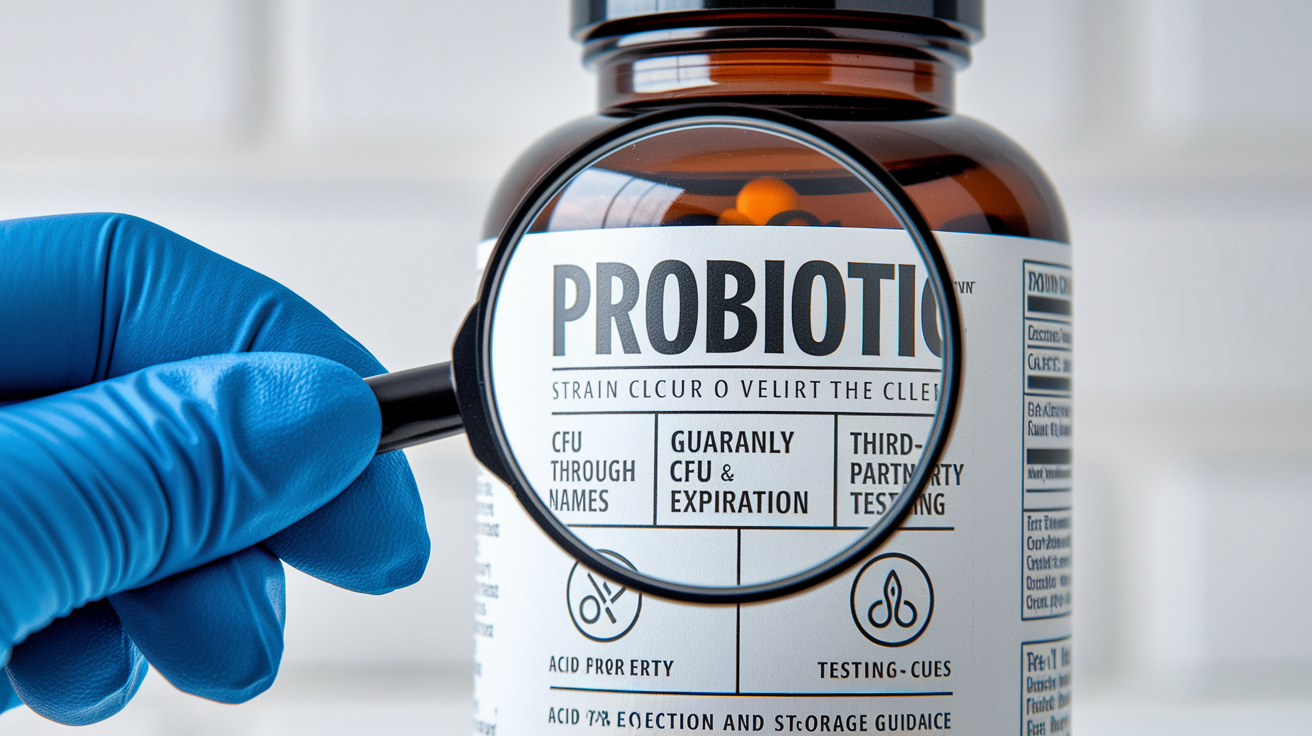
The supplement aisle is packed with probiotic products, but only a fraction contain what the label promises. Quality starts with strain identification. A good product lists the full name of each strain: genus, species, and strain designation, like “Lactobacillus rhamnosus GG” or “Bifidobacterium lactis HN019.” If the label just says “Lactobacillus blend” or “proprietary formula,” you have no way to know whether the strains inside have ever been studied for constipation or anything else.
CFU count matters, but only if the bacteria are alive when you swallow them. Look for products that guarantee potency through the expiration date, not just at manufacture. Some brands overload capsules with extra CFU to account for die-off during shipping and storage, but that’s a workaround for poor manufacturing. Third-party testing by organizations like NSF, USP, or ConsumerLab confirms that what’s on the label matches what’s in the bottle and that the product is free from contaminants. These seals aren’t mandatory, but they’re a strong signal of quality control.
Survivability through stomach acid is another hurdle. Delayed-release or enteric-coated capsules protect bacteria until they reach the intestines, where they can colonize and do their job. Powdered probiotics mixed into smoothies or yogurt can work, but they often require higher doses to compensate for bacteria lost to stomach acid. If a product includes prebiotic fiber like inulin, FOS, or GOS, that’s a bonus. Prebiotics feed the probiotics you’re taking and support butyrate production, which directly improves motility and stool hydration.
| Criteria | Why It Matters | What to Look For |
|---|---|---|
| Strain Identification | Only specific strains have evidence for constipation; blends without strain names are unproven. | Full strain names like “Bifidobacterium lactis BB-12” or “Lactobacillus plantarum 299v” |
| CFU Guarantee | Bacteria die over time; potency at expiration ensures you’re getting the labeled dose. | Label states “10 billion CFU guaranteed through expiration date” |
| Third-Party Testing | Confirms label accuracy and checks for contaminants or mislabeling. | Seals from NSF, USP, ConsumerLab, or similar independent labs |
| Acid Protection | Probiotics must survive stomach acid to colonize the intestines. | Delayed-release capsules, enteric coating, or acid-resistant strains like Bacillus species |
| Prebiotic Inclusion | Prebiotic fiber feeds probiotics and supports SCFA production for motility. | Ingredients like inulin, FOS, GOS, or acacia fiber listed on the label |
| Storage Requirements | Improper storage kills bacteria; clear instructions help maintain viability. | Shelf-stable formulas or clear refrigeration instructions; avoid products with vague guidance |
Product Recommendations: Best Options Based on Strain and Evidence
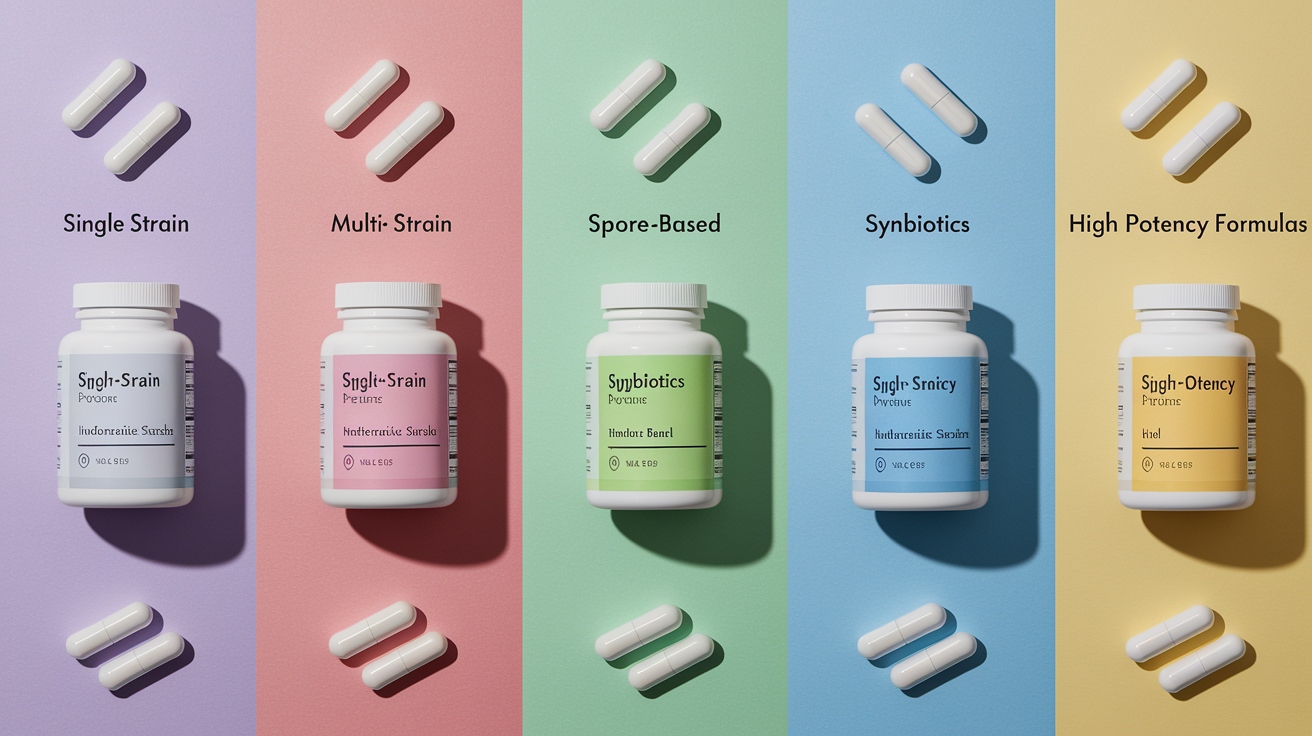
Choosing a probiotic type depends on whether you want simplicity or a broader approach. Single-strain capsules work well when you know which bacteria helps your symptoms. If studies show Bifidobacterium lactis improves your specific constipation pattern, a single-strain product delivers that bacteria at a therapeutic dose without extra variables. These products are easier to troubleshoot. If it works, you know exactly which strain to stick with.
Multi-strain blends combine several evidence-backed species to target constipation through multiple pathways. One strain might produce butyrate while another improves gut barrier integrity and a third modulates motility signals. Many clinical trials on constipation use multi-strain formulas because the bacteria work together, often beating single strains. Look for blends that list each strain by name and provide individual CFU counts, not just a total. A product combining Lactobacillus rhamnosus GG, Bifidobacterium lactis, and Lactobacillus plantarum at 5 to 10 billion CFU each is more transparent and reliable than a “50 billion CFU proprietary blend.”
Spore-based probiotics, usually Bacillus species like Bacillus coagulans, survive stomach acid naturally and don’t require refrigeration. They’re stable at room temperature, travel well, and germinate in the intestines where they can produce butyrate and support regularity. These work well for people who struggle with bloating from traditional Lactobacillus or Bifidobacterium strains.
Synbiotics pair probiotics with prebiotics in one formula, delivering both the bacteria and the fiber they need to thrive. This combo supports butyrate production and creates an environment where beneficial bacteria can colonize and influence stool consistency. Synbiotics often show faster results than probiotics alone because the prebiotic feeds both the supplement strains and your existing gut bacteria.
Fermented foods aren’t supplements, but they’re worth mentioning as a whole-food option. Yogurt with live cultures, kefir, sauerkraut, and kimchi deliver diverse strains along with organic acids and enzymes that support digestion. They won’t replace a therapeutic-dose capsule if you have chronic constipation, but they complement probiotic supplements and add dietary variety that benefits your microbiome long-term.
Here are five product types to consider based on evidence and practical use:
- Single-strain Bifidobacterium lactis capsules – Good when you want targeted, proven relief with minimal variables. Works for increasing bowel movement frequency within 2 to 4 weeks.
- Multi-strain Lactobacillus and Bifidobacterium blends – Best for chronic constipation that hasn’t responded to single strains. Works through multiple mechanisms including motility, hydration, and barrier support.
- Spore-based Bacillus coagulans formulas – Shelf-stable and acid-resistant. Good for travel, heat exposure, or people who experience bloating with traditional probiotics.
- Synbiotics with inulin or FOS – Combines probiotics and prebiotic fiber in one dose. Supports faster colonization and butyrate production for motility and stool softness.
- High-potency delayed-release multi-strain capsules (20 to 50 billion CFU) – Designed for severe or treatment-resistant constipation. Enteric coating protects bacteria through stomach acid for maximum intestinal delivery.
Expected Results: How Long Probiotics Take to Work for Constipation
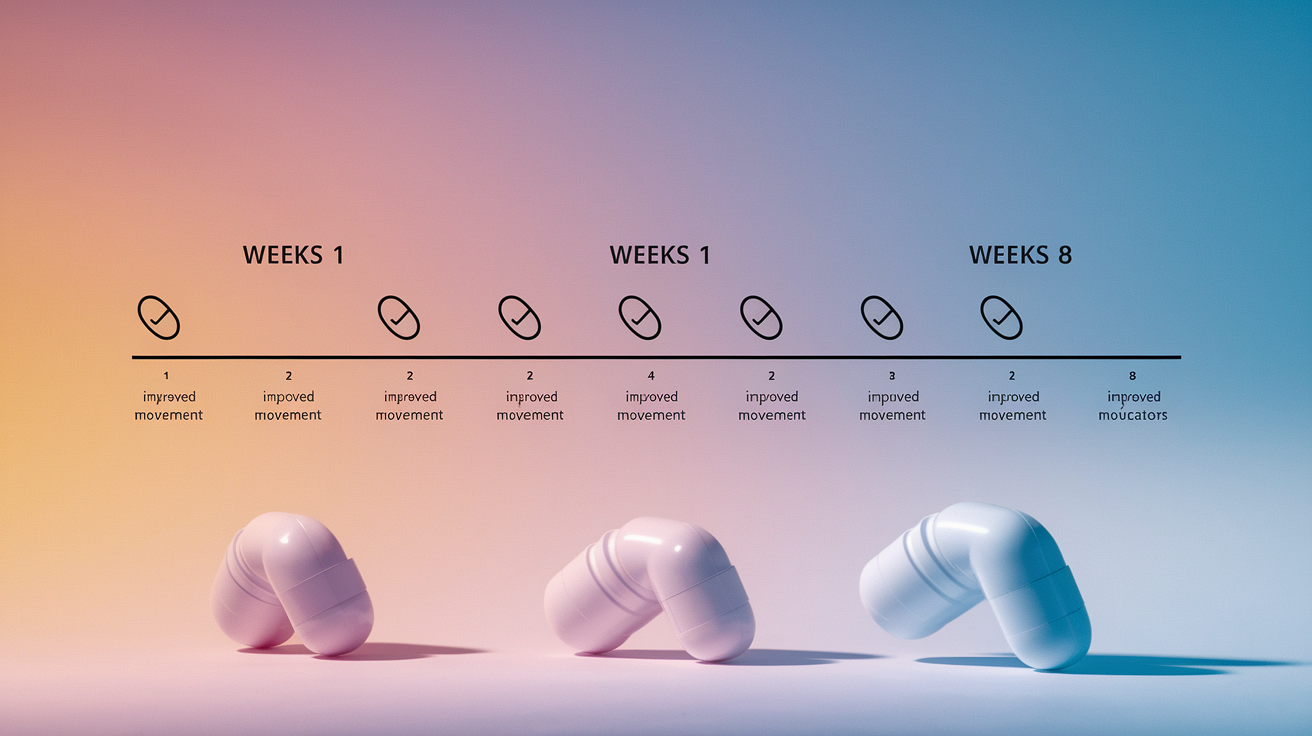
Probiotics don’t work like a stimulant laxative. You won’t have a bowel movement an hour after your first capsule. Instead, beneficial bacteria need time to colonize your gut, shift the microbial balance, and start producing the short-chain fatty acids that influence motility and stool consistency. Most people notice the first subtle changes, less bloating and slightly softer stools, within one to two weeks of daily use.
Real improvements in bowel movement frequency and ease of passing stool typically take two to four weeks. Some studies show meaningful changes as early as one week, especially with strains like Bifidobacterium lactis or Lactobacillus plantarum. But if your constipation is chronic or severe, or if your gut microbiome is significantly disrupted by antibiotics, stress, or a low-fiber diet, it might take the full four weeks or up to eight weeks to see consistent results. That doesn’t mean the probiotic isn’t working. It means your gut is still adjusting.
After four to eight weeks of daily use, evaluate honestly. Are you having more bowel movements per week? Is stool softer and easier to pass? Do you feel less bloating or straining? If the answer is yes, stick with the strain and dose that’s working. If nothing has changed, the strain likely isn’t a fit for your microbiome. Time to try a different species or consult a provider. Some people respond better to Lactobacillus, others to Bifidobacterium, and a few need multi-strain blends or spore-based options.
Here are four factors that influence how quickly probiotics work for you:
- Baseline microbiome diversity – A more disrupted gut (from antibiotics, poor diet, or stress) takes longer to rebalance.
- Consistency of use – Skipping days or irregular timing slows colonization and delays symptom improvement.
- Complementary habits – Pairing probiotics with adequate hydration, fiber, and movement speeds results. Taking them alone without lifestyle support limits effectiveness.
- Strain selection – Some strains colonize faster or produce SCFAs more efficiently. Choosing evidence-backed strains for constipation shortens the timeline.
Potential Side Effects and When to Avoid Probiotics

Probiotics are generally safe, but they’re not side-effect-free, especially in the first week or two. The most common complaints are mild bloating, gas, and temporary changes in stool. Sometimes looser, sometimes briefly more constipated as your microbiome shifts. These symptoms usually resolve within a few days as your gut adjusts to the new bacteria. If bloating or gas feels uncomfortable, try cutting your dose in half for a week, then gradually increase. Starting low and going slow reduces the chances of early digestive upset.
Severe abdominal pain, intense cramping, or persistent diarrhea aren’t normal. If those symptoms occur, stop the probiotic immediately and consult a provider. In rare cases, people with compromised immune systems, like those undergoing chemotherapy, living with HIV/AIDS, or taking immunosuppressive drugs, can develop infections from probiotic bacteria. If you fall into one of these groups, talk to your doctor before starting any probiotic supplement.
Some people should avoid probiotics altogether or use them only under medical supervision. If you have a central venous catheter, a damaged intestinal lining from conditions like short bowel syndrome, or a history of fungal infections, probiotics carry a small but real risk of translocation, where bacteria cross into the bloodstream. Pregnant and breastfeeding individuals can generally use probiotics safely, but it’s worth checking with a provider first, especially if trying a new or high-dose formula.
Probiotics vs Other Constipation Remedies

Probiotics work differently than fiber, magnesium, stool softeners, or stimulant laxatives. Understanding those differences helps you decide when to use each or when to combine them. Fiber supplements like psyllium or methylcellulose add bulk to stool and stimulate the colon mechanically. They work quickly, often within 12 to 72 hours, but they don’t change your gut bacteria or address the root cause of constipation. Fiber is best for occasional sluggishness or when you know you’re not eating enough vegetables and whole grains. It pairs well with probiotics because fiber feeds beneficial bacteria and supports SCFA production.
Magnesium-based laxatives, like magnesium citrate or magnesium oxide, draw water into the colon through osmotic pressure. This softens stool and triggers a bowel movement, usually within a few hours to a day. They’re effective for short-term relief but can cause dependency if used daily, and high doses may lead to diarrhea, cramping, or electrolyte imbalances. Magnesium doesn’t restore gut balance or improve motility long-term the way probiotics do.
Stool softeners, like docusate sodium, make it easier to pass hard stools by mixing water and fat into the stool. They’re gentle and helpful after surgery or childbirth, but they don’t address slow transit time or microbiome imbalances. Stimulant laxatives, like senna or bisacodyl, force the colon to contract, producing a bowel movement within 6 to 12 hours. They’re powerful but harsh, and regular use can weaken natural motility signals and create dependency. Stimulants are a last resort, not a daily solution.
| Remedy | How It Works | Speed of Relief | Best For |
|---|---|---|---|
| Probiotics | Restore gut bacteria balance, produce SCFAs, improve motility and stool hydration | 1–4 weeks for consistent improvement | Chronic constipation, microbiome imbalances, long-term regularity support |
| Fiber (psyllium, methylcellulose) | Adds bulk to stool, stimulates colon mechanically | 12–72 hours | Occasional constipation, low dietary fiber, works well with probiotics |
| Magnesium (citrate, oxide) | Draws water into colon through osmotic pressure | Few hours to 1 day | Short-term relief, hard stools, not for daily use |
| Stool Softeners (docusate sodium) | Mixes water and fat into stool to ease passage | 1–3 days | Post-surgery, pregnancy, or when straining is risky; doesn’t fix slow transit |
| Stimulant Laxatives (senna, bisacodyl) | Forces colon contractions to move stool | 6–12 hours | Acute constipation, last-resort use; avoid long-term to prevent dependency |
Final Words
Start by choosing a proven strain and a practical CFU dose, then take it daily with a meal. Expect some people to notice softer, more frequent stools in 1–2 weeks and clearer change by 3–4 weeks.
Pick a supplement that lists strain IDs, shows third-party testing, and fits your budget. Watch for mild gas or cramps and check with your clinician if you have a weak immune system.
With a simple, consistent approach, probiotics for constipation can bring steady relief. You’ve got this.
FAQ
Q: What type of probiotic is best for constipation?
A: The best probiotic for constipation is one with strains like Bifidobacterium lactis, Lactobacillus rhamnosus, or Bifidobacterium longum, typically dosed around 1–20 billion CFU daily to improve stool frequency and softness.
Q: Should you take probiotics if you are constipated?
A: You should consider taking probiotics if you are constipated; daily use of strains such as B. lactis or L. rhamnosus (5–20 billion CFU) often eases symptoms within 1–4 weeks. See a clinician if severe or immune compromised.