


Sick of workouts that leave you bloated, gassy, or sprinting for the bathroom?
You’re not imagining it, certain moves and meal timing really can make gut symptoms worse.
The good news: you don’t have to stop exercising.
This post highlights low-impact, gut-friendly workouts and simple timing tweaks that keep digestion steady, cut reflux and cramping, and let you train with more comfort and less worry.
Read on for practical routines you can use today.
Low-Impact, GI-Friendly Workouts Proven to Reduce Symptoms
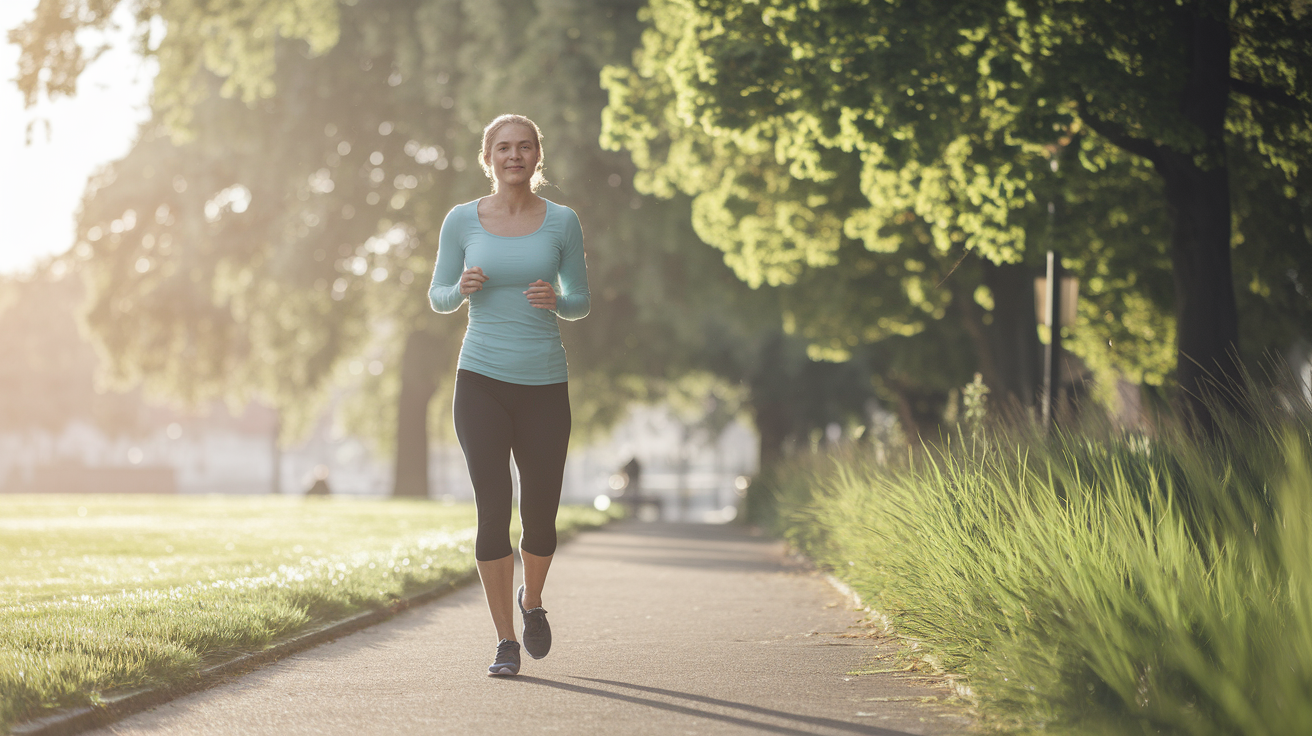
Low-impact exercise helps your digestion settle by keeping things moving without creating the kind of stress that triggers reflux, cramping, or that sudden need to find a bathroom. When you move at a steady pace without bouncing or compressing your core, blood flow to your intestines stays consistent. Your gut contractions become more regular. Gas actually moves through instead of sitting there making you miserable.
Walking after a meal beats an espresso or digestif if you’re trying to reduce bloating. Gentle movement nudges peristalsis along (those wave-like contractions that push food through your system) without pulling blood away from digestion.
The best GI-friendly workouts keep you upright, breathing steady, and working at moderate intensity. Walking at 3 to 4 mph for 20 to 30 minutes, three to five times per week, improves motility and cuts down bloating without spiking your heart rate or cranking up pressure in your abdomen. Light cycling at a perceived effort of 4 to 6 out of 10 speeds up gastric transit (how long it takes food to move from your stomach into your small intestine) and helps trim abdominal fat, which supports better digestion overall.
Swimming and water aerobics get rid of the jarring forces that can make reflux worse or send you running for the restroom. That makes them perfect if you’re dealing with inflammatory bowel conditions or severe bloating.
Restorative yoga poses like downward dog, child’s pose, triangle, and supported backbends ease reflux and bloating by gently stretching and relaxing your core. Holding these positions for 30 to 90 seconds lowers tension and encourages diaphragmatic breathing, which activates your parasympathetic nervous system and dials down stress-related gut issues. Low-intensity core work and pelvic floor activation (20 to 30 reps daily) strengthen the muscles that support bowel control and regularity. Less straining, better coordination, more comfortable trips to the bathroom.
Featured Low-Impact Workouts
Brisk walking: 20 to 45 minutes at 3 to 4 mph, 5 to 7 days per week. If you’re symptomatic, start with 10 to 15 minutes and add 5 to 10 minutes every 2 to 3 days.
Moderate cycling: 20 to 60 minutes at RPE 4 to 6 out of 10, 3 to 5 times per week. Skip high-intensity sprints within 1 to 2 hours after big meals.
Swimming or water aerobics: 20 to 45 minutes, 3 to 5 times per week. Reduces impact and is gentle if you’re dealing with reflux or urgency.
Elliptical machine: 20 to 45 minutes at low to moderate resistance, 3 to 5 times per week. Gives you walking-like motion without ground impact.
Restorative yoga: 15 to 45 minutes, 3 to 5 times per week. Focus on poses held 30 to 90 seconds with slow, deep breathing.
Pelvic floor activation: 3 sets of 8 to 12 squeezes, 1 to 3 times daily. Hold each contraction 5 to 10 seconds to improve bowel and bladder control.
Key Criteria for GI-Friendly Exercise
Upright or supported posture keeps stomach contents where they belong and cuts reflux risk during and after activity.
Stable, low-impact movement avoids jarring forces that mess with digestion or trigger urgency.
Moderate heart rate (60 to 75% max) keeps steady blood flow to your gut without diverting it all to working muscles.
Steady, nasal breathing supports parasympathetic activation and reduces cramping or nausea.
Noncompressive positioning avoids deep forward folds or heavy loads that squeeze your abdomen and ramp up intra-abdominal pressure.
Yoga and Breathwork Sequences That Calm the Gut

Yoga blends gentle movement, muscle relaxation, and controlled breathing to tackle both the physical and stress-driven causes of digestive discomfort. Poses that gently stretch or compress your abdomen (without overdoing it) stimulate peristalsis and help clear gas buildup. Slow, rhythmic breathing shifts your nervous system into rest and digest mode.
If you’re new to yoga or dealing with active GI symptoms, working with an instructor who gets gastrointestinal issues can help you dodge positions that worsen reflux, cramping, or urgency.
Restorative Poses for Digestion
Restorative poses use props and longer holds to relax your abdominal muscles and drop tension. Child’s pose (kneeling with your forehead on the floor and arms extended or resting at your sides) gently compresses your belly and encourages diaphragmatic breathing, which massages your internal organs and nudges motility along.
Supported backbends, like lying over a bolster or rolled blanket placed under your mid-back, open the front of your abdomen and reduce pressure on your lower esophageal sphincter. That can help ease reflux. Gentle twists (seated or lying down, where you rotate your torso slowly while keeping your hips stable) wring out your digestive tract and can help move trapped gas.
Hold each restorative pose for 30 to 90 seconds, breathing slowly and deeply. Exit slowly to avoid dizziness or sudden pressure changes.
Breathwork for Reducing Cramping
Diaphragmatic breathing (breathing deeply into your belly instead of your chest) activates the vagus nerve, which sends calming signals to your gut and slows excessive motility that can cause cramping or urgency.
Sit or lie comfortably. Place one hand on your chest and one on your abdomen. Inhale slowly through your nose for a count of four, letting your belly rise while your chest stays still. Exhale slowly through your mouth for a count of six, feeling your belly fall.
Practice this for 5 to 10 minutes before or after yoga, or anytime you notice cramping, bloating, or stress-related GI symptoms. Pairing slow nasal breathing with gentle movement (like moving in and out of cat-cow pose or flowing between downward dog and child’s pose) creates a rhythmic, calming practice that reduces both physical tension and mental stress.
Core and Pelvic-Floor Workouts That Support Regularity

Strengthening your deep core and pelvic floor improves bowel control, reduces straining, and supports the coordinated muscle contractions you need for comfortable, complete bowel movements.
Your pelvic floor (the hammock of muscles at the base of your pelvis) works with your abdominal muscles to manage intra-abdominal pressure during daily activities, including bowel movements. When these muscles are weak or uncoordinated, you might experience constipation, urgency, or incomplete evacuation.
Abdominal exercises done four to five times per week, starting with 8 to 10 reps and building from there, reduce bloating and gas by improving core stability and posture. Do core work on an empty stomach (first thing in the morning or at least two hours after eating) to avoid reflux or cramping.
Pelvic floor activation (often called Kegels) involves squeezing and lifting the muscles around your anus (and vagina for women) as if stopping the flow of urine, while keeping your glutes, thighs, and legs completely relaxed. Start with 20 to 30 reps daily, holding each contraction for 5 to 10 seconds with 5 to 10 seconds of rest between squeezes.
If you’re not sure you’re activating the right muscles, consult a pelvic floor physical therapist for personalized guidance.
Core and Pelvic-Floor Movements
Modified planks: hold a forearm plank on your knees for 10 to 30 seconds, 3 to 5 reps. Keep your pelvis neutral and breathe steadily.
Dead bugs: lie on your back, knees bent at 90 degrees over your hips, and slowly lower one leg at a time while keeping your lower back pressed to the floor. Do 8 to 12 reps per side.
Pelvic lifts (bridges): lie on your back with knees bent and feet flat, then lift your hips to form a straight line from shoulders to knees. Hold for 5 to 10 seconds, lower slowly, and repeat 10 to 15 times.
Modified crunches: lie on your back with knees bent, hands behind your head, and lift your shoulder blades a few inches off the floor. Exhale as you lift, inhale as you lower, and complete 8 to 10 slow reps.
Pelvic floor contractions: sit or lie comfortably, squeeze and lift the muscles around your anus, hold for 5 to 10 seconds, then relax completely for 5 to 10 seconds. Complete 20 to 30 reps once or twice daily.
Meal Timing Strategies to Prevent Exercise-Induced GI Distress

Timing your workouts relative to meals is one of the simplest ways to prevent cramping, reflux, nausea, and urgent bathroom trips.
When you eat, blood flow shifts to your digestive organs to support breakdown and absorption. Exercising too soon after a large meal forces your body to split resources between digestion and working muscles. That can slow gastric emptying, increase intra-abdominal pressure, and trigger reflux or cramping.
Avoid vigorous or high-impact exercise for two to three hours after a large meal (anything over 500 calories or with significant fat or fiber). If you need to move sooner, wait 30 to 60 minutes after a small snack (150 to 250 calories, mostly carbohydrate with a little protein) and stick with low-intensity options like walking or gentle yoga.
Abdominal exercises and core work are best done on an empty stomach, ideally in the morning before breakfast. Any forward folding or compressive movement can push stomach contents upward and worsen reflux if food is still being digested.
High-fat and high-fiber meals slow gastric emptying and increase the risk of reflux or urgency during exercise. Foods like fried items, heavy cream sauces, beans, cruciferous vegetables (broccoli, cauliflower, Brussels sprouts), and large portions of raw vegetables take longer to digest and produce more gas. Poor choices in the two to three hours before training.
If you’re lactose intolerant or sensitive to FODMAPs (fermentable carbohydrates that feed gas-producing gut bacteria), avoid dairy and gas-forming foods before workouts.
| Meal Size | Wait Time Before Exercise | Suitable Workouts |
|---|---|---|
| Large meal (500+ calories, high fat/fiber) | 2–3 hours | Any intensity or type after full digestion |
| Small snack (150–250 calories, low fat) | 30–60 minutes | Walking, gentle yoga, light cycling (RPE 4–5/10) |
| Empty stomach (fasted or 3+ hours post-meal) | No wait needed | Core work, pelvic-floor exercises, moderate-to-vigorous cardio |
Hydration and Electrolyte Protocols for Sensitive Stomachs

Proper hydration supports gastric emptying, maintains blood volume, and prevents the cramping and nausea that can happen when you’re under-hydrated or over-hydrated during exercise.
Drinking too much water too quickly (especially plain water without electrolytes) can dilute sodium levels in your blood and cause bloating, sloshing, and nausea. Drinking too little leads to concentrated stomach contents, slower digestion, and increased risk of constipation after training.
Consume 400 to 700 ml (13 to 24 ounces) of fluid in the one to two hours before exercise, sipping slowly rather than chugging. During activity, drink 150 to 250 ml (5 to 8 ounces) every 15 to 20 minutes, adjusting based on sweat rate, temperature, and workout intensity.
For sessions longer than 60 minutes, use a 6 to 8% carbohydrate-electrolyte beverage (like a standard sports drink) to maintain sodium balance and provide a steady supply of easily absorbed fuel. This combo prevents the loose stools that can occur when plain water moves too quickly through your intestines without being absorbed.
Hydration Mistakes to Avoid
Chugging large volumes immediately before exercise causes sloshing, bloating, and increased urgency during the first 10 to 20 minutes of activity.
Drinking only plain water during long workouts dilutes blood sodium, slows absorption, and can trigger cramping or nausea.
Ignoring thirst cues during low-intensity exercise leads to dehydration, constipation, and reduced motility in the hours after training.
Using high-osmolality drinks (more than 8% carbohydrate) slows gastric emptying and increases risk of cramping or diarrhea, especially during moderate to vigorous activity.
Exercises and Movements Most Likely to Trigger GI Symptoms

High-impact, high-intensity, and compressive movements increase intra-abdominal pressure, divert blood flow from the gut, or jostle stomach contents. Common triggers for reflux, cramping, nausea, and urgent bowel movements.
Running and jogging create repetitive vertical forces that bounce your internal organs and can push stomach acid upward into the esophagus. Heavy compound lifts (back squats, deadlifts, overhead presses) spike intra-abdominal pressure as you brace your core, which can worsen reflux or trigger the urge to have a bowel movement mid-set.
Rapid twisting movements, like medicine ball slams or high-speed rotational exercises, compress and release the abdomen quickly. That disrupts digestion and increases gas buildup.
High-Risk Movements for GI-Sensitive Individuals
High-impact running or sprinting: jarring forces worsen reflux and urgency, especially within 1 to 2 hours of eating.
Heavy barbell squats and deadlifts: bracing and breath-holding spike abdominal pressure and can trigger cramping or urgency.
Inverted or horizontal positions (burpees, mountain climbers): place the stomach above the esophagus, increasing reflux risk.
High-intensity interval training (HIIT): rapid heart-rate spikes divert blood from the gut and delay gastric emptying.
Rapid twisting or ballistic core exercises: compress the abdomen unpredictably and disrupt normal peristalsis.
If you want to include these movements, modify them by reducing range of motion, slowing tempo, lowering resistance, or shortening work intervals. Replace running with brisk incline walking. Swap heavy squats for bodyweight or goblet squats with a lighter load. Perform core exercises in a controlled, breath-paced manner rather than explosive reps.
Plan bathroom access into your workout route or gym routine. Stop immediately if you experience new severe abdominal pain, recurrent vomiting, or bloody stools. Red flags that require medical evaluation before continuing exercise.
Sample Weekly Plans Showcasing GI-Friendly Training
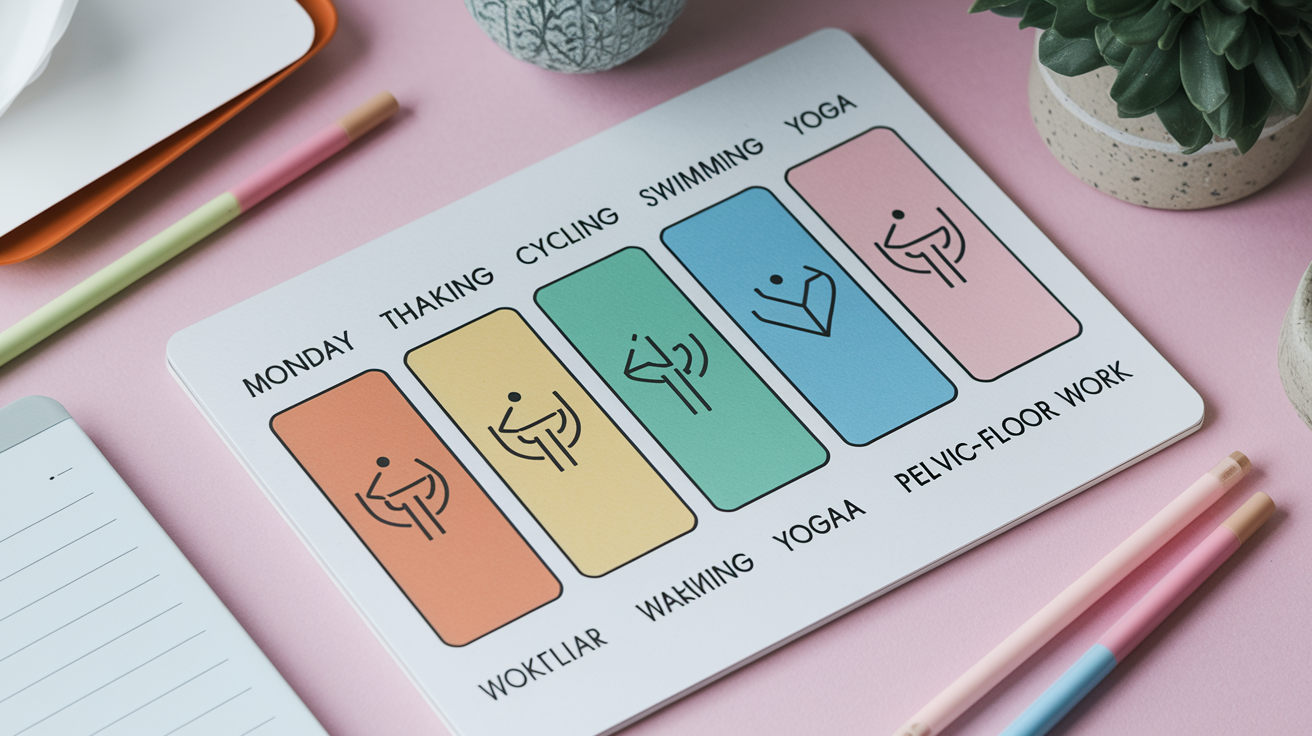
Structured weekly plans help you build consistency without overwhelming your digestive system. The beginner plan focuses on short, low-intensity sessions with frequent rest days, giving your gut time to adapt to increased activity. The moderate plan increases session length and frequency while keeping intensity and exercise selection GI-friendly.
Progress by adding 5 to 10 minutes to session duration every one to two weeks, or by adding one extra workout day per week. But only if you’ve had no GI symptoms for 48 to 72 hours after recent sessions.
Listen to your body and adjust immediately if you notice increased bloating, cramping, reflux, or changes in bowel habits. If symptoms occur, return to the previous week’s volume and intensity. Consider consulting a healthcare provider or registered dietitian who specializes in digestive health to identify potential food, timing, or hydration triggers.
Rest days are as important as training days for GI-sensitive individuals. They let your gut lining repair, your nervous system recover, and your digestive rhythm stabilize.
| Day | GI-Friendly Workout (Beginner Plan) |
|---|---|
| Monday | 20–30 min brisk walk at 3–4 mph |
| Tuesday | 20–30 min gentle yoga (focus on child’s pose, gentle twists, supported backbends) |
| Wednesday | 20–40 min easy cycling or elliptical (RPE 4–6/10) |
| Thursday | Rest or 15–20 min pelvic-floor routine + 10–15 min walk |
| Friday | 30–40 min swim or water aerobics |
| Saturday | 20–30 min mixed walk + mobility/yoga |
| Sunday | Active recovery: 20 min easy walk; pelvic-floor exercises (3 sets) |
Final Words
Start with short, low-impact sessions—20–30 minute walks, gentle cycling, swimming, or restorative yoga—to ease bloating and speed gut motility.
Add daily low-intensity core and pelvic-floor work, mind your meal timing, and sip fluids during activity. These steady moves reduce pressure, calm reflux, and lower urgency.
Use the featured workouts that minimize GI distress as your base, tweak intensity and timing, and you’ll likely notice fewer flare-ups and steadier energy within weeks. Small, consistent steps add up—keep going.
FAQ
Q: What are the 4 R’s of gut healing?
A: The 4 R’s of gut healing are Remove, Replace, Reinoculate, and Repair. Remove triggers, replace missing enzymes/nutrients, reinoculate with beneficial bacteria, and repair the gut lining with supportive nutrients and habits.
Q: What exercises calm your stomach?
A: Exercises that calm your stomach include walking (20–30 minutes after meals), gentle cycling at RPE 4–6/10, swimming, restorative yoga poses, and low-intensity core and pelvic-floor practice.
Q: What is the 5 4 3 2 1 workout method?
A: The 5-4-3-2-1 workout method is a descending-rep format: perform five reps, then four, three, two, and one—either across different exercises or rounds—to boost strength and time efficiency.
Q: How to get a ⏳ figure?
A: To get an hourglass figure, build shoulders and glutes with resistance training, tighten the waist with core and pelvic-floor work, and reduce body fat modestly through steady nutrition and cardio.