


Think herbs and supplements are mostly placebo?
They’re not.
Some reliably ease bloating in 30 to 90 minutes, and others fix the bigger causes over days.
This post cuts through the hype and gives the simple, evidence-informed options that actually work, how they work, and exactly when to take them.
You’ll get fast moves like peppermint and ginger, night-before fixes like magnesium, and longer-term support from probiotics (beneficial bacteria that help digestion).
Read on to stop the tight, gassy belly without guessing.
Fast-Acting Natural Options for Immediate Bloating Relief
Digestive enzymes, probiotics, and certain minerals can deliver symptom relief within 30 to 90 minutes if you use them right. Enzymes work fastest because they start breaking down proteins, fats, and carbs immediately—before those nutrients ferment into gas. Probiotics help regulate stool patterns and calm inflammation, but most people need a few days of consistent use before they notice real relief. Magnesium tackles constipation-related bloating by pulling water into your intestines and relaxing digestive muscles. You’ll often see results by morning.
Timing matters more than most people think. Take digestive enzymes with your first bite so they can get to work as food hits your stomach. If you’re already bloated, enzymes won’t do much since the food’s already moved on. Probiotics work best when you take them at the same time every day, usually first thing in the morning or before bed. Magnesium for constipation relief does its thing overnight, so take it in the evening with plenty of water.
Several herbs deliver quick relief when you brew them as tea or take them in supplement form. Peppermint relaxes your intestinal muscles within 30 to 60 minutes. Ginger gets your stomach emptying faster and cuts down on that post-meal fullness. Fennel seeds release trapped gas when you chew them or steep them after eating. Chamomile calms intestinal spasms. Lemon balm soothes abdominal discomfort, especially when stress is part of the picture.
Fast options worth trying:
- Digestive enzyme complex taken with first bite
- Enteric-coated peppermint oil 15 to 30 minutes before eating
- Fresh ginger tea during or after meals
- Magnesium citrate 200 to 400 mg at bedtime
- Fennel tea made with 1 to 2 grams crushed seeds after dinner
Core Herbal Remedies for Bloating and Gas Relief

Peppermint’s the most researched anti-bloating herb out there. It’s got menthol, which blocks calcium channels in your intestinal smooth muscle and stops the cramping that traps gas. Most people feel better within 30 to 60 minutes, whether they’re drinking peppermint tea or taking it as oil. Peppermint tea works for mild bloating. Enteric-coated peppermint oil capsules deliver stronger, longer-lasting effects and there’s solid research backing them up for IBS symptoms like bloating and abdominal pain.
Ginger speeds up how fast food moves through your digestive tract. Less time for bacteria to ferment undigested carbs into gas. It also knocks out nausea and that heavy feeling after meals. Fresh grated ginger steeped in hot water works well when you sip it 15 to 30 minutes before eating or right after a big meal. Ginger supplements standardized to gingerol content give you consistent dosing if you’d rather skip the tea. Typical doses run from 250 to 1,000 mg daily, split across meals.
Fennel seeds have been around for centuries as a flatulence remedy. They contain anethole, a compound that relaxes the muscles lining your digestive tract and helps trapped gas move along. Crush one to two grams of fennel seeds and steep them in hot water for five to ten minutes, then drink after meals when bloating tends to spike. Fennel tastes mildly like licorice, which most people can handle. In some traditional practices, people just chew a teaspoon of fennel seeds after eating.
Chamomile offers anti-spasmodic and mild anti-inflammatory effects that calm an irritated gut. It might also knock down Helicobacter pylori, the bacteria linked to ulcers and related bloating. Chamomile tea made from dried flowers (not leaves or stems) is what you’ll usually see. Steep one to two grams of flowers for five minutes and drink between meals or before bed. Chamomile also has mild calming properties, which helps if stress worsens your gut symptoms.
Lemon balm soothes stomach pain and might relieve constipation-related bloating. The European Medicines Agency’s Committee on Herbal Medicinal Products backs its traditional use for mild digestive discomfort, including bloating and gas. You’ll typically drink lemon balm as a tea made from dried leaves. Clinical evidence in humans is still pretty limited compared to peppermint and ginger, but it’s got centuries of traditional use and a good safety profile. That makes it a reasonable option if you want something gentle.
Peppermint Oil for Spasm-Driven Bloating
Enteric-coated peppermint oil capsules bypass your stomach and release their contents in the small intestine, where cramping and gas often start. Clinical trials in people with IBS have used doses of 0.2 to 0.4 mL three times daily, which is roughly one capsule per dose. The enteric coating stops the oil from causing heartburn or reflux, side effects that happen when peppermint oil gets released too early.
Common mechanisms across these herbs:
- Anti-spasmodic effects that relax intestinal smooth muscle
- Motility boost that moves gas and stool through your gut
- Gas reduction by preventing fermentation or releasing trapped air
- Mild anti-inflammatory actions that calm irritated tissue
Evidence-Based Supplements That Reduce Bloating
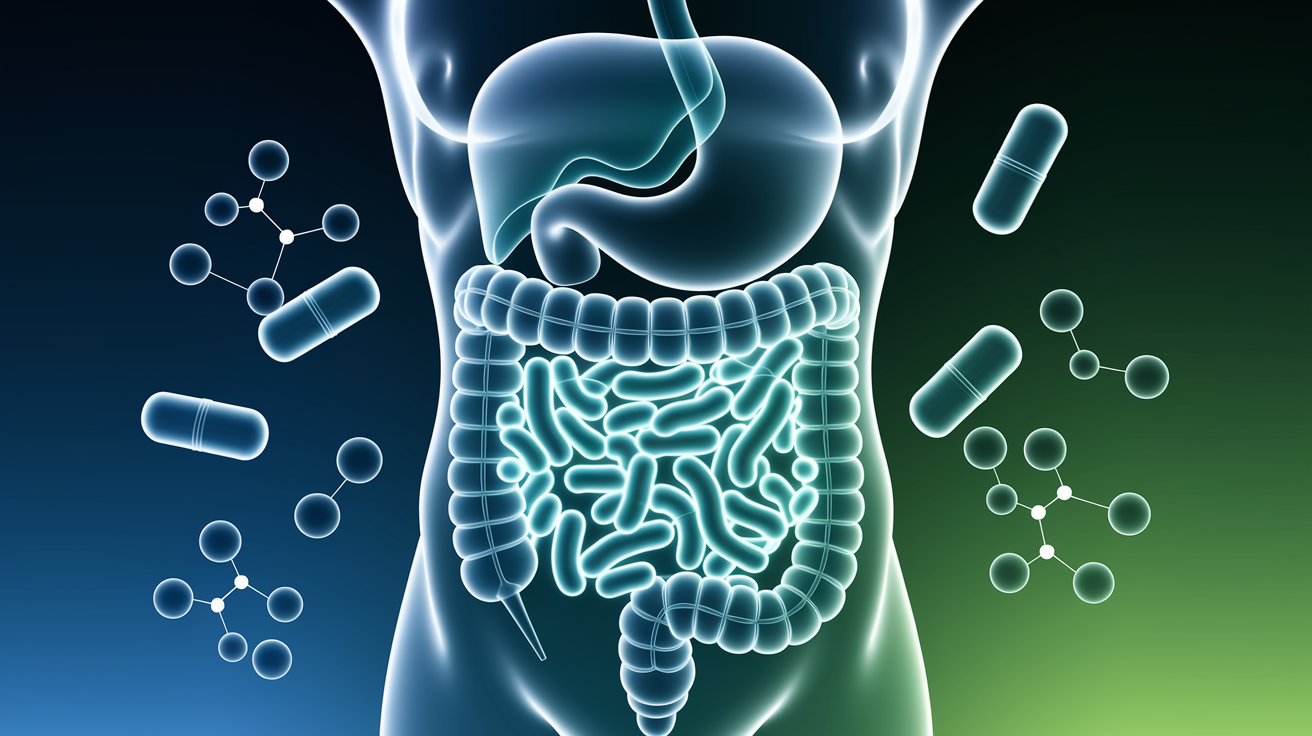
Probiotics restore the good bacteria that keep digestion running smoothly, reduce inflammation, and improve stool consistency. Strains like Lactobacillus and Bifidobacterium get studied most often for bloating and IBS. Doses typically range from 10 billion to 100 billion CFUs per day, though more isn’t always better. What matters more is strain diversity and whether the product contains strains proven to survive stomach acid and actually colonize your gut. Probiotics often cause temporary gas during the first week or two as your gut flora adjusts, but symptoms usually improve with regular use.
Digestive enzymes break down proteins, fats, and carbs before gut bacteria can ferment them into gas. Look for broad-spectrum formulas that include lipase (for fats), amylase (for starches), protease (for proteins), and lactase (for dairy). Some blends also have alpha-galactosidase, which breaks down complex sugars in beans and cruciferous vegetables. Take one to two capsules with your first bite of each meal. Digestive enzymes work right away, so they’re especially helpful if you know a specific food is going to cause bloating.
Magnesium helps relieve bloating from constipation. It pulls water into your intestines and relaxes the muscles that move stool through your colon. Magnesium citrate is what most people use for digestive relief, usually at 200 to 400 mg per day. Take it in the evening with a full glass of water to get a bowel movement the next morning. Start low and increase gradually to avoid loose stools. People with severe kidney disease should skip magnesium supplements or check with a healthcare provider first.
Combination herbal blends pair probiotics or digestive enzymes with ginger, peppermint, fennel, or other gut-soothing herbs to tackle multiple causes of bloating at once. Clinical formulas like these have shown measurable reductions in bloating, gas, and post-meal discomfort in short-term trials. Some products also include licorice root or other botanicals to support your gut lining. These blends are convenient if you’d rather take one supplement instead of juggling multiple bottles, though they’ll cost more than buying individual ingredients separately.
| Supplement Type | Mechanism | Typical Dose Range |
|---|---|---|
| Probiotics | Restore beneficial bacteria, improve stool consistency, reduce inflammation | 10–100 billion CFU daily |
| Digestive Enzymes | Break down proteins, fats, and carbs to prevent fermentation | 1–2 capsules with each meal |
| Magnesium (citrate) | Draws water into intestines, relaxes colon muscles | 200–400 mg daily |
| Herbal Blends | Combines probiotics, enzymes, and gut-soothing herbs for multi-pathway relief | Follow product label |
Dosage, Timing, and Safe Use of Bloat-Relieving Herbs and Supplements
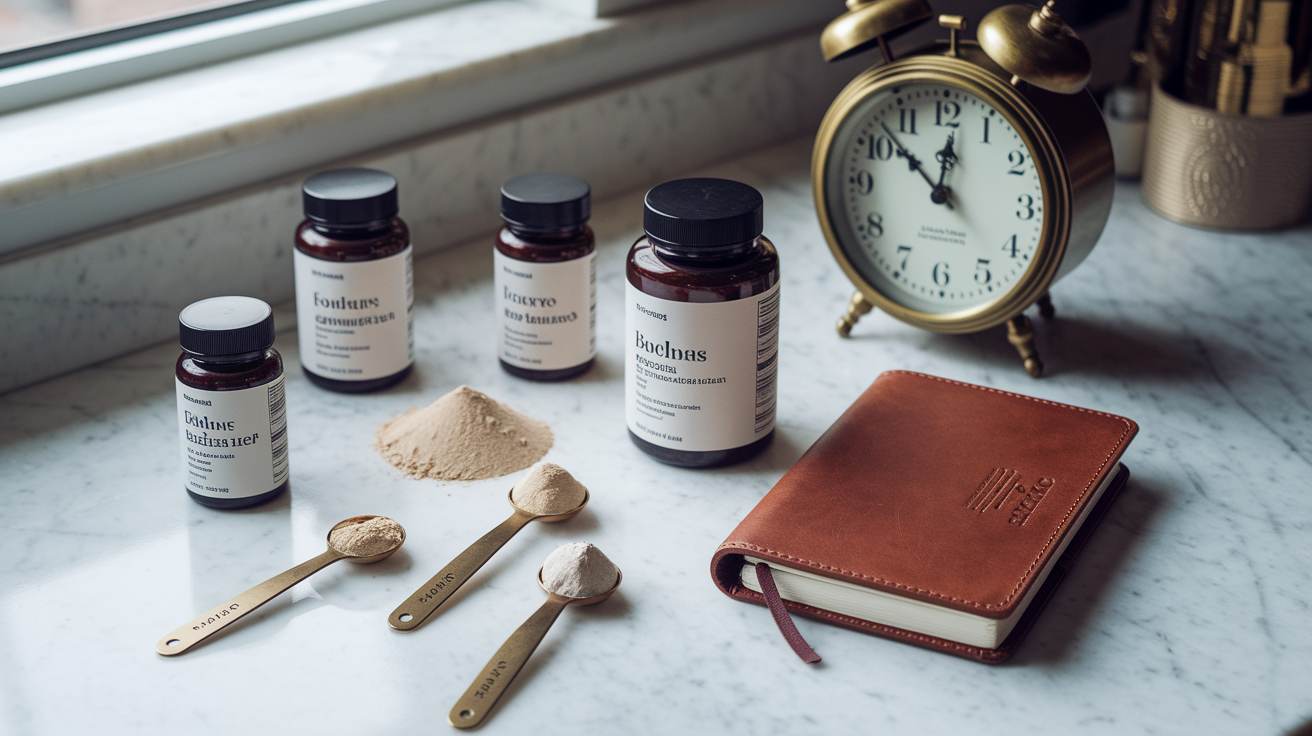
Start at the lower end of recommended doses and increase gradually over one to three weeks. Peppermint oil is usually dosed at 0.2 to 0.4 mL three times daily in enteric-coated capsules. Ginger ranges from 250 to 1,000 mg per day, split across meals or taken as tea. Fennel tea uses one to two grams of crushed seeds steeped for five minutes after meals. Magnesium citrate for constipation relief is typically 200 to 400 mg taken at bedtime. Probiotics vary a lot by product, but most clinical studies use 10 to 50 billion CFUs daily. Take probiotics at the same time each day, preferably with food or first thing in the morning.
Timing relative to meals determines how well herbs and enzymes work. Digestive enzymes need to be taken with your first bite so they can start breaking down food immediately. Ginger and peppermint work best when taken 15 to 30 minutes before eating or during the meal. Fennel, chamomile, and lemon balm teas are most effective after meals, when bloating usually gets worse. Magnesium’s best taken at night because it produces a bowel movement within 6 to 12 hours.
Side effects are usually mild but worth knowing before you start. Probiotics might cause temporary gas or bloating during the first two weeks while your gut bacteria adjust. Ginger can trigger heartburn at higher doses and might interact with blood-thinning meds like warfarin. Peppermint can worsen acid reflux or GERD in some people, which is why enteric-coated capsules are better than regular peppermint oil. Fennel might have mild estrogenic effects, so use it carefully during pregnancy or if you’ve got hormone-sensitive conditions. Prebiotics like inulin often increase gas and can make symptoms worse in people with SIBO.
Common precautions when using bloat-relieving supplements:
- Start with lower doses and work up slowly over one to three weeks
- Take probiotics consistently at the same time each day for best results
- Skip peppermint if you’ve got significant acid reflux or GERD
- Be cautious with ginger if you take blood thinners or have surgery coming up
- Space out probiotic and antibiotic doses by at least two hours if taking both
- Check with a healthcare provider before using magnesium if you have kidney disease
Additional Herbal Options for Persistent Bloating

Traditional herbal systems recommend several secondary herbs when peppermint and ginger don’t fully do the job. Turmeric contains curcumin, which reduces gut inflammation and might improve symptoms in people with IBS or inflammatory bowel conditions. Dandelion root acts as a mild diuretic and could relieve water retention that looks like bloating. Activated charcoal binds gas in your intestines and sometimes gets used for acute bloating episodes, though it can mess with nutrient and medication absorption if you use it regularly. Digestive bitters made from gentian root stimulate bile production and improve fat digestion, which helps if bloating spikes after fatty meals.
Traditional Persian Medicine leans on culinary herbs like cumin, celery seed, anise, black cumin, mastic, thyme, dill, parsley, basil, and mint to reduce gas and support digestion. These herbs are usually added to food during cooking or consumed as teas after meals. Caraway seeds work similarly to fennel and show up often in European traditions for gas relief. Coriander seeds have mild gas-relieving effects and are commonly paired with cumin in spice blends. Clinical evidence for most of these herbs is still pretty limited, but they’ve got centuries of traditional use and good safety profiles when consumed in normal food amounts.
Secondary herbs for bloating relief:
- Turmeric (curcumin) for gut inflammation
- Dandelion root as mild diuretic and digestive stimulant
- Activated charcoal for acute gas trapping (short-term use only)
- Gentian root bitters to stimulate bile and improve fat digestion
- Anise seeds as gas reliever similar to fennel
- Coriander and caraway seeds for gas relief in cooking
- Celery seed, thyme, dill, parsley, basil, and mint as culinary digestive aids
When Bloating Signals an Underlying Digestive Issue

Bloating that sticks around despite diet changes and supplements often points to something else going on. Lactose intolerance causes gas, cramping, and bloating within 30 minutes to two hours after you eat dairy. IBS affects 10 to 20 percent of adults and includes bloating alongside changes in how often you go or what your stool looks like. SIBO happens when bacteria colonize your small intestine and ferment food before it reaches your colon, producing way too much gas and distension. Food intolerances to gluten, FODMAPs, or other triggers can cause chronic bloating that gets worse after specific meals.
Herbs and supplements relieve symptoms but don’t fix root causes. If you’re lactose intolerant, peppermint tea might reduce discomfort after eating dairy, but ditching dairy or using lactase enzyme supplements solves the problem more effectively. If SIBO’s causing your bloating, probiotics and prebiotics might actually make things worse because they feed the overgrown bacteria in the wrong spot. Inflammatory bowel diseases like Crohn’s or ulcerative colitis need medical management. Herbs alone can’t control inflammation or prevent complications.
Track your symptoms for one to four weeks to spot patterns. Write down what you eat, when bloating happens, and how bad it feels. If bloating happens mostly after dairy, suspect lactose intolerance. If it gets worse with beans, onions, garlic, and cruciferous vegetables, consider a FODMAP issue. If bloating’s constant no matter what you eat, or if it comes with pain, weight loss, or bloody stools, stop trying to handle it yourself and see a healthcare provider.
Signs that bloating needs medical evaluation:
- Severe or worsening stomach pain not relieved by passing gas
- Unintentional weight loss or loss of appetite
- Bloody or black stools
- Bloating that lasts all day no matter what you eat
Lifestyle Habits That Boost the Effectiveness of Herbs and Supplements

Chewing each bite 10 to 20 times before swallowing gives your saliva time to release digestive enzymes and signals your stomach to get ready for incoming food. Eating quickly or swallowing big pieces forces your gut to work harder, which slows digestion and increases fermentation. Skip liquids during meals because they dilute stomach acid and digestive enzymes. Sip water between meals instead, going for steady hydration throughout the day rather than chugging large amounts all at once.
Don’t drink carbonated beverages, chew gum, or use straws. All three make you swallow extra air. That air piles up in your stomach and intestines, adding to bloating even if your digestion’s otherwise working fine. Soaking one tablespoon of flaxseeds in half a glass of water for 30 minutes and drinking the mixture helps relieve constipation-related bloating by adding soluble fiber and moisture to stool. Eating lighter dinners improves digestion because your body’s natural digestive capacity slows later in the day according to traditional Chinese medicine principles. Heavy evening meals sit in your gut longer and ferment overnight, causing morning bloating.
Movement throughout the day gets peristalsis going, those wave-like muscle contractions that move food and gas through your intestines. Walk for 10 to 15 minutes after meals instead of sitting or lying down. Even light activity helps prevent the sluggish digestion that comes from sitting too long. Managing stress also matters because chronic stress cuts down stomach acid production, slows gut motility, and increases visceral hypersensitivity. That’s the sensation of bloating even when gas levels are normal.
Habits that boost herb and supplement effects:
- Chew each bite 10 to 20 times to trigger enzyme release
- Skip liquids during meals to avoid enzyme dilution
- Avoid carbonated drinks, gum, and straws to reduce swallowed air
- Soak flaxseeds in water for constipation-related bloating
- Eat lighter dinners to support evening digestion
- Walk 10 to 15 minutes after meals to get your gut moving
Final Words
Start with a simple, fast plan: try a digestive enzyme before a trigger meal, sip peppermint or ginger when bloating starts, and use magnesium or a probiotic if constipation’s the issue.
Then layer in core herbs—peppermint oil for spasms, ginger for motility, fennel and chamomile for mild relief—and follow dose and timing tips. Watch for reflux, blood‑thinner interactions, and the short adjustment period some probiotics cause.
Keep habits steady: chew thoroughly, move after meals, hydrate. If symptoms persist, see a provider. For a practical starting kit, focus on herbs and supplements to reduce bloating.
FAQ
Q: What herbs take away bloating?
A: The herbs and natural remedies that reduce bloating are peppermint, ginger, fennel, chamomile, and lemon balm; use tea or standard capsules, which soothe spasms, reduce gas, and speed digestion for quick symptom relief.
Q: What supplements should I take to get rid of bloating? How do I quickly debloat my belly?
A: The supplements and quick actions to debloat fast are digestive enzymes (take with meals), probiotics daily (10–100 billion CFU), magnesium for constipation (200–400 mg at night), and enteric-coated peppermint oil; walk and avoid carbonated drinks.