

Not all probiotics are created equal — some do nothing and some really help.
Probiotics (live bacteria and yeast) can reduce antibiotic-related diarrhea, ease bloating, and help stool regularity.
If you’ve been overwhelmed by labels and claims, this piece cuts through the noise.
I’ll show which specific, science-backed strains work for common gut problems, how much to take, and what to look for on labels so you don’t waste money.
Read on to find the simple, science-backed choices that actually move the needle for your gut.
Key Answers About How Probiotics Support Gut Health
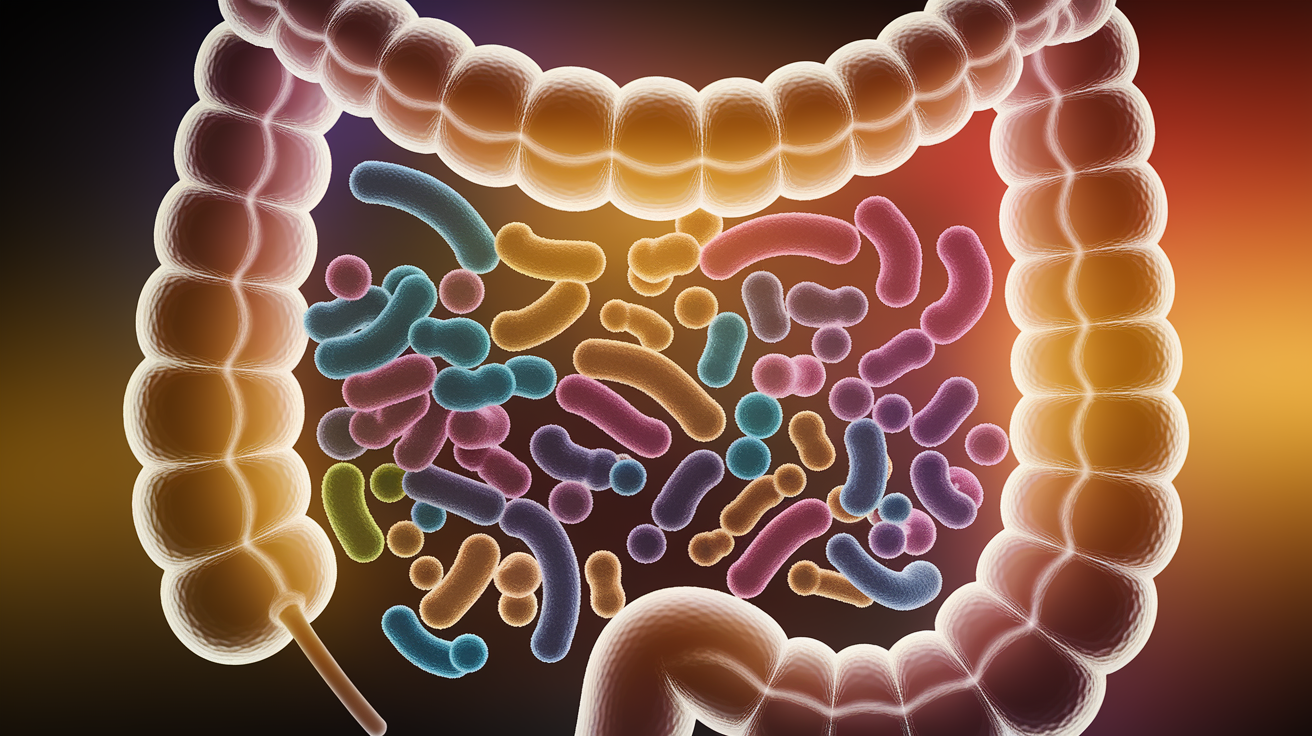
Probiotics are live bacteria and yeast that can improve your health when you take enough of them. They compete with harmful bacteria for resources, produce compounds like short-chain fatty acids that feed your gut lining, strengthen your intestinal barrier, and help your immune system work better. These changes start in your gut, but they can affect energy, mood, and immune function throughout your body.
Your gut microbiome is trillions of bacteria, yeast, and other microbes living in your digestive tract. When harmful species start to outnumber the good ones (after antibiotics, illness, stress, or eating barely any fiber), you’ll usually feel it: bloating, irregular bathroom trips, low energy. Probiotics push things back toward balance by crowding out pathogens and making helpful compounds like butyrate that feed the cells lining your colon.
Research shows probiotics can deliver real improvements for specific gut issues, usually within 2 to 4 weeks if you’re consistent. The strongest evidence supports using them to reduce antibiotic-related diarrhea, ease some IBS symptoms, shorten acute infectious diarrhea, and support gut barrier function. You need the right strain for your symptom and you need to stick with it long enough to see what happens.
Here’s what probiotics can help with:
- Antibiotic-related diarrhea — Many formulas lower your risk of diarrhea triggered by antibiotics.
- IBS symptom relief — Certain multi-strain products improve bloating and stool consistency for some people with IBS.
- Bloating and gas — Symptom improvement often shows up within the first month of daily use.
- Constipation and diarrhea — Specific strains can help normalize how fast things move and what your stool looks like.
- Gut barrier and immune support — Probiotics strengthen the intestinal lining and support immune function in your gut.
Understanding Probiotic Strains and Their Roles in Gut Balance

Not all probiotics do the same thing. The benefit you get depends on genus, species, and strain. A Lactobacillus rhamnosus GG and a Lactobacillus acidophilus both belong to the Lactobacillus family, but they’ve been studied for different conditions and work in slightly different ways. Labels that only say “proprietary blend” without naming exact strains aren’t giving you enough information to know if the product matches your goal.
Strain specificity is why two probiotic bottles sitting next to each other can produce completely different results. Clinical research tests individual strains or specific combinations against particular symptoms, so evidence for reducing antibiotic-related diarrhea with Lactobacillus rhamnosus GG doesn’t automatically transfer to a random Lactobacillus species in a different product. When you’re choosing a probiotic, you want the full scientific name on the label: genus, species, and ideally a strain identifier.
Lactobacillus Strains
Lactobacillus species are some of the most studied probiotics for digestive support. Lactobacillus rhamnosus GG is well-researched for preventing and treating diarrhea, especially the kind that follows antibiotic courses or acute infections. Lactobacillus acidophilus shows up in many general gut health formulas and is commonly used to support overall digestion. It also helps maintain a healthy vaginal and urinary tract environment in women. These strains produce lactic acid, which lowers gut pH slightly and makes the environment less friendly to pathogens.
Bifidobacterium Strains
Bifidobacterium species live mostly in the colon and are especially helpful for people dealing with constipation, slow transit, and some forms of IBS. Bifidobacterium longum and Bifidobacterium bifidum have been studied for improving stool consistency, reducing bloating, and supporting immune function in the gut lining. Because they colonize the large intestine, these strains often appear in formulas aimed at colon health and regularity.
Saccharomyces boulardii
Saccharomyces boulardii is a yeast, not a bacteria, which gives it a unique advantage: antibiotics don’t affect it. That makes it the go-to probiotic for preventing antibiotic-related diarrhea and reducing the risk of Clostridioides difficile infection recurrence when used alongside standard treatment. It’s also commonly recommended for traveler’s diarrhea. Typical clinical doses range from 250 to 500 mg per day, and it’s usually continued for the duration of antibiotic treatment plus a week or two after.
Comparing Food Sources of Probiotics for Everyday Gut Support

Fermented foods are the original probiotics. Yogurt, kefir, sauerkraut, kimchi, miso, and other naturally fermented products contain live cultures that can contribute to a healthy gut microbiome. These foods bring more than just bacteria. They also deliver vitamins, minerals, and bioactive compounds produced during fermentation. The downside is you rarely know exactly which strains you’re getting or how many live organisms survive processing, storage, and your stomach acid on the way to your colon.
The number of live bacteria in fermented foods varies widely depending on how the product was made, how it was stored, and whether it was pasteurized after fermentation (which kills the live cultures). A serving of plain yogurt with live cultures might contain anywhere from 1 million to 1 billion colony-forming units (CFU), while a cup of kefir can range even higher. Refrigerated, raw sauerkraut and kimchi offer live cultures too, but canned or shelf-stable versions are often pasteurized and contain none.
| Food | Typical CFU Range | Notes |
|---|---|---|
| Yogurt | 10⁶–10⁹ per serving | Look for “live and active cultures” label; varies by brand and age |
| Kefir | 10⁷–10⁹ per cup | Often higher diversity of strains than yogurt; refrigerated shelf life matters |
| Sauerkraut | 10⁶–10⁸ per serving | Must be raw/unpasteurized; refrigerated section only |
| Kimchi | 10⁶–10⁸ per serving | Live cultures decline over time; check for “raw” or “unpasteurized” label |
Choosing a Probiotic Supplement With Ingredients That Work
Probiotic supplements give you strain-specific formulations with labeled CFU counts, which makes it easier to match a product to a particular symptom or goal. When you’re shopping, the first thing to check is whether the label lists the full genus, species, and strain for each organism in the product. “Lactobacillus rhamnosus GG” tells you exactly what you’re getting, while “proprietary probiotic blend” leaves you guessing.
CFU count matters, but only if it’s guaranteed at the time of expiration, not just at manufacture. A bottle that starts with 50 billion CFU but drops to 5 billion by the time you open it six months later isn’t delivering what you think. Look for phrases like “CFU at expiry” or “guaranteed potency through expiration date” on the label. Typical over-the-counter supplements range from 1 billion to 50 billion CFU per serving. Higher isn’t always better. Strain selection and delivery method often matter more than raw CFU count.
Formulation and storage affect whether the probiotics survive your stomach acid and make it to your intestines alive. Enteric-coated or delayed-release capsules resist stomach acid and open in the small intestine, which improves survival rates. Some products are shelf-stable and can sit at room temperature up to about 77°F (25°C), while others require refrigeration between 36 to 46°F (2 to 8°C). Follow the storage instructions or you’ll end up with dead bacteria long before the expiration date.
Quick checklist for evaluating probiotic supplements:
- Strain identification — Full genus, species, and strain names listed (e.g., Bifidobacterium longum NCC3001), not just “Lactobacillus blend.”
- CFU at expiration — Label states CFU count at end of shelf life, not just at manufacture; typical doses range from 1 to 50 billion CFU per day.
- Storage requirements — Clear refrigeration or shelf-stable storage guidance; improper storage kills live cultures.
- Third-party testing — Independent certification (NSF, USP, or similar) confirms potency and purity; not required but adds confidence.
- Formulation features — Enteric coating, delayed-release capsules, or inclusion of prebiotics can improve effectiveness; simple single-strain products can work just as well for targeted use.
- Allergen and additive warnings — Check for dairy, soy, gluten, or other carriers if you have sensitivities; some capsules use gelatin, others use vegetarian alternatives.
How to Dose Probiotics for Gut Health Results
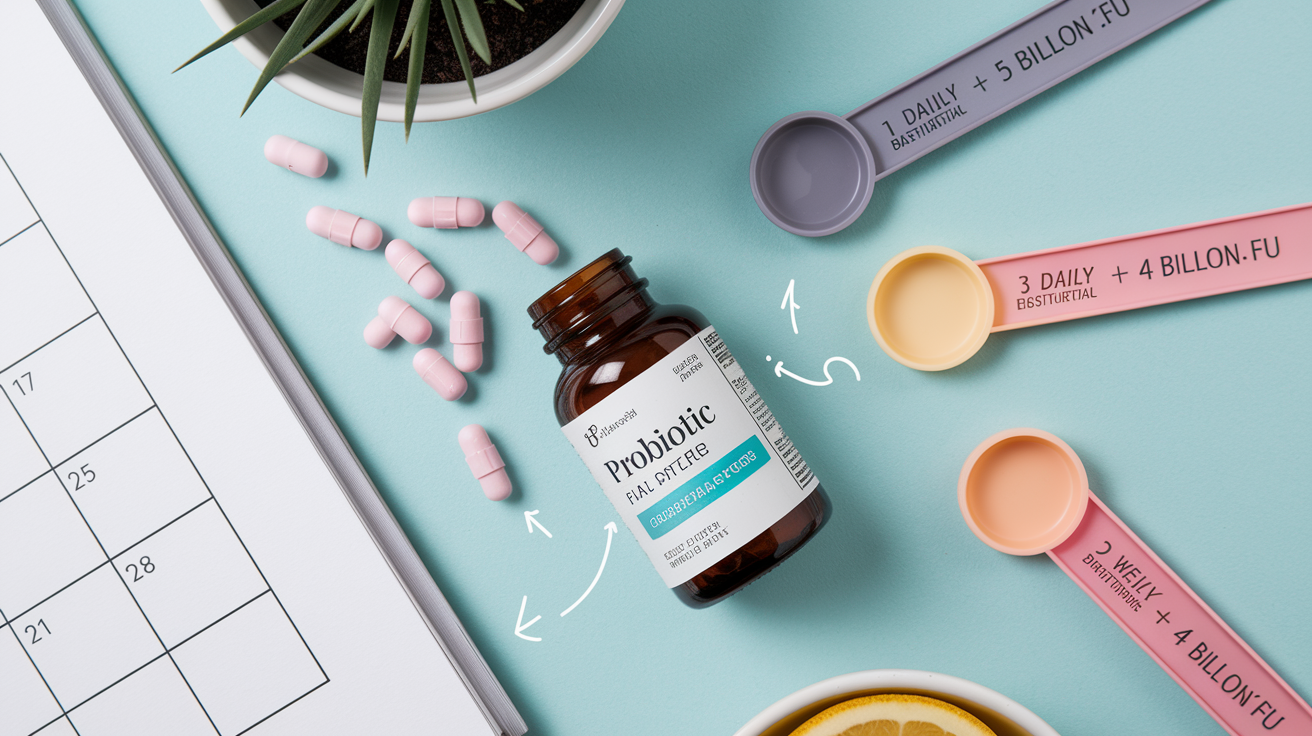
Most people see benefits with daily doses between 1 billion and 10 billion CFU for general gut maintenance, while clinical studies for specific conditions like IBS or antibiotic-related diarrhea often use 10 billion to 50 billion CFU per day. Pediatric doses are typically lower, usually 1 to 5 billion CFU per day depending on the child’s age and the product’s formulation. The key is consistency. Probiotics work best when taken daily, and most people notice symptom improvements within 2 to 4 weeks if the strain is a good match for their issue.
Timing can influence how well probiotics survive the trip to your gut. Taking them with a small meal or snack seems to buffer stomach acid slightly and improve survival, though some delayed-release formulas are designed to be taken on an empty stomach. If you’re using probiotics alongside antibiotics, space them about 2 hours apart so the antibiotic doesn’t kill the probiotic before it has a chance to work.
Simple approach to dosing probiotics:
- Start with a maintenance dose — Begin with 1 to 10 billion CFU per day for general gut support; if you’re addressing a specific symptom, consider a higher dose (10 to 50 billion CFU) based on strain-specific research.
- Adjust the dose based on your goal — Conditions like IBS or post-antibiotic recovery might benefit from higher CFU counts; general wellness and prevention can stay at the lower end.
- Choose a consistent time of day — Morning with breakfast or evening with dinner both work; the important part is daily routine, not the exact hour.
- Follow age-appropriate guidelines — Children typically need 1 to 5 billion CFU per day; always check the product label for pediatric dosing and consult a pediatrician for infants.
- Evaluate results after 2 to 4 weeks — If you’re not noticing any improvement in symptoms by week four, the strain might not be the right match; consider switching to a different species or consulting a gastroenterologist for personalized advice.
Using Probiotics With Antibiotics and During Digestive Disruptions
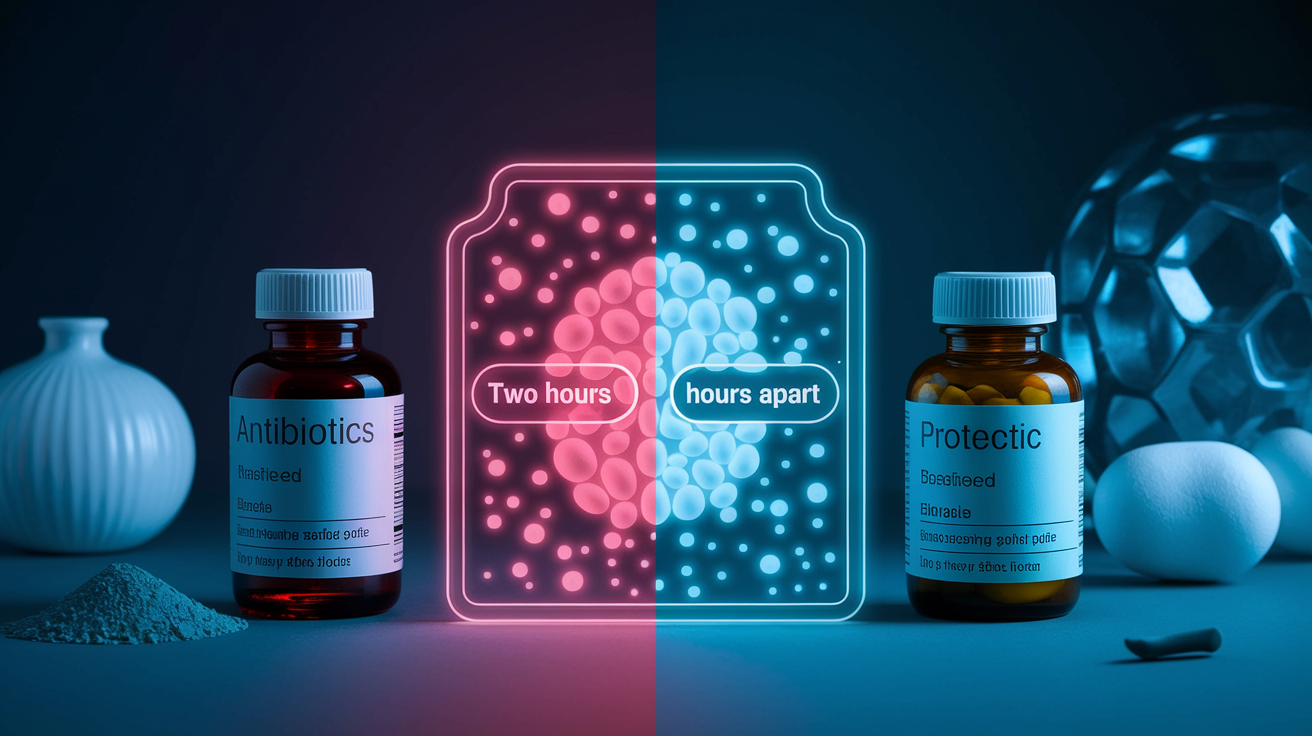
Antibiotics save lives, but they don’t discriminate. They wipe out harmful bacteria along with the beneficial species in your gut, which often leads to diarrhea, bloating, or yeast overgrowth. Taking a probiotic during and after an antibiotic course can help prevent or reduce these side effects. The trick is timing. Because antibiotics kill bacteria indiscriminately, you need to space your probiotic dose about 2 hours away from your antibiotic dose so the probiotic has a chance to colonize before the next antibiotic hit.
Saccharomyces boulardii is especially useful here because it’s a yeast, not a bacteria, so antibiotics don’t affect it at all. Lactobacillus rhamnosus GG is another well-studied option for preventing antibiotic-related diarrhea. Most practitioners recommend continuing the probiotic for 7 to 14 days after you finish the antibiotic to give your gut microbiome time to stabilize. If you’re traveling to areas with higher risk of infectious diarrhea, starting a probiotic a few days before departure and continuing through your trip can offer some protection, though it’s not foolproof.
- Space probiotic and antibiotic doses 2 hours apart — This improves the chance that live probiotic organisms survive and reach your gut.
- Use Saccharomyces boulardii or Lactobacillus rhamnosus GG — These strains have the strongest evidence for preventing antibiotic-related diarrhea.
- Continue probiotics 7 to 14 days after finishing antibiotics — This gives your gut time to rebalance and reduces the risk of prolonged digestive upset.
- Consider probiotics for traveler’s diarrhea prevention — Certain strains can shorten the duration of infectious diarrhea if you do get sick, and might reduce your overall risk when started a few days before travel.
When Probiotics Help IBS, Bloating, Constipation, and Diarrhea
Irritable bowel syndrome (IBS) is one of the most common reasons people reach for probiotics, and some multi-strain formulas have shown real symptom improvement in clinical trials, especially for bloating and irregular stool consistency. The catch is that IBS is an umbrella term covering different underlying issues, so a probiotic that helps one person’s IBS-D (diarrhea-predominant) might not touch another person’s IBS-C (constipation-predominant). If you have IBS, look for products that have been studied specifically in IBS populations, and give any new probiotic at least 4 weeks before deciding if it’s working.
Constipation and diarrhea often respond to different probiotic strains. Bifidobacterium species (particularly Bifidobacterium longum and Bifidobacterium lactis) are commonly recommended for constipation because they help improve stool frequency and consistency. For diarrhea, Lactobacillus strains and Saccharomyces boulardii can shorten the duration of acute episodes and reduce the number of loose stools per day. The timeframe for improvement varies, but many people notice changes within the first 2 to 4 weeks of daily use.
Bloating is one of the most frustrating digestive symptoms because it can have so many causes: gas production by certain gut bacteria, slow motility, food intolerances, or an imbalanced microbiome. Probiotics won’t fix bloating caused by swallowing air or eating gas-producing foods like beans, but they can help if your bloating stems from dysbiosis (an imbalance in gut bacteria). Multi-strain formulas that include both Lactobacillus and Bifidobacterium species tend to perform better for bloating than single-strain products, likely because they address a broader range of microbial imbalances.
- IBS symptom support — Multi-strain blends with Lactobacillus and Bifidobacterium species; results vary by IBS subtype and individual microbiome.
- Constipation relief — Bifidobacterium longum, Bifidobacterium lactis, and Lactobacillus casei have evidence for improving stool frequency and form.
- Diarrhea management — Lactobacillus rhamnosus GG, Lactobacillus acidophilus, and Saccharomyces boulardii reduce duration and severity of acute diarrhea episodes.
Safety, Side Effects, and Who Should Use Caution With Probiotics

Most people tolerate probiotics well. The most common side effects are mild and temporary: a bit of extra gas, bloating, or a slight change in bowel habits during the first few days to a week of use. These symptoms usually fade as your gut adjusts to the new bacteria. If bloating or discomfort worsens or lasts beyond two weeks, stop the probiotic and consider trying a different strain or a lower CFU count.
Serious adverse events are rare but have been reported in people who are severely immunocompromised, critically ill, or have central venous catheters. In these cases, live bacteria or yeast from probiotics can occasionally enter the bloodstream and cause infections like bacteremia or fungemia. If you’re undergoing chemotherapy, have advanced HIV/AIDS, are in an intensive care unit, or have a compromised immune system for any reason, talk to your doctor before starting a probiotic. The same caution applies to premature infants outside of specific medical protocols. For everyone else (including healthy kids, pregnant women, and older adults), probiotics are generally considered safe.
| Population | Level of Caution | Recommendation |
|---|---|---|
| Severely immunocompromised (chemotherapy, advanced HIV, organ transplant) | High | Consult physician before use; risk of systemic infection exists |
| Critically ill or hospitalized with central lines | High | Avoid probiotics unless directed by medical team; bloodstream infection risk |
| People with known allergies to dairy, soy, or specific additives | Moderate | Read labels carefully; some probiotics use dairy or soy as growth medium or carriers |
Combining Probiotics With Diet and Lifestyle for a Stronger Microbiome
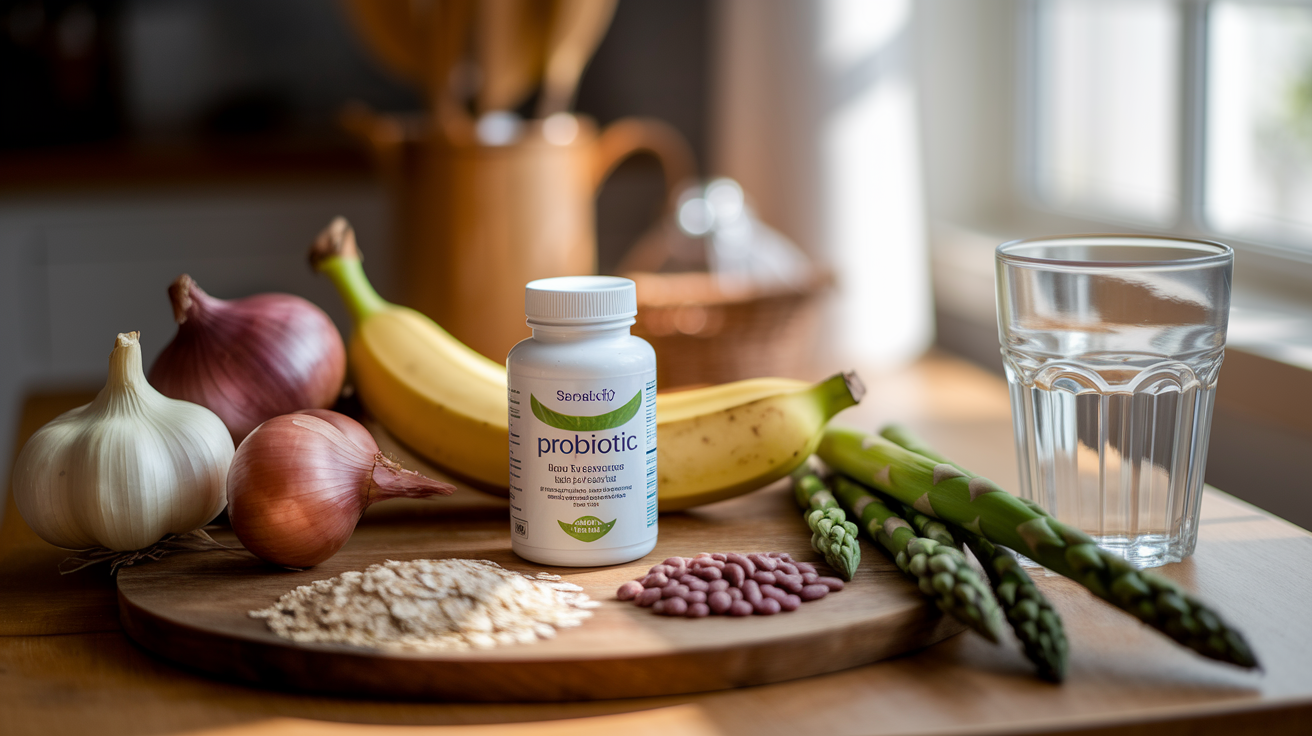
Probiotics work better when you give them the right fuel. Prebiotic fibers (like inulin, fructooligosaccharides, and resistant starch) are the food your gut bacteria ferment to produce short-chain fatty acids that strengthen your intestinal lining and regulate inflammation. You can buy prebiotic supplements, but it’s simpler and cheaper to eat fiber-rich foods like oats, bananas, garlic, onions, asparagus, and legumes. When you pair a daily probiotic with 25 to 35 grams of dietary fiber, you’re creating an environment where beneficial bacteria can thrive and multiply.
Consistency matters more than perfection. Taking a probiotic every day (even if your diet isn’t perfect) will deliver better results than sporadic use with a flawless meal plan. That said, lifestyle factors like chronic stress, poor sleep, and dehydration all affect your gut microbiome, so if you’re hoping probiotics will fix everything while you’re running on four hours of sleep and three cups of coffee, you’ll be disappointed. Think of probiotics as one piece of a larger gut health strategy, not a standalone fix.
- Eat fiber daily — Aim for at least 25 grams per day from whole grains, vegetables, fruits, and legumes; prebiotic fibers like inulin and FOS directly feed probiotic bacteria.
- Stay hydrated — Water supports mucus production in the gut lining and helps fiber do its job; aim for about half your body weight in ounces per day.
- Manage stress — Chronic stress disrupts the gut-brain axis and can shift your microbiome toward inflammatory species; even 10 minutes of daily breathwork or a short walk helps.
- Prioritize sleep — Your gut bacteria follow a circadian rhythm too; irregular sleep patterns can reduce microbial diversity and worsen digestive symptoms.
Final Words
Start by choosing a strain that fits your symptom, a clear CFU‑at‑expiry label, and a plan to try it for 2–4 weeks. Keep the dose practical and consistent.
Pair the product with fiber-rich foods, time it away from antibiotics, and expect mild gas while your system adapts. Check storage instructions and third‑party testing for reliability.
These simple steps make probiotics for gut health practical, not mysterious. Try one small change this week and note how you feel — small wins add up.
FAQ
Q: What is the best probiotic for your gut?
A: The best probiotic for your gut depends on your goal; choose a clinically studied, strain-specific product (for example, L. rhamnosus GG, B. longum, or S. boulardii), with CFU at expiry and matching symptoms.
Q: What are signs you need a probiotic?
A: Signs you need a probiotic include new or ongoing bloating, recurring diarrhea or constipation, recent antibiotics or traveler’s diarrhea, and worsening IBS symptoms; try a short trial and track changes.
Q: Should you take probiotics with GLP-1?
A: Taking probiotics with GLP-1 medications is generally safe and may ease GI side effects like constipation or bloating; there’s no known interaction, but check with your prescriber if immunocompromised.
Q: What probiotics are good for Mthfr mutation?
A: There’s no probiotic proven specifically for MTHFR mutation; choose strains that support folate-producing bacteria (some Lactobacillus and Bifidobacterium), focus on dietary folate, and consult your clinician.