


Think a pill is the quickest fix for a bloated belly? Think again.
A warm cup can calm trapped gas, ease cramps, and loosen that tight waistband faster than waiting it out.
Ginger and peppermint are your fastest bets for quick relief, while lemon water and fresh pineapple help speed digestion after heavy meals.
This post ranks the best anti-bloating drinks by how quickly and reliably they work, and gives simple timing and prep tips so you can feel better today.
Okay, not magic, but close.
Top Anti-Bloating Drinks Ranked by Effectiveness
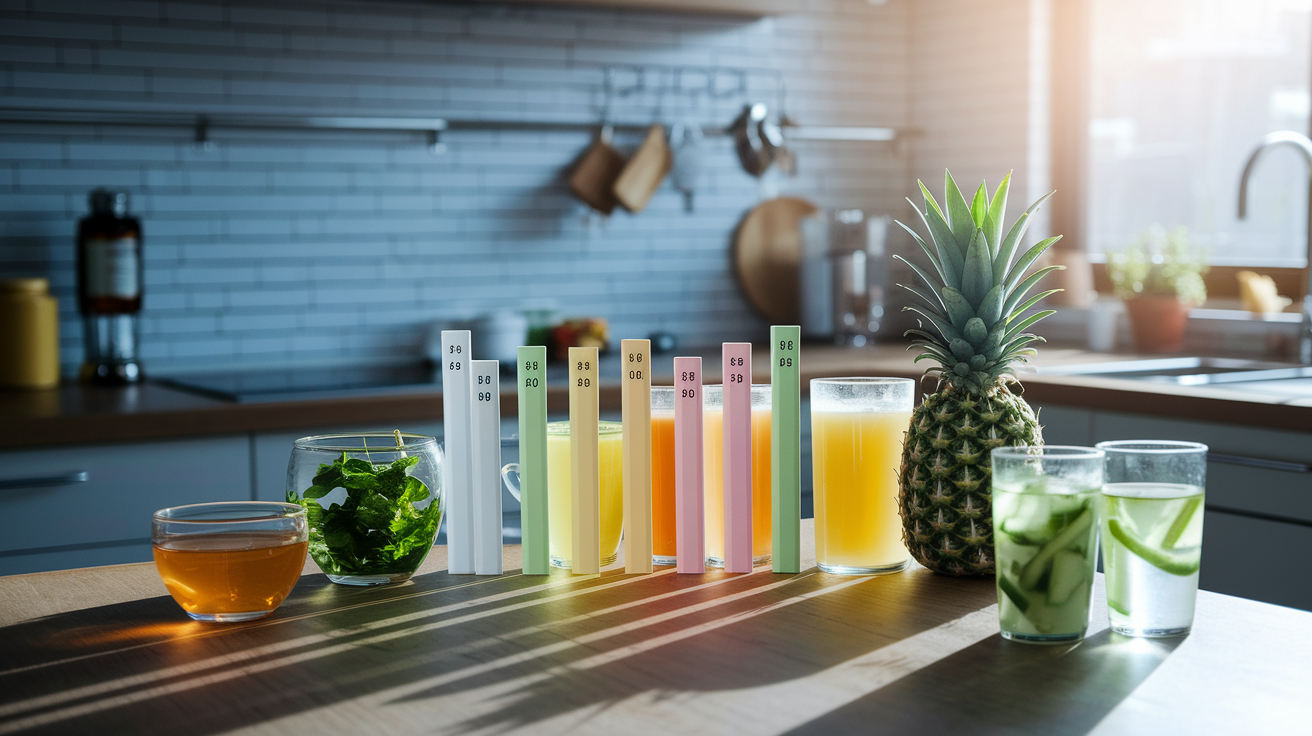
Bloating shows up at the worst times. Your waistband gets tight, you feel uncomfortably full, and suddenly you’re loosening your belt and rethinking your evening plans. Good news? Certain drinks can actually move things along faster than just waiting it out.
Here’s what works, ranked by how quickly and reliably you’ll feel relief:
-
Warm ginger tea – Gingerol compounds calm inflammation and speed up how fast your stomach empties. Most people feel better within 30 to 45 minutes.
-
Peppermint tea – Menthol relaxes the smooth muscles in your digestive tract, which eases gas and cramping in about 30 to 60 minutes.
-
Warm lemon water – Citric acid gets your stomach acid flowing and helps you break down food more efficiently. Works best on an empty stomach in 20 to 30 minutes.
-
Fennel tea – Anethole compounds loosen up intestinal muscles and release trapped gas, usually within 45 to 60 minutes.
-
Kombucha (unpasteurized) – Live probiotics balance your gut bacteria and improve digestion over a few hours. Better for ongoing comfort than instant fixes.
-
Pineapple juice (fresh) – Bromelain enzyme breaks down proteins and reduces that heavy feeling after meals. Drink it 20 to 30 minutes before eating for best results.
-
Cucumber-infused water – Acts as a mild diuretic to flush excess sodium and reduce water retention. You’ll notice effects after a few hours of steady sipping.
-
Turmeric drink (with warm water and honey) – Curcumin reduces digestive inflammation. Works best in the morning on an empty stomach.
-
Celery juice – Mild diuretic properties help with puffiness and water bloat. Many people see results after a few days of drinking it daily.
-
Detox water (lemon, mint, cucumber) – Gentle hydration with mild digestive perks. Better for all-day sipping than quick relief.
Ginger or peppermint are your go-to for fast gas and cramping relief. If you’re dealing with slow digestion after a heavy meal, try lemon water or pineapple juice. Water retention and puffiness respond better to cucumber or celery drinks with consistent daily use. Kombucha and turmeric are more about long-term gut support than emergency intervention.
Why These Drinks Work: Digestive Benefits Explained

Most bloating comes from three things: trapped gas from fermentation, slow digestion that leaves food sitting too long, or water retention from too much sodium. Anti-bloating drinks tackle these by relaxing tight muscles, speeding digestion, reducing inflammation, or gently flushing excess fluid.
Gas builds up when certain foods (beans, dairy, cruciferous vegetables) ferment in your gut before they’re fully broken down. That fermentation creates gas that gets stuck, causing pressure and discomfort. Drinks that relax your digestive tract’s smooth muscles (like peppermint and fennel tea) help release that gas and keep things moving.
Anti-inflammatory compounds like gingerol (in ginger) and curcumin (in turmeric) calm irritation in your digestive lining. When your gut’s inflamed, digestion slows down and discomfort goes up. These ingredients soothe the tissue and help food pass through more smoothly, cutting down on that heavy, sluggish feeling.
Digestive enzymes and acids matter too. Bromelain in pineapple breaks down proteins so your stomach doesn’t have to work as hard. Lemon water stimulates your stomach to produce more gastric juices, breaking down food faster and more completely. Probiotics in kombucha feed beneficial bacteria in your gut, improving balance and reducing the fermentation that leads to gas. Diuretics like cucumber and celery help you shed excess water, which reduces puffiness and that swollen sensation.
How to Prepare Each Anti-Bloating Drink for Best Results

How you make these drinks actually matters. Under-steeped tea won’t give you enough active compounds, and boiling water can destroy delicate enzymes.
Here’s how to get the most out of each one:
Ginger tea: Steep fresh ginger slices (about 2 cm) in hot water (not boiling) for 5 to 10 minutes. Cover the cup to trap volatile oils that boost effectiveness.
Peppermint tea: Use water just below boiling and steep for 7 to 10 minutes with the lid on to preserve menthol content.
Lemon water: Use warm water (not hot) with the juice of half a lemon. Hot water destroys some of the beneficial enzymes.
Fennel tea: Lightly crush 1 to 2 teaspoons of fennel seeds before steeping in hot water for 10 minutes to release more anethole.
Kombucha: Choose unpasteurized varieties to ensure live probiotics are intact. Refrigerate after opening and finish within a few days.
Pineapple juice: Use fresh pineapple (not canned) and juice it yourself or blend it with water. Canned versions don’t have active bromelain.
Cucumber or celery water: Slice thinly and let infuse in cold water for at least 2 hours in the fridge before drinking.
If you’re sensitive to strong flavors or have a reactive gut, start with half the recommended amount of ginger, peppermint, or fennel. You can always bump up the concentration once you know how your body responds. Honey or a small amount of maple syrup can make bitter or spicy drinks easier to sip without watering down their benefits.
When to Drink Them: Fastest Relief Timing

Timing matters almost as much as what you drink. Most warm, soothing drinks work best on an empty stomach because they can interact directly with your digestive system without competing with a meal already in progress.
Drink ginger or lemon water first thing in the morning, about 20 to 30 minutes before breakfast, to prep your stomach for the day. Peppermint and fennel tea work best after a heavy meal. Wait about 30 minutes post-meal, then sip slowly over 10 to 15 minutes.
If you’re using pineapple juice to prevent bloating, drink it 20 to 30 minutes before eating so the bromelain can start breaking down proteins as soon as they hit your stomach. Kombucha works best earlier in the day (morning or early afternoon) because it contains small amounts of caffeine and can be stimulating. Skip it close to bedtime if you’re sensitive.
Cucumber and celery waters are all-day sippers. Keep a bottle in the fridge and drink steadily throughout the day for gentle, cumulative relief from water retention.
Potential Side Effects and Who Should Avoid These Drinks

These drinks are gentle for most people, but they’re not side-effect-free, especially if you overdo it or have certain conditions.
Peppermint can relax the valve between your stomach and esophagus, which may worsen acid reflux or heartburn in some people. If you have GERD, skip peppermint tea and stick with ginger or fennel instead.
Here are the most common side effects to watch for:
Ginger may thin blood and interact with blood-thinning medications. Check with your doctor if you’re on warfarin or aspirin.
Kombucha contains small amounts of caffeine, sugar, and natural acids that can irritate sensitive stomachs or trigger jitters.
Pineapple juice is acidic and may aggravate ulcers or gastritis. Use sparingly if you have a sensitive stomach lining.
Fennel may affect hormone-sensitive conditions (like certain breast cancers or endometriosis) due to mild estrogenic activity.
Lemon water can erode tooth enamel over time. Rinse your mouth with plain water after drinking or use a straw.
If you’re pregnant, nursing, or managing a chronic digestive condition like IBS or Crohn’s disease, talk to your doctor before adding new drinks to your routine. Most of these are safe in moderate amounts, but individual tolerance varies.
If bloating persists for more than a few days, worsens, or comes with severe pain, blood in stool, or unexplained weight loss, see a healthcare provider. Those symptoms can signal something that needs more than a cup of tea.
Store-Bought Options for Quick Relief
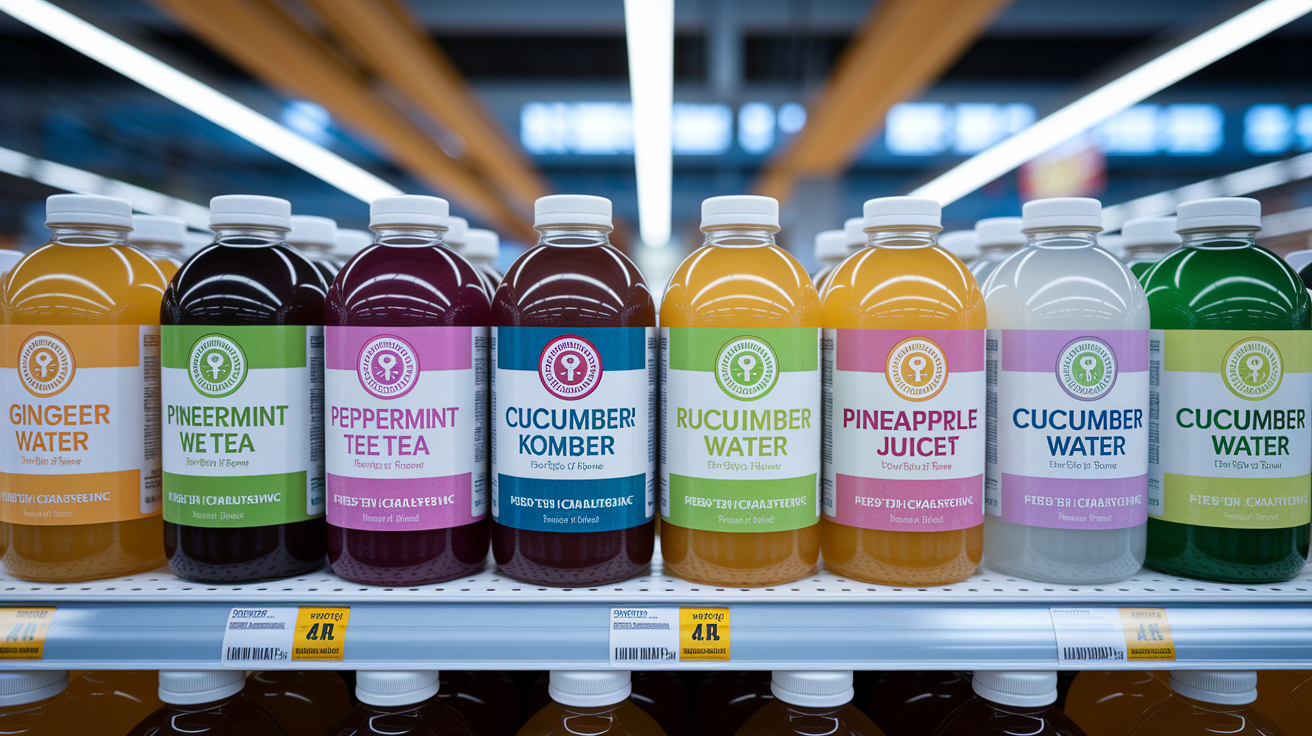
Not everyone has time to steep fresh ginger or juice a pineapple. Plenty of ready-made options deliver similar benefits without the prep work.
Look for these types of store-bought anti-bloating drinks:
Pre-packaged ginger or peppermint tea bags – Choose organic brands with minimal added ingredients. Avoid heavily sweetened or artificially flavored versions.
Bottled kombucha – Brands like GT’s, Health-Ade, or Kevita offer unpasteurized, probiotic-rich options. Check the label for live cultures.
Cold-pressed pineapple or ginger shots – Small, concentrated doses found in the refrigerated section of most grocery stores. These deliver active enzymes without added sugar.
Sparkling water with natural digestive herbs – Some brands infuse carbonated water with ginger, mint, or fennel for a fizzy, bloat-friendly option.
Functional beverages with added probiotics or enzymes – Look for drinks labeled with digestive support claims. Read ingredient lists to confirm they contain real ginger, bromelain, or live cultures rather than just flavoring.
When choosing pre-made drinks, scan the ingredient list for real, recognizable ingredients and check sugar content. High sugar can actually worsen bloating by feeding gas-producing bacteria. Stick with options that have fewer than 10 grams of sugar per serving and avoid anything with artificial sweeteners like sorbitol or xylitol, which can trigger gas and discomfort in many people.
Final Words
Reach for ginger or peppermint tea first. Ginger calms inflammation and peppermint relaxes gut muscles for quick relief.
You learned why these drinks work (ginger, peppermint, lemon, fennel, kombucha, pineapple), how to brew them, when to sip for fastest effect, and who should take precautions.
Start with one or two from the ranked list, follow the prep tips, and try store-bought options when you need fast relief.
Try a sip today and note what helps. Finding the best anti-bloating drinks for you is a small, useful win.
FAQ
Q: What is the best drink for bloating and what drink makes you unbloated?
A: The best drink for bloating and the drink that makes you unbloated is ginger tea: it soothes inflammation and aids digestion, often working within 30–60 minutes; peppermint and cucumber water help other causes.
Q: What reduces bloating quickly and how do I quickly debloat my belly?
A: To reduce bloating quickly, sip warm ginger or peppermint tea, walk 10 minutes after eating, avoid carbonated and salty foods, and try cucumber-infused water to relieve water retention.