
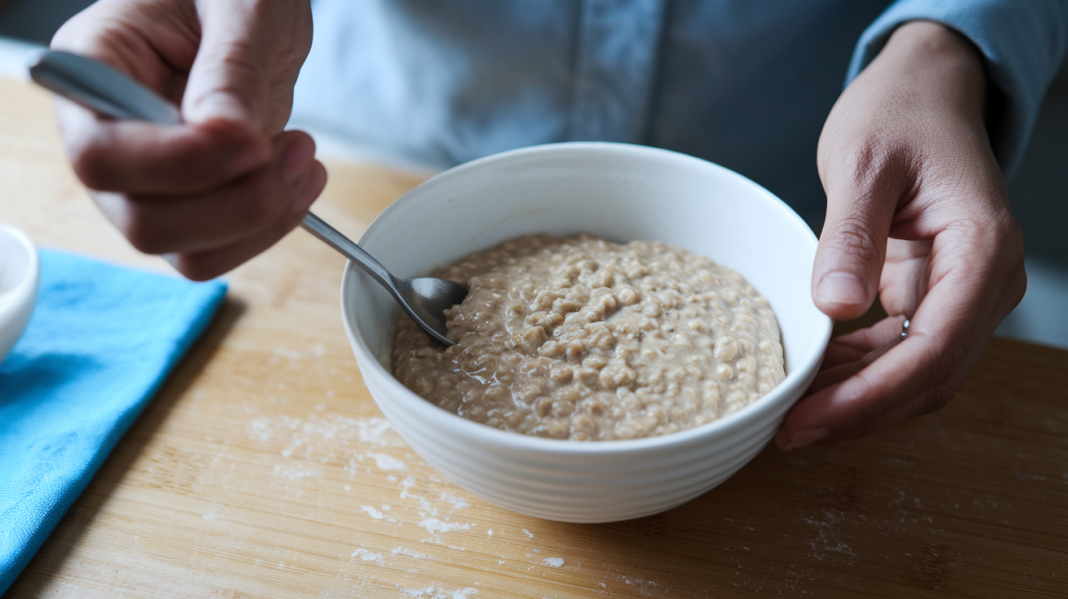

What if more fiber stopped your bloating instead of making it worse?
These seven tested recipes deliver 7 to 14 grams of fiber per serving and actually taste great.
They’re built to be gentle, with soaked or cooked ingredients plus protein or fat to slow fermentation and keep gas low.
They feed your microbiome (the community of bacteria living in your gut) steadily, not in sudden bursts.
Read on for simple, fast dishes you can make this week that ease bloating and still satisfy your taste buds.
Curated High-Fiber Recipes Designed to Reduce Bloating Fast
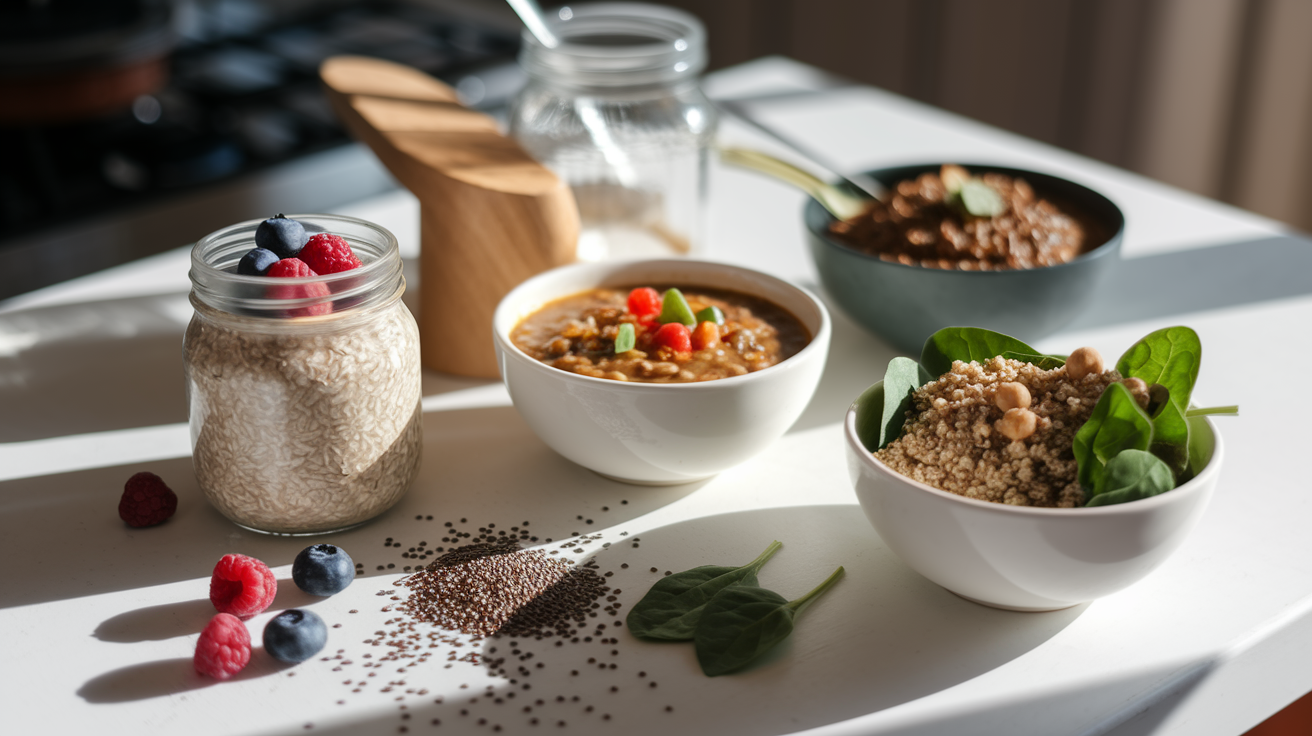
These seven recipes bring you anywhere from 7 to 14 grams of fiber per serving. You’ll find oats, chia seeds, berries, leafy greens, lentils, quinoa, chickpeas, kiwi, and ground flaxseed showing up in straightforward dishes that won’t leave you stuck in the kitchen. Each one supports steady digestion without the sudden gas you get when fiber hits your gut all at once. Nothing here takes longer than an hour from start to finish.
Overnight Oats with Chia & Mixed Berries gets your morning going with a jar you prep the night before. Berry Chia Pudding with Kefir adds probiotics on top of your fiber for extra microbiome support. Hearty Lentil & Veg Soup combines cooked lentils and root vegetables in a batch you can freeze. Quinoa, Spinach & Chickpea Salad with Lemon-Tahini Dressing balances legume fiber with healthy fats. Roasted Brussels Sprouts & Walnuts softens cruciferous fibers through roasting. Black Bean & Roasted Sweet Potato Tacos use rinsed canned beans and resistant starch from sweet potatoes. Green Smoothie: Spinach, Kiwi, Banana & Flaxseed blends a light dose of fiber with digestive enzymes.
All these recipes favor thoroughly cooked or soaked ingredients and pair fiber with protein or fat to moderate how quickly bacteria ferment the meal. Start with half portions if you’re new to this level of fiber, chew each bite 20 to 30 times, and skip carbonated drinks alongside these dishes.
Nutrient Themes Across the Recipes:
Soluble fiber sources like oats, chia, flax, and kiwi form gentle gels during digestion. Leafy greens and berries deliver antioxidants and moderate insoluble fiber. Legumes and quinoa provide plant protein and resistant starch for beneficial bacteria. Healthy fats from tahini, olive oil, avocado, and walnuts slow fermentation peaks. Low-sodium, hydrating bases like vegetable broth and unsweetened almond milk support fluid balance.
How These Fiber-Rich Ingredients Work to Ease Bloating
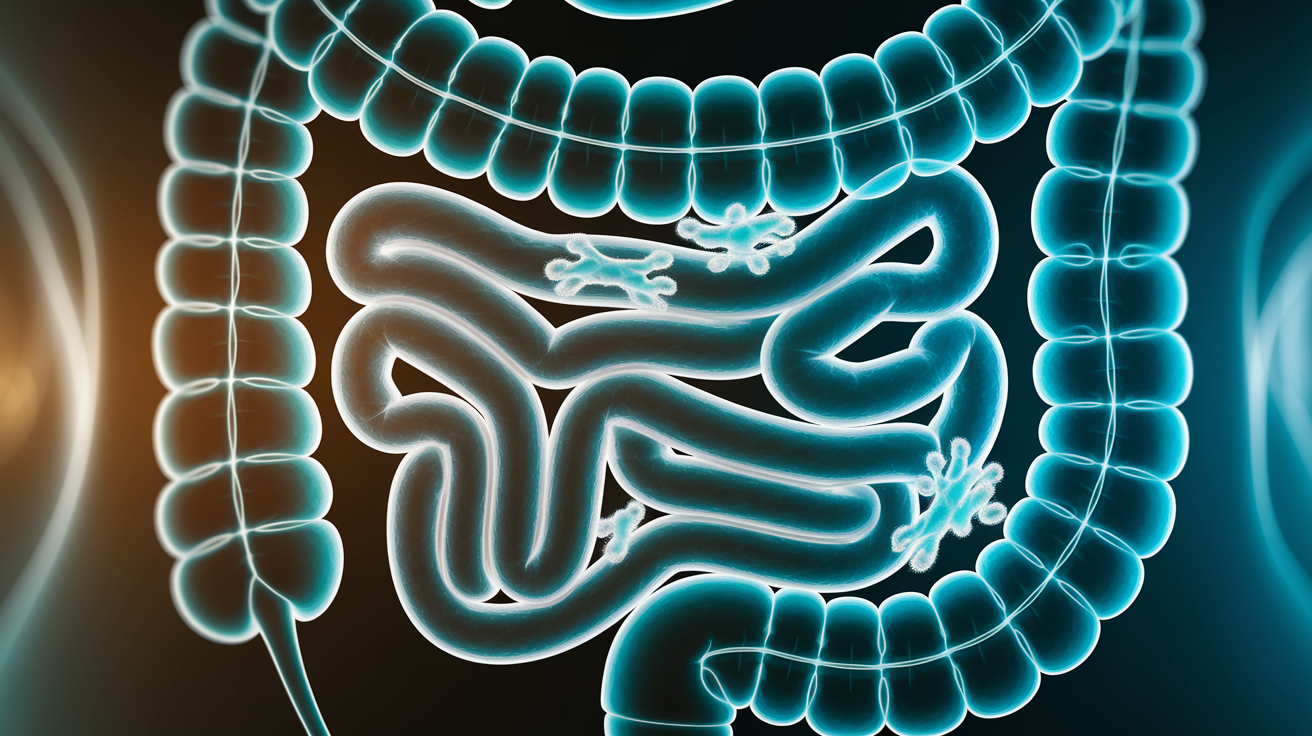
Soluble fiber from oats, chia, and ground flaxseed absorbs water in your digestive tract and forms a gel that slows the movement of food through your stomach and small intestine. This gel effect prevents sudden fermentation spikes in the colon and gives your gut bacteria a steady supply of substrate they can digest without producing large bursts of gas. Insoluble fiber from spinach, berries, and Brussels sprouts adds bulk to stool and speeds transit through the colon, reducing the time waste sits fermenting.
Resistant starch in cooked and cooled quinoa, sweet potatoes, and lentils acts as food for beneficial bacteria in your large intestine without triggering the same gas production as raw starches. Kiwi contains actinidin, a natural enzyme that helps break down protein in your stomach, making meals easier to digest before they reach the colon. Drinking an extra 250 to 500 milliliters of water with each high-fiber meal keeps fiber moving and prevents the dry, sluggish transit that can worsen bloating.
Key Digestive Mechanisms
Gel formation. Soluble fiber binds water and slows stomach emptying, reducing the rate at which carbohydrates reach gut bacteria.
Microbiome modulation. Resistant starch and prebiotic fibers feed Bifidobacteria and Lactobacilli, which produce less gas than some other bacterial families.
Reduced fermentation peaks. Pairing fiber with fat or protein buffers the arrival of fermentable substrates in the colon.
Plant enzymes. Actinidin in kiwi and bromelain in pineapple help pre-digest proteins, lowering the fermentable load.
Improved transit time. Insoluble fiber shortens colonic transit, limiting how long waste ferments and produces gas.
Breakfast Fiber-Rich Recipes Featuring Oats, Chia, and Berries

Breakfast recipes with oats and berries set your digestion up for the day by delivering soluble fiber early, when your body’s most active and can support steady transit. Overnight oats for reduced bloating take about 30 seconds to assemble the night before. Mix rolled oats, chia seeds, almond milk, and berries in a jar, refrigerate for six to eight hours, and eat straight from the container in the morning. The oats and chia form a soft, gel-like texture that’s gentle on an empty stomach and provides 12 to 14 grams of fiber per serving.
Berry Chia Pudding with Kefir doubles down on digestive support by adding live probiotics from kefir to the soluble fiber in chia seeds. You soak the chia in kefir for two to four hours, top with sliced strawberries or raspberries, and get about 10 to 12 grams of fiber per serving. The probiotics help your gut bacteria process the fiber more efficiently, reducing leftover gas. If you’re sensitive, start with three tablespoons of chia total and work up to the full six over a week.
A third option is a simple bowl of cooked oatmeal with ground flaxseed and fresh blueberries. Cook the oats in water or almond milk, stir in a tablespoon of ground flax at the end, and top with half a cup of berries. This delivers about 8 to 10 grams of fiber and takes less than 10 minutes on the stove. Don’t pair any of these with carbonated drinks or eat them within an hour of lying down. Fiber needs activity to move.
| Recipe Name | Prep Time | Approx. Fiber/Serving |
|---|---|---|
| Overnight Oats with Chia & Mixed Berries | 10 min + 6–8 hr refrigeration | 12–14 g |
| Berry Chia Pudding with Kefir | 10 min + 2–4 hr refrigeration | 10–12 g |
| Cooked Oatmeal with Flax & Blueberries | 10 min | 8–10 g |
Overnight Oats with Chia & Mixed Berries
Combine half a cup of rolled oats (45 grams), one tablespoon of chia seeds (12 grams), three-quarters cup of unsweetened almond milk (180 milliliters), and one cup of mixed berries. Blueberries and raspberries work well.
Stir everything together, cover, and refrigerate for six to eight hours or overnight.
In the morning, stir again and optionally top with two tablespoons of plain Greek yogurt and a teaspoon of honey if you want extra protein and a touch of sweetness.
Eat within two hours of waking for the best transit support. The gel formed by the oats and chia slows digestion without stopping it, and the berries add polyphenols that help balance your gut bacteria. This recipe makes one serving at about 350 calories with 12 to 14 grams of fiber.
High-Fiber Smoothies for Gentle, Fast Digestion

Smoothie recipes with chia and spinach offer a fast way to get 7 to 9 grams of fiber without cooking, and blending breaks down cell walls so your gut does less mechanical work. The featured Green Smoothie: Spinach, Kiwi, Banana & Flaxseed combines two cups of baby spinach (60 grams), one small ripe banana (100 grams), one medium kiwi (75 grams), and one tablespoon of ground flaxseed (7 grams) with one cup of water or unsweetened almond milk. Blend on high for 30 to 45 seconds until smooth. The kiwi contributes actinidin, which helps break down any protein you eat alongside, and the ground flax provides mucilage that coats the digestive tract.
A second option is a Berry Flax Smoothie. Blend one cup of frozen mixed berries, half a banana, one tablespoon of ground flax, and three-quarters cup of unsweetened almond milk. This delivers about 7 grams of fiber and takes five minutes start to finish. The frozen berries keep the texture thick, and you can add a handful of spinach without changing the taste much. Drink slowly. Gulping air with a smoothie adds to bloating. And skip smoothies immediately after a large meal when your stomach’s already full.
Gentle Ingredient Swaps for Sensitive Stomachs:
Replace banana with half an avocado for lower sugar and creamier texture without the fermentable fructans. Use cucumber instead of kale if cruciferous greens cause gas for you. Swap chia seeds for ground flax if chia gels feel too thick in your stomach. Add a quarter teaspoon of fresh ginger to reduce nausea or mild cramping during digestion.
Fiber-Rich Legume and Grain Bowls That Reduce Bloating
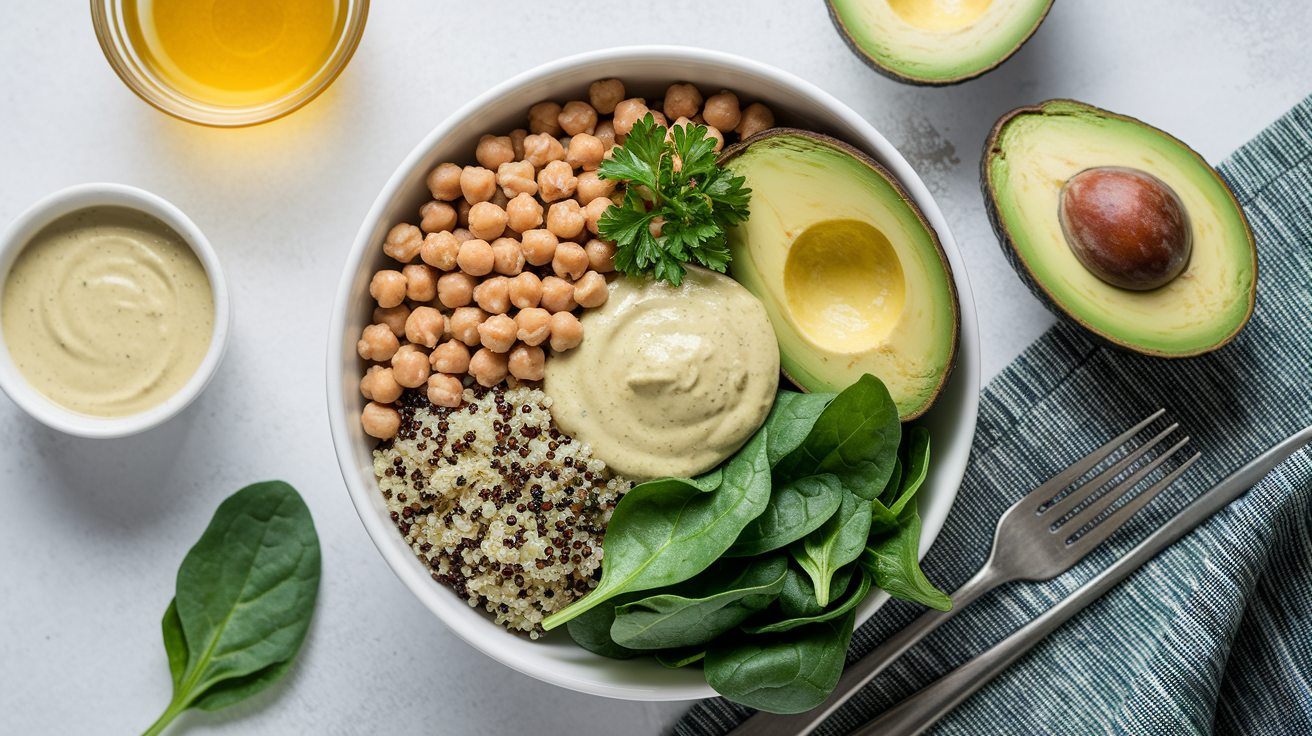
Quinoa bowls with avocado and greens balance plant protein, healthy fats, and moderate legume fiber in one meal. The Quinoa, Spinach & Chickpea Salad with Lemon-Tahini Dressing combines one cup of cooked quinoa (185 grams cooked weight), one cup of canned chickpeas rinsed under cold water, two cups of baby spinach, half a medium avocado, and a dressing made from two tablespoons of tahini, the juice of one lemon, and one tablespoon of olive oil. Toss everything together and top with two tablespoons of chopped parsley. This serves two at about 420 calories per serving with 9 to 11 grams of fiber. Rinsing canned chickpeas removes some of the oligosaccharides that cause gas, and the tahini and avocado slow down fermentation peaks.
Lentil soup anti-bloating recipe starts with one and a half cups of dried brown lentils (300 grams) that you rinse and cook in four cups of low-sodium vegetable broth with diced carrots, celery, and one medium potato. Add a teaspoon each of ground cumin and turmeric, simmer for 35 minutes, then stir in two cups of baby spinach at the end. This yields four servings at 300 to 360 calories each with 8 to 12 grams of fiber per bowl. The cooked lentils and root vegetables provide resistant starch and soluble fiber, and the spices support digestion without irritation.
A lighter option is a chickpea salad with cucumber and herbs. Toss rinsed canned chickpeas with diced cucumber, cherry tomatoes, fresh parsley, lemon juice, and a drizzle of olive oil. This gives you about 6 to 8 grams of fiber per serving without cooking and pairs well with grilled chicken or fish for a balanced lunch.
Gas-Reducing Cooking Steps for Legumes:
Soak dried beans or lentils in cold water for 8 to 12 hours, then drain and rinse before cooking. Cook legumes in fresh water (not the soaking water) and simmer until they’re tender enough to mash easily with a fork. Rinse canned beans or lentils under cold running water for 30 seconds to remove excess oligosaccharides and sodium. Add a strip of kombu seaweed or a bay leaf to the cooking water to reduce gas-producing compounds.
Hearty Lentil & Veg Soup
Heat one tablespoon of olive oil in a large pot over medium heat and sauté one diced medium carrot and two diced celery stalks for five minutes until softened.
Add one and a half cups of rinsed dried brown lentils, one diced medium potato, one teaspoon of ground cumin, one teaspoon of turmeric, and four cups of low-sodium vegetable broth. Bring to a boil, then reduce to a simmer and cook uncovered for 35 minutes until the lentils are tender.
Stir in two cups of baby spinach in the final two minutes until wilted, then season with salt and pepper to taste.
This makes four servings of about 350 milliliters each. The cooked lentils provide both soluble fiber and resistant starch, which feed beneficial bacteria without rapid gas production, and the root vegetables add bulk that supports regular transit. Store leftovers in the fridge for up to four days or freeze individual portions for quick reheating.
Vegetable Sides and Roasted Dishes That Provide Gentle Fiber

Roasted vegetables to reduce bloating work because high heat softens the fiber structure and reduces the sulfur compounds in cruciferous vegetables that can cause gas. Roasted Brussels Sprouts with Walnuts uses one pound of Brussels sprouts (450 grams) halved lengthwise, tossed with one tablespoon of olive oil, and roasted at 400°F (200°C) for 25 to 30 minutes until browned at the edges. Add one-third cup of chopped walnuts and the zest and juice of one lemon in the final five minutes. This serves four as a side dish, with each portion delivering 5 to 7 grams of fiber and about 130 calories. Roasting breaks down the raw cruciferous compounds that produce gas, and the walnuts add omega-3 fats that support gut-lining health.
Steamed zucchini and carrot recipes offer an even gentler option for very sensitive stomachs. Steam sliced zucchini and carrot rounds for eight to ten minutes until tender, then toss with a teaspoon of olive oil and a pinch of salt. This provides about 3 to 4 grams of fiber per cup without any fermentation triggers, and the high water content in zucchini helps hydration. You can add anti-bloating herbs and spice combinations like fresh dill, parsley, or a quarter teaspoon of ground cumin to support digestion without irritation.
| Veg Recipe | Cooking Method | Why It Reduces Bloating |
|---|---|---|
| Roasted Brussels Sprouts & Walnuts | Roast 25–30 min at 400°F | High heat softens fiber and reduces sulfur compounds |
| Steamed Zucchini & Carrots | Steam 8–10 min | High water content, minimal fermentable fiber |
| Baked Sweet Potato Cubes | Bake 20 min at 425°F | Resistant starch feeds beneficial bacteria gently |
High-Fiber Snacks and Light Bites for All-Day Digestive Support
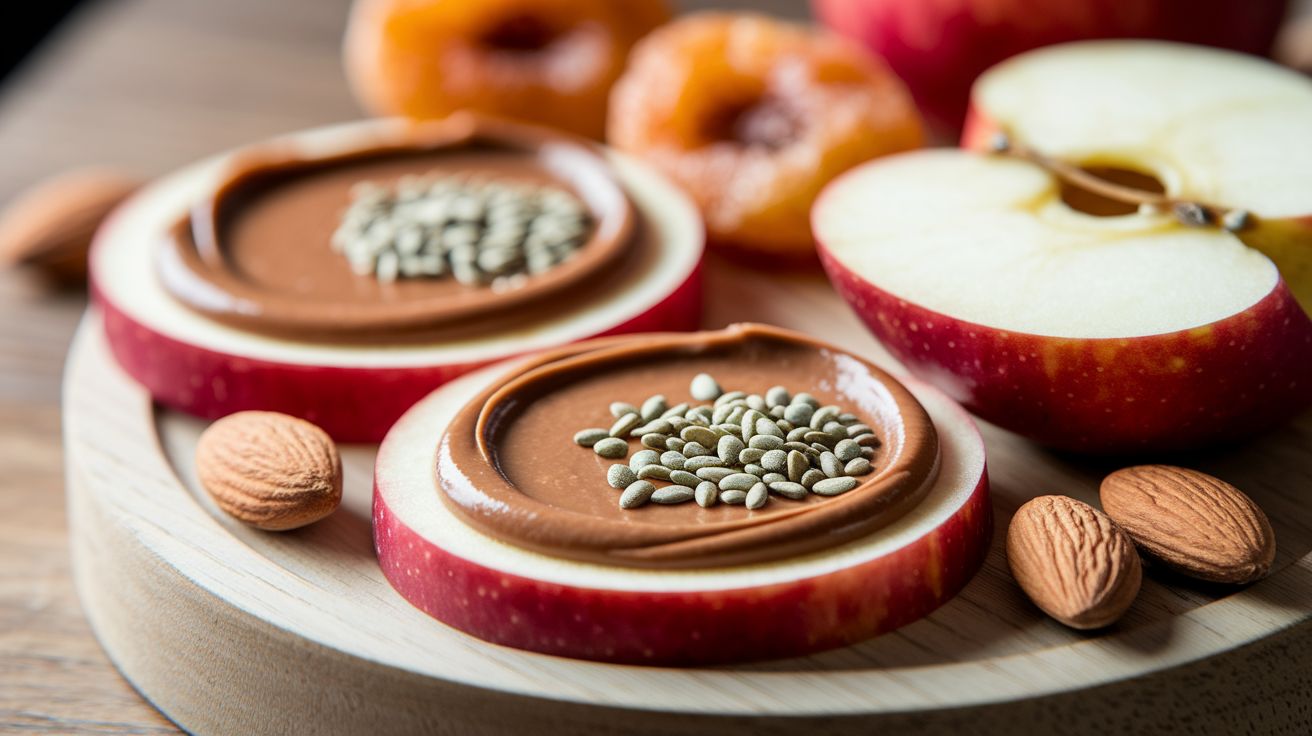
Snack recipes with nuts and seeds that ease bloating give you 3 to 5 grams of fiber per serving without triggering the heavy fermentation you can get from a full meal. One option is sliced apple (150 grams) with two tablespoons of almond butter and a teaspoon of hemp seeds sprinkled on top. The apple provides pectin, a soluble fiber that forms a gel, and the almond butter adds healthy fat to slow digestion. Portion control prevents discomfort. Stick to one medium apple and measure the nut butter so you’re not overwhelming your system.
Another simple snack is a handful of raw almonds (about 25 grams or roughly 20 almonds) paired with a small handful of dried apricots. The almonds deliver fiber and magnesium, and the apricots add a touch of sweetness with soluble fiber. If dried fruit causes gas for you, swap it for fresh berries. Half a cup of raspberries or blueberries works well. You can also use pumpkin seed toppings for salads or yogurt bowls. Two tablespoons of raw pumpkin seeds add about 2 grams of fiber and a satisfying crunch.
Four Easy High-Fiber Snack Options:
Apple slices with almond butter and hemp seeds (5 to 6 g fiber). Raw almonds and fresh raspberries (4 to 5 g fiber). Plain Greek yogurt topped with ground flax and a drizzle of honey (3 to 4 g fiber). Cucumber rounds spread with tahini and a sprinkle of sesame seeds (2 to 3 g fiber).
Portion Sizes, Hydration, and Timing Tips for Fiber-Rich Meals
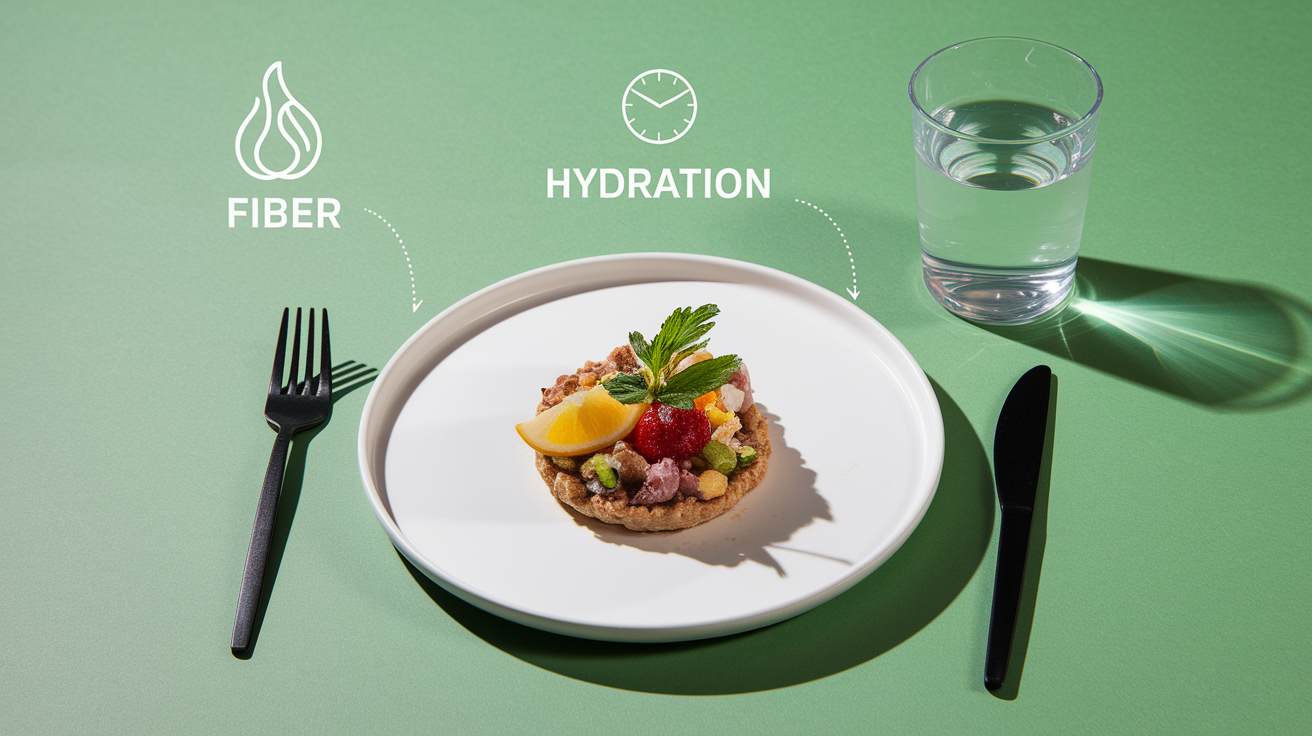
Portion-size guidance for high-fiber meals starts with visual cues. One serving of fruit is about 150 grams (roughly the size of your fist), and one serving of cooked legumes is 120 to 200 grams, which fits in a rounded half-cup to one-cup measure. For soups and stews, aim for 350 to 400 milliliters per bowl, about the size of a standard coffee mug. Starting your fiber intake at 20 to 30 grams per day gives most people room to adjust without sudden gas spikes.
Hydration and fiber meal pairing tips are simple. Drink 250 to 500 milliliters (roughly one to two cups) of water with each high-fiber meal to keep everything moving. Don’t chug it all at once. Sip it alongside your food or finish the glass within 30 minutes after eating. If you’re eating a high-fiber breakfast like overnight oats, drink a glass of water before you start and another mid-morning. Skip carbonated water or soda with fiber-rich meals because the bubbles add extra gas.
Five Timing Rules for Fiber Distribution:
Eat your highest-fiber meals at breakfast or lunch when you’re most active and can support transit through movement. Keep dinner moderate in fiber, aim for 8 to 10 grams, and finish at least two hours before bedtime. Space fiber-rich meals four to five hours apart so your gut has time to process each one. Pair fiber with a palm-sized portion of protein (chicken, fish, tofu, Greek yogurt) to slow fermentation and keep you full. Skip stacking multiple high-fiber foods in one sitting when you’re starting out. One fiber source per meal is enough at first.
Low-FODMAP and Sensitive-Tummy Swaps for These Fiber-Rich Recipes

Low-FODMAP high-fiber options replace common triggers like chickpeas, apples, and large servings of onions with foods that deliver fiber without fermentable oligosaccharides. If a recipe calls for one cup of chickpeas, use half a cup of firm tofu or half a cup of canned lentils (rinsed well) instead. Tofu’s low in fermentable carbs, and canned lentils have less resistant starch than home-cooked ones after processing. For fruit, swap apples or pears with kiwi, pineapple, or berries. All are low-FODMAP at typical serving sizes of 150 grams or less.
Low-FODMAP swaps for common high-fiber ingredients also mean choosing lactose-free yogurt or kefir if dairy causes bloating for you, and using almond milk or coconut milk instead of cow’s milk in smoothies and overnight oats. Replace a full portion of Brussels sprouts with steamed carrots or zucchini if cruciferous vegetables trigger gas. Add flavor with fresh herbs like parsley, cilantro, and chives, which are all low-FODMAP, and use cumin or ginger instead of garlic or onion powder.
Use half portions for three to five days before increasing to the full recipe serving. If the Quinoa, Spinach & Chickpea Salad calls for one cup of chickpeas per serving, start with half a cup and see how your digestion responds. If you tolerate that well, move to three-quarters cup the following week. This gradual approach lets your gut bacteria adjust without overwhelming your system.
Gradual Increase Strategy
In Week 1, add about 5 grams of fiber per day above your baseline. If you’re currently eating 15 grams, aim for 20. Drink an extra 250 to 500 milliliters of water and pay attention to how your stomach feels after meals. Most people notice some mild gas during this phase, which is normal and usually settles within a few days.
In Week 2, increase another 5 to 10 grams per day if you felt comfortable in Week 1. If you had persistent bloating or cramping, hold steady at the Week 1 level for another few days before adding more. Typical improvement in bloating shows up within one to three weeks for many people, and you should see steadier energy and easier bowel movements as your gut bacteria adjust.
Five Key Swaps for Sensitive Stomachs:
Replace chickpeas or black beans with firm tofu, tempeh, or rinsed canned lentils in smaller portions. Swap high-FODMAP fruits (apples, pears, watermelon) for kiwi, pineapple, strawberries, or blueberries. Use lactose-free Greek yogurt or unsweetened almond milk instead of regular dairy. Choose cooked, peeled carrots or zucchini over raw cruciferous vegetables like broccoli or cauliflower. Start with one-third to one-half recipe portions for the first three to five days, then scale up.
Weekly Meal Planning with Featured Fiber-Rich Recipes

Weekly menu templates for low-bloat meals make it easier to hit consistent fiber targets without last-minute decisions. Start Sunday by batch-cooking the Hearty Lentil & Veg Soup and dividing it into four individual containers. Each holds about 350 to 400 milliliters and stores in the fridge for up to four days. Prep two jars of Overnight Oats with Chia & Mixed Berries on Sunday night for Monday and Tuesday mornings. The third and fourth mornings of the week, make fresh smoothies using the Spinach, Kiwi, Banana & Flaxseed recipe. Freezing and storing high-fiber meals works well for soups and cooked grains. Freeze individual portions of lentil soup or cooked quinoa in labeled containers and reheat on the stove or microwave within three months.
Wednesday and Thursday dinners can feature the Quinoa, Spinach & Chickpea Salad and the Black Bean & Roasted Sweet Potato Tacos, both of which come together in 30 to 40 minutes using ingredients you prepped over the weekend. Roast a full pound of Brussels sprouts on Sunday and use half as a Monday side dish, then toss the other half into a grain bowl on Thursday. Batch-cooking fiber recipes for the week saves time and ensures you’re not tempted to order takeout on a busy evening, which usually means more sodium and less fiber.
| Day | Featured Recipe | Prep Notes |
|---|---|---|
| Monday | Overnight Oats with Chia (breakfast); Lentil Soup (lunch) | Assembled Sunday night; soup reheated from batch |
| Tuesday | Berry Chia Pudding (breakfast); Quinoa Chickpea Salad (lunch) | Chia pudding made Monday evening; salad assembled fresh |
| Wednesday | Green Smoothie (breakfast); Black Bean Tacos (dinner) | Smoothie blended fresh; sweet potatoes roasted Sunday |
| Thursday | Oatmeal with Flax (breakfast); Lentil Soup (lunch) | Cooked fresh; soup reheated from Sunday batch |
Troubleshooting Common Reactions While Increasing Fiber
Temporary gas increase may last one to three weeks when you first add these fiber-rich recipes to your routine, and that’s a normal sign your gut bacteria are adjusting to the new substrate. If you’re feeling bloated or crampy after a meal, check whether you paired it with carbonated drinks, chewing gum, or sugar alcohols like sorbitol or xylitol. All of these add extra gas and make fiber harder to tolerate. Foods to avoid when increasing fiber also include very salty processed snacks, which cause water retention that compounds bloating, and large servings of raw cruciferous vegetables like broccoli or cauliflower if you’re not used to them.
Mindful-eating practices to reduce bloating start with chewing each bite 20 to 30 times before swallowing. When you chew thoroughly, your stomach has less mechanical work to do, and you swallow less air. Eat slowly. Aim to spend at least 15 to 20 minutes on a meal. Put your fork down between bites. If you’re still feeling uncomfortable after following these steps for two weeks, try cutting your fiber portions in half for another week and focus on soluble-fiber sources like oats and chia before adding more insoluble fiber from vegetables.
If severe gas, cramping, or bloating persists after four weeks of gradual increases and careful food pairing, consult a clinician or registered dietitian. Persistent symptoms can signal small intestinal bacterial overgrowth (SIBO), irritable bowel syndrome (IBS), or a sensitivity to specific FODMAPs that requires targeted elimination and reintroduction. Most people see steady improvement within two to three weeks, but everyone’s microbiome is different, and personalized guidance can save you weeks of trial and error.
Final Words
Try one recipe this week. Pick a breakfast, smoothie, legume bowl, or snack and note how you feel.
The post listed seven quick recipes with prep times, servings, and fiber estimates, plus cooking tips, portion and hydration cues, swaps for sensitive tummies, and troubleshooting advice.
If you want a simple win, batch overnight oats or make the lentil soup.
These featured fiber-rich recipes to reduce bloating give small, practical steps you can stick with, and they add up to real relief.
FAQ
Q: What are the seven featured fiber-rich recipes to reduce bloating?
A: The seven featured recipes are Overnight Oats with Chia & Berries; Berry Chia Pudding with Kefir; Spinach–Kiwi–Flax Smoothie; Lentil & Veg Soup; Quinoa–Chickpea Salad; Roasted Brussels Sprouts with Walnuts; Apple + Almond Butter + Hemp Seeds snack.
Q: How much fiber does each recipe provide per serving?
A: Each recipe provides about 7–14 grams of fiber per serving, with breakfasts typically 10–14 g and smoothies or sides often nearer 7–9 g, helping steady digestion and fullness.
Q: How should I time hydration and high-fiber meals?
A: You should drink 250–500 ml of water with each high-fiber meal, eat bigger fiber meals earlier in the day, and avoid heavy high-fiber meals within two hours of bedtime.
Q: How can I reduce gas from legumes and grains?
A: Reduce gas by rinsing canned beans, soaking dried beans, discarding soaking water, cooking them well, adding a healthy fat like tahini, or swapping to firm tofu or canned lentils.
Q: Which breakfast recipes use oats, chia, and berries and how long do they take?
A: Overnight Oats with Chia and Berry Chia Pudding with Kefir take about 5–10 minutes prep plus refrigeration; both give roughly 10–14 g fiber per serving and are grab-and-go friendly.
Q: Are there low-FODMAP or sensitive-tummy swaps for these recipes?
A: You can make these recipes sensitive-tummy friendly by swapping legumes for firm tofu or canned lentils, replacing apples with kiwi or pineapple, and starting with half portions for 3–5 days.
Q: What portion sizes and daily fiber goals should I follow?
A: Follow portion cues like 150 g fruit and 120–200 g cooked legumes per meal, aim to build to 20–30 g total fiber per day, and increase gradually to avoid discomfort.
Q: What if I get more gas after increasing fiber?
A: Temporary gas can last 1–3 weeks; chew each bite 20–30 times, slow your increase, avoid carbonated drinks and sugar alcohols, and keep portions moderate to ease symptoms.
Q: Which ingredients in the recipes help digestion fastest?
A: Ingredients that help fastest include kiwi (actinidin, a digestion enzyme), flax mucilage (soothing gel), oats, chia, and spinach — all gentle and supportive when eaten slowly.
Q: How do I plan a week using these fiber-rich recipes?
A: Plan by batching make-ahead items like overnight oats and lentil soup, freeze soups for later, use 350–400 ml bowls for portions, and rotate recipes Monday–Thursday to keep prep easy.