


Think carbs are the enemy for bloating? What if they’re not, and it’s often the amount and the way you eat them.
When too much sugar and starch bypass digestion and reach your large intestine, gut bacteria ferment them and make gas, causing that tight, puffy feeling.
You don’t need to quit pasta, rice, or bread.
A few small fixes, like slowing down, smaller portions, pairing carbs with protein or fat, and trying a starch-digesting enzyme, can cut bloating fast and get you back to steady energy.
This post gives simple steps you can try today.
Immediate Ways to Reduce Carbohydrate-Related Bloating Fast

Carbohydrate bloating happens when undigested sugars and starches make it to your large intestine, where gut bacteria ferment them into gas. That uncomfortable tightness after pasta, bread, or a big bowl of rice isn’t a sign you need to ditch carbs. It’s usually just your digestive system telling you it got overwhelmed.
Things like eating too fast or loading up your plate with high-carb foods can make bloating worse, even when the carbs themselves aren’t the problem. When you rush through a meal, you swallow extra air and your stomach doesn’t get the 20 minutes it needs to register fullness. Oversized servings dump a sudden flood of sugars and starches into your gut, which speeds up fermentation and cranks out more gas.
You don’t need to cut carbs. A few small shifts can reduce bloating by your next meal.
-
Eat slower and chew more. Slowing down lets your digestive enzymes do their job and cuts down on how much air you’re gulping with each bite.
-
Cut high-carb portions in half. Start with a smaller serving of rice, pasta, or bread. Wait 20 minutes, then decide if you actually need more.
-
Pair carbs with protein and fat. Add grilled chicken, a handful of nuts, or avocado. It slows down digestion and reduces the chance of a fermentation spike.
-
Drink water 15 to 30 minutes before meals, not during. Hydrating ahead of time supports enzyme production without watering down your stomach acid when you’re trying to digest.
-
Take a digestive enzyme with amylase before meals. If your body doesn’t make enough enzymes naturally, this can help break down starches more efficiently.
-
Skip carbonated drinks during meals. Soda and sparkling water add extra gas to your system before fermentation even starts.
Understanding Carbohydrate Digestion and Why Bloating Happens

Carbs break down in stages. Simple ones like table sugar and fruit juice hit your bloodstream fast because they don’t need much digestion. Complex carbs like oats, potatoes, and whole grains take longer. Enzymes in your saliva and small intestine split them into glucose molecules your body can absorb for energy. When everything works right, most carbs get absorbed before they reach your large intestine.
Bloating starts when carbs skip that step. Fermentable carbs, especially FODMAPs (fermentable oligosaccharides, disaccharides, monosaccharides, and polyols), resist breakdown in the small intestine and land in your colon still intact. Gut bacteria ferment them and produce hydrogen, methane, and carbon dioxide. A little bit of this is normal. But if you eat a big serving of fermentable carbs or your body lacks certain enzymes (like sucrase-isomaltase, which breaks down table sugar and some starches), fermentation goes into overdrive. You end up with excess gas, a bloated belly, and that heavy feeling an hour or two after eating.
Motility matters too. If your digestive tract moves food too quickly, carbs don’t get fully digested. If it’s too slow, fermentation has more time to build pressure. Blood sugar swings can make things worse. Reactive hypoglycemia, where insulin overshoots after a high-carb meal, often shows up as fatigue and digestive discomfort one to three hours later.
Carb Types That Most Commonly Trigger Bloating
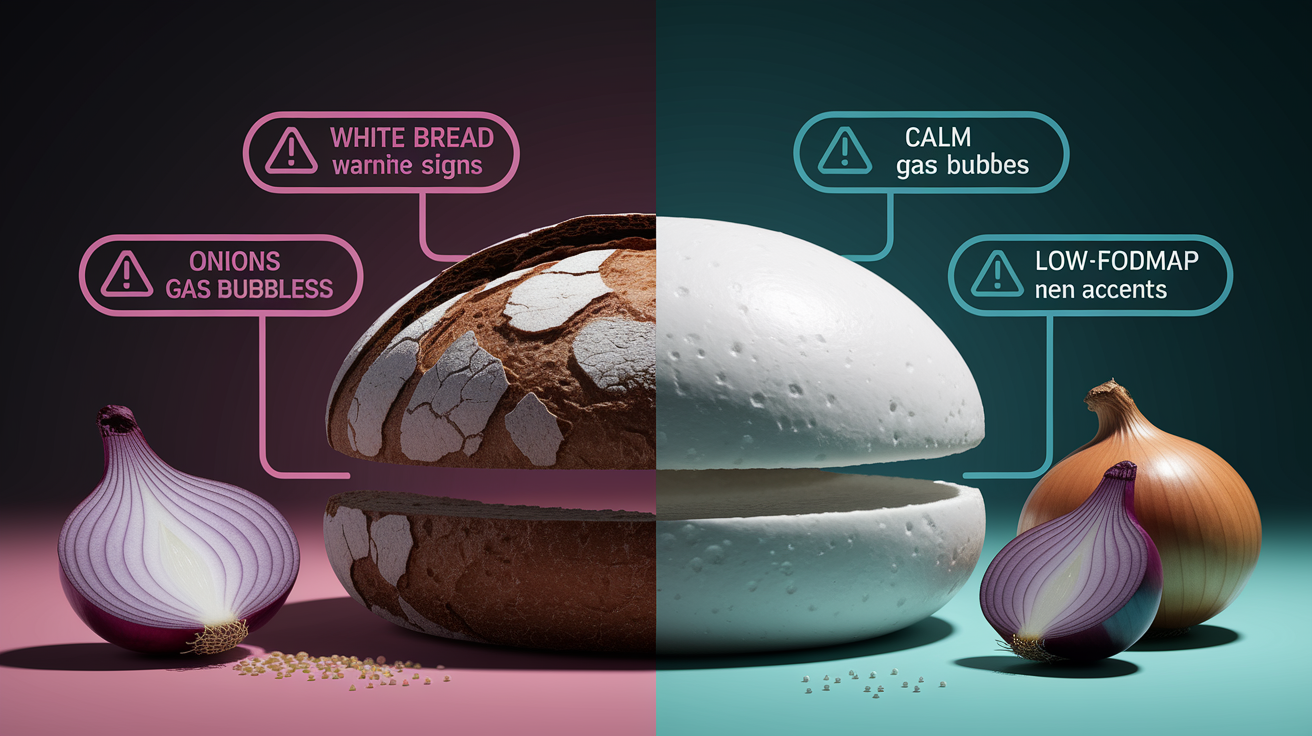
Not all carbs cause the same problems. Refined carbs like white bread, pastries, and sugary cereals digest quickly but usually come in portions that overwhelm your system. High-FODMAP foods (onions, garlic, beans, certain fruits, cruciferous vegetables) contain sugars and fibers that resist digestion and ferment aggressively in your colon. Sugar-free foods sound safer, but sugar alcohols like sorbitol, xylitol, and erythritol don’t absorb well and often trigger gas and bloating.
If you feel bloated within an hour of eating bread, pasta, rice, or sweets, you’re probably dealing with rapid fermentation of simple sugars or starches. If bloating hits after meals with garlic, onions, broccoli, or beans, it’s likely a reaction to high-FODMAP compounds. Symptoms from tiny portions (half a slice of bread, a few bites of fruit) can point to true carbohydrate intolerance, like lactose or fructose malabsorption.
Refined grains and processed carbs: White bread, bagels, muffins, wraps, frozen dinners, fruity yogurt with added sugar.
High-FODMAP vegetables and legumes: Onions, garlic, cauliflower, broccoli, beans, lentils, chickpeas.
High-FODMAP fruits: Apples, pears, watermelon, cherries, dried fruits.
Sugar alcohols and artificial sweeteners: Sugar-free candies, gum, diet sodas, dessert coffee drinks labeled “light” or “zero sugar.”
Fast-digesting starches: Instant oatmeal, white rice, potato products eaten in big servings without protein or fat.
Carb Choices That Help Reduce Bloating Instead of Causing It
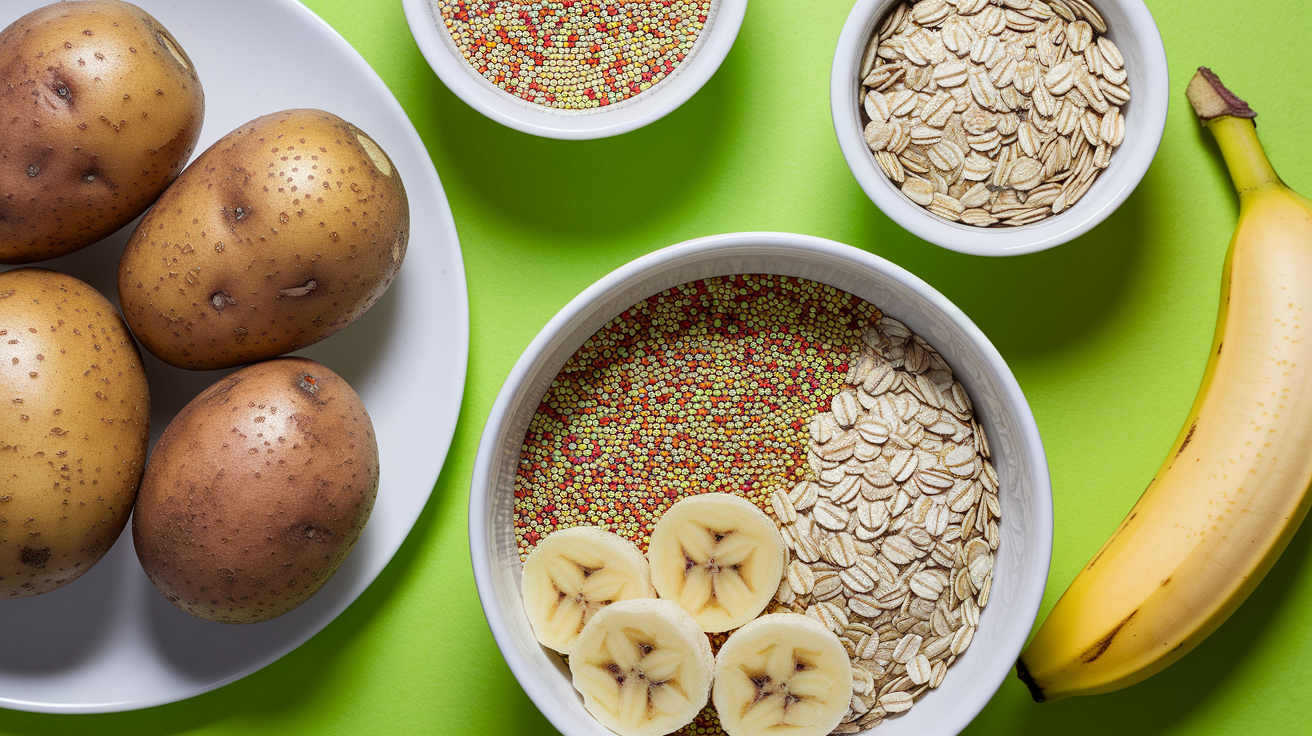
Low-FODMAP carbs like rice, quinoa, oats, and potatoes (when cooled) digest more gently because they’ve got less fermentable material. Resistant starch forms when you cook and then cool starchy foods like potatoes and rice. It moves through your small intestine slowly and feeds beneficial gut bacteria without triggering rapid gas production. Gluten-free grains like buckwheat, millet, and certified gluten-free oats often cause fewer symptoms than wheat-based products, especially if you’re sensitive to fructans (a type of FODMAP in wheat).
Fiber balance matters. Soluble fiber (in oats, carrots, bananas) dissolves in water and helps regulate digestion. Insoluble fiber (in wheat bran and some raw vegetables) adds bulk but can increase bloating if you ramp it up too fast. Introduce fiber gradually. Add one new high-fiber food every few days and watch for changes in gas or distention.
Minimally processed carbs give your digestive system clearer signals. A baked sweet potato with the skin causes less fermentation chaos than sweet potato fries coated in breading and fried in oil. Steel-cut oats digest more steadily than instant oatmeal packets loaded with sugar and dried fruit.
| Carb Type | Why It Helps Digestion |
|---|---|
| Cooled potatoes and rice | Form resistant starch, which digests slowly and reduces fermentation intensity |
| Quinoa and buckwheat | Naturally low-FODMAP and gluten-free, causing fewer gas symptoms than wheat |
| Bananas and cantaloupe | Low-FODMAP fruits that provide natural sugars without triggering rapid fermentation |
| Oats (gluten-free) | Contain soluble fiber that slows digestion and supports steady gut motility |
Eating Habits That Reduce Bloating When Consuming Carbs
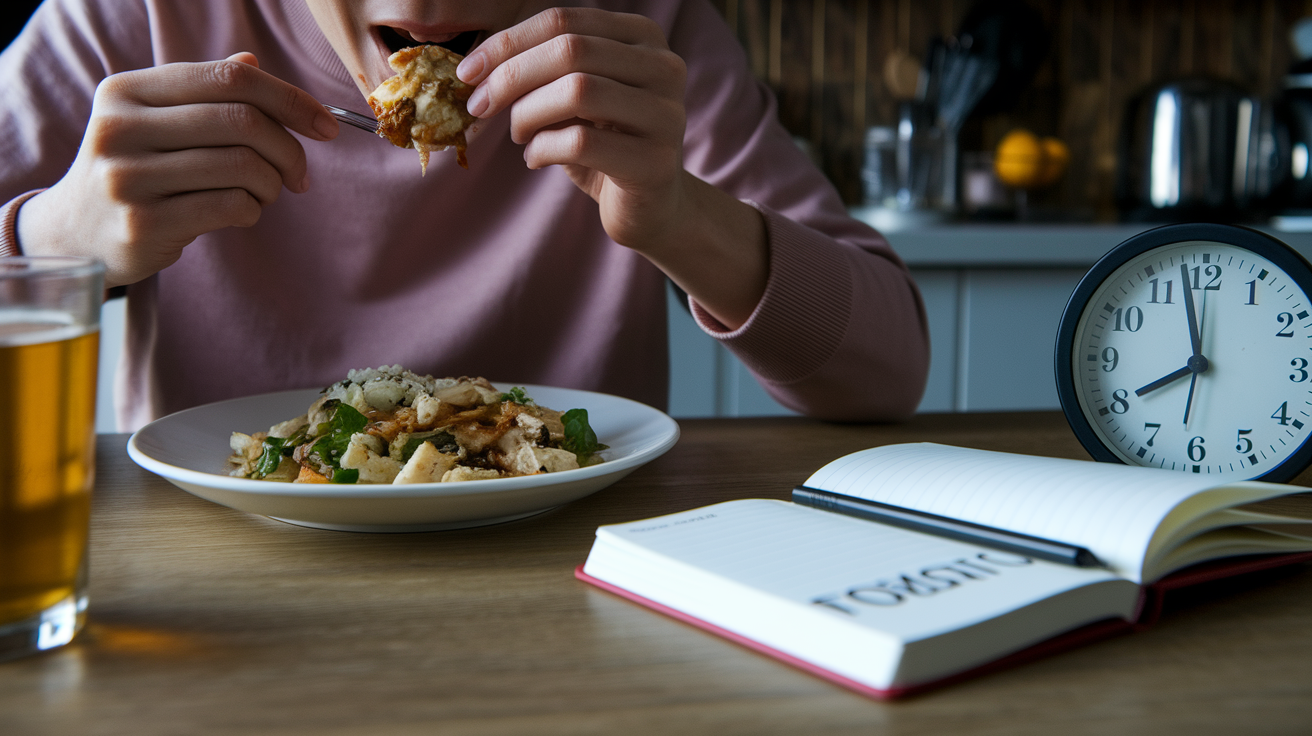
Eating slowly gives your digestive enzymes time to work and cuts down on how much air you swallow. Chewing each bite thoroughly starts carbohydrate breakdown in your mouth. Amylase in your saliva begins splitting starches into smaller sugars before they even reach your stomach. Rushing through a meal means less enzyme contact time and more undigested carbs landing in your colon.
Consistent meal timing helps regulate your digestive rhythm. Big, irregular meals force your gut to handle unpredictable workloads. Smaller, evenly spaced meals keep enzyme production steady. Overeating carb-heavy foods like wraps, popcorn, bagels, and legumes stretches your stomach and delays emptying, which gives fermentation more time to build up.
Chew each bite at least 15 to 20 times before swallowing, especially starchy foods like bread and rice.
Wait 20 minutes after finishing half your meal to check if you’re still hungry. Fullness signals lag behind what you’ve actually eaten.
Eat meals at roughly the same times each day to train your digestive system to anticipate and prepare for food.
Stop eating when you feel comfortably satisfied, not full. That tight waistband feeling means you’ve passed your gut’s comfortable limit.
Using Probiotics, Enzymes, and Natural Remedies to Minimize Carb-Related Bloating
Digestive enzymes that target starch and sugar breakdown (amylase for starches, sucrase for table sugar) can help if your body doesn’t produce enough naturally. Enzyme deficiencies often look like IBS: bloating, gas, and discomfort after meals with bread, pasta, rice, or sweets. Taking an enzyme blend with amylase, sucrase, and maltase 10 to 15 minutes before a carb-heavy meal can reduce fermentation by making sure more gets digested in your small intestine.
Probiotics can help if recent antibiotics, stress, or diet changes have disrupted your gut microbiome. Strains like Lactobacillus and Bifidobacterium can support balanced fermentation and reduce excessive gas. Probiotics work best long term. You’ll usually see benefits after two to four weeks of consistent use, not immediately after a meal.
Herbal remedies like peppermint tea, ginger, and fennel support motility and reduce intestinal pressure. Peppermint relaxes smooth muscle in your gut, which can ease cramping and help gas move through more comfortably. Ginger stimulates gastric emptying and reduces nausea, making it useful if bloating comes with that heavy, sluggish feeling after a big carb meal. Fennel seeds have been used traditionally to reduce gas. Chewing a small handful after meals or steeping them as tea can provide gentle relief.
When Carbohydrate Bloating Indicates a Digestive Disorder

Severe bloating from tiny portions (half a banana, a few bites of bread, a small glass of juice) can signal true carbohydrate intolerance rather than just poor eating habits. Lactose intolerance (inability to digest milk sugar), fructose malabsorption (difficulty absorbing fruit sugar), and sucrase-isomaltase deficiency (lack of the enzyme needed to break down table sugar and some starches) all cause IBS-like symptoms but stem from specific enzyme defects. SIBO (small intestinal bacterial overgrowth) and SIFO (small intestinal fungal overgrowth) can also trigger bloating after sugars, starches, and fermentable fibers because bacteria or yeast in your small intestine ferment carbs before they reach your colon.
Reactive hypoglycemia (a blood sugar crash one to three hours after a high-carb meal) often pairs with bloating, fatigue, and brain fog. It happens when insulin overshoots in response to a glucose spike, causing your blood sugar to drop below baseline. If you consistently feel tired, shaky, or uncomfortably full an hour or two after carb-heavy meals, this pattern’s worth mentioning to a clinician.
Symptoms from very small carb portions (a few bites or sips) that keep happening across multiple foods.
Lifelong symptoms that started in childhood or adolescence, suggesting you were born with an enzyme deficiency.
Bloating accompanied by diarrhea, nausea, or significant fatigue one to three hours after meals.
No improvement after four weeks of portion control, slower eating, and cutting out high-FODMAP foods.
If any of these fit, consider testing for lactose or fructose malabsorption (breath tests), sucrase-isomaltase deficiency (enzyme activity or genetic testing), or SIBO/SIFO (breath tests or small intestinal aspiration). A gastroenterologist or registered dietitian trained in digestive disorders can guide you through appropriate evaluation and treatment.
A Simple Carbohydrate Reintroduction Method to Improve Long-Term Tolerance

Short-term elimination diets like the low-FODMAP approach or the Sucrose-Starch Reduction Diet (SSRD) can reduce symptoms and help you identify specific triggers, but they’re not meant to be permanent. Clinical trials of SSRD typically run four weeks to two months. After that window, reintroducing foods systematically builds a clearer picture of your personal carbohydrate tolerance and prevents unnecessary long-term restrictions.
-
Eliminate suspect carbs for four to six weeks. If high-FODMAP foods seem problematic, remove onions, garlic, beans, cruciferous vegetables, apples, and pears. If sugars and starches are the issue, cut back on added sugars, white bread, pasta, rice, and sweet treats. Stick to a simple baseline: low-FODMAP vegetables, proteins, healthy fats, and a few gentle carbs like quinoa or rice.
-
Reintroduce one food at a time, starting with vegetables and fruits. Pick a single high-FODMAP vegetable (like a small serving of broccoli) or a gentle grain (like sourdough bread). Eat a normal portion and wait three days, tracking bloating, gas, and energy levels. If no symptoms show up, that food’s probably safe. If symptoms return, pull it out and wait until you feel normal again before testing the next item.
-
Track symptoms in a food diary. Write down what you ate, portion size, and any digestive or energy changes within three hours. Patterns will start to show. Some foods might be fine in small amounts but cause bloating in larger servings. Others might trigger symptoms every time. This data helps you build a sustainable, personalized carbohydrate plan without guessing.
After reintroduction, keep a flexible list of “safe” carbs you tolerate well, “moderate” carbs you can handle in small portions, and “trigger” carbs that consistently cause problems. Keep avoiding true triggers, but don’t restrict foods unnecessarily. Carbohydrate tolerance often improves over time as your gut adapts, especially if you support digestion with enzymes, probiotics, or better eating habits.
Final Words
Start with immediate fixes: eat slower, shrink portions, pair carbs with protein or fat, hydrate before meals, skip fizzy drinks, or try an amylase enzyme with starchy meals.
We also covered why carbs can ferment, which carb types trigger symptoms, gentler carb choices, mindful eating habits, supportive probiotics or herbs, and when to seek testing.
Use the reintroduction plan and a food diary to rebuild tolerance. For a clear checklist on how to stop bloating from carbohydrates, try these small steps and expect steady improvement.
FAQ
Q: How to get rid of carb bloating fast?
A: To get rid of carb bloating fast, slow your eating, cut the carb portion, pair carbs with protein or fat, drink water before meals, avoid fizzy drinks, or try a digestive enzyme with amylase (it breaks down starch).
Q: Why do carbs bloat me so much?
A: Carbs bloat you so much because undigested carbs reach your large intestine and ferment, producing gas; enzyme gaps (like sucrase‑isomaltase, an enzyme that splits sugar), FODMAP sensitivity, fast eating, and large portions worsen it.