


Sick of that ballooned belly right after eating?
Nearly 1 in 7 Americans get weekly bloating, and women are hit almost twice as often, so this isn’t just you.
You don’t need a long plan or a lecture, you need fast, practical moves that release trapped gas and relax tense stomach muscles so the pressure drops in minutes.
This post gives six immediate, science-simple methods you can try right now to stop the bloat and get back to feeling normal.
Immediate Ways to Reduce Bloating After Eating Right Now

Nearly 1 in 7 Americans deal with bloating every single week. Women get hit almost twice as hard with that tight, uncomfortable fullness after meals. If you’re sitting there right now with a swollen belly, you don’t need someone explaining what went wrong. You need relief that works in minutes.
The most effective ways to reduce bloating after eating go after two things: trapped gas that needs to move out, and tense stomach muscles that need to relax. When food ferments in your gut, it creates gas bubbles. When you eat too fast or drink something carbonated, you swallow air. Both create pressure. Your job is to help your body release that pressure as quickly as possible.
Here’s how to stop bloating quickly with six simple steps you can start right now:
-
Walk for 10 to 15 minutes. Gentle movement helps trapped gas travel through your intestines and exit naturally. You don’t need a power walk. Just a steady, easy pace around your block or office. After a heavy lunch, a 12-minute loop around the parking lot can ease that “stuffed balloon” feeling before your next meeting.
-
Apply heat for 15 to 20 minutes. A heating pad, hot water bottle, or warm bath relaxes the smooth muscles in your abdomen. This reduces cramping and helps gas move more freely.
-
Sip peppermint tea. Peppermint naturally relaxes your stomach muscles. Brew a cup and drink it slowly. Skip this one if you have acid reflux. Peppermint can make that worse.
-
Try fresh ginger or ginger tea. Ginger reduces inflammation in your digestive tract and helps your stomach empty faster, which means less pressure building up.
-
Take simethicone (like Gas-X). This over-the-counter option breaks up gas bubbles in your stomach and intestines, making them easier to pass. It works within 30 minutes for many people.
-
Lie on your left side and pull your knees gently toward your chest. This position uses gravity to help gas move through your colon toward the exit.
Understanding Why Bloating Happens After Eating
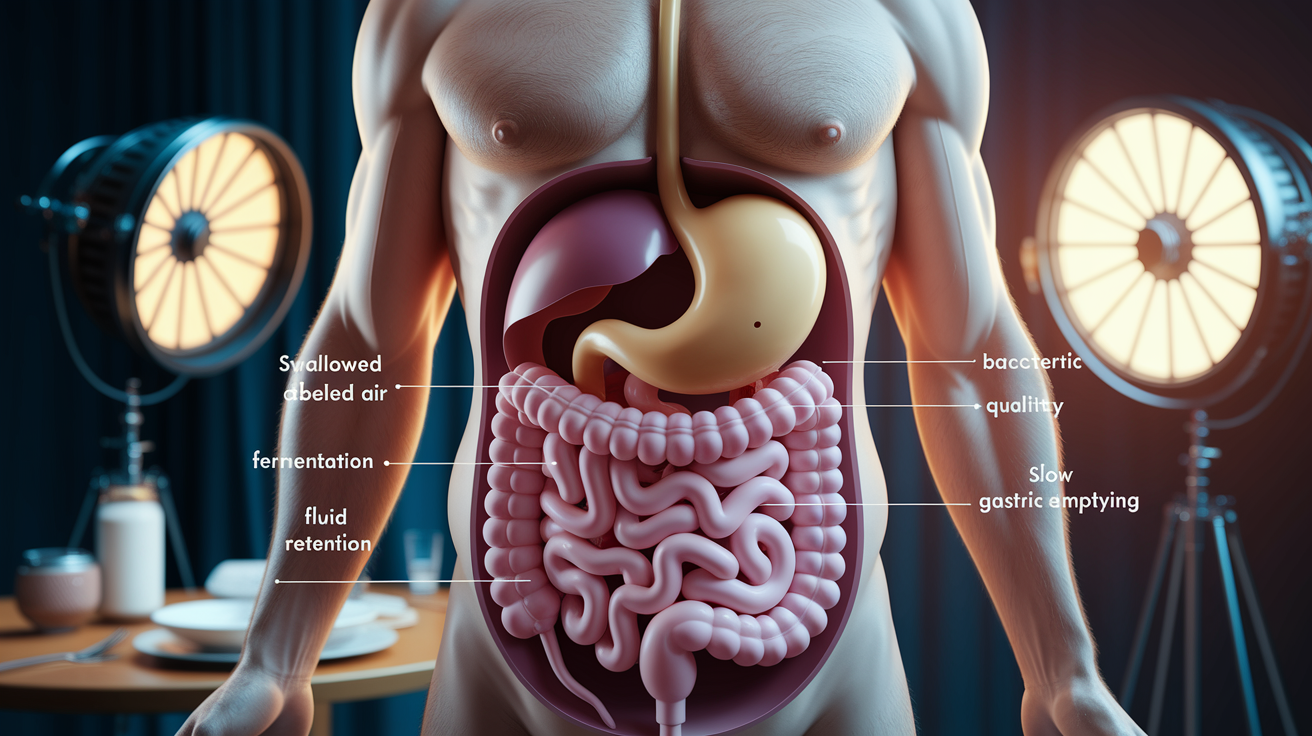
Bloating after meals happens when your digestive system gets overwhelmed, slowed down, or simply produces more gas than usual. The four main mechanisms are swallowed air, bacterial fermentation of food, fluid retention, and slow gastric emptying (when your stomach takes longer than normal to push food into your intestines).
Behavioral triggers are often the easiest to spot and fix. Eating too quickly means you swallow more air with every bite. Larger pieces of food take longer to break down. Chewing gum, smoking, and talking while eating all increase the amount of air you gulp down. That air has to go somewhere. Either up (belching) or down (bloating and gas).
Food triggers vary by person, but the most common offenders include dairy (milk, cheese, yogurt), gluten grains, beans and lentils, cruciferous vegetables (broccoli, cabbage, Brussels sprouts), carbonated drinks, and sugar-free gums or candies that contain artificial sweeteners.
Medical factors also play a role. Irritable bowel syndrome (IBS) alters gut motility. Small intestinal bacterial overgrowth (SIBO) means bacteria are fermenting food in the wrong place. Gastroparesis delays stomach emptying. And hormonal fluctuations, especially before a period, can slow digestion and cause water retention. Women are nearly twice as likely as men to report weekly bloating. Roughly 1 in 4 women are affected compared to about 1 in 8 men.
Eating Habits That Reduce Bloating After Eating
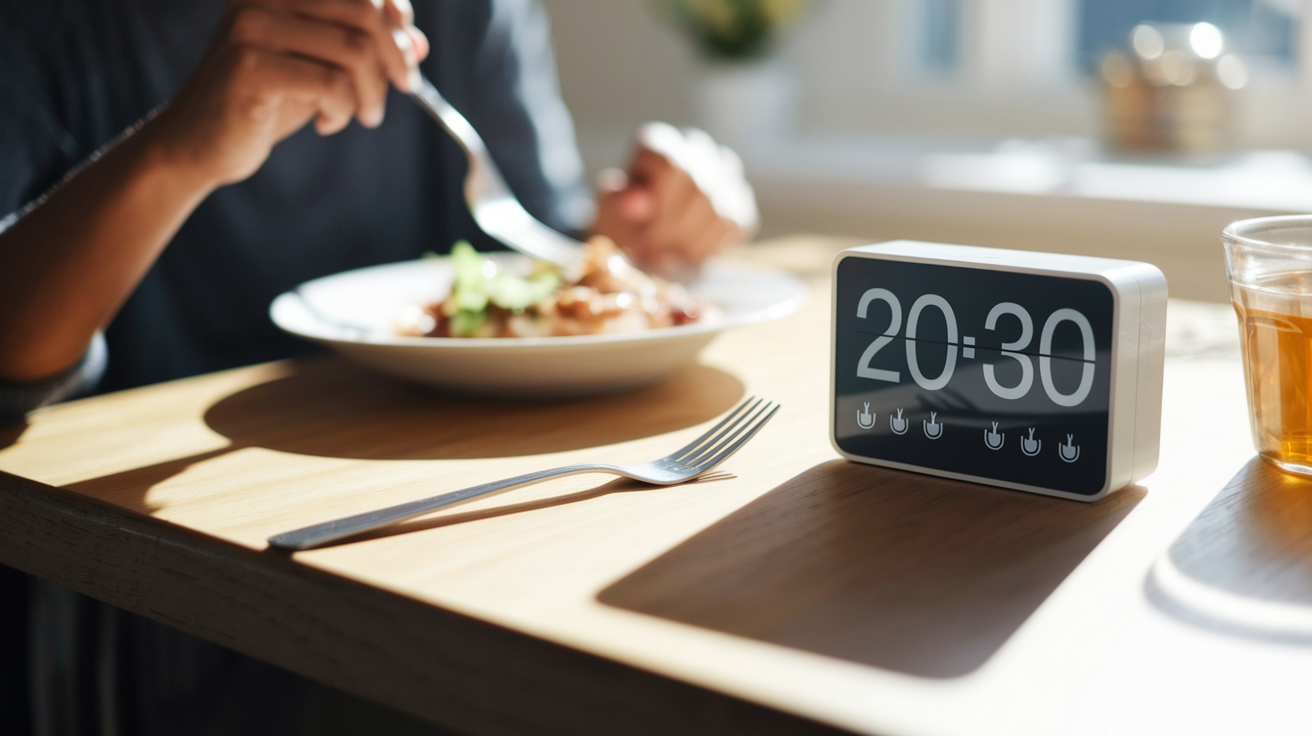
How you eat matters just as much as what you eat.
One of the simplest ways to reduce bloating after eating is to slow down and chew each bite thoroughly. Aim for about 20 to 30 chews per mouthful. This gives your saliva time to start breaking down food, reduces the size of the pieces hitting your stomach, and cuts down on swallowed air. It also helps you recognize fullness sooner, so you’re less likely to overeat and stretch your stomach.
Create a calm space when you eat. Scrolling through your phone, watching TV, or working through lunch all push you toward fast, mindless eating. When you’re distracted, you’re more likely to gulp air between bites and miss your body’s “I’m full” signals until it’s too late.
Avoid behaviors that increase swallowed air. Chewing gum is a major offender. Every chew pumps a little more air into your digestive tract. Smoking does the same thing. Drinking through a straw or sipping carbonated beverages adds even more gas. If bloating is a regular problem for you, cutting these habits for just two weeks can make a noticeable difference.
Here are five eating habit adjustments that prevent bloating before it starts:
- Chew each bite 20 to 30 times and put your fork down between bites.
- Sit down to eat in a quiet space without screens or work distractions.
- Skip chewing gum, especially sugar-free varieties with artificial sweeteners.
- Avoid drinking through straws and limit carbonated drinks (soda, sparkling water, beer).
- Stop eating when you’re about 80% full. Wait 10 minutes before deciding if you need more.
Food Choices That Reduce Bloating After Eating

Certain foods are notorious for causing gas and bloating, while others support smooth, comfortable digestion. The key is knowing which category each food falls into and making small, strategic swaps.
Dairy products (milk, cheese, yogurt) cause bloating in people who are lactose intolerant. When your body can’t break down lactose, it ferments in your colon and produces gas. Gluten grains (wheat, barley, rye) can trigger bloating if you have celiac disease or non-celiac gluten sensitivity. Beans and lentils are high in fiber and oligosaccharides, which your gut bacteria love to ferment. Cruciferous vegetables (broccoli, cabbage, Brussels sprouts) contain raffinose, another fermentable carbohydrate. Sugar-free gums and candies with artificial sweeteners (sorbitol, mannitol, xylitol) pull water into your intestines and create gas. Carbonated drinks deliver a direct shot of CO₂ into your stomach.
That doesn’t mean you have to avoid these foods forever. Steaming vegetables makes them easier to digest than eating them raw. Soaking beans overnight before cooking breaks down some of the gas-producing compounds. Choosing fermented dairy products like kefir or Greek yogurt provides probiotics that help digestion and often contain less lactose. And introducing high-fiber foods gradually, rather than jumping from zero to three servings in one day, gives your gut bacteria time to adjust without producing excess gas.
| Food Type | Effect on Bloating | Adjustments |
|---|---|---|
| Dairy (milk, cheese, yogurt) | Ferments if lactose intolerant; causes gas and cramping | Choose lactose-free versions or fermented dairy (kefir, Greek yogurt); try lactase enzyme supplements |
| Beans and lentils | High in oligosaccharides; produces gas during fermentation | Soak overnight before cooking; start with small portions and increase slowly |
| Cruciferous vegetables (broccoli, cabbage, Brussels sprouts) | Contains raffinose; increases gas production | Steam or roast instead of eating raw; pair with ginger or fennel |
| Sugar-free gums and candies | Artificial sweeteners (sorbitol, xylitol) draw water into intestines and ferment | Avoid entirely or limit to very small amounts; choose regular gum sparingly |
| Carbonated beverages (soda, sparkling water, beer) | Delivers CO₂ directly into stomach; increases belching and bloating | Switch to still water, herbal tea, or flat beverages |
Keep a food-and-symptom diary for at least two weeks. Write down what you eat, portion sizes, meal timing, and any bloating or discomfort that follows. Patterns will emerge. Maybe you notice dairy at breakfast always leads to bloating by mid-morning, or that beans at dinner leave you uncomfortable the next day. Once you identify your personal triggers, you can cut them out or reduce them strategically.
Natural Remedies to Reduce Bloating After Eating

When you want bloating relief without reaching for a pill bottle, a few simple natural remedies work surprisingly well. These options relax your digestive muscles, reduce inflammation, and help trapped gas move out.
Peppermint tea is one of the fastest-acting natural remedies for bloating. Peppermint contains menthol, which relaxes the smooth muscles in your stomach and intestines. Brew a cup with fresh or dried peppermint leaves and sip it slowly after a meal. Most people feel some relief within 15 to 20 minutes. One caution: if you have acid reflux or GERD, skip the peppermint. It can relax the valve between your stomach and esophagus and make reflux worse.
Fresh ginger or ginger tea works differently. Ginger reduces inflammation in your digestive tract and helps your stomach empty faster, which means less time for gas to build up. You can chew a small piece of fresh ginger, brew ginger tea by steeping sliced ginger root in hot water for 10 minutes, or sip ginger ale made with real ginger (check the label, most commercial ginger ales contain zero actual ginger). After a heavy holiday meal, sipping ginger tea while you clean up the kitchen can ease that “too-full” feeling before dessert.
Heat therapy is the most underrated tool for immediate bloating relief. Applying a heating pad, hot water bottle, or even a warm towel to your abdomen for 15 to 20 minutes relaxes the muscles in your intestinal wall. When those muscles relax, gas moves more freely and cramping decreases. You can also take a warm bath. The combination of heat and gentle pressure from the water helps release trapped air. Lie back, breathe slowly, and let the warmth do the work.
Here are four natural bloating remedies you can use right after eating:
- Peppermint tea: Brew and sip slowly; relaxes stomach muscles within 15 to 20 minutes (avoid if you have reflux).
- Ginger tea or fresh ginger: Reduces inflammation and speeds gastric emptying; chew a small piece or steep slices in hot water.
- Fennel seeds: Chew half a teaspoon after meals or steep them in hot water; traditional remedy for gas and bloating.
- Heating pad or warm compress: Apply to your abdomen for 15 to 20 minutes to relax muscles and ease cramping.
OTC Options That Reduce Bloating After Eating
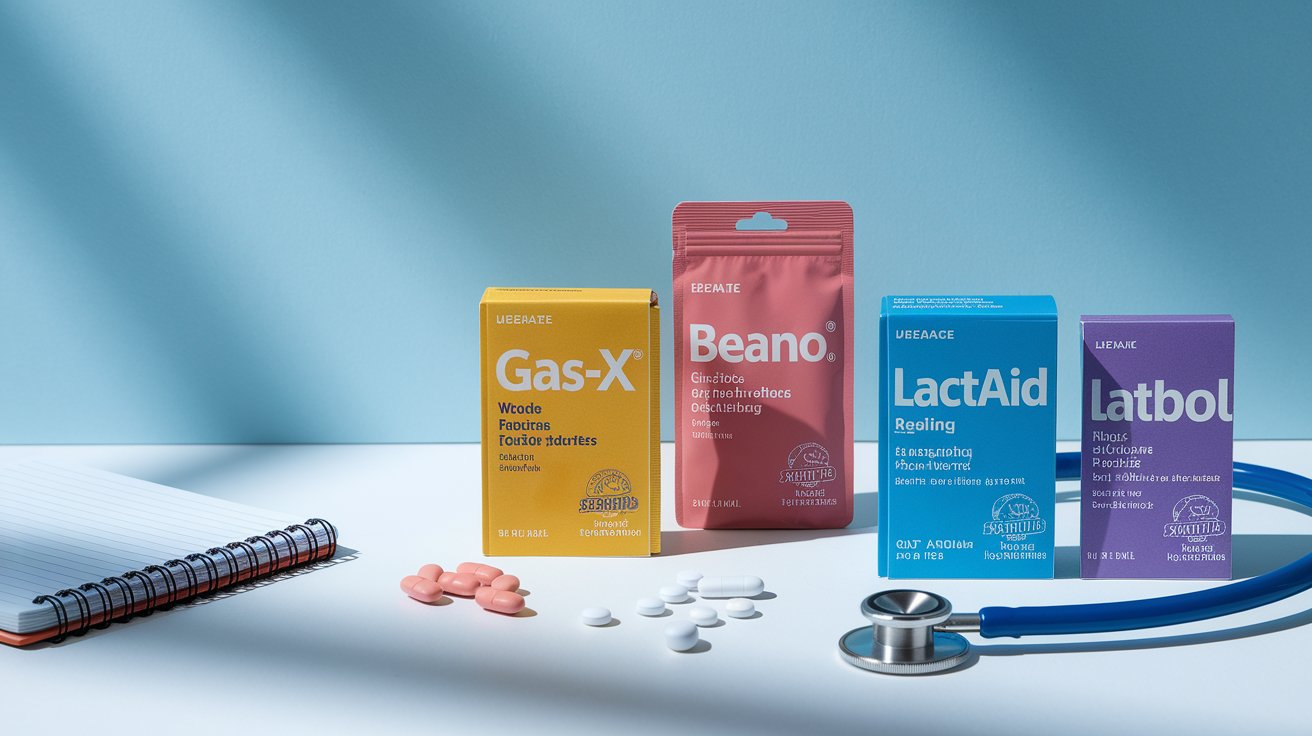
Over-the-counter remedies can provide fast, targeted relief when natural methods aren’t enough. The key is matching the right product to the cause of your bloating.
Simethicone (sold as Gas-X, Mylicon, and generic versions) breaks up gas bubbles in your stomach and intestines, making them easier to pass. It doesn’t prevent gas formation, but it helps you release trapped air more comfortably. Take it right after eating or at the first sign of bloating. Most people feel relief within 30 minutes. Simethicone is safe for daily use and doesn’t get absorbed into your bloodstream. It just works locally in your gut.
Digestive enzyme supplements (like Beano or Lactaid) work best when taken before a meal. Beano contains alpha-galactosidase, an enzyme that breaks down the complex carbohydrates in beans, vegetables, and whole grains before your gut bacteria can ferment them. Lactaid provides lactase, the enzyme that digests lactose in dairy products. If you know you’re eating a trigger food, pop one of these 10 to 15 minutes before your first bite.
Antacids (Tums, Pepto-Bismol) help when bloating is accompanied by heartburn or excess stomach acid. They neutralize acid quickly but won’t do much for gas caused by fermentation or swallowed air. Probiotics support long-term gut balance rather than immediate relief. If you take a daily probiotic, you may notice fewer bloating episodes over weeks or months as your gut microbiome shifts toward a healthier mix of bacteria. Look for strains like Lactobacillus and Bifidobacterium, which have been studied for digestive comfort.
Lifestyle Practices to Reduce Bloating After Eating

Daily habits shape how your digestive system performs. Small, consistent practices can reduce bloating episodes from weekly to rare.
Regular physical activity, even just 10 to 15 minutes of walking after meals, improves gut motility and helps gas move through your intestines. Gentle yoga poses like Child’s Pose, Cat-Cow, and Supine Twist massage your internal organs and encourage the release of trapped air. Abdominal breathing exercises (slow, deep breaths that expand your belly rather than your chest) activate your parasympathetic nervous system, which signals your gut to relax and digest properly. Stress management matters more than most people realize. Chronic stress alters gut motility, increases inflammation, and changes the balance of bacteria in your microbiome. All of these can lead to more frequent bloating.
Abdominal massage is another simple technique. Lie on your back and use your fingertips to apply gentle, circular pressure starting at your lower right abdomen (near your appendix). Move clockwise around your belly button, following the path of your large intestine. This can help move trapped gas toward the exit. Do this for 5 to 10 minutes after a meal or whenever you feel bloated.
Here are five daily lifestyle practices that prevent bloating over time:
- Walk for 10 to 15 minutes after dinner or your largest meal of the day to stimulate digestion.
- Practice 5 minutes of deep abdominal breathing before meals to activate rest-and-digest mode.
- Try gentle yoga stretches or a short flow routine 3 to 4 times per week to improve gut motility.
- Manage stress with regular habits like meditation, journaling, or even 10 minutes of quiet time without screens.
- Perform clockwise abdominal massage for 5 to 10 minutes when you feel bloated or as part of your bedtime routine.
Meal Timing Strategies to Reduce Bloating After Eating

When you eat can be just as important as what you eat. Poor meal timing stacks food in your stomach before the previous meal has fully moved through, creating congestion, slower emptying, and more gas production.
Wait about 3 to 4 hours between substantial meals. This gives your stomach time to empty into your small intestine and prevents the “stacked meals” problem. If you eat a big lunch at noon and then snack heavily at 2 p.m., your stomach is trying to process two loads at once. Smaller, more frequent meals can work for some people, but only if each meal is truly small. Not five large meals crammed into one day. Finish dinner at least 2 to 3 hours before bed. Lying down with a full stomach slows digestion even further because gravity isn’t helping food move through your system. That increases the chance you’ll wake up bloated or uncomfortable.
Hydration timing also plays a role. Sip water steadily throughout the day. Aim for 48 to 64 ounces spread across morning, afternoon, and evening. Drinking a large glass of water right before or during a meal can dilute stomach acid and slow digestion slightly, but sipping small amounts is fine and helps move food through your intestines. Avoid chugging large amounts of liquid right after eating, especially carbonated drinks, which add gas on top of an already full stomach. Instead, wait 30 minutes after a meal, then resume normal hydration. If you’re increasing fiber intake to improve digestion, pair it with extra water. Fiber without fluid can actually worsen bloating and constipation.
When Bloating After Eating Signals a Bigger Issue

Occasional bloating after a large meal or a known trigger food is normal. But if bloating is frequent, severe, or accompanied by other symptoms, it may point to an underlying digestive condition that needs medical evaluation.
Irritable bowel syndrome (IBS) is one of the most common causes of chronic bloating. People with IBS experience abdominal pain along with bloating, and they often have diarrhea, constipation, or both. Triggers can include certain foods (especially high-FODMAP foods like onions, garlic, and wheat), stress, or hormonal changes. Small intestinal bacterial overgrowth (SIBO) happens when bacteria that normally live in your colon migrate up into your small intestine, where they ferment food too early in the digestive process. This creates excessive gas, bloating, and often diarrhea. Celiac disease causes bloating when gluten damages the lining of your small intestine, leading to malabsorption and inflammation. Gastroparesis is a condition where your stomach empties much more slowly than normal, leaving you feeling uncomfortably full and bloated hours after eating.
Gastroesophageal reflux disease (GERD) can also cause bloating, especially when stomach acid backs up into your esophagus and creates a sensation of fullness and pressure. Hormonal conditions, particularly around menstruation or menopause, can slow digestion and cause water retention, leading to predictable bloating patterns each month. If your bloating doesn’t improve with diet changes, portion control, and the strategies outlined in this article, it’s time to talk to a healthcare provider. They can order tests like breath tests for SIBO or lactose intolerance, blood tests for celiac disease, or imaging studies to rule out structural problems.
Watch for these red-flag symptoms that require prompt medical attention:
- Severe, persistent abdominal pain that doesn’t ease with movement, heat, or over-the-counter remedies
- Unexplained weight loss of more than a few pounds over several weeks, especially if you’re eating normally
- A change in bowel habits lasting more than a few days (new-onset diarrhea, constipation, or alternating between both)
- Visible blood in your stool (bright red or dark, tarry stools) or blood on toilet paper after wiping
Long-Term Gut Health Strategies to Reduce Bloating After Eating
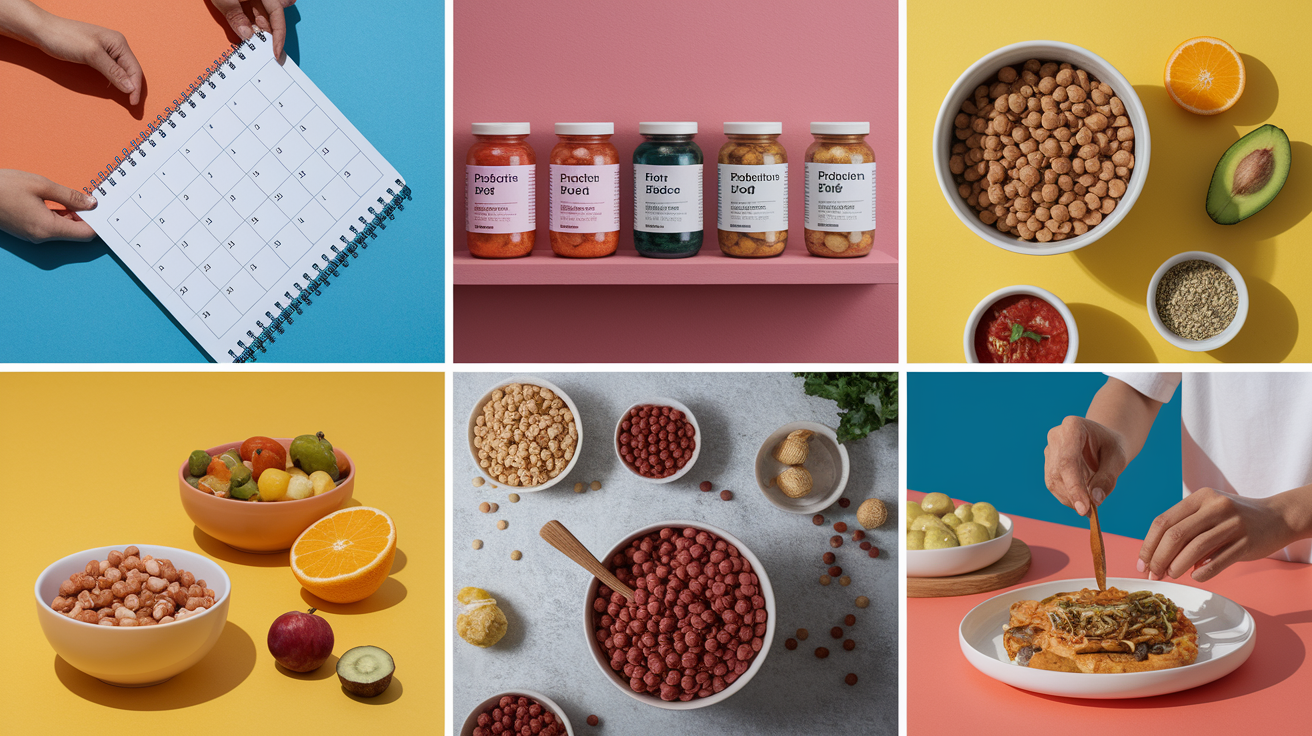
Preventing bloating over the long term means building habits that support a healthy, balanced gut microbiome and smooth digestive motility. Quick fixes work when you need them, but consistency is what reduces how often you need relief in the first place.
Probiotics can help rebalance your gut bacteria over weeks and months. Look for supplements or fermented foods that contain Lactobacillus and Bifidobacterium strains, which have been studied for reducing bloating and improving overall digestive comfort. Yogurt, kefir, sauerkraut, kimchi, and miso are all good food sources. If you’re adding fiber to your diet (whether from whole grains, vegetables, or supplements), do it gradually. A sudden jump from low fiber to high fiber overwhelms your gut bacteria and produces excess gas. Add one new high-fiber food every few days and give your system time to adapt. Fermented foods improve the digestibility of many ingredients and provide beneficial bacteria at the same time.
Consistent routines matter. Eating meals at roughly the same times each day trains your digestive system to expect food and produce digestive enzymes on schedule. Regular sleep supports gut motility. Your intestines do a lot of “housekeeping” work while you sleep, moving waste and resetting for the next day. Managing stress long-term (not just in the moment) reduces chronic inflammation and keeps your gut-brain axis functioning smoothly.
Three long-term strategies to prevent recurring bloating:
- Take a daily probiotic or eat fermented foods (yogurt, kefir, sauerkraut) 4 to 5 days per week to maintain a balanced gut microbiome.
- Increase fiber intake gradually. Add one new high-fiber food every 3 to 4 days and pair it with plenty of water.
- Stick to consistent meal times and a regular sleep schedule to support natural digestive rhythms and motility.
Final Words
Start by moving: a 10-15 minute walk, a warm compress, or a cup of peppermint or ginger tea can ease pressure fast.
You practiced prevention, too — slow chewing, tracking trigger foods, timing meals, and knowing when OTCs or probiotics help. If bloating is persistent or you spot red-flag signs, see a clinician.
Use these simple steps to learn how to reduce bloating after eating and build routines that keep you comfortable. Small changes stack into steady wins.
FAQ
Q: How do I stop feeling bloated after eating?
A: To stop feeling bloated after eating, try a 10–15 minute gentle walk, sip ginger or peppermint tea, use a 15–20 minute warm abdominal pack, or take simethicone (breaks gas bubbles) for quick relief.
Q: How can I reduce bloating in 5 minutes?
A: To reduce bloating in 5 minutes or quickly debloat your belly, do deep belly breaths, a gentle clockwise abdominal massage, stand and walk in place, or sip warm water to ease trapped gas.
Q: How to debloat your stomach in 2 hours?
A: To debloat your stomach in 2 hours, take a 10–15 minute walk, drink peppermint or ginger tea, apply a warm abdominal pack for 15–20 minutes, and avoid more food or carbonated drinks.