


Four of the top 10 causes of death in the U.S. are tied directly to what people eat, so diet isn’t optional.
But it’s not about strict rules or one magic food.
Instead, fill your plate with fruits, vegetables, whole grains, lean protein, and healthy fats to get steady energy, important vitamins and minerals, and the fiber your gut needs.
This post breaks the essentials into simple steps you can use today to lower disease risk and feel better without perfect diets or endless tracking.
Core Principles of Balanced Diet Nutrition Explained
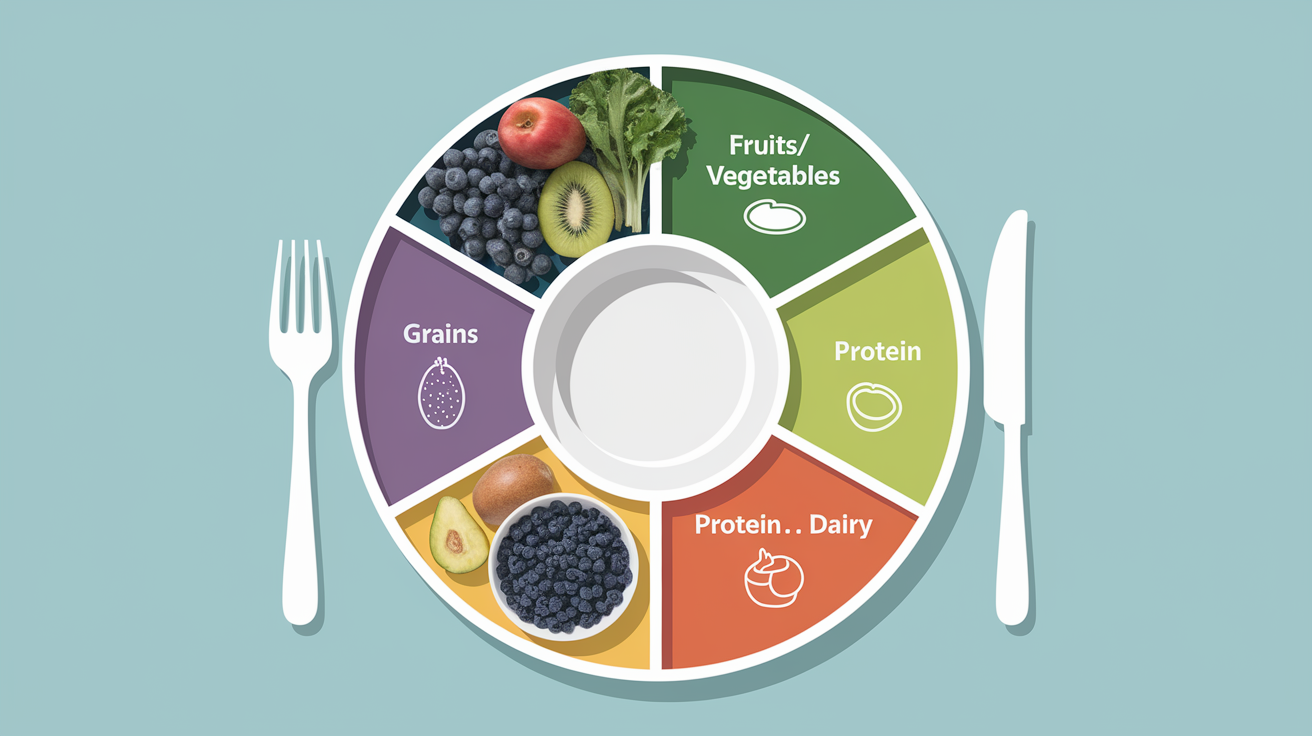
Balanced diet nutrition is about eating from all five major food groups (fruits, vegetables, whole grains, lean proteins, and healthy fats) in proportions that give you both macronutrients and micronutrients. The MyPlate framework keeps it simple: about half your plate is fruits and vegetables, just over a quarter is whole grains, just under a quarter is protein, plus a dairy or fortified nondairy option on the side. This way of building meals keeps things nutrient-dense without relying on single “superfoods” or convenience foods that don’t really fuel you.
Calories are just a measure of energy from food. Most adults need around 2,000 per day to maintain weight, but your actual number shifts based on height, weight, age, sex, and activity level. A 6’3″ guy who trains five days a week eats very differently from someone who’s 5’2″ with a desk job. You don’t have to track every calorie, but knowing that energy in versus energy out affects weight, energy, and disease risk helps you adjust portions when needed.
A balanced diet supplies six nutrient categories every day:
Complex carbohydrates for steady energy and fiber
Complete and incomplete proteins for muscle, immunity, and staying full
Unsaturated fats for heart and brain health
Vitamins like A, C, D, and the B family for immunity and metabolism
Minerals including calcium, iron, potassium, and zinc for bones, blood, and nerves
Fiber and antioxidants from colorful produce for digestion and cell protection
When these six categories show up consistently, you’re lowering chronic disease risk, stabilizing blood sugar, fueling daily performance, and supporting a healthy weight long term. Four of the top 10 causes of death in the U.S. (including heart disease and type 2 diabetes) tie directly to what people eat. Balanced diet nutrition isn’t about being perfect. It’s about making your baseline habits protective instead of risky.
Understanding Macronutrients for Balanced Diet Nutrition

Carbohydrates are your body’s primary energy source, especially for your brain and muscles during activity. Whole grains, fruits, and vegetables deliver carbs bundled with fiber, which slows digestion, keeps blood sugar steady, and feeds the beneficial bacteria in your gut. Protein builds and repairs muscle tissue, produces enzymes and hormones, keeps your immune system responsive, and helps you feel full longer after meals. That’s one reason balanced plates pair lean protein with whole grains. Choose proteins that don’t come with excess saturated fat: poultry, beans, lentils, tofu, and fatty fish like salmon or sardines.
Fats aren’t the enemy. They help you absorb vitamins A, D, E, and K, cushion organs, support brain function, and provide concentrated energy. The key is choosing the right types. Unsaturated fats (olive oil, avocados, nuts, seeds, and fish) support heart health and lower inflammation. Saturated fats, common in butter, cheese, and heavy cream, should stay around 10% or less of daily calories. Trans fats, often hiding in processed baked goods and fried foods, should be eliminated entirely. They raise bad cholesterol and increase heart disease risk with zero nutritional upside.
| Macronutrient | Primary Functions | Healthy Food Examples |
|---|---|---|
| Carbohydrates | Primary energy for brain and muscles; fiber supports digestion and blood sugar stability | Whole-wheat bread, brown rice, quinoa, oats, sweet potatoes, apples, berries |
| Protein | Muscle repair, enzyme and hormone production, immune function, satiety | Chicken breast, turkey, salmon, eggs, Greek yogurt, beans, lentils, tofu, tempeh |
| Fats | Vitamin absorption, brain and heart health, energy storage, cell structure | Extra virgin olive oil, avocados, almonds, walnuts, sunflower seeds, sardines, flaxseed |
Micronutrients and Nutrient Density in Balanced Diet Nutrition

Vitamins regulate hundreds of processes you don’t think about. Vitamin A keeps your vision sharp and skin healthy. Vitamin C boosts immunity and helps wounds heal. Vitamin D partners with calcium to build bones. The B vitamins (B6, B12, folate, niacin) turn food into usable energy and support nerve function. You don’t need megadoses. Consistent intake from whole foods usually covers your needs. Deficiencies show up as fatigue, poor immunity, brittle bones, or slow recovery, so variety across food groups matters more than any single supplement.
Minerals are equally critical. Calcium and vitamin D work together to keep bones strong and prevent osteoporosis as you age. Iron carries oxygen in red blood cells; low iron leaves you tired and unfocused. Potassium balances fluids and blood pressure. Zinc supports immune response and wound healing. Most of these come naturally from a plate that includes lean protein, dairy or fortified alternatives, colorful vegetables, and whole grains. No exotic ingredients required.
Nutrient density describes how much nutrition you get per calorie. Dark leafy greens like collard greens, Swiss chard, and spinach pack vitamins A, C, K, folate, and minerals into very few calories. Berries deliver antioxidants and fiber. Salmon provides omega-3 fats, vitamin D, and protein. Beans offer protein, fiber, iron, and folate. When you fill your plate with these high-density options instead of low-nutrient processed snacks, you naturally hit micronutrient targets without needing to count or track every vitamin.
Daily Food Group Targets for Balanced Diet Nutrition

MyPlate proportions translate balanced diet nutrition into a visual you can use at every meal. Half your plate should be fruits and vegetables, just over one quarter whole grains or starchy vegetables, just under one quarter lean protein, and a dairy or fortified nondairy serving on the side. This framework isn’t rigid. Your dinner plate might look different from breakfast. But over the course of a day, aiming for these ratios ensures you’re getting carbohydrates, protein, healthy fats, fiber, vitamins, and minerals in reasonable balance.
Fruits and vegetables form the foundation. Fill that 50% with a mix of colors: dark leafy greens, red bell peppers, orange carrots, purple cabbage, berries, citrus, apples. Each color signals different antioxidants and phytonutrients. Non-starchy vegetables (broccoli, green beans, tomatoes, cucumbers, cauliflower) are unlimited; they add volume, fiber, and nutrients without many calories. Starchy vegetables like peas, corn, and potatoes are nutritious but calorie-denser, so count them toward your grain quarter instead of your produce half to keep portions in check.
For grains, aim for at least half to be whole grains: brown rice instead of white, whole-wheat pasta instead of refined, oatmeal instead of sugary cereal, quinoa instead of couscous. Whole grains keep the bran and germ intact, delivering more fiber, B vitamins, and minerals than their white, processed counterparts. Your protein quarter should emphasize lean options: poultry without skin, fish (especially fatty types like salmon and sardines), beans, lentils, tofu, tempeh, eggs, or Greek yogurt. Limit red meat to occasional servings and choose cuts with less visible fat.
Eight ideal daily food group picks to include:
A serving of dark leafy greens (spinach, kale, collard greens)
At least two different colored vegetables (carrots, bell peppers, tomatoes)
One to two servings of whole fruit (berries, apples, oranges)
At least one whole-grain serving (oatmeal, brown rice, whole-wheat bread)
A lean protein source at each main meal (chicken, fish, beans, tofu)
A handful of nuts or seeds (almonds, walnuts, sunflower seeds)
Three cups of dairy or fortified nondairy (milk, yogurt, cheese equivalents)
Healthy cooking fats (extra virgin olive oil, avocado)
Dairy provides about 3 cups per day for most adults: that’s 1 cup of milk (cow’s, lactose-free, or fortified soy), 1 cup of yogurt (including Greek or plant-based alternatives), 1.5 ounces of hard cheese like cheddar or mozzarella, or one-third cup shredded cheese. If you don’t consume dairy, fortified plant milks (almond, flax, cashew) can supply calcium and vitamin D. Check labels for added sugars and aim for unsweetened versions to keep empty calories low.
Practical Meal Planning for Balanced Diet Nutrition
Building balanced plates consistently starts with a simple routine. At each meal, mentally divide your plate using MyPlate proportions, then fill it. Start with non-starchy vegetables to claim half the real estate. Add a fist-sized portion of whole grains or starchy vegetables to one quarter. Place a palm-sized serving of lean protein on the other quarter, and pour a glass of milk or set a cup of yogurt on the side. This visual check takes five seconds and keeps meals naturally balanced without weighing food or tracking apps.
Meal prep saves time and reduces the temptation to order takeout or grab processed snacks. On a Sunday or your day off, roast a sheet pan of mixed vegetables (broccoli, bell peppers, zucchini, onions), cook a big batch of brown rice or quinoa, and grill or bake several chicken breasts, a block of tofu, or a pot of beans. Store everything in clear containers so you can assemble balanced lunches and dinners in under five minutes all week. Shop seasonally (winter squash in fall, berries in summer) to lower cost and get better nutrient content. Buy pantry staples like dried beans, oats, and whole-grain pasta in bulk.
Seven practical meal-planning tips:
Include at least three food groups per meal to cover macronutrients and micronutrients
Read nutrition labels for added sugars, sodium, and trans fats (aim for 0g trans fat)
Choose seasonal and local produce when possible for better flavor and lower prices
Prep versatile ingredients (roasted vegetables, cooked grains, hard-boiled eggs) that work in multiple meals
Keep frozen vegetables and fruits on hand as affordable, nutrient-dense backups
Limit highly processed foods by checking ingredient lists; fewer ingredients usually means less processing
Drink water as your main beverage to avoid empty calories from sodas and sweetened drinks
Planning for families means involving everyone in meal decisions and prep. Let kids pick one vegetable and one fruit at the grocery store each week to increase buy-in. Serve meals family-style so everyone can self-select portions using the plate method. Batch-cook on weekends so weeknight dinners require only reheating and assembling. When time is tight, simple combinations (scrambled eggs with whole-wheat toast and sliced tomatoes, or a can of beans heated with salsa over brown rice and a side salad) still hit balanced diet nutrition targets without elaborate recipes.
Examples of Balanced Diet Nutrition Meals

Sample meals show you what balanced diet nutrition looks like in practice. Not as aspirational Instagram posts but as real food you can throw together on a Tuesday night. Each example combines produce, whole grains, lean protein, and a serving of dairy or fortified alternative, hitting MyPlate proportions and offering a mix of macronutrients and micronutrients. Use these templates as starting points, then swap ingredients based on what’s in your fridge or pantry.
When you build your own meals, think “half plate vegetables or fruit, quarter whole grain, quarter protein, dairy on the side.” Breakfast might skew toward fruit and grains with a protein boost from yogurt or eggs. Lunch and dinner emphasize vegetables, grains, and protein in equal focus. Snacks bridge the gaps with combinations like apple slices and peanut butter (fruit plus healthy fat plus protein) or a handful of trail mix (nuts, seeds, dried fruit for fats, protein, and quick carbs).
| Meal | Example | Key Nutrient Balance |
|---|---|---|
| Breakfast | Oatmeal with fresh berries, a spoonful of almonds, and a glass of low-fat milk or fortified almond milk | Whole-grain carbs and fiber; antioxidants from berries; healthy fats and protein from nuts; calcium and vitamin D from milk |
| Mid-Morning Snack | Greek yogurt with sliced fruit or a handful of trail mix (nuts, seeds, dried fruit) | Protein and probiotics from yogurt; quick carbs and fiber from fruit; healthy fats from nuts |
| Lunch | Grilled chicken or chickpea salad with mixed greens, cherry tomatoes, cucumbers, olive oil dressing, and a slice of whole-grain bread | Lean protein (chicken or plant-based); vitamins and fiber from vegetables; whole-grain carbs; unsaturated fats from olive oil |
| Afternoon Snack | Apple slices with peanut butter or carrot sticks with hummus | Fiber and natural sugars from fruit or vegetables; protein and healthy fats from nut butter or chickpeas |
| Dinner | Baked salmon or tofu, brown rice or quinoa, and a side of roasted broccoli and bell peppers | Omega-3 fats and protein from salmon (or plant protein from tofu); whole-grain carbs and fiber; vitamins A and C from vegetables |
Managing Portions and Energy Balance in Balanced Diet Nutrition

Energy balance is simple math: calories in versus calories out. Eat more energy than you burn, and your body stores the excess as fat. Eat less than you burn, and your body taps stored energy to make up the difference. Most adults maintain weight around 2,000 calories per day, but a 6’3″ basketball player might need 3,000 while a 5’2″ office worker might need 1,600. Activity level, muscle mass, age, and metabolism all shift the number. Listen to hunger cues and adjust portions if your weight trends up or down over several weeks.
Visualizing portions helps you eat appropriate amounts without scales or apps. A serving of protein is about the size of your palm (3 to 4 ounces cooked chicken or fish, or 1 cup beans). A serving of whole grains fits in your cupped hand (½ cup cooked rice, pasta, or oatmeal). A serving of vegetables is at least a fist-sized portion, but since they’re low-calorie, you can double or triple that. A serving of fats (nuts, seeds, oil) is roughly your thumb (1 tablespoon oil, a small handful of nuts). Your actual plate will hold multiple servings, so knowing these references helps you build balanced meals that match your energy needs.
Six portion-control strategies:
Use smaller plates and bowls to naturally reduce serving sizes without feeling deprived
Fill half your plate with vegetables first so higher-calorie foods get less real estate
Measure portions for calorie-dense foods like oils, nuts, cheese, and grains until you learn visual cues
Eat slowly and pause halfway through to check if you’re still hungry or just clearing your plate
Avoid eating straight from packages (chips, crackers, ice cream); portion out a serving first
Drink a glass of water before meals to support digestion and reduce overeating from thirst mistaken for hunger
Empty-calorie foods deliver energy but little nutrition: cakes, cookies, donuts, chips, fries, ice cream, soda, energy drinks, and processed meats. A donut might have 300 calories but almost no fiber, vitamins, or protein, leaving you hungry again in an hour. Swapping empty-calorie snacks for nutrient-dense options (apple slices with peanut butter instead of cookies, sparkling water with lemon instead of soda, roasted chickpeas instead of chips) gives you the same satisfying crunch or sweetness while adding fiber, vitamins, and protein that stabilize energy and reduce cravings.
Improving Gut Health Through Balanced Diet Nutrition

Your gut hosts trillions of bacteria (the microbiome) that digest fiber, produce vitamins, regulate immunity, and even influence mood through the gut-brain axis. Fiber acts as fuel for beneficial bacteria. When you eat fruits, vegetables, whole grains, beans, and lentils, you’re feeding the microbes that keep your digestive system running smoothly. Prebiotics are types of fiber (found in onions, garlic, bananas, asparagus, oats) that specifically nourish good bacteria. Probiotics are live beneficial bacteria found in yogurt, kefir, sauerkraut, kimchi, and other fermented foods. Together, prebiotics and probiotics support a diverse, resilient microbiome.
Improved gut health shows up as regular digestion, less bloating, stronger immunity (about 70% of immune cells live in your gut), better nutrient absorption, and more stable energy and appetite. A balanced microbiome helps regulate hunger hormones like ghrelin and leptin, so you’re less likely to overeat or crave high-sugar foods. When your gut bacteria are happy, they produce short-chain fatty acids that reduce inflammation and support metabolic health. Poor gut health (often caused by low fiber, high processed-food intake, and lack of variety) contributes to digestive issues, weakened immunity, and even mental health challenges like anxiety or brain fog.
Five fiber-rich or microbiome-supportive foods to include regularly:
Oats and whole grains (prebiotics and soluble fiber for steady digestion)
Beans, lentils, and chickpeas (resistant starch and fiber that feed beneficial bacteria)
Greek yogurt or kefir (probiotics for live bacteria and calcium)
Leafy greens and cruciferous vegetables (fiber, vitamins, and compounds that support gut lining)
Berries and apples (pectin fiber and antioxidants for microbiome diversity)
Balanced Diet Nutrition for Different Lifestyles and Ages

Children need nutrient-dense foods to fuel rapid growth, brain development, and high activity levels. Their small stomachs mean every bite should count: whole-grain toast with nut butter, scrambled eggs, berries, cheese sticks, and milk or fortified plant milk provide concentrated nutrition without relying on processed snacks. Inadequate balanced diet nutrition in childhood increases risk of obesity, poor academic performance, cavities, and lifelong habits that favor processed over whole foods. Involve kids in grocery shopping and simple meal prep to build food literacy early.
Adults require balanced intake to maintain muscle mass, manage weight, sustain energy for work and exercise, and prevent chronic diseases like type 2 diabetes, high blood pressure, and heart disease. Consistent meals that combine lean protein, whole grains, and colorful vegetables keep blood sugar stable, reduce afternoon crashes, and support long-term metabolic health. About 85% of adults believe their diets are healthier than they actually are, so periodically checking your plate against MyPlate proportions helps close the gap between perception and reality.
Seniors need extra attention to bone health (calcium and vitamin D from dairy or fortified alternatives), muscle preservation (adequate protein at each meal, not just dinner), and nutrient absorption, which can decline with age. Fiber remains critical for digestion, and hydration becomes even more important as thirst signals weaken. Seniors should prioritize whole, minimally processed foods that deliver maximum nutrition per calorie, since appetites often decrease while nutrient needs stay high or even increase.
Active individuals and athletes burn more energy and break down more muscle tissue, so their balanced diet nutrition includes higher overall calories and increased protein (roughly 1.2 to 2.0 grams per kilogram of body weight depending on training intensity). Timing matters: pairing protein with carbohydrates after workouts supports muscle repair and glycogen replenishment. Even recreational athletes benefit from MyPlate principles (half plate vegetables, quarter whole grains, quarter protein) scaled up in portion size to match energy output. Hydration and electrolyte balance (sodium, potassium) also become priorities during long or intense training sessions.
Final Words
Build your plate around variety: half vegetables and fruit, a quarter whole grains, a quarter lean protein, with dairy or alternatives on the side. We walked through macros, micronutrients, portions, meal planning, gut-friendly choices, and life-stage tweaks.
Use simple swaps: whole grains, more veg, fiber-rich snacks, and small meal-planning habits to make this stick. If you start with one change a week, you’ll stack wins.
Balanced diet nutrition supports energy, digestion, and long-term health. Keep going—you’ve got this.
FAQ
Q: What is balanced diet nutrition?
A: Balanced diet nutrition means eating a variety across fruits, vegetables, whole grains, lean proteins, and healthy fats—roughly half your plate veg/fruit, a quarter grains, a quarter protein, plus dairy or an alternative.
Q: How many calories should I eat daily?
A: The number of daily calories you should eat depends on age, sex, and activity; about 2,000 kcal is a common baseline—adjust by tracking weight, energy, and using a simple calculator for a personal target.
Q: What are macronutrients and why do they matter?
A: Macronutrients are carbohydrates, proteins, and fats; they provide energy, build and repair tissue, and help absorb vitamins—choose whole grains, lean proteins, and healthy fats for steady energy and recovery.
Q: What are micronutrients and why are they important?
A: Micronutrients are vitamins and minerals (like A, C, D, calcium, iron) that support immunity, bones, blood, and metabolism; varied, colorful, nutrient-dense foods usually cover your needs better than supplements.
Q: How do I build a balanced plate?
A: Building a balanced plate follows MyPlate: fill half with fruits and vegetables, one quarter with whole grains, one quarter with lean protein, and include dairy or a fortified alternative on the side.
Q: Which foods support gut health?
A: Foods that support gut health include fiber-rich fruits, vegetables, whole grains, legumes, fermented foods with live cultures (probiotics), and prebiotic-rich plants that feed the microbiome (gut bacteria).
Q: How can I plan balanced meals for a busy week?
A: Planning balanced meals means batch-cook grains and proteins, chop vegetables ahead, choose seasonal produce, use simple plate templates, and pack ready snacks like yogurt or mixed nuts for quick choices.
Q: What are simple portion-control strategies?
A: Simple portion-control strategies are using visual cues (palm for protein, fist for carbs), measuring once, plating meals, avoiding eating from packages, prioritizing vegetables, and occasionally tracking portions to learn sizes.
Q: How does a balanced diet reduce disease risk?
A: A balanced diet reduces disease risk by supplying fiber, vitamins, minerals, and healthy fats that help lower heart disease and type 2 diabetes risks, stabilize energy, and support healthy weight over time.
Q: How should balanced nutrition change across life stages?
A: Balanced nutrition shifts by life stage: children need nutrient-dense growth foods, adults focus on steady energy and prevention, seniors need bone-supporting nutrients, and athletes require extra calories and protein for recovery.
Q: What are empty-calorie foods to limit?
A: Empty-calorie foods to limit include sugary drinks, sweets, chips, fries, and many processed snacks because they deliver lots of energy but little nutrition, crowding out more nourishing choices.