
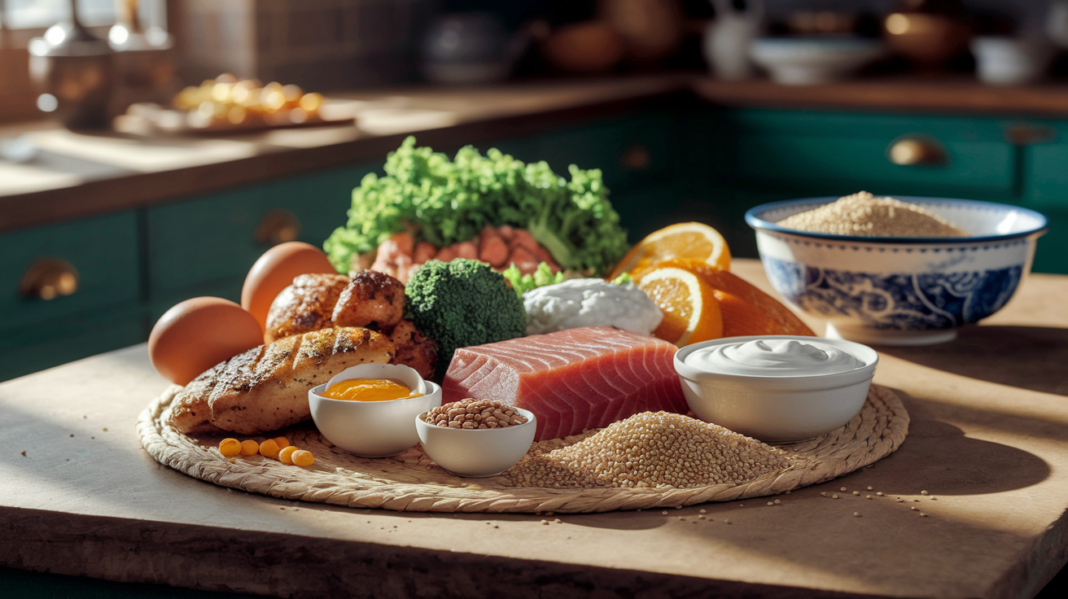

Think you need protein powders and fancy bars to hit your targets?
You don’t.
Protein Nutrition Foods — real groceries like chicken, lentils, yogurt, and tempeh — give 15–40 g per serving, keep you full, and protect muscle.
This post lists the best sources, compares protein per 100 g and per serving, and gives simple swaps and meal ideas so you can hit 1.2–2.2 g per kg without guessing.
Read on to make protein simple and practical.
Top High-Protein Foods (Quick List)
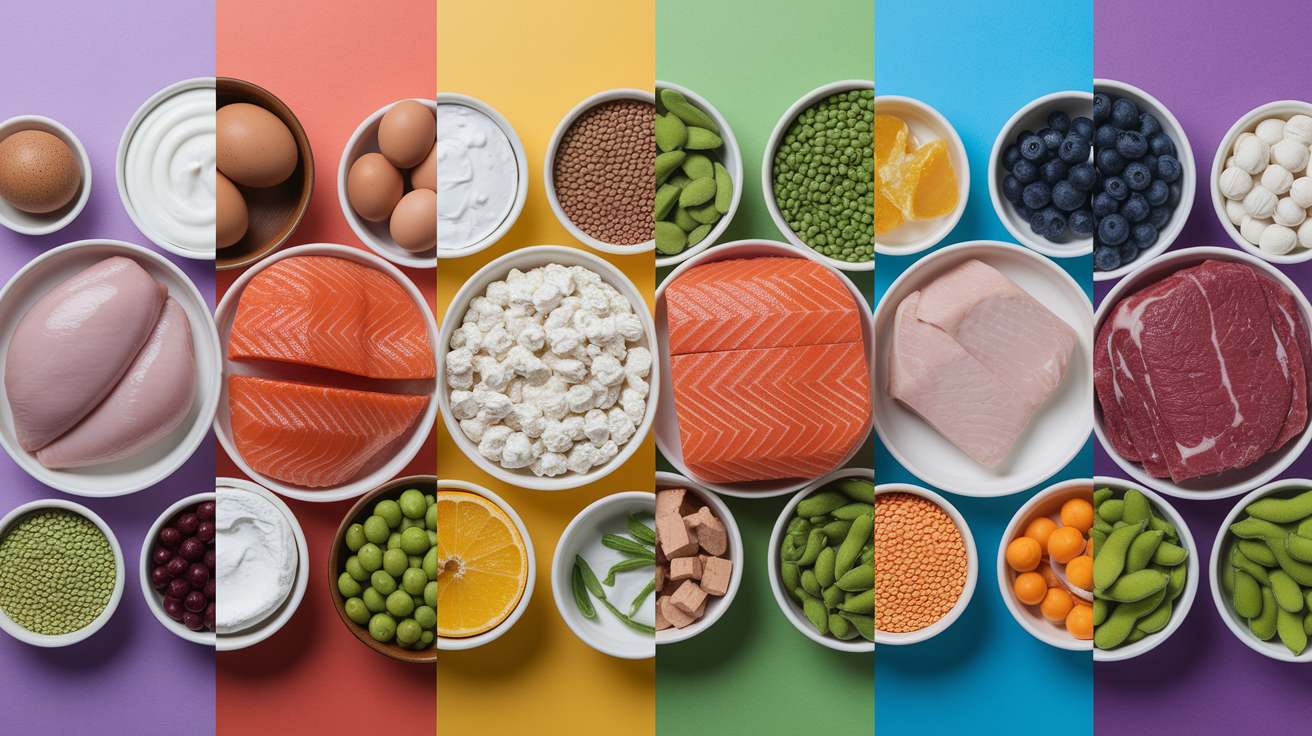
If you’re training for strength, trying to manage hunger, or just looking to meet your body’s daily protein needs, knowing which foods actually deliver makes meal planning a lot easier. Here’s a quick list of 12 high-protein staples that each bring 15 to 30+ grams per typical serving. That’s enough to hit the 20 to 40 gram per-meal range that maximizes muscle protein synthesis.
• Chicken breast (cooked, skinless) – about 31 g protein per 100 g; a 120 g serving gets you around 37 g
• Greek yogurt (plain, nonfat) – roughly 17 g per 170 g cup
• Eggs – around 6 g per large egg; 3 eggs give you about 18 g
• Lentils (cooked) – approximately 18 g per 1 cup (198 g)
• Tuna (canned in water, drained) – about 25 g per 100 g
• Cottage cheese (low-fat) – 12 to 14 g per ½ cup
• Salmon (cooked) – roughly 25 g per 100 g; a 150 g fillet brings around 37 g
• Tofu (firm) – 8 to 12 g per 100 g (brand dependent)
• Tempeh – about 19 g per 100 g
• Turkey breast (cooked, skinless) – around 29 g per 100 g
• Edamame (shelled) – roughly 17 g per 1 cup
• Lean beef (cooked sirloin) – about 26 g per 100 g
Think of this as your grocery shopping shortcut when you need to hit daily targets of 1.2 to 2.2 g protein per kg body weight, depending on how active you are.
Protein Sources by Food Category
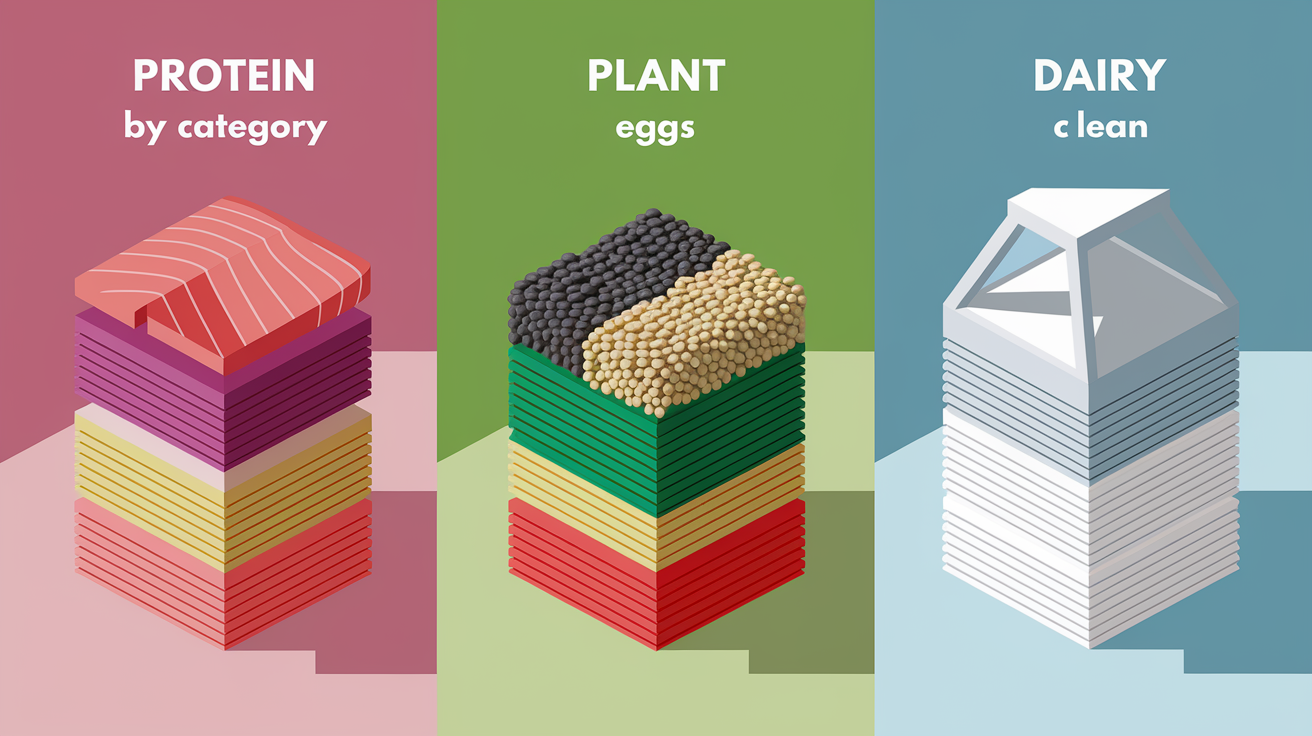
Protein-rich foods fall into three broad categories: animal products, plant sources, and dairy. Animal proteins like meat, poultry, fish, shellfish, and eggs are complete proteins. That means they’ve got all nine essential amino acids your body can’t make on its own. A 100 g serving of chicken breast gets you around 31 g of protein, and a 150 g salmon fillet hits 37 g while also giving you omega-3 fats and selenium. These are especially good for meeting leucine thresholds (roughly 2.5 to 3 g per meal) that kickstart muscle protein synthesis.
Plant options take a bit more planning, but they bring fiber, phytonutrients, and usually lower saturated fat. Legumes like lentils (18 g per cooked cup), chickpeas (15 g per cup), and black beans (15 g per cup) form the backbone of vegetarian protein intake. Soy foods like edamame (17 g per cup), tempeh (19 g per 100 g), and firm tofu (8 to 12 g per 100 g) are complete proteins and easy to meal prep. Grains like quinoa (8 g per cooked cup) and oats (6 g per cooked cup) add smaller amounts that stack up across the day.
Dairy and eggs sit somewhere in between. Greek yogurt (17 g per 170 g serving), cottage cheese (12 to 14 g per ½ cup), and milk (8 g per cup) are complete proteins with high bioavailability. Eggs pack 6 g each along with choline and B vitamins, especially when you use the whole egg. If you’re vegetarian, aiming for 3 to 4 servings of concentrated plant or dairy protein daily will usually cover a 1.2 to 1.6 g/kg target.
Five notable high-protein picks that show variety:
- Shrimp (cooked) – 24 g per 100 g; low in fat, rich in selenium (if you’re pregnant or breastfeeding, limit to 2 to 3 servings per week due to mercury guidance).
- Pumpkin seeds – 8 to 9 g per 1 oz (28 g); portable, shelf stable, plus magnesium and zinc.
- Seitan – 20 to 25 g per 100 g; wheat gluten based, chewy texture, high protein density for plant eaters.
- Egg whites (liquid) – 27 g per 1 cup (243 g); nearly fat-free, 85% of calories from protein.
- Pork loin (cooked, lean) – 27 g per 100 g; versatile for meal prep, comparable to poultry.
Protein Content Comparison Table
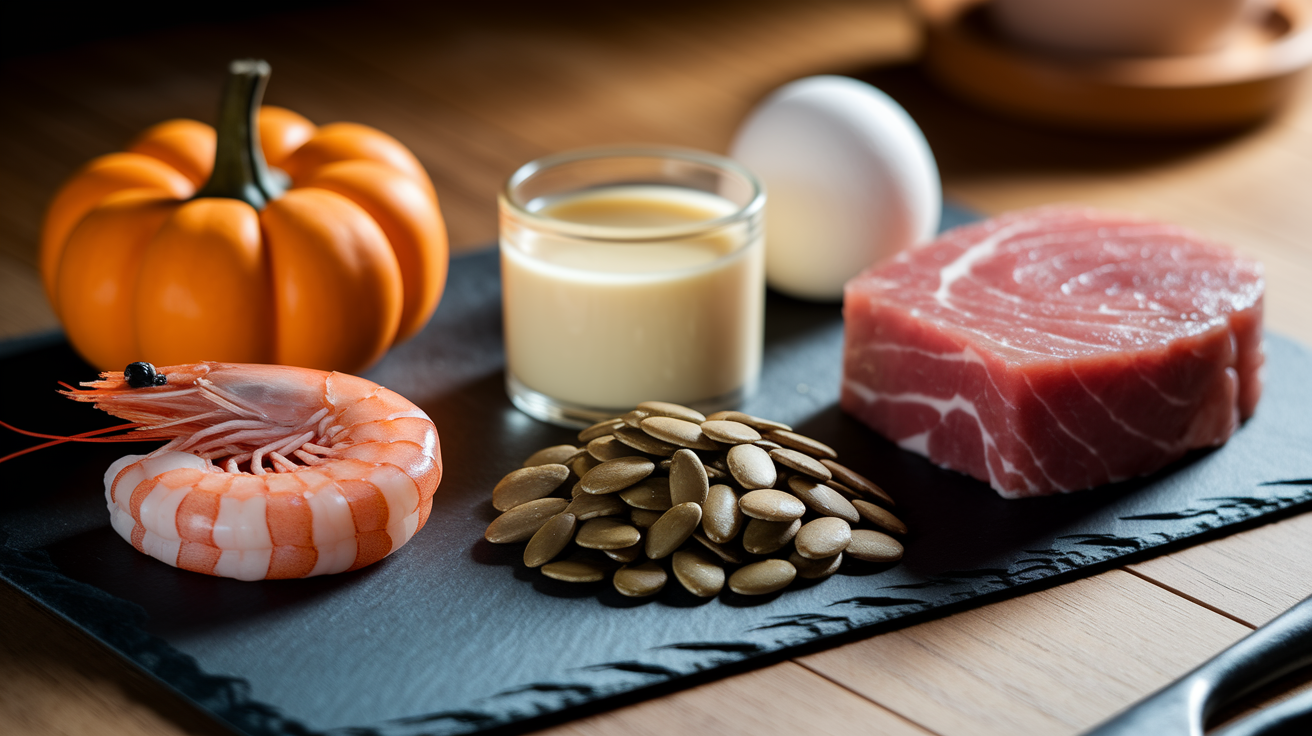
When you’re comparing foods side by side to maximize protein per 100 g, this table simplifies things. Protein per 100 g matters when you’re portioning meals or shopping for the highest density, especially if you’re watching total calories or trying to fit more protein into a smaller plate.
| Food | Protein per 100 g | Category |
|---|---|---|
| Dried fish | 63 g | Animal (caution: high sodium) |
| Chicken breast (cooked, skinless) | 31 g | Animal |
| Turkey breast (cooked, skinless) | 30 g | Animal |
| Tuna (yellowfin, cooked) | 29 g | Animal (limit servings if pregnant) |
| Pork loin (cooked, lean) | 27 g | Animal |
| Salmon (cooked) | 25 g | Animal |
| Tempeh | 19 g | Plant (soy-based, complete protein) |
| Firm tofu | 8–12 g | Plant (soy-based, complete protein) |
Keep in mind that “protein per 100 g” doesn’t always match “protein per typical serving.” A single large egg is only about 50 g but still gets you 6 g of protein. A cup of cooked lentils is almost 200 g and delivers 18 g. Both numbers matter. Use per-100-g comparisons to guide grocery choices, and use per-serving numbers to build your actual plate.
Health Benefits of High-Protein Foods
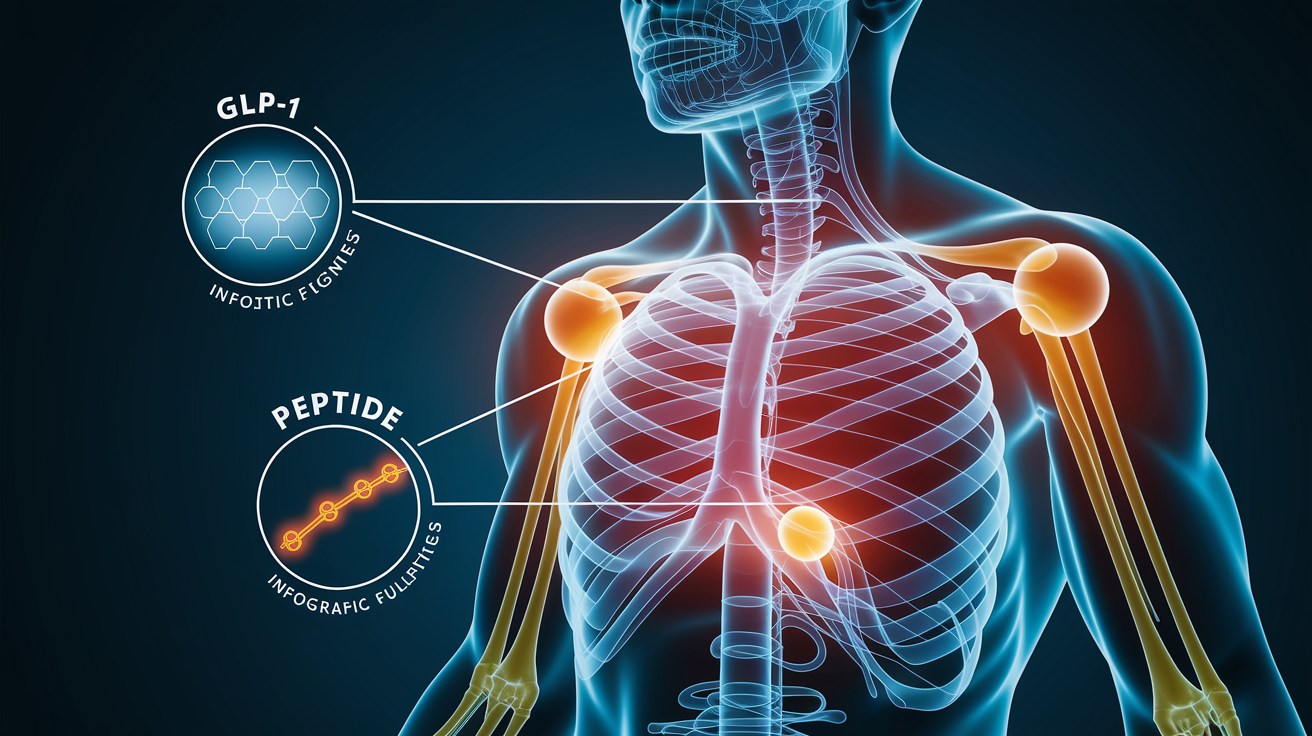
Protein is the raw material your body uses to repair muscle fibers after a workout, synthesize enzymes and hormones like insulin and thyroid hormone, and maintain immune cells that fight off infections. When you consistently hit 1.2 to 2.2 g per kg body weight (depending on activity), you’re giving your body the amino acids it needs to run these processes without breaking down existing muscle tissue for fuel. That’s especially important during weight loss, when a calorie deficit can otherwise cost you lean mass along with fat.
High-protein meals also keep you fuller longer. Protein triggers the release of satiety hormones like GLP-1 and peptide YY, which signal your brain that you’re satisfied, often for 3 to 4 hours instead of the 1 to 2 hours you might feel after a carb-heavy snack. This makes it easier to stick to moderate portions and avoid the mid-afternoon vending machine run. If you’re managing cravings or trying to reduce snacking between meals, aiming for 20 to 30 g of protein at breakfast (three eggs plus Greek yogurt, for example) can steady energy and hunger cues through lunch.
For older adults, adequate protein intake, often recommended at 1.0 to 1.2 g/kg, helps reduce the risk of sarcopenia, the gradual loss of muscle mass and strength that speeds up after age 50. Combining protein with resistance training preserves muscle, supports bone density, and maintains the metabolic rate that keeps daily energy expenditure higher. Even if you’re not lifting weights, spreading protein across three or four meals ensures your body has a steady supply of amino acids for maintenance and recovery throughout the day.
How to Add More Protein to Daily Meals
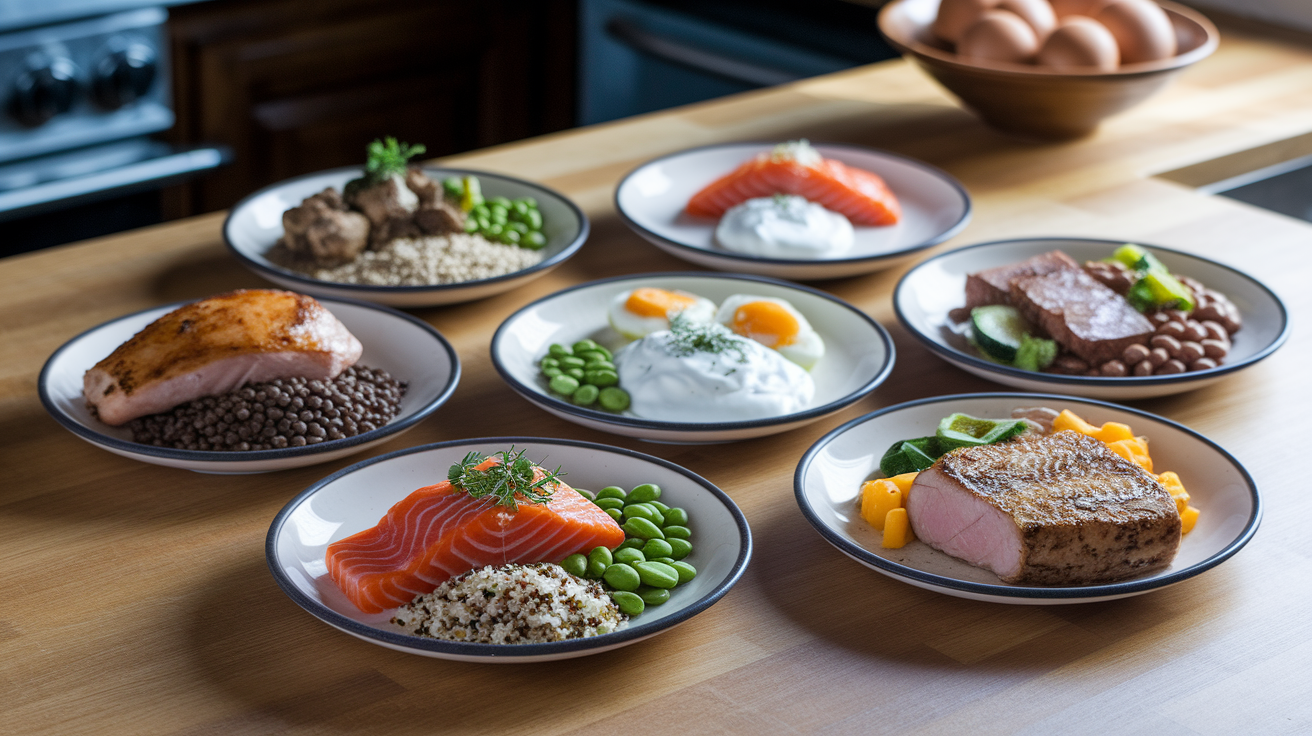
Start by anchoring each meal around a 20 to 40 g protein core: a palm-sized piece of chicken, a 150 g salmon fillet, a heaping cup of lentils, or a 170 g tub of Greek yogurt. Once that core is on your plate, add 5 to 15 g from sides and snacks. Shelled edamame, a handful of almonds, a couple tablespoons of cottage cheese stirred into a smoothie, or an extra egg scrambled alongside your morning oats. This “core plus sides” approach makes it simple to hit daily targets of 1.6 to 2.2 g/kg without obsessing over every gram.
If you’re plant based, combine incomplete proteins to cover all essential amino acids. Pair rice with black beans, spread peanut butter on whole-grain toast, or toss quinoa with chickpeas and tahini. Each pairing fills in the amino acids the other lacks, and together they deliver a complete profile similar to animal sources. Tempeh and edamame are convenient exceptions. They’re already complete proteins, so you can build a meal around either one without worrying about complementary pairings.
Six practical meal ideas to boost daily protein:
• Breakfast: 3 scrambled eggs (18 g) plus ¾ cup plain Greek yogurt mixed with berries (about 15 g) gets you around 33 g total
• Mid-morning snack: 1 oz almonds (6 g) plus 2 tbsp cottage cheese (7 g) brings you to about 13 g total
• Lunch: Grilled chicken breast salad with 4 oz chicken (around 36 g) plus ½ cup edamame (8 g) lands you at roughly 44 g total
• Afternoon snack: Protein smoothie with 1 scoop whey or pea protein powder (about 20 to 25 g) plus 1 cup milk (8 g) gives you around 28 to 33 g total
• Dinner: Baked tuna fillet, 5 oz (roughly 40 g) plus 1 cup cooked lentils (18 g) plus a side of steamed broccoli (4 g) totals around 62 g
• Evening snack: 2 hard-boiled eggs (12 g) plus carrot sticks with 2 tbsp hummus (2 g) gets you about 14 g total
These examples show how spreading protein across breakfast, lunch, dinner, and two snacks easily delivers 120 to 140 g per day. That’s enough for a 75 kg person targeting 1.6 to 1.8 g/kg for strength training or fat loss. Adjust portion sizes up or down based on your own body weight and goals. Consistency beats perfection.
Final Words
Pick two items from the quick list and add them to today’s meals.
You saw 12 top high-protein foods, a clear split of animal, plant, and dairy sources, a protein-per-100g comparison table, simple benefits for muscle, satiety and recovery, and easy meal swaps to raise intake.
Use this as a toolbox for protein nutrition foods – small swaps, steady wins. Try one change this week and you’ll notice the difference.
FAQ
Q: What are the top 10 protein foods to eat?
A: The top 10 protein foods to eat are chicken breast, salmon, canned tuna, lean beef, eggs, Greek yogurt, cottage cheese, lentils, tofu, and tempeh — all high, versatile protein sources.
Q: What are the 5 best foods for diabetics?
A: The 5 best foods for diabetics are non-starchy vegetables, legumes (beans and lentils), fatty fish, nuts, and Greek yogurt — they provide protein, fiber, and steady blood sugar support.
Q: How much protein should a person with one kidney eat?
A: A person with one kidney should eat moderate protein — about 0.6–0.8 grams per kilogram of body weight per day; check with your nephrologist or dietitian for personalized guidance.
Q: What is the best protein for high cholesterol?
A: The best protein for high cholesterol is plant-based proteins like beans, lentils, soy, and nuts, plus fatty fish and lean poultry, which support lower LDL and overall heart health.