


Think you need a pill to beat bloating? Think again. Small, natural fixes like warm lemon water, ginger, peppermint, fennel, and diluted apple cider vinegar often ease trapped gas and relax your gut (the digestive tract) in 10 to 30 minutes. Below you’ll get five fast, safe options to try now, what each does, and simple follow-ups if relief lags. No fluff, just practical steps you can use today — and if you’re thinking, “Do I really need to track this?” you probably don’t.
Fast-Acting Natural Remedies for Quick Bloating Relief
That tight, pressured feeling in your stomach can turn a normal afternoon into an uncomfortable one.
Warm liquids and certain seeds work quickly because they get your digestive tract to relax and help trapped gas move through. Heat stimulates gentle muscle contractions in the gut. Compounds in specific herbs can reduce spasms and ease the pressure almost immediately.
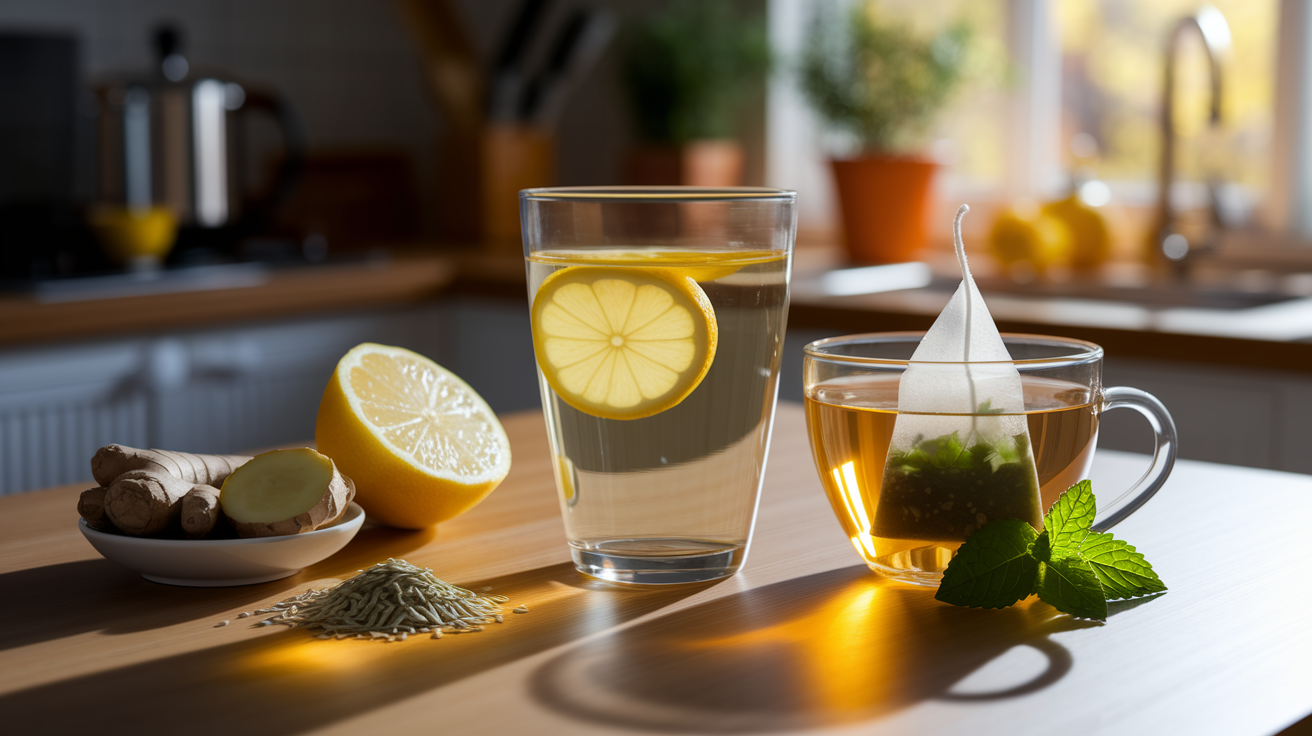
If you’re looking for something you can try right now, these five options usually produce noticeable results in under half an hour:
- Warm lemon water – Mix 240 mL (8 oz) warm water with the juice of half a lemon and sip slowly.
- Diluted apple cider vinegar – Stir 1 tablespoon into 8 oz of water and drink before your meal.
- Peppermint tea – Steep 1 tea bag or 1 teaspoon dried leaves in hot water for 5 minutes.
- Ginger tea – Use a 1-inch slice of fresh ginger or 1 teaspoon powdered, steeped for 5 to 10 minutes.
- Fennel seeds – Chew 1 to 2 teaspoons of seeds slowly after eating.
Most people notice some relief within 10 to 30 minutes. The exact timing varies depending on what’s causing your bloating in the first place.
Common Causes of Bloating and Why Home Remedies Work

Bloating happens when your digestive system accumulates gas or when food moves slowly through your intestines, creating pressure and distension. This can stem from irritable bowel syndrome, small intestinal bacterial overgrowth (SIBO), food intolerances, chronic constipation, or inflammatory bowel diseases. About 20% of the general population has some type of food intolerance that triggers symptoms, even if they’ve never been officially diagnosed.
When your gut ferments certain carbohydrates or proteins it can’t fully digest, bacteria produce gas as a byproduct. If that gas gets trapped or moves slowly, your abdomen stretches and you feel bloated. Home remedies work by reducing gas production, encouraging movement through your intestines, or calming spasms that trap air.
| Trigger | Why It Causes Bloating |
|---|---|
| Lactose (milk, dairy) | Undigested lactose ferments in the colon, producing gas and discomfort |
| Gluten (wheat, barley, rye) | May cause inflammation or slow gut motility in sensitive individuals |
| High-FODMAP foods (onions, beans, apples) | Poorly absorbed carbohydrates ferment rapidly and draw water into the intestines |
| Fatty or fried foods | Slow gastric emptying, leaving food in the stomach longer and increasing pressure |
| Artificial sweeteners (sorbitol, xylitol) | Not fully absorbed in the small intestine; fermented by bacteria in the colon |
Herbal Teas and Natural Digestive Aids for Ongoing Gut Support

While fast-acting remedies can give you immediate relief, certain herbal teas support your digestive system over days and weeks when you drink them regularly. They don’t just mask symptoms. They help your gut muscles relax, reduce inflammation, and improve the rhythm of digestion.
These herbs work through different mechanisms. Some relax smooth muscle in the intestines to prevent spasms. Others reduce inflammation that can slow motility or irritate the gut lining. A few stimulate gastric emptying so food doesn’t sit in your stomach creating pressure.
Drinking herbal teas after meals or once daily as part of your routine can gradually reduce how often you feel bloated, especially if your symptoms are tied to stress, irregular digestion, or mild food sensitivities.
Peppermint Tea
Peppermint contains high concentrations of flavonoids that relax the muscles lining your digestive tract, which helps trapped gas move through more easily. It’s especially helpful after meals when your stomach and intestines are working to break down food.
Steep 1 tea bag or 1 teaspoon of dried peppermint leaves in 8 oz of hot water for 5 to 10 minutes. Drink it warm, not boiling, to avoid irritating your esophagus. If you have acid reflux, peppermint may worsen symptoms because it can relax the valve between your stomach and esophagus.
Ginger Tea
Ginger has anti-inflammatory properties and stimulates gastric emptying, which benefits people who struggle with constipation or slow digestion. It helps food move from your stomach into your small intestine more efficiently, reducing the buildup of gas and pressure.
Use a 1-inch slice of fresh grated ginger or 1 teaspoon of powdered ginger steeped in 8 oz of hot water for 5 to 10 minutes. You can drink this after meals or once daily. If you’re on blood-thinning medication, check with your doctor before using ginger regularly at medicinal doses (more than 1 gram per day).
Fennel Tea
Fennel seeds have long-term benefits for digestion, bloating, and flatulence. They promote smooth muscle relaxation and help regulate gut motility, which can prevent gas from getting trapped in the first place.
Crush 1 to 2 teaspoons of fennel seeds and steep them in 8 oz of hot water for about 10 minutes. Strain before drinking. You can also chew the seeds directly after meals if you prefer. Fennel is generally safe in culinary amounts, but if you have an estrogen-sensitive condition (like certain types of breast cancer or endometriosis), use caution and consult a clinician.
Chamomile Tea
Chamomile gently calms the digestive tract and reduces stress-related bloating. It has mild anti-inflammatory effects and helps relax the abdominal muscles, which can ease cramping and discomfort.
Brew 1 tea bag or 1 teaspoon of dried chamomile flowers in 8 oz of hot water for 5 minutes. This tea is safe for most people and works well before bed if stress or anxiety worsens your bloating.
Drinking one or two cups of these teas daily is generally safe for most adults. If you’re pregnant, breastfeeding, or on regular medications, check with your healthcare provider before making herbal teas a daily habit, especially in concentrated or supplement form.
Natural Enzymes and Gut-Friendly Foods for Reducing Stomach Discomfort
Your body relies on digestive enzymes to break down proteins, fats, and carbohydrates into smaller molecules that can be absorbed. When enzyme production is low or when you eat a particularly heavy meal, undigested food can sit in your gut longer than it should. That leads to fermentation, gas, and bloating.
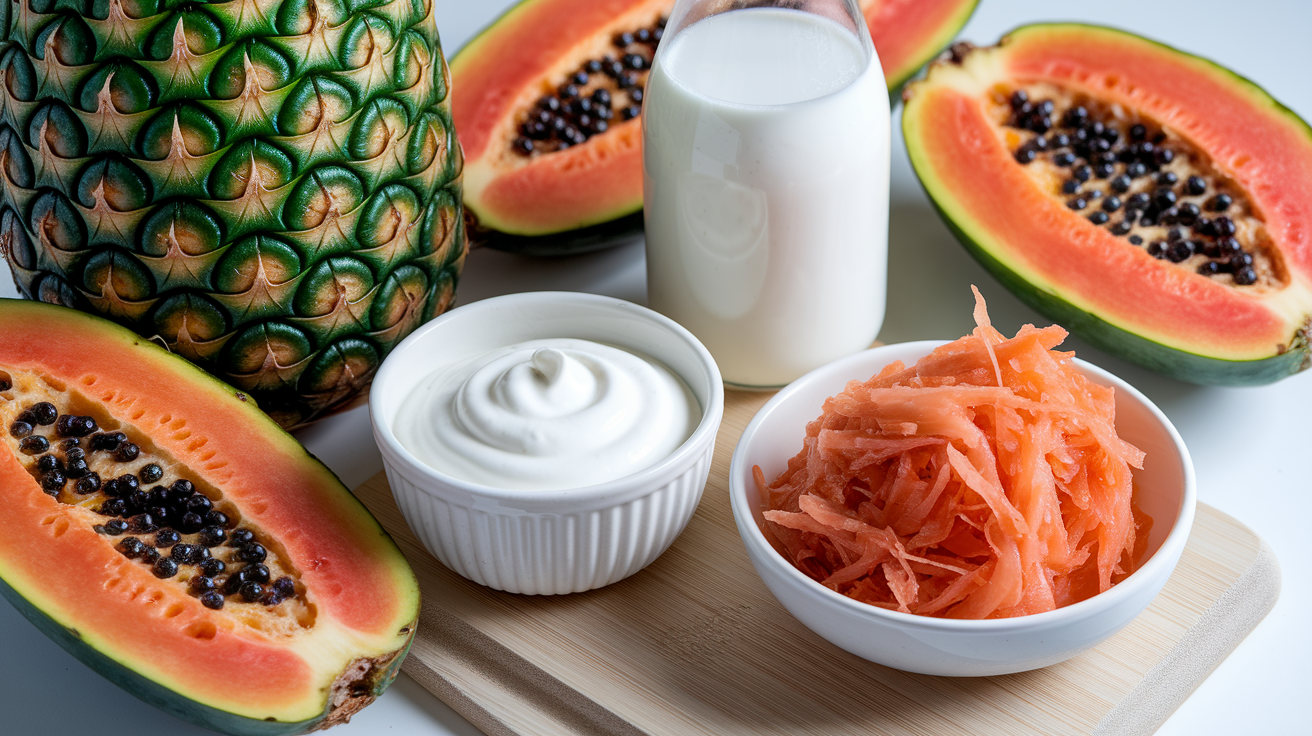
Certain fruits and fermented foods supply natural enzymes or beneficial bacteria that assist digestion. Pineapple contains bromelain, an enzyme that helps break down protein. Papaya contains papain, which does something similar. Probiotic-rich foods like yogurt and kefir deliver live bacteria that balance your gut microbiome and reduce bloating over time, especially in people with IBS.
Here are four food-based options to include regularly:
- Pineapple – Eat about 1/2 cup of fresh pineapple with or after a meal to supply bromelain, which can ease protein digestion and reduce post-meal bloating.
- Papaya – A 1/2 cup serving of fresh papaya delivers papain, another enzyme that supports digestion and may reduce gas buildup.
- Plain yogurt or kefir – One cup of plain yogurt with live cultures or a small serving of kefir provides probiotics that help maintain a healthy gut microbiome. Typical servings are around 150 to 200 grams per day.
- Fermented vegetables – Sauerkraut, kimchi, and other naturally fermented foods deliver probiotics and support gut diversity.
Probiotics have proven benefits for IBS-related bloating, but they may worsen symptoms in people with SIBO because adding more bacteria to an already overgrown small intestine can increase fermentation. If you have SIBO or suspect bacterial overgrowth, work with a clinician before starting probiotic foods or supplements. Most people see gradual improvement over weeks rather than days, so consistency matters more than one-time use.
Simple Dietary Adjustments to Reduce Bloating Naturally
Certain foods are more likely to produce gas because they contain carbohydrates that your small intestine can’t fully absorb. When these carbohydrates reach your colon, bacteria ferment them and release gas as a byproduct. The result is bloating, cramping, and sometimes flatulence.
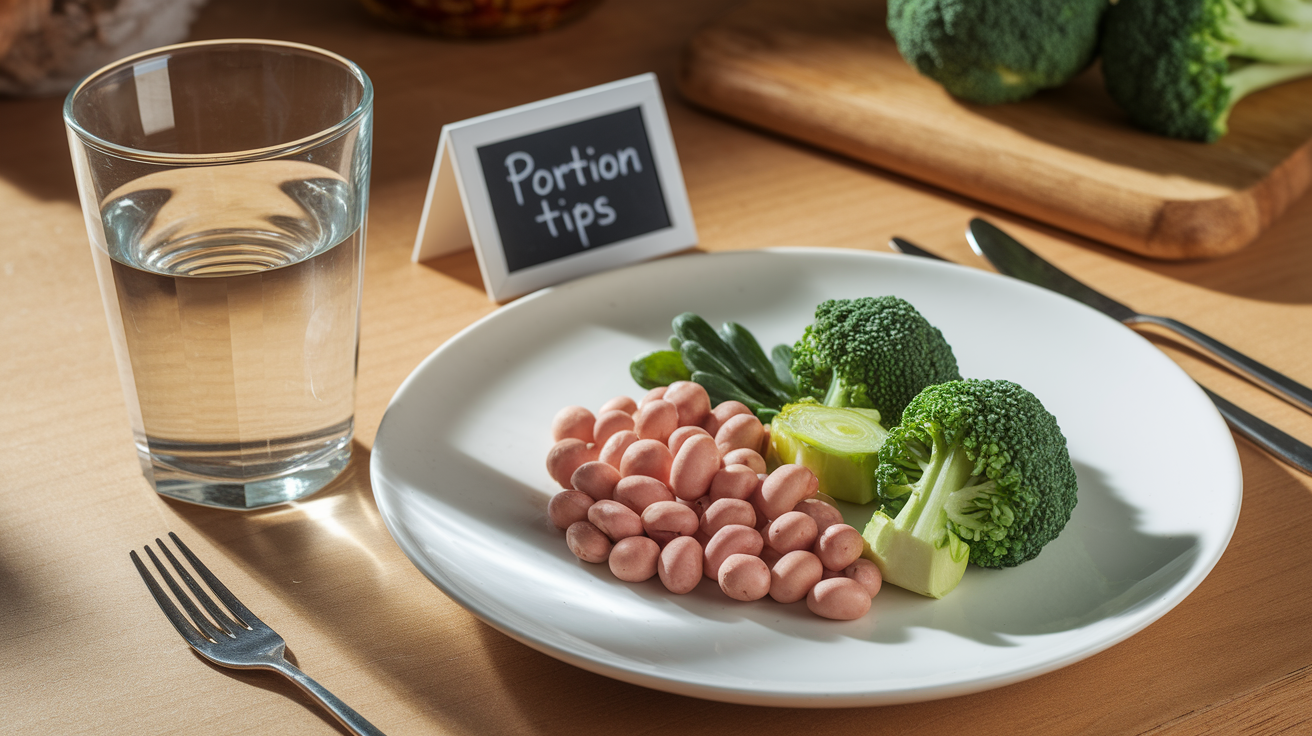
You don’t need to eliminate these foods permanently. Reducing portion sizes or eating them less frequently can make a noticeable difference. Eating 4 to 6 smaller meals per day instead of 2 large meals also helps prevent your stomach from stretching, which can reduce bloating and discomfort.
| Food Type | Adjustment |
|---|---|
| Beans and lentils | Reduce portion size by half or soak dried beans overnight before cooking |
| Cruciferous vegetables (broccoli, cabbage, cauliflower) | Eat smaller portions or cook thoroughly to break down some fibers |
| Onions and garlic | Use garlic-infused oil instead of raw garlic; reduce onion portions |
| Carbonated beverages | Switch to still water or herbal tea to avoid swallowing extra gas |
| High-fat or fried foods | Choose grilled or baked options and reduce portion size |
| Sugar alcohols (sorbitol, xylitol) | Check labels on sugar-free products and limit intake |
Try adjusting one or two foods at a time rather than overhauling your entire diet at once. This test-and-observe approach helps you identify which specific foods are causing your symptoms without unnecessary restriction.
Home Techniques and Gentle Movement to Ease Abdominal Bloating

Physical movement and targeted techniques can help trapped gas move through your digestive tract more efficiently. These methods work by stimulating gut motility, relaxing tight abdominal muscles, and encouraging the natural rhythm of your intestines.
You don’t need equipment or a long time commitment. Most of these techniques take 10 to 20 minutes and can provide noticeable relief within half an hour.
Walking and Light Movement
A short walk after eating stimulates the muscles in your intestines and encourages food and gas to move forward. Walking for 10 to 20 minutes at a moderate pace within 10 to 30 minutes after a meal can reduce gas buildup and improve digestion.
You don’t need to walk fast or break a sweat. A slow, steady pace is enough to get things moving. This is especially helpful after large meals when your stomach feels uncomfortably full.
Abdominal Massage
Massaging your abdomen in a clockwise pattern follows the natural direction of your colon and can help push trapped gas toward the exit. Lie on your back and use your fingertips to apply gentle pressure starting at your lower right abdomen. Move upward toward your ribs, then across to the left side, and down toward your pelvis.
Repeat this pattern for 5 to 10 minutes. Many people notice immediate relief as gas shifts and pressure decreases. This technique is safe for most adults but avoid deep pressure if you’re pregnant, have recent abdominal surgery, or have unexplained severe pain.
Yoga and Stretching
Certain yoga poses specifically target the abdomen and help release trapped gas. These poses compress and release your intestines, which encourages movement.
Try these three poses for about 10 minutes total:
- Knees-to-chest pose – Lie on your back, pull both knees toward your chest, and hold for 30 to 60 seconds. Repeat 2 to 3 times.
- Child’s pose – Kneel on the floor, sit back on your heels, and stretch your arms forward while lowering your forehead to the ground. Hold for 1 to 2 minutes.
- Supine twist – Lie on your back, drop both knees to one side, and extend your arms out. Hold for 30 to 60 seconds on each side.
If you’re new to yoga, start slowly and stop if you feel any sharp pain. Gentle movement and slow breathing are more effective than forcing your body into uncomfortable positions.
Identifying Food Sensitivities and Patterns That Contribute to Abdominal Bloating

About 20% of people experience some type of food intolerance that triggers bloating, even if they’ve never been diagnosed with a specific condition. The challenge is that symptoms can appear hours after eating, which makes it hard to connect the dots without tracking.
Eliminating suspected problem foods for 2 to 3 weeks and then reintroducing them one at a time is the most reliable way to confirm sensitivities. During the elimination phase, your symptoms should improve if the food was a trigger. When you reintroduce the food, watch for a return of bloating, gas, or discomfort within 24 hours.
Keep a brief symptom diary to spot patterns. Record these five elements:
- Date and time of meals and snacks
- Foods eaten and approximate portion sizes
- Beverages consumed, including type and volume
- Symptoms experienced (type, severity, and timing)
- Menstrual cycle phase or other hormonal notes if applicable
Review your notes weekly to identify which foods or eating habits consistently precede bloating. You might notice that bloating worsens after large dinners, dairy-heavy meals, or meals eaten quickly without chewing thoroughly. This structured approach removes guesswork and helps you make targeted changes instead of eliminating entire food groups unnecessarily.
When Natural Home Remedies Aren’t Enough for Bloating

Most bloating improves with dietary changes, movement, and home remedies. But some symptoms signal a more serious underlying condition that needs medical evaluation.
Contact a healthcare provider if your bloating is severe, persistent, or accompanied by any of these red flags:
- Severe abdominal pain or pain that worsens rapidly
- Fever of 101°F (38.3°C) or higher
- Persistent vomiting or inability to pass stool or gas for more than 24 hours
- Blood in your vomit or stool, or black, tarry stools
- Unintentional weight loss of more than 10 pounds over a short period
- Shortness of breath, fainting, or signs of dehydration
If your bloating lasts longer than 2 weeks despite trying multiple home remedies, or if it’s accompanied by chronic diarrhea, constipation, or unexplained weight loss, schedule an appointment with your doctor. Diagnostic imaging, stool tests, or endoscopy may be recommended to rule out conditions like inflammatory bowel disease, celiac disease, ovarian cysts, or bowel obstruction. Early evaluation helps ensure that treatable conditions don’t go undiagnosed.
Final Words
Try the fast fixes first: warm lemon water, diluted apple cider vinegar, peppermint or ginger tea, or a sprinkle of fennel seeds to ease pressure quickly.
Then layer in longer-term tools — soothing herbal teas, enzyme-rich foods, simple portion tweaks, gentle movement, and tracking to spot triggers. And know the red flags that mean you should see a clinician.
Keep this list of natural remedies for bloating at home handy. Small, consistent steps add up, and relief is within reach.
FAQ
Q: What relieves bloating fast naturally?
A: Fast natural relief for bloating is walking 10–20 minutes, gentle clockwise abdominal massage for 5–10 minutes, knees-to-chest yoga holds, a 15–20 minute heating pad, or chewing 1–2 tsp fennel seeds.
Q: How to flush gas out of your stomach?
A: Flushing gas from your stomach works best with movement: walk 10–20 minutes, try knees-to-chest or child’s pose holds, and massage the belly clockwise for 5–10 minutes.
Q: What drink gets rid of bloating fast?
A: Drinks that reduce bloating fast include warm lemon water (240 mL + 1/2 lemon), diluted apple cider vinegar (1 tbsp per 8 oz), peppermint or ginger tea; sip slowly and expect relief in 10–30 minutes.