


Think you have to skip pre-workouts because your stomach flips?
You’re not alone, and you don’t need to guess which foods work.
This quick guide gives simple, proven meal options that fuel workouts without causing bloating or cramps.
We focus on low-FODMAP (low in fermentable sugars) carbs plus lean protein, limited fat and fiber, and easy timing rules.
Read on for six practical, low-residue picks and exactly when to eat them so you can train confident and comfortable.
Gentle Pre‑Workout Meal Options That Are Easiest on Sensitive Stomachs
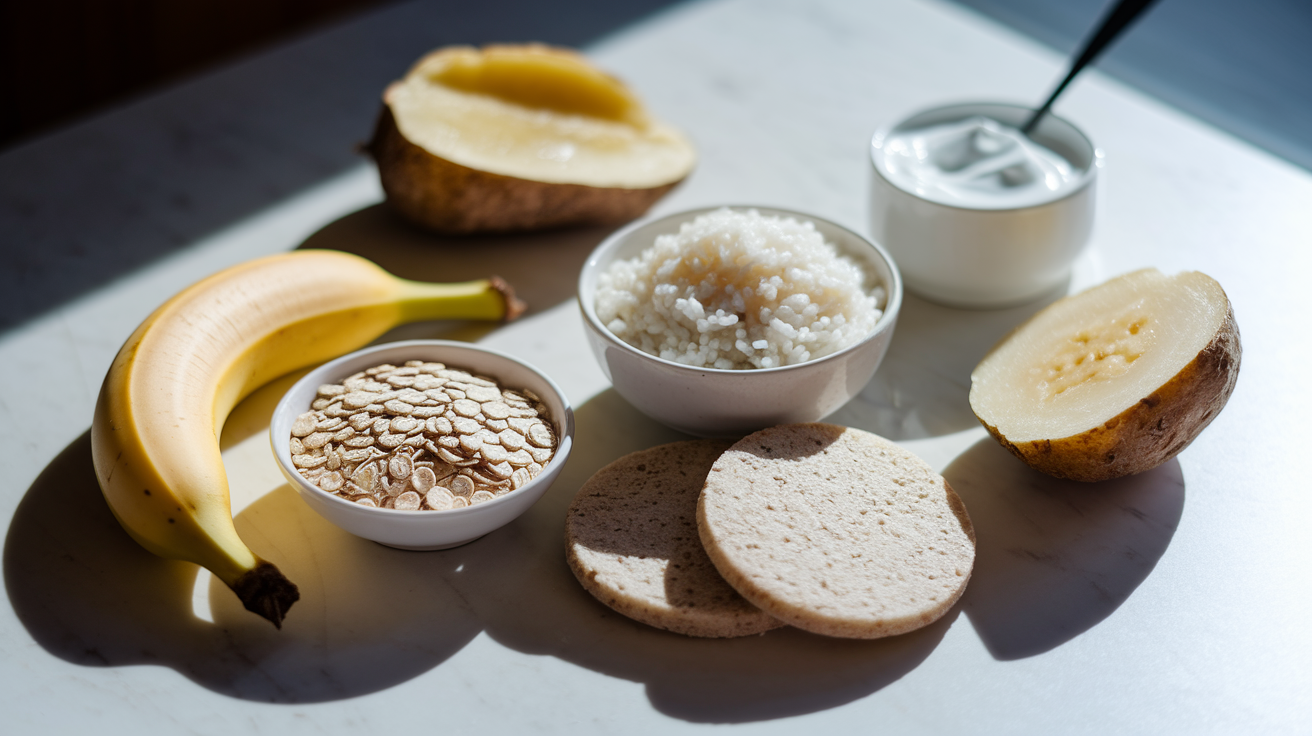
If your stomach’s sensitive, you can’t just throw anything down before a workout and hope for the best. The foods that work are simple, low-FODMAP carbs paired with lean protein. Keep fat and fiber low. That’s what stops the bloating, cramping, and panicked mid-squat bathroom sprints.
Six options that won’t wreck your workout:
- Small banana (1 firm, medium banana) – carbs that move through fast
- Cooked white rice (1/2–1 cup, 150–250 g) – gentle on your gut, almost zero fiber
- Plain rolled oats (1/2–1 cup cooked) – filling and soothing if you don’t overdo the portion
- Rice cakes (1–2 plain cakes) – about as light as it gets
- Lactose-free yogurt (150–200 g plain or Greek style) – easy protein without the dairy bloat
- Baked potato (150–200 g plain) – clean starchy fuel
These work because they leave your stomach quickly. You don’t feel heavy. You don’t get gassy during your warm-up. Combine a fast carb with a little lean protein (banana plus low-FODMAP protein powder, or plain rice with egg whites) and you’ve got energy without symptoms.
Here’s the structure: simple carbs your body absorbs fast, just enough protein for your muscles, and less than 10 grams of added fat if you’re eating within an hour of training. Fat slows everything down. Fiber adds bulk that gurgles and cramps. High-FODMAP stuff ferments and produces gas right when you need your gut to stay calm.
Portion size matters just as much as what you pick. A 150–250 calorie snack fits the 30–90 minute window before moderate training. A 400–600 calorie meal works for 2–3 hours out before harder sessions. Adjust based on your size, how intense you’re going, and what you’ve learned about your own tolerance. Start smaller. Add calories only if you’re consistently running out of gas mid-workout.
Understanding Pre‑Workout Digestion for Sensitive Stomachs

Gastric emptying is how long food sits in your stomach before it moves into your small intestine. That’s what controls how you feel once you start moving. High-fat or high-fiber foods hang around longer, which means more fullness, more nausea, more cramping. A plain potato clears out in about 90 minutes. A fatty sandwich with raw veggies can take three hours or more.
Exercise changes the whole process. Moderate stuff like steady cycling or easy jogging can actually improve gut motility and help with constipation over time. But high-intensity intervals, long runs, competitive efforts? Those pull blood away from your digestive tract and send it to your working muscles. Digestion slows. If there’s still food sitting in your stomach or bowel, you’re looking at sharp cramps or an urgent bathroom situation. IBS makes this intensity effect even worse.
What triggers symptoms before and during workouts:
- High-fiber foods (raw vegetables, fruit skins, big portions of whole grains) that create gas and bulk
- High-fat meals (fried foods, creamy sauces, fatty meat) that delay stomach emptying
- High-FODMAP ingredients and sugar alcohols (onion, garlic, certain fruits, sorbitol, xylitol) that ferment fast and produce bloating
Stick with low residue options. Simple starches, lean proteins, peeled and cooked fruits. Less physical volume, less fermentable load in your gut when you’re ready to train.
Timing Pre‑Workout Meals for Sensitive Guts
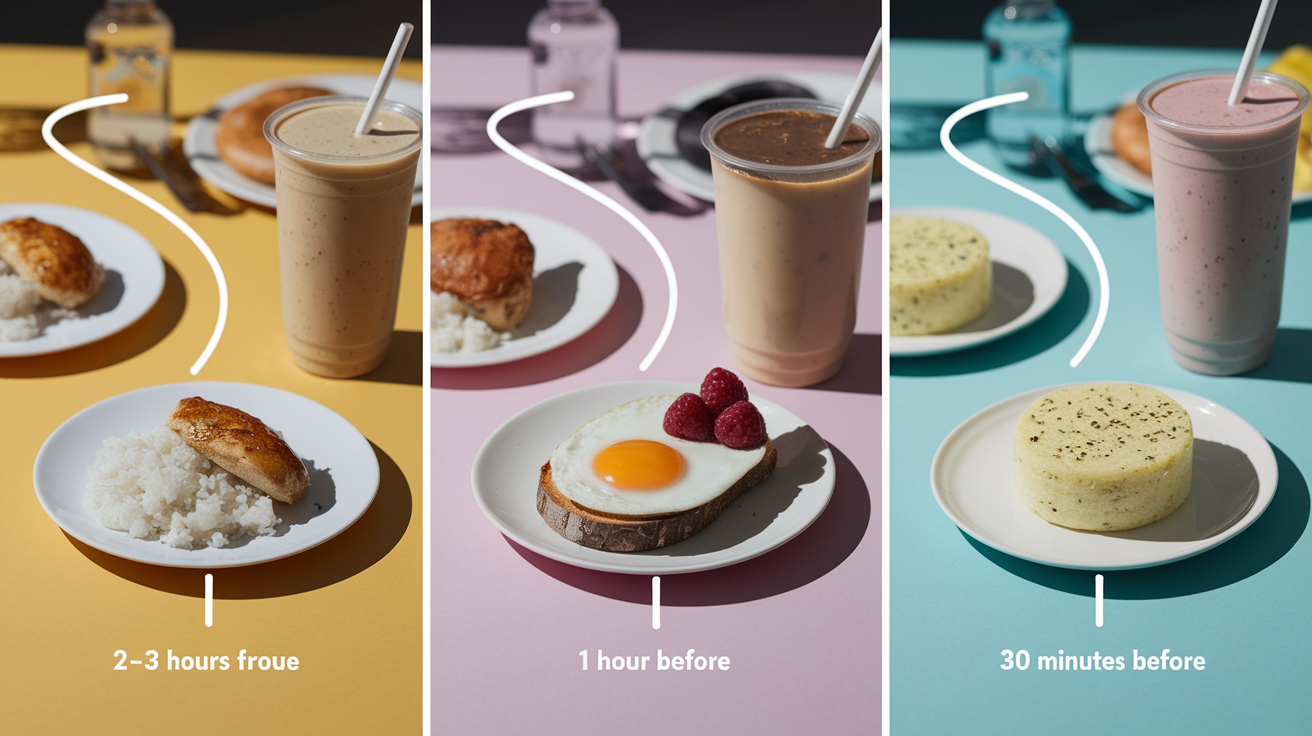
The gap between your last bite and your first rep determines which foods are safe and which ones backfire. Too close and you’ve got undigested food sloshing around. Too far out and you’re lightheaded and weak. Three timing windows give you flexibility without the guesswork.
A full meal works when you’ve got time for complete digestion. A moderate snack bridges the gap for mid-morning or after-work sessions. A tiny fast-digesting boost is insurance against energy dips when you’re warmed up and ready to go.
Adjust based on workout type. Stationary strength work tolerates food better because you’re not bouncing. Running and high-intensity intervals demand lighter, earlier fuel to avoid cramps and nausea.
2–3 Hours Before Training
Eat a balanced, low-FODMAP meal around 400–600 calories with moderate protein, complex carbs, and a small amount of healthy fat. This window allows full gastric emptying. You start training with energy in your bloodstream, not sitting heavy in your stomach.
Good examples: 150 g cooked white rice with grilled chicken breast and steamed spinach. Two scrambled eggs on one slice of sourdough toast with a small orange. 1/2 cup cooked oats topped with five medium strawberries, half a firm banana, and 3/4 cup lactose-free Greek yogurt. Keep total added fat around one tablespoon (15 g) or less.
1 Hour Before Training
Go smaller. Emphasize easy-digesting carbs and lean protein. Keep fat below 10 grams. Portions around 150–250 calories give you a final energy boost without overwhelming your gut.
One practical option: scrambled egg whites on a slice of sourdough toast with one teaspoon of almond butter and a handful of blueberries. The egg whites digest quickly. The sourdough provides gentle starch. The small portion of nut butter adds flavor without slowing you down.
30 Minutes Before Training
Stick to very light, fast-digesting items with 5 grams of fat or less. One firm banana. A single rice cake. A small protein shake made with collagen peptides and water. You’re not trying to fuel the entire workout at this point. You’re topping off energy stores that are already in place from earlier meals.
Low‑FODMAP Carbohydrates That Work Best Before Exercise

Low-FODMAP carbs are naturally lower in fermentable sugars. That means less gas, fewer cramps for people with IBS or general gut sensitivity. White rice, potatoes, and firm bananas digest smoothly because your small intestine breaks them down and absorbs them before gut bacteria in your colon get involved.
Choose portions that match your timing window. A half-cup of cooked white rice or one small banana works 30–60 minutes before training. A full cup of cooked oats or 200 grams of baked potato fits the 2–3 hour meal window. Sourdough bread is gentler than standard wheat because the fermentation process breaks down some of the FODMAPs during baking.
| Food | Why It’s Gentle |
|---|---|
| White rice (cooked) | Low fiber, fast absorption, virtually no fermentable sugars |
| Firm banana | Ripe bananas are higher FODMAP; firm ones are safe and quick energy |
| Plain potato | Simple starch with minimal fiber, easy to digest when not fried |
| Rice cakes | Ultra-light, leave almost no residue in your gut |
| Sourdough toast | Fermentation reduces FODMAP load compared to regular bread |
Avoid large portions of sweet potato close to training. They’re higher in certain fermentable fibers and can cause bloating if you eat more than a small serving within two hours of exercise.
Easy‑to‑Digest Protein Sources for Pre‑Workout Fueling
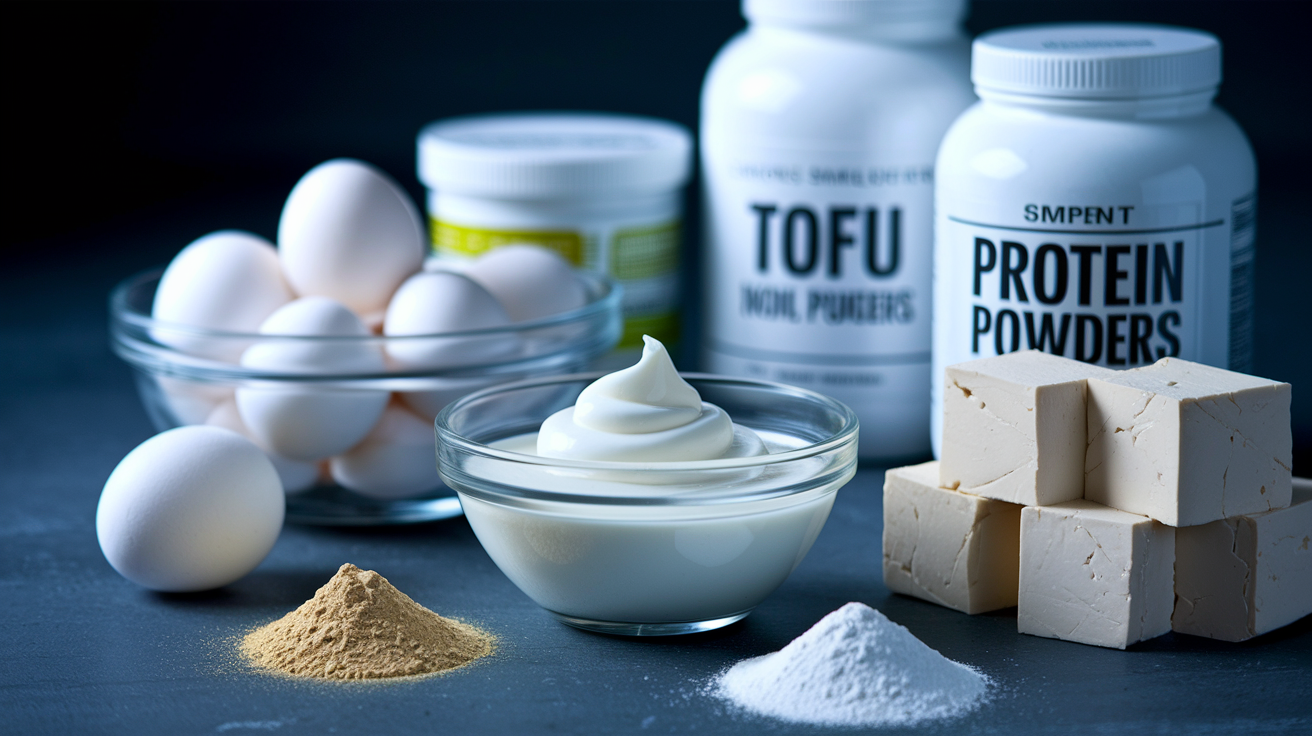
Lean, low-fat proteins digest faster and sit lighter than fatty cuts of meat or full-fat dairy. Egg whites are nearly pure protein with almost no fat. That makes them one of the fastest options for a close pre-workout window. Fish, chicken breast, and turkey breast are similarly lean and move through your stomach efficiently when portions stay moderate.
Lactose-free yogurt and cottage cheese work well if you tolerate dairy structure but struggle with lactose. Greek yogurt in the 1–2 percent fat range gives you protein and a creamy texture without the heaviness of full-fat versions. Firm tofu is another gentle choice. It’s bland, low in FODMAPs, and pairs easily with rice or potatoes.
Protein powders can be helpful when whole-food options feel too heavy. Pea protein isolate, brown rice protein isolate, and collagen peptides are all low-FODMAP and mix into simple shakes with water or lactose-free milk. Whey protein isolate is usually well tolerated if lactose isn’t an issue. But whey concentrate can cause bloating in sensitive individuals because it contains more lactose and fat.
Keep total fat in your pre-workout protein serving under 10 grams if you’re eating within an hour of training. Aim for 5 grams or less if you’re 30 minutes out. Skip fatty proteins like salmon, dark meat chicken with skin, or full-fat cheese right before exercise. They delay gastric emptying and increase the risk of nausea once you start moving.
Hydration and Electrolytes for Sensitive Stomachs

Dehydration makes every workout feel harder. It can worsen gut symptoms by slowing motility and thickening digestive contents. A rough guideline is about one liter of fluid per 50 pounds of body weight each day, plus an extra 500 milliliters for every 30 minutes of exercise. If you weigh 150 pounds, that’s roughly three liters baseline plus your activity top-up.
Plain water is the safest choice for most people with sensitive stomachs. Carbonated drinks add gas that bloats your stomach and intestines. That’s the last thing you want during a workout. If you use an electrolyte drink, choose one without high-FODMAP fruit juices, added inulin, or sugar alcohols. A simple homemade mix (water plus a pinch of salt and a small amount of glucose) works just as well for shorter sessions.
You don’t typically need extra electrolytes for moderate workouts under an hour, or high-intensity sessions under 30–45 minutes, unless you’re a heavy sweater or training in the heat. Sodium, potassium, and magnesium are the key electrolytes. You can get sodium by lightly salting your pre-workout meals, potassium from a banana or baked potato, and magnesium from a small handful of low-FODMAP nuts or a bit of dark chocolate. Save the electrolyte supplements for longer, sweatier efforts when plain water isn’t enough.
Foods to Avoid Before Workouts With a Sensitive Gut

Certain foods are reliable symptom triggers for people with IBS and sensitive stomachs, especially when eaten close to exercise. High-fiber raw vegetables and large portions of cruciferous options like broccoli, cauliflower, and cabbage produce gas as they ferment. Beans and legumes do the same, even in small amounts for some people.
High-FODMAP ingredients (onion, garlic, apples, pears, mango, and foods containing sugar alcohols like sorbitol, xylitol, and mannitol) ferment rapidly in your gut. That creates bloating, cramping, and urgent bathroom trips. Spicy foods and heavily seasoned meals can irritate your stomach lining and speed up gut motility at the wrong time.
Avoid these categories before workouts:
- Beans, lentils, and other legumes
- Onion and garlic (including powders in sauces and seasonings)
- High-FODMAP fruits like apples, pears, watermelon, and mango
- Raw cruciferous vegetables in large portions
- Full-fat fried foods and creamy sauces
- Sugar alcohols in protein bars, gum, and “sugar-free” products
- Carbonated beverages and sparkling water
- Unfamiliar pre-workout stimulant blends that may contain gut irritants
Stick to familiar, tested foods on workout days. Save experiments for rest days when a bad reaction won’t ruin your training session.
Sample Pre‑Workout Meal Plans for Sensitive Stomachs

These plans combine the timing rules, gentle food choices, and portion guidance into ready-to-use templates. All use low-FODMAP ingredients and stay within safe fat and fiber limits for each window.
Adjust portions based on your body size and workout intensity. A 120-pound person doing a 30-minute strength session needs less fuel than a 180-pound runner heading out for an hour-long tempo run. Test one plan at a time during lower-stakes training days so you can identify what works before race day or a hard workout.
Keep a simple log if symptoms pop up. Write down what you ate, how much, when you ate it, and how you felt 30 minutes into your workout. One variable at a time makes it easy to spot the trigger.
| Timing | Meal Example | Portion Notes |
|---|---|---|
| 2–3 hours before | Scrambled eggs on sourdough toast + small orange + two small kiwifruit | 2–3 large eggs, 1 slice toast, total ~400–500 kcal |
| 1 hour before | Lactose-free Greek yogurt + half a firm banana + small handful of blueberries | 3/4 cup yogurt (1–2% fat), ~200 kcal |
| 30 minutes before | One rice cake + collagen protein shake mixed with water | Light carbs, <5 g fat, ~100–150 kcal |
Morning routines often include oats, eggs, or simple toast combinations because they’re easy to prepare and digest predictably. Evening plans lean toward small portions of chicken, rice, or baked potato since you’ve usually eaten larger meals earlier in the day and just need a final top-up before training. If you’re training fasted in the early morning, keep a banana or rice cake on hand in case energy dips mid-session.
Final Words
Pick one simple pre-workout option—like a small banana, 1/2 cup cooked white rice, or 150–200 g lactose-free yogurt—and time it to match your workout. We covered why low-fat, low-fiber choices ease digestion, which proteins are gentle, hydration tips, and foods to skip.
Try a snack 30–60 minutes before training or a small meal 2–3 hours out, then note how you feel and tweak portions.
You now have a clear list of the best pre-workout meals for sensitive stomachs to test next time. Small changes add up.
FAQ
Q: What is a good, easily digestible pre-workout meal for a sensitive stomach?
A: A good, easily digestible pre-workout meal for a sensitive stomach is a small, low-fat combo of fast carbs and lean protein—examples: 1 small banana; ½–1 cup cooked white rice; 150–200 g lactose-free yogurt.
Q: Can you take pre-workout with semaglutide?
A: Taking pre-workout with semaglutide (a GLP-1 medication) can be done but needs medical clearance; semaglutide slows stomach emptying and raises nausea risk, so start low-dose stimulants and test gentle foods first.
Q: How to make pre-workout not hurt your stomach?
A: To make pre-workout not hurt your stomach, choose low-fat, low-fiber options, keep portions small, time snacks 30–60 minutes before exercise, avoid carbonated drinks and sugar alcohols, and test supplement timing.