


What if your favorite energy gel is the reason you stop mid-run?
Up to 60% of runners get gut trouble that wrecks training, and many sports snacks use sugars that ferment and cause bloating.
Low-FODMAP snacks (FODMAPs = short fermentable carbs that feed gut bacteria) cut those problem carbs while still giving usable energy.
This post gives simple, tested low-FODMAP snack choices and exact portions for before, during, and after training so you can fuel performance without the gut drama.
Best Low-FODMAP Snack Options for Endurance Training

Up to 60% of runners get hit with stomach issues that mess with training. If you’re managing IBS or gut sensitivity, standard sports nutrition can be a disaster. Gels with high-fructose corn syrup, bars stuffed with dates and honey, even some protein shakes turn what should be a solid training block into a bathroom emergency. Low-FODMAP snacks cut out the fermentable carbs that cause bloating, cramping, and those urgent mid-run stops.
The right snack does two things: delivers usable energy without wrecking your gut, and fits whatever window you’re fueling. Pre-workout steady carbs. Mid-session fast glucose. Post-session carbs plus protein. Portion control matters because even low-FODMAP foods can stack up if you eat too much.
Top Low-FODMAP Snacks with Exact Portions:
- 1 medium unripe banana (firm, slightly green)
- 2 rice cakes with 1 tablespoon peanut butter
- ¾ cup (170 g) lactose-free yogurt (plain or vanilla)
- 10 whole almonds or walnut halves
- 1 FODY low-FODMAP bar (almond coconut or dark chocolate sea salt)
- 2 oat energy balls (homemade: oats, peanut butter, maple syrup)
- 1 glucose-based gel (30 g carbs, such as GU plain or Clif)
- 1 string cheese (30 g) plus 1 small orange
Pick snacks based on two things: how close you are to effort, and how your gut’s responded before. If rice cakes sit well an hour before tempo runs, stick with that. If a new bar made you gassy mid-ride, swap to a simpler glucose source. Training is your testing ground. Use low-stakes workouts to figure out which textures, flavors, and carb forms your system handles when heart rate climbs and blood flow shifts away from digestion.
Pre-Workout Low-FODMAP Fueling Strategy

Your pre-workout snack is insurance against bonking and a buffer against gut upset. Eat 1 to 2 hours before you start. Focus on easily digestible carbs with minimal fat, fiber, or protein. Those three slow gastric emptying and can leave you feeling heavy or crampy once you pick up pace.
5-Step Pre-Workout Fueling Protocol:
- Timing: Eat 1 to 2 hours before the session. Easy recovery run or short spin? 1 hour’s usually enough. Harder or longer efforts get the full 2 hours.
- Carb target: Aim for 30 to 50 grams of low-FODMAP carbohydrate. Example: 2 rice cakes with 1 tablespoon strawberry jam gives you about 35 g.
- Protein and fat: Keep protein under 10 g and fat under 5 g. A small amount is fine (like the fat in peanut butter), but don’t load a full meal here.
- Hydration: Drink 8 to 12 ounces of water with your snack. Avoid large volumes right before start time.
- Test in training: Use the same snack, same timing, same brands during your dress-rehearsal workouts. Race day isn’t the day to try a new flavor or portion size.
For short, easy sessions under an hour, a single medium banana or one rice cake might be all you need. For long runs or high-intensity intervals, lean toward the upper end. Two rice cakes, a small bowl of low-FODMAP cereal with lactose-free milk, or a homemade oat energy ball plus a banana. You want steady fuel without the slosh, bloat, or that “I ate too much” anchor feeling when you’re supposed to be moving fast.
Fueling During Endurance Training on a Low-FODMAP Diet

Once you’re past the one-hour mark, your glycogen stores start to dip. You need incoming carbs to keep power output steady and prevent that fuzzy-headed, legs-like-concrete feeling. The standard target is 30 to 60 grams of carbohydrate per hour. But if you have IBS or you’re new to mid-session fueling, start at the lower end and build tolerance over several weeks.
During exercise, your gut’s more sensitive. Blood flow is diverted to working muscles, gastric emptying slows, and anything that ferments or sits heavy can trigger cramping or urgent bathroom stops. That’s why simple, fast-digesting glucose sources are your best bet, and why you’ll want to avoid high-FODMAP gels, chews, or bars that use fructose, honey, or sugar alcohols.
Low-FODMAP Mid-Workout Fuel Choices (with carbs per serving):
- 1 glucose-based gel: around 25 to 30 g carbs (GU plain, Clif, Huma)
- 1 medium banana (small bites, spread over 20 minutes): around 27 g carbs
- 16 ounces sports drink with maltodextrin: around 30 g carbs
- 3 to 6 Allen’s snake lollies (small gummy candies): around 20 to 30 g carbs
- 2 rice cakes, plain or lightly salted: around 20 g carbs
- 1 Tailwind Endurance Fuel stick mixed in water: around 25 g carbs
Practice your fueling cadence in training. Set a timer every 20 to 30 minutes, take a small bite or sip, and see how your gut responds. If you feel gassy or crampy, dial back portion size or stretch the interval. If you feel strong and steady, you’ve found your rhythm. Don’t wait until you’re bonking to start fueling. By then, it’s too late to catch up.
Post-Workout Low-FODMAP Recovery Snacks
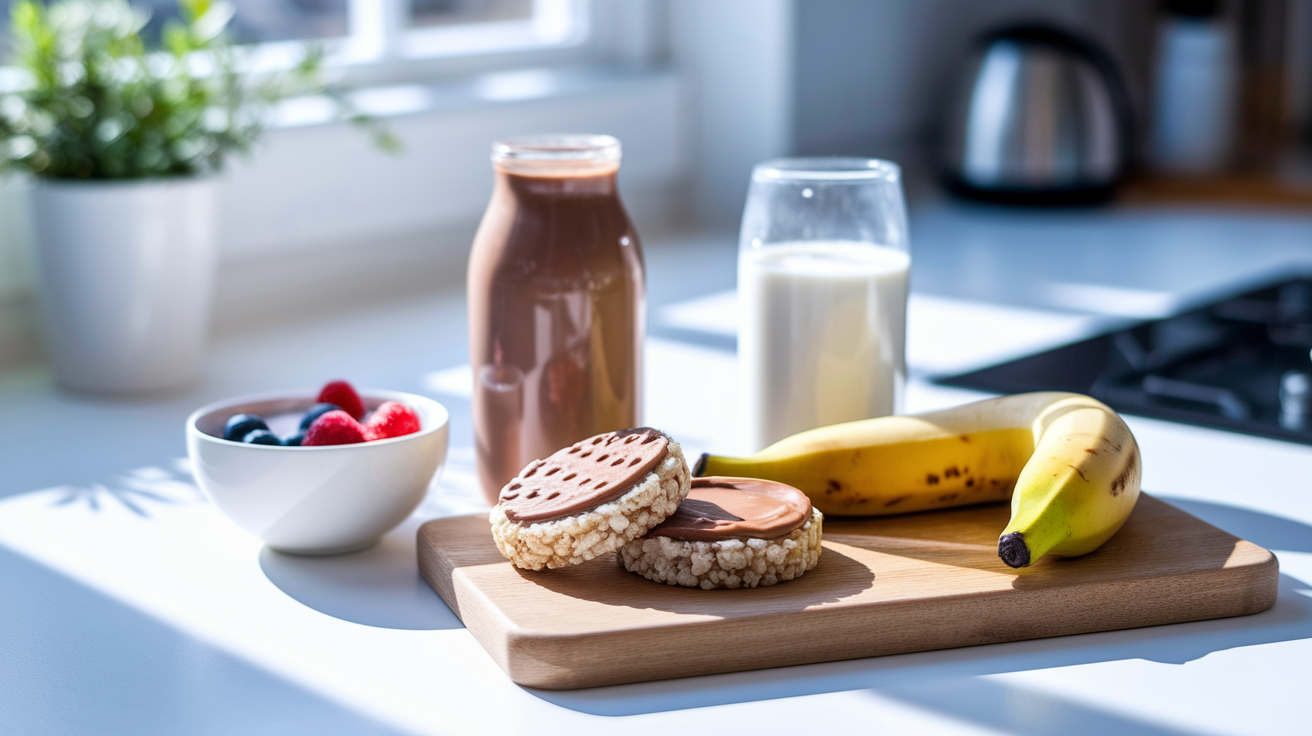
Your recovery window opens the moment you stop. Get a snack or meal that delivers both carbohydrate (to refill glycogen) and protein (to kickstart muscle repair) within 30 to 60 minutes. If you can’t sit down for a full meal right away, a quick recovery snack bridges the gap until your next regular meal.
The classic combo is about 3:1 or 4:1 carbs to protein. You don’t need to be exact, but aim for roughly 30 to 40 grams of carbs and 10 to 20 grams of protein. Low-FODMAP options are straightforward once you swap out high-lactose dairy and high-FODMAP fruits.
Low-FODMAP Recovery Snacks (with macros):
- 1 cup (240 ml) lactose-free chocolate milk: around 30 g carbs, 8 g protein
- 2 rice cakes with 2 tablespoons peanut butter: around 28 g carbs, 8 g protein
- 1 scoop whey protein isolate blended with 1 banana and lactose-free milk: around 35 g carbs, 20 g protein
- 2 hard-boiled eggs with 1 medium orange: around 15 g carbs, 12 g protein (light option for shorter sessions)
- ¾ cup lactose-free Greek yogurt with ½ cup strawberries: around 25 g carbs, 15 g protein
If you’re dairy-free, pea or rice protein powders are typically well tolerated by people with IBS, though they may not match whey isolate’s amino acid profile or absorption speed. Test them during lower-priority training weeks to see how your gut and recovery respond. Some athletes feel fine. Others notice they need a bit more volume or an extra protein source later in the day. Keep notes on energy levels, soreness, and digestion over the following 24 hours. That’s your feedback loop for dialing in what works.
The Science of FODMAPs and Endurance Performance
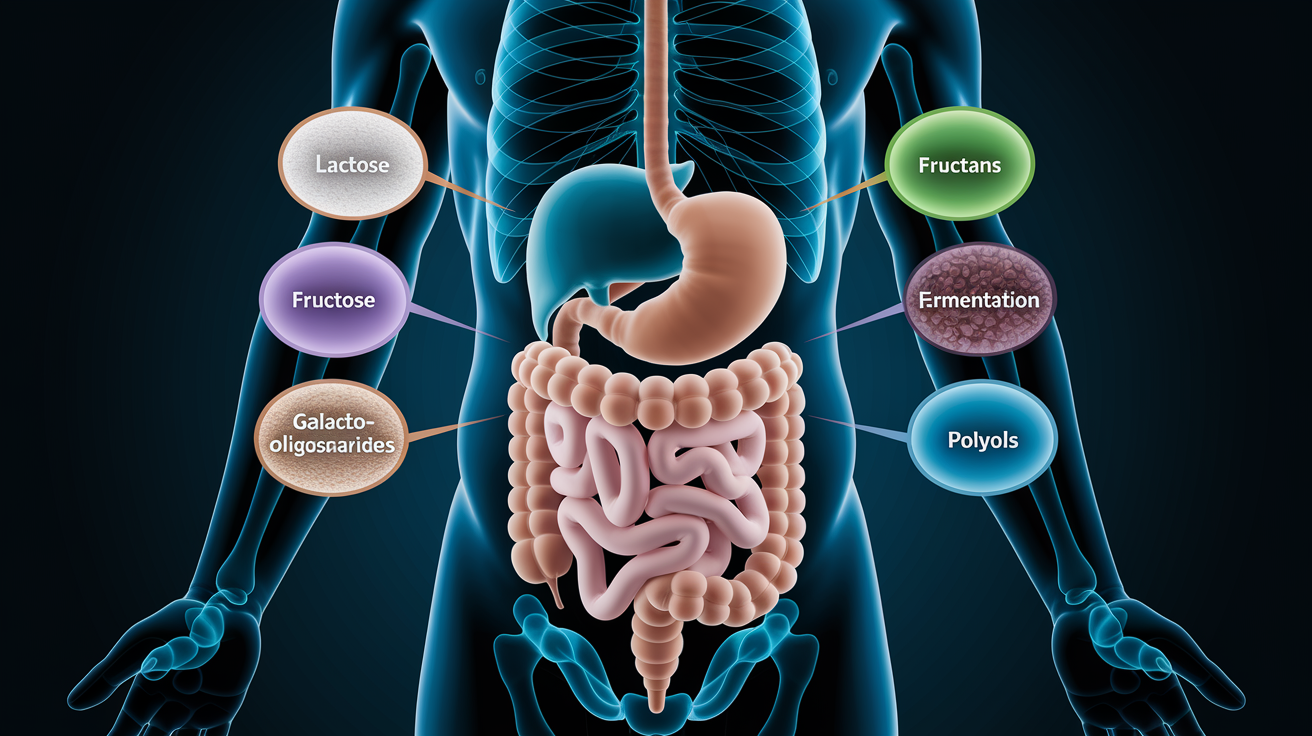
FODMAPs are short-chain carbohydrates that resist digestion in the small intestine. Instead of being absorbed, they travel to the colon, where gut bacteria ferment them. That fermentation produces gas, draws water into the bowel, and triggers the cramping, bloating, and urgent bathroom trips that can derail a training session or race.
Endurance exercise makes your gut more vulnerable. When you’re running or cycling hard, blood flow shifts away from the digestive tract to fuel working muscles. Gastric emptying slows, intestinal transit changes, and even foods you tolerate at rest can suddenly cause problems. Add high-FODMAP sports nutrition (gels sweetened with fructose, bars loaded with dates or honey, drinks with sugar alcohols) and you’ve got a perfect storm for GI distress.
The five FODMAP groups each hit the gut differently. Lactose (milk sugar) is a problem if you’re low in lactase enzyme. Fructose in excess of glucose (think honey, agave, high-fructose corn syrup) overwhelms absorption capacity. Fructans (wheat, onion, garlic) and galacto-oligosaccharides (beans, lentils) are prebiotics that feed gut bacteria but also generate significant gas. Polyols (sugar alcohols like sorbitol, mannitol) are common in “sugar-free” products and pull water into the colon, often causing diarrhea.
When you’re trying to hold pace or power, any of these can turn your gut into a liability instead of a fuel tank. Reducing FODMAP load keeps digestion quiet, so energy goes to your legs, not to managing cramps or hunting for a bathroom.
Homemade Low-FODMAP Snack Recipes
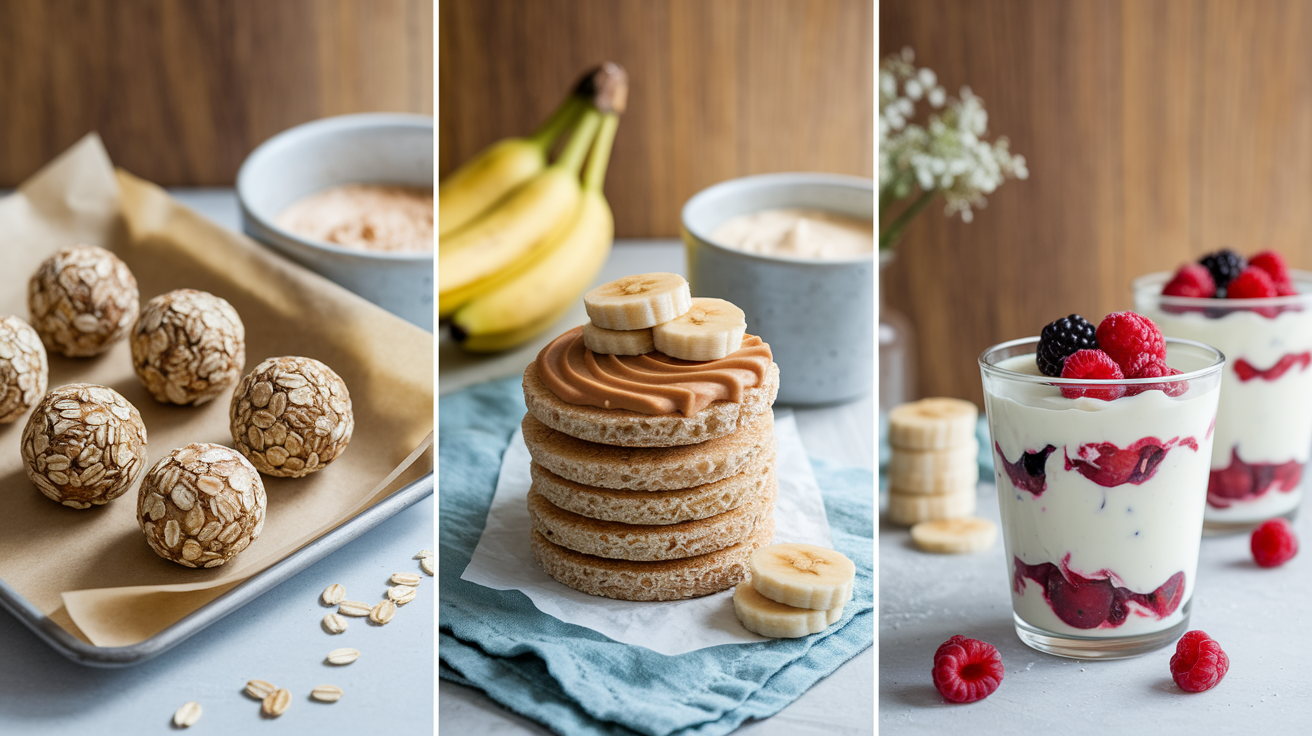
Making your own snacks gives you full control over ingredients, portions, and freshness. And it’s usually cheaper than buying a box of bars every week. These three recipes use low-FODMAP staples, pack well, and cover pre-workout carbs, mid-session energy, and post-session recovery.
Low-FODMAP Oat Energy Balls
- 1 cup (90 g) gluten-free rolled oats
- ½ cup (130 g) natural peanut butter (no added sugar or high-FODMAP sweeteners)
- 3 tablespoons pure maple syrup
- 2 tablespoons ground flaxseed (optional, adds fiber and omega-3s)
- Pinch of salt
- Mix all ingredients in a bowl until sticky dough forms. Roll into 12 balls (about 1 tablespoon each). Store in fridge for up to one week. Each ball delivers roughly 10 g carbs, 3 g protein, perfect for a quick pre-workout bite or post-session snack paired with a protein source.
Rice Cake Stacks (Savory or Sweet)
- 2 plain rice cakes
- 1 tablespoon peanut butter or almond butter
- ¼ sliced unripe banana or 5 strawberry slices
- Optional: drizzle of maple syrup or sprinkle of cinnamon
- Spread nut butter on rice cakes, top with fruit, and press together or eat open-faced. Delivers about 30 g carbs, 5 g protein. Wrap in parchment or a reusable snack bag. Holds up well in a gym bag for 2 to 3 hours.
Lactose-Free Yogurt Parfait Cups
- ¾ cup (170 g) lactose-free plain or vanilla yogurt (such as Green Valley Organics)
- ¼ cup (35 g) low-FODMAP granola or gluten-free cornflakes
- ½ cup (75 g) mixed berries (strawberries, blueberries, or raspberries)
- 1 teaspoon maple syrup (optional)
- Layer yogurt, granola, and berries in a small glass jar or portable container. Seal and refrigerate. Eat within 24 hours for best texture. Each parfait has roughly 35 g carbs, 12 g protein. Good for post-workout recovery or a substantial pre-session snack if eaten 90 minutes before training.
Commercial Low-FODMAP Snack and Fuel Options

Not everyone has time to batch-prep snacks every Sunday. Store-bought low-FODMAP products have come a long way, and several brands now offer certified options or formulations that avoid common gut triggers. Always check labels. “Natural” or “organic” doesn’t guarantee low-FODMAP, and ingredients like inulin, chicory root fiber, or high-fructose corn syrup can sneak into seemingly safe products.
| Product Type | Example | Notes on Tolerance |
|---|---|---|
| Low-FODMAP Bar | FODY Almond Coconut Bar | Certified low-FODMAP; 20 g carbs, 4 g protein. Good for pre-workout or travel. |
| Glucose Gel | GU Energy Gel (plain or lemon) | Maltodextrin-based; 25 g carbs. Avoid flavors with honey or fruit concentrates. |
| Lactose-Free Dairy | Green Valley Organics yogurt or kefir | Smooth texture, well tolerated. Use for recovery snacks or smoothie base. |
| Nut Butter Pouch | Crazy Richard’s or Justin’s squeeze packs (30 to 32 g) | Portable, shelf-stable. Pair with banana or rice cakes. Around 8 g protein per pouch. |
| Rice Crackers | Ka-Me original flavor (16 crackers) | Low-FODMAP in listed serving. Pair with tuna pouch or string cheese for protein. |
When you’re trying a new product, test it on an easy training day or rest day first. Even certified low-FODMAP foods can cause issues if you’re sensitive to a particular ingredient or if you eat more than the recommended serving. Keep your tried-and-true options on hand for key workouts and races. Experimentation is for the off-season or low-stakes weeks.
Portability and Storage Tips for Low-FODMAP Snacks

Endurance training means snacks need to survive a few hours in a gym bag, car, or jersey pocket without turning into mush or spoiling. Room-temperature-stable options are your easiest wins: rice cakes, nut butter pouches, energy balls in a small container, bananas, and glucose gels all travel well. If you’re packing yogurt, lactose-free milk, or anything perishable, use an insulated container or small ice pack, especially in warm weather.
Pre-fill portions at the start of the week so grabbing a snack is as simple as opening the fridge or your bag. Use small glass jars with screw-top lids for yogurt parfaits, reusable silicone bags for oat energy balls, or 100-pack kraft resealable pouches for dry goods like homemade trail mix or rice crackers. Label everything with the day or workout it’s meant for, and keep reusable utensils (a small fork or spoon) in your training bag so you’re never stuck without a way to eat.
5 Practical Packing Tips:
- Store nut butter pouches, gels, and bars in a dedicated pocket of your gym bag so you always know where they are.
- Wrap rice cake stacks in parchment paper or beeswax wrap to prevent crumbling. Tuck into a hard-sided container if you’re tossing them in a backpack.
- Use a Thermos FOOGO 10-ounce insulated jar for yogurt parfaits or smoothies. Keeps contents cold for 4 to 5 hours.
- Pre-portion trail mix (pumpkin seeds, almonds, low-FODMAP cereal) into small bags at the start of the week. Grab one per training session.
- Keep a spare banana and a gel in your car or locker as emergency backup fuel. Better to have it and not need it than get caught short mid-session.
Low-FODMAP Endurance Training Shopping List

Stock your pantry and fridge with these staples, and you’ll always have quick, gut-friendly fuel within reach. This list covers pre-workout carbs, mid-session energy, post-workout protein, and the building blocks for homemade snacks. Shop once a week, prep portions on Sunday or your rest day, and you’re set for the training block ahead.
- Plain rice cakes (store brand or Lundberg)
- Gluten-free rolled oats (Bob’s Red Mill or similar)
- Medium bananas (buy a mix of ripe and unripe; use unripe for lower FODMAP load)
- Firm tofu (for stir-fries and post-workout meals; 170 g serving is low-FODMAP)
- Lactose-free yogurt (Green Valley Organics, plain or vanilla, ¾ cup servings)
- Natural peanut butter or almond butter (check label for added sugars or high-FODMAP ingredients)
- Fresh strawberries and blueberries (1 cup strawberries, ½ cup blueberries per serving)
- Glucose-based energy gels (GU, Clif, or Huma in plain or citrus flavors)
- Pure maple syrup (for homemade snacks and recovery smoothies)
- Low-FODMAP protein powder (whey isolate or pea/rice blend, check Monash app for certified brands)
Final Words
Grab a banana and a rice cake with peanut butter before your next long session. You’ve got simple pre, during, and post options that actually work.
We covered timing (1–3 hours before), mid-session glucose-based fuels, and recovery snacks with carbs and protein. You also got recipes, store-bought picks, packing tips, and a short shopping list.
Use these low-FODMAP snacks for endurance training to cut down on bloating and keep energy steady. Start small, test one change at a time, and you’ll have more comfortable sessions and better training days ahead.
FAQ
Q: What are low FODMAP pre-gym snacks and what should you eat before a workout with IBS?
A: Low-FODMAP pre-gym snacks and pre-workout choices for people with IBS include a medium banana, 1–2 rice cakes, ¾ cup lactose-free yogurt, 2 tbsp peanut butter, or a glucose-based drink 1–3 hours before training.
Q: What gels are good for runners with IBS?
A: Gels good for runners with IBS are glucose-based or maltodextrin gels; they provide quick carbs (about 20–30 g per serving) and usually cause less gut upset than gels with fructose or polyols.
Q: How do you build muscle on a low FODMAP diet?
A: You build muscle on a low-FODMAP diet by meeting protein and calorie needs with tolerated sources, whey isolate, firm tofu, eggs, or pea protein, spread across meals and paired with regular resistance training.