


Skip the probiotic hype: the foods you eat matter more for long-term gut diversity.
Prebiotic foods are fibers your body can’t digest.
They travel to your colon and feed the microbiome (the community of bacteria living in your gut).
That feeding makes short-chain fatty acids that lower inflammation and help a wider range of helpful bacteria grow.
This post features the prebiotic foods proven to boost microbiome diversity, plus simple, day-to-day swaps and serving ideas you can start this week.
Top Prebiotic Foods for Gut Microbiome Diversity (Fast Summary)
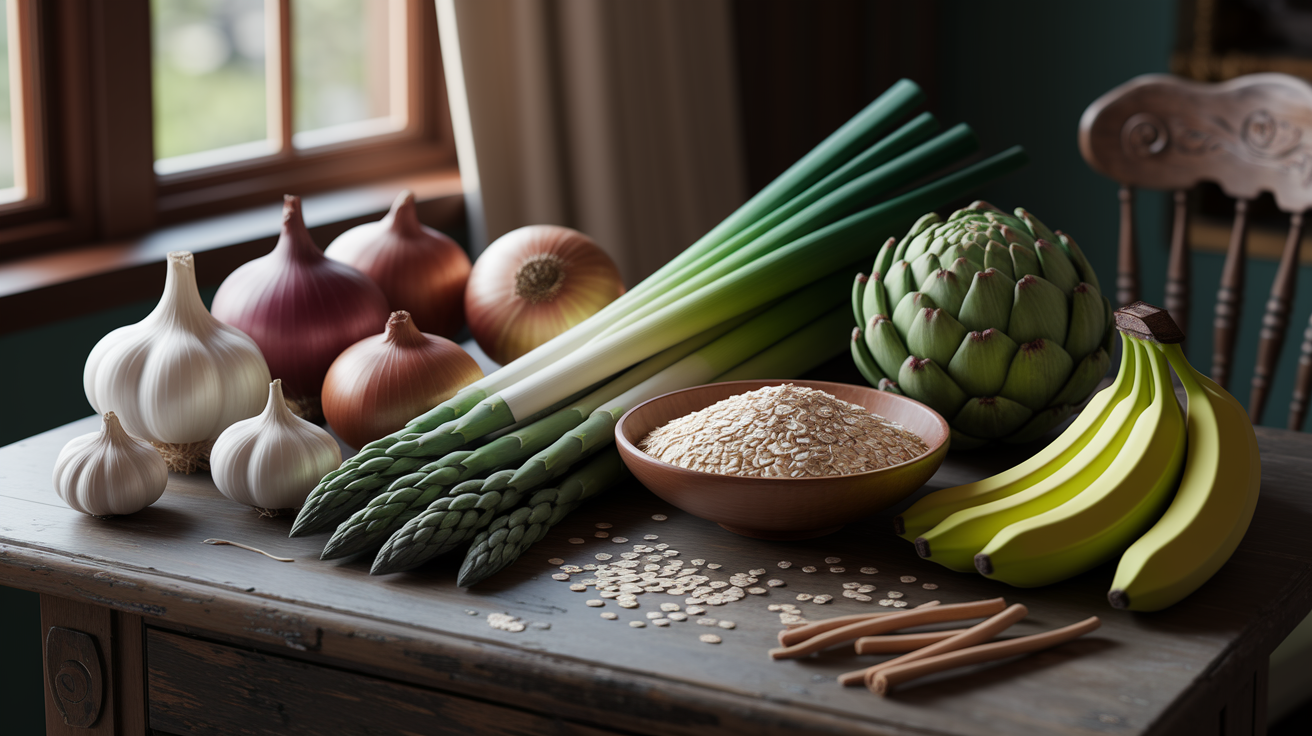
Prebiotic foods give you specific fibers that your gut can’t digest. That’s the point. They travel straight to your colon where bacteria ferment them into compounds that fuel diversity and keep your microbiome balanced. Adding a few of these to your week can shift your gut composition in real, measurable ways.
Garlic is loaded with fructooligosaccharides (FOS), which feed beneficial bacteria like Bifidobacterium. It’s also antimicrobial, so it helps keep harmful strains from taking over.
Onions bring fructans and sulfur compounds that support immune-friendly bacteria. They’re easy to toss into just about anything, raw or cooked.
Leeks are packed with FOS. They can speed up transit time, boost calcium absorption, and raise Bifidobacteria counts.
Asparagus is high in fructans and has been shown to promote helpful strains like Prevotella and Bifidobacterium while reducing less desirable ones like Haemophilus.
Jerusalem artichokes are inulin bombs. Research links them to better blood sugar regulation, bowel regularity, and antifungal activity.
Oats deliver beta-glucans, which act a lot like inulin. They promote Bifidobacterium growth, block harmful microbes, and help regulate immune function.
Bananas, especially when they’re still a little green, provide fermentable carbs and fiber that reduce bloating, support weight management, and feed beneficial strains.
Chicory root is one of the richest sources of inulin out there. Controlled trials show it improves bowel function, stool consistency, and regularity.
These foods work because they deliver fibers your body can’t break down. Bacteria in your large intestine ferment them into short-chain fatty acids like butyrate, acetate, and propionate. Those fatty acids lower inflammation, improve nutrient absorption, and create conditions where diverse bacterial species can actually thrive. The more variety you eat, the broader the range of beneficial microbes you’ll support.
How Prebiotics Improve Gut Microbiome Diversity
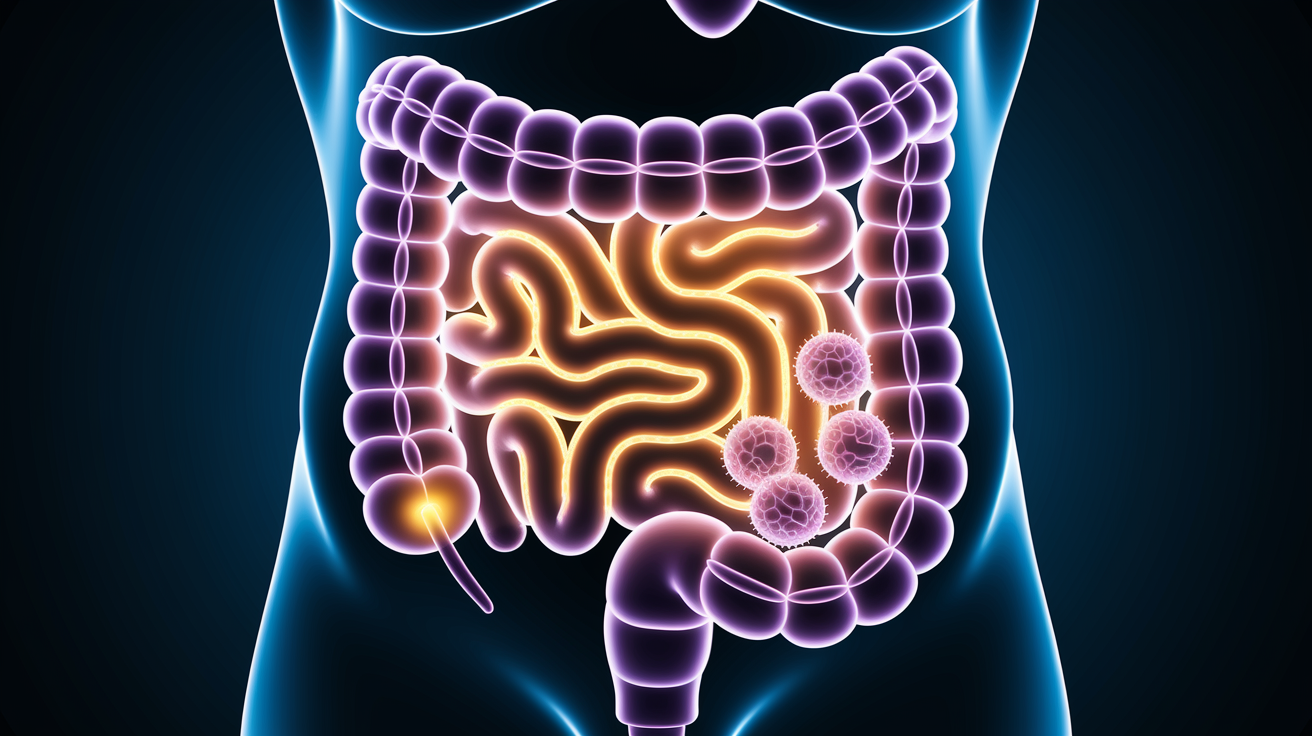
Prebiotics are fibers your stomach and small intestine can’t digest. They pass through intact until they reach your colon, where bacteria ferment them into short-chain fatty acids: butyrate, acetate, and propionate. Butyrate fuels the cells lining your colon. Acetate helps regulate fat metabolism and appetite. Propionate supports blood sugar control and immune function. This fermentation also lowers the pH in your colon, which favors beneficial bacteria like Bifidobacterium and Lactobacillus while making life harder for potentially harmful strains.
As beneficial bacteria multiply and produce these fatty acids, they crowd out less helpful species. The total number of bacterial strains increases. Balance improves. Studies show that consistent prebiotic intake can shift your microbial composition within days to weeks, raising populations of key fermenters and lowering inflammatory markers. A more diverse microbiome is connected to better digestion, stronger immune responses, improved metabolic health, and even mood and stress regulation through gut-brain signaling. By feeding the right bacteria, you’re shaping an internal ecosystem that supports whole-body health from the inside out.
Daily Serving Suggestions for Prebiotic-Rich Foods
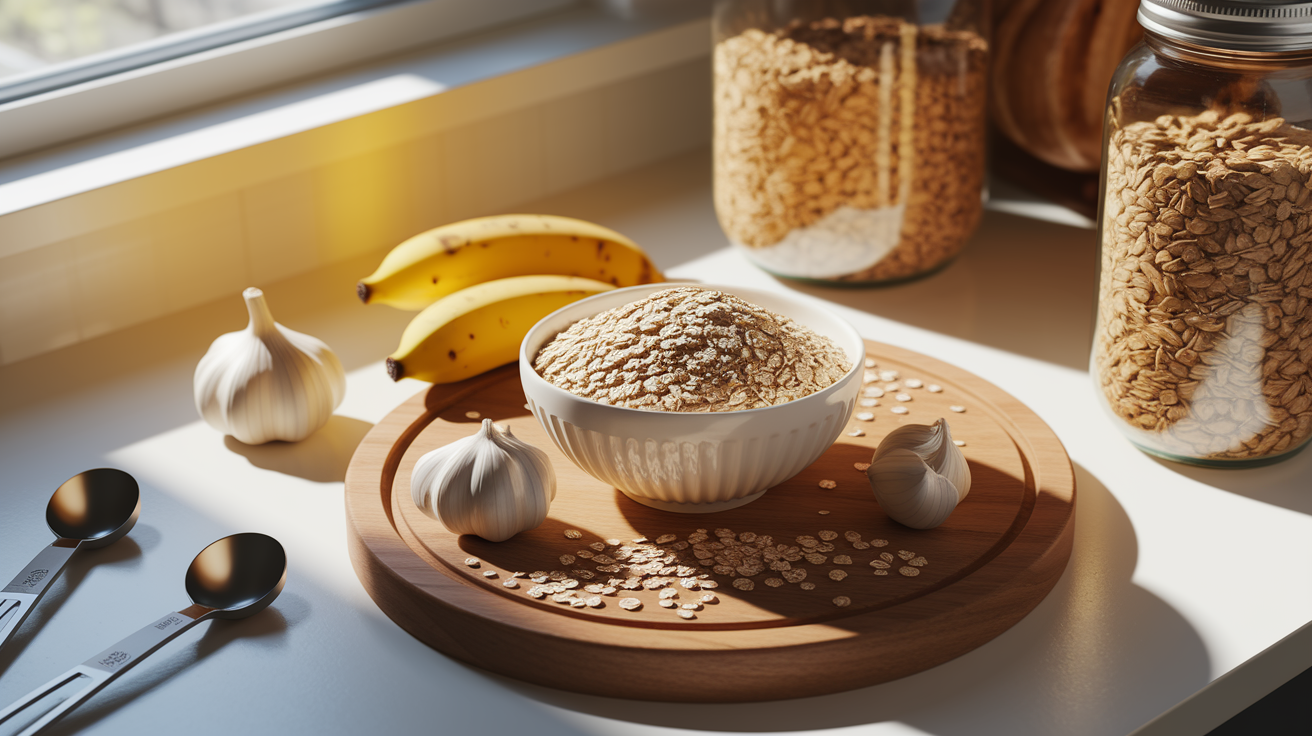
Most research points to 3 to 5 grams of prebiotic fibers per day to see measurable changes in gut bacteria populations. Many people benefit from gradually working up to 10 grams or more as their gut adapts. A few examples: half a cup of cooked oats gives you about 2 to 3 grams of beta-glucans, one medium banana provides roughly 2 to 3 grams of resistant starch and fiber, and a few cloves of raw or lightly cooked garlic deliver around 1 gram of FOS per clove.
Start with one or two prebiotic-rich foods per day. Add variety over the course of a week. If you’re new to high-fiber eating or your gut tends to be sensitive, introduce these foods slowly to avoid gas or bloating while your microbiome adjusts. Spreading intake across meals keeps fermentation steady and minimizes digestive discomfort.
Simple ways to add prebiotics:
Mix a tablespoon of ground flaxseed into morning oats or yogurt for lignans and extra fiber.
Toss half a cup of cooked chickpeas (up to 22 grams of fiber per 100 grams of dry weight) into a lunchtime salad or soup.
Sauté garlic, onions, or leeks as a base for dinner. Let crushed garlic sit for at least 10 minutes before heating to activate beneficial enzymes.
Keep a banana or apple on hand for an afternoon snack. Choose slightly unripe bananas for a stronger prebiotic effect.
Combining Prebiotics and Probiotics for Better Gut Health

Synbiotics pair prebiotic fibers with live probiotic strains. The fiber you eat directly fuels the beneficial bacteria you’re adding. This combination can speed up colonization of helpful strains like Lactobacillus and Bifidobacterium, improve their survival through the acidic stomach environment, and boost their activity once they reach your colon. Research shows that synbiotic interventions often produce stronger improvements in digestive symptoms, immune markers, and microbial diversity than either prebiotics or probiotics alone.
You can create your own synbiotic meals. Mix plain Greek yogurt (probiotic) with banana slices and a sprinkle of ground flaxseed (prebiotics), or serve sauerkraut (probiotic) alongside roasted asparagus and garlic (prebiotics). This gives live bacteria the fuel they need to thrive and multiply, while the prebiotic fibers support your existing gut residents at the same time.
The key is consistency. Occasional probiotic supplements or fermented foods won’t shift your microbiome much if you’re not feeding those strains with fiber. Eating prebiotics without any probiotic input means you’re relying entirely on your current bacterial mix. When you combine both regularly, you’re stacking two proven strategies that work better together than apart.
Best Ways to Source High-Quality Prebiotic Foods
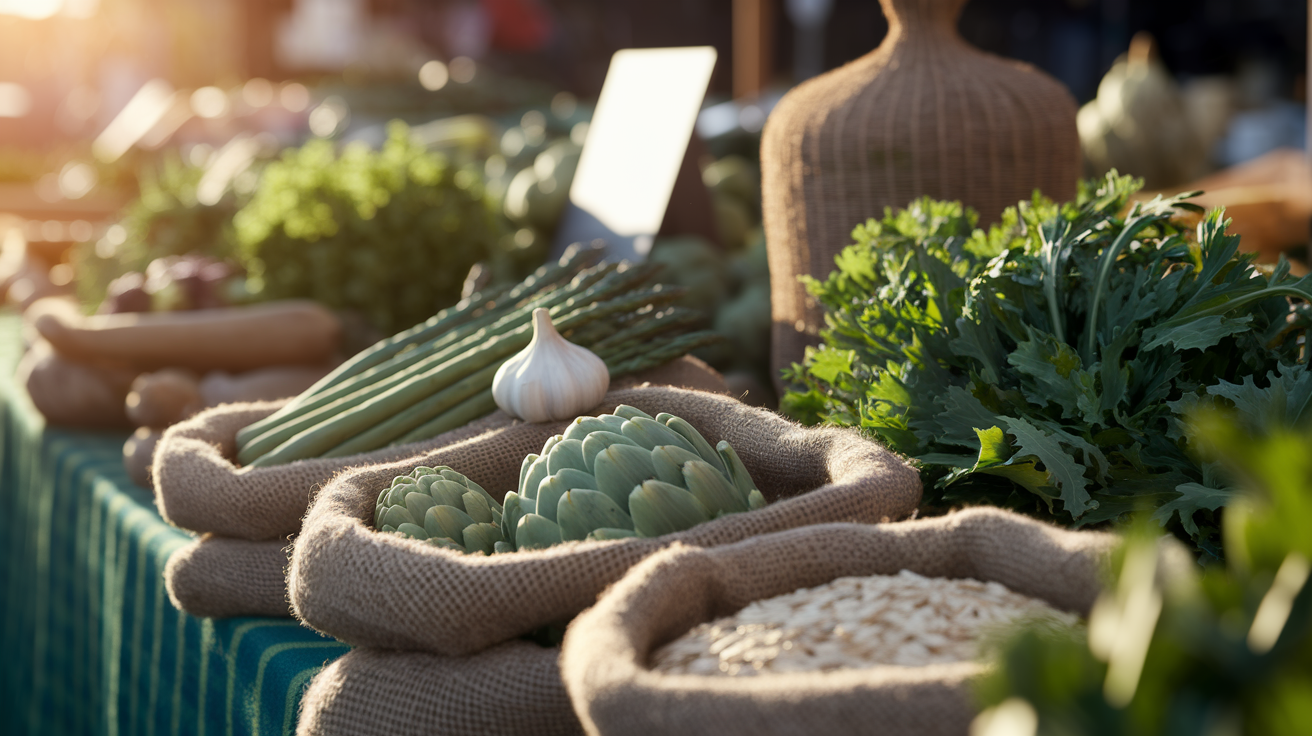
Prebiotic-rich whole foods are available year-round in most grocery stores, farmers’ markets, and organic suppliers. Freshness matters, especially for vegetables like asparagus, leeks, and garlic. Fiber potency and beneficial compounds can degrade with long storage times. Frozen vegetables, particularly berries and artichokes, lock in nutrients and fiber at peak ripeness. They’re reliable and affordable when fresh isn’t practical.
For shelf-stable options like oats, lentils, and chickpeas, choose minimally processed versions. Whole rolled oats over instant packets, dried or low-sodium canned legumes, whole grains like brown rice instead of white. Canned legumes should be rinsed thoroughly to reduce sodium and improve digestibility. When buying specialty items like chicory root tea, Jerusalem artichokes, or konjac noodles, check ingredient lists to avoid added sugars, fillers, or artificial fibers that won’t deliver the same microbial benefits.
Local farmers’ markets often carry fresh Jerusalem artichokes, dandelion greens, and seasonal alliums at peak quality.
Organic and bulk sections stock whole oats, flaxseed, lentils, and dried beans at lower cost with fewer additives.
Frozen produce aisles preserve polyphenols and fiber in berries, asparagus, and other vegetables when fresh options are limited or out of season.
Final Words
Start adding a few of the foods above—garlic, onions, leeks, asparagus, Jerusalem artichokes, oats, bananas, and chicory root—into meals. Aim for small servings like half a cup of cooked oats or one banana, and build from there.
Prebiotics feed good bacteria, boost short-chain fatty acid production, and help balance your microbiome. Pair them with a probiotic now and then, and shop fresh at markets for the best results.
Try a couple of swaps this week. These featured prebiotic foods to boost microbiome diversity are easy to add and really stack up over time.
FAQ
Q: What are prebiotic foods?
A: Prebiotic foods are fibers and special carbs that feed helpful gut bacteria, like Bifidobacterium and Lactobacillus, boosting your microbiome (the community of bacteria in your gut) and SCFA production.
Q: Which foods are top prebiotic sources?
A: Top prebiotic sources are garlic, onions, leeks, asparagus, Jerusalem artichokes, oats, bananas, and chicory root; they supply inulin, fructooligosaccharides, or resistant starch to feed beneficial bacteria.
Q: How do prebiotics improve gut microbiome diversity?
A: Prebiotics improve microbiome diversity by feeding specific bacteria that ferment them into short-chain fatty acids (SCFAs), which support gut lining health and help keep microbial populations balanced.
Q: How much prebiotic should I eat daily?
A: Daily prebiotic targets often range 3–5 grams; practical servings include half a cup cooked oats, one banana, or a small clove of garlic, and aim to spread servings across the day.
Q: How can I add prebiotic foods to meals?
A: You can add prebiotic foods to meals by stirring oats into yogurt, tossing raw onion into salads, roasting asparagus or Jerusalem artichokes, and using mashed banana in smoothies or baking.
Q: Should I combine prebiotics with probiotics?
A: Combining prebiotics with probiotics creates synbiotics that feed and support introduced strains, often improving colonization and digestive balance; try yogurt with oats or a probiotic plus inulin.
Q: Where can I buy high-quality prebiotic foods?
A: You can buy high-quality prebiotic foods at grocery stores, farmers’ markets, and organic suppliers, choosing fresh produce, whole grains, and labeled roots like chicory for stronger prebiotic fibers.
Q: Can prebiotics cause bloating or gas?
A: Prebiotics can cause bloating or gas for some people; start with small amounts and build slowly, reduce servings if discomfort continues, and consult a clinician if needed.