


Think IBS means you have to stop exercising? (IBS = irritable bowel syndrome.)
Not true.
With the right workout swaps, meal timing, and simple hydration tweaks, you can train without sudden cramps, bloating, or urgent bathroom trips.
This post gives practical, science-simple steps: low-impact moves that lower abdominal strain, safe pre- and post-workout foods that won’t ferment in your gut, hydration tips that avoid flare-ups, and smart tweaks for symptom days.
Read on to keep building fitness while protecting your gut.
Practical IBS-Safe Workout Methods

The most reliable way to train with IBS? Stick with low-impact movements that don’t jar your body or compress your abdomen. Walking, cycling, swimming, Pilates, and gentle strength work consistently show up as IBS-friendly because they let you raise your heart rate without triggering gut motility spikes or cramping. Yoga styles that emphasize slow flow and controlled breathing support digestive stability better than rapid inversions or deep twists. These options give you cardiovascular and muscular benefits without the intra-abdominal pressure that can bring on urgency or bloating.
High-intensity intervals, heavy barbell squats, burpees, and plyometric jumping can increase abdominal strain and compress your digestive tract. That raises the chance of cramping, gas, or sudden bathroom needs. Running on pavement or a treadmill can be tough for some people due to repeated impact, though others handle it fine once they dial in timing and nutrition. If a particular movement consistently causes discomfort, swap it. Try elliptical instead of running, bodyweight lunges instead of barbell squats, or seated rowing instead of box jumps. Include a five to ten minute warm-up to gently increase blood flow and let your gut adjust to the shift from rest to activity.
Workout modifications that reliably reduce IBS discomfort:
- Choose steady-state cardio or short, controlled intervals rather than all-out sprints or long high-intensity blocks.
- Perform strength exercises with a controlled tempo. Avoid breath-holding or straining that spikes intra-abdominal pressure.
- Skip deep twisting or inverted core moves during symptom-heavy days. Stick to plank variations and dead bugs.
- Schedule workouts at consistent times each day so your digestive system adapts to a predictable routine.
- Keep sessions moderate in length. Twenty to forty minutes is often a sweet spot that builds fitness without overtaxing your gut.
- Listen to early signals. If you feel bloating or cramping start during a warm-up, scale back intensity or switch to a gentler option.
Training with IBS doesn’t mean avoiding challenge altogether. It means selecting exercises that let you work hard without triggering the fight-or-flight gut response that derails a session. Once you identify your safe movements, you can progressively add resistance, duration, or complexity while staying within a symptom-free zone.
Pre-Workout Nutrition Timing and Meal Size Strategies
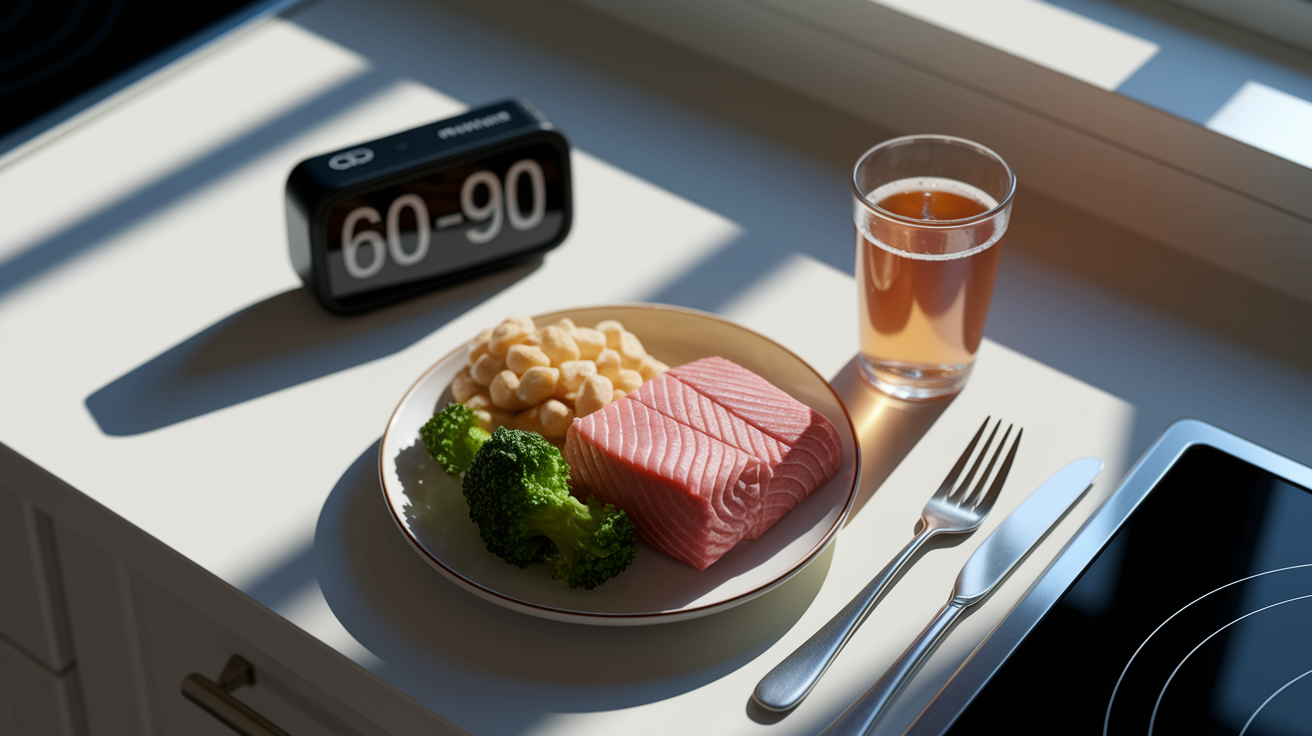
Eating two to three hours before exercise gives your stomach time to move food into the small intestine. That reduces the risk of cramping, bloating, or urgent bathroom trips mid-workout. A full meal sitting in your stomach during high-effort movements can trigger reflux, nausea, or that heavy sloshing sensation. If your schedule requires a shorter window, aim for at least sixty to ninety minutes and choose a smaller, easily digestible snack rather than a full plate.
Portion size matters as much as timing. A large pre-workout meal stretches the stomach and stimulates strong gut contractions, which can spell trouble during a run or interval session. Instead, eat a moderate amount that leaves you comfortably fueled but not stuffed. Think a fist-sized portion of carbohydrate, a palm-sized portion of lean protein, and minimal fat or fiber. Fat and fiber slow digestion, which can be helpful at other times of day but counterproductive right before training.
If your workout falls early in the morning, you may not have a full two-hour window. In that case, a small snack thirty to sixty minutes beforehand can provide quick energy without overwhelming your gut. Test different timing windows during low-stakes workouts like easy walks or short strength sessions before applying the same approach to higher-intensity days. Consistency is key. Once you find a timing formula that works, stick to it so your digestive system can anticipate and prepare.
Ideal pre-workout timing steps:
- Eat a balanced meal two to three hours before moderate or high-intensity training.
- If time is short, consume a small, low-fiber snack sixty to ninety minutes out.
- For very early sessions, try a light snack thirty to forty-five minutes before and save the larger meal for post-workout.
- Avoid experimenting with new foods or portions on race day, hard workout days, or during high-stress periods.
IBS-Friendly Food Choices Before and After Training
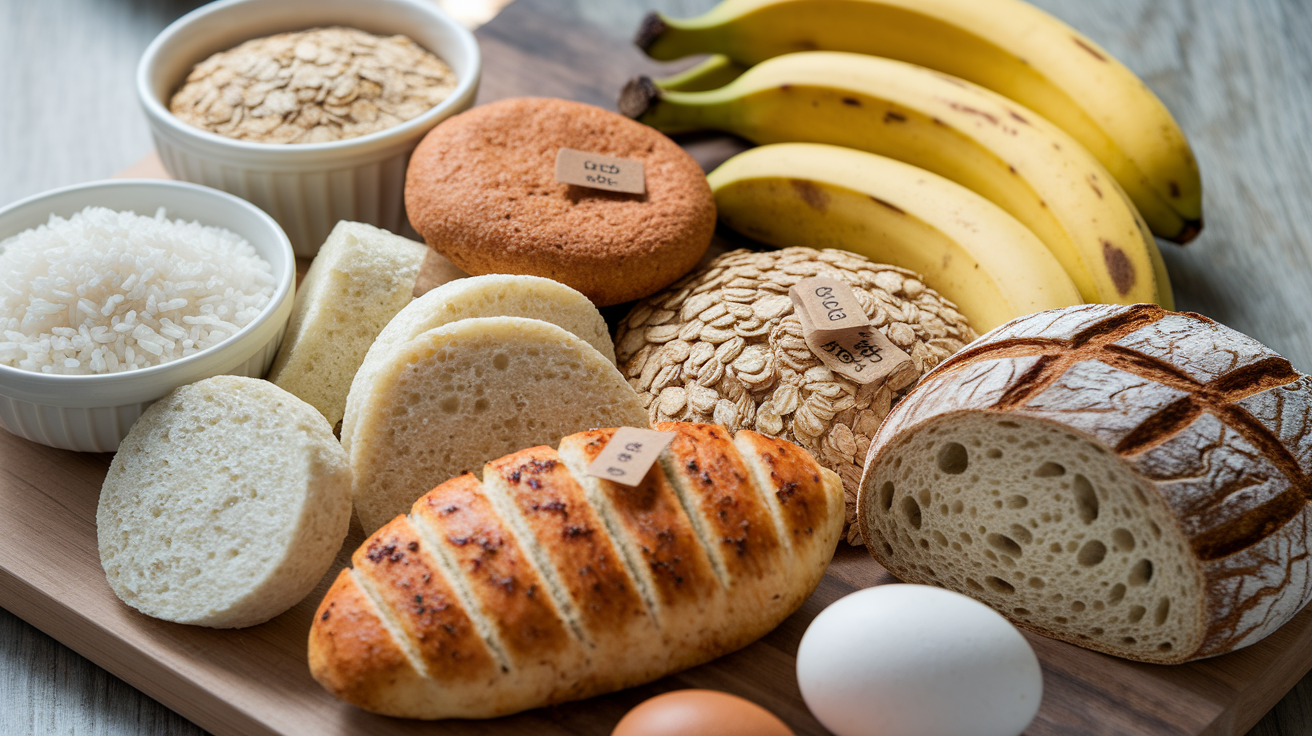
Low-FODMAP carbohydrates form the backbone of IBS-safe pre-workout nutrition because they deliver quick energy without fermenting in your gut. White rice, jasmine rice, rice cakes, firm bananas, gluten-free oats, sourdough spelt bread, and simple gluten-free crackers are all well-tolerated options. Pair these with a lean protein source like grilled chicken breast, canned tuna, firm tofu, eggs, or lactose-free Greek yogurt to support muscle function and slow the release of glucose into your bloodstream. Keep added fats minimal before training. A small amount of peanut butter or a drizzle of olive oil is fine, but avoid rich sauces, cheese, or fried foods that delay stomach emptying.
Post-workout, the same low-FODMAP principles apply, but you can afford slightly larger portions and a bit more variety since you’re not about to move or jump. A recovery meal within sixty to ninety minutes helps replenish glycogen and supports muscle repair. Good combinations include rice or quinoa with grilled salmon, a smoothie made with lactose-free yogurt and a firm banana, or a bowl of gluten-free oats topped with a scoop of low-FODMAP protein powder and maple syrup. The goal is to match your training intensity. If you did a light twenty-minute walk, a small snack is enough. If you completed a forty-five minute strength session, aim for a full meal.
Avoid common IBS triggers even if they seem healthy. Onions, garlic, apples, pears, stone fruits, beans, lentils, cashews, and sugar alcohols like sorbitol, xylitol, or erythritol can cause gas, bloating, and cramping in sensitive individuals. Many protein bars and sports drinks contain these hidden triggers, so read labels carefully. When in doubt, stick to whole, minimally processed foods that you’ve tested during rest days before introducing them around workouts.
Recommended pre and post-workout food options:
- Firm banana with a tablespoon of peanut butter and a rice cake.
- Half cup of cooked white rice with grilled chicken breast and a small serving of steamed carrots.
- Lactose-free Greek yogurt mixed with gluten-free oats and a drizzle of maple syrup.
- Two scrambled eggs on a slice of sourdough spelt toast.
- Smoothie: one scoop low-FODMAP protein powder, one cup lactose-free milk or oat milk, half a firm banana, and ice.
Hydration Strategies to Reduce IBS Symptoms During Exercise
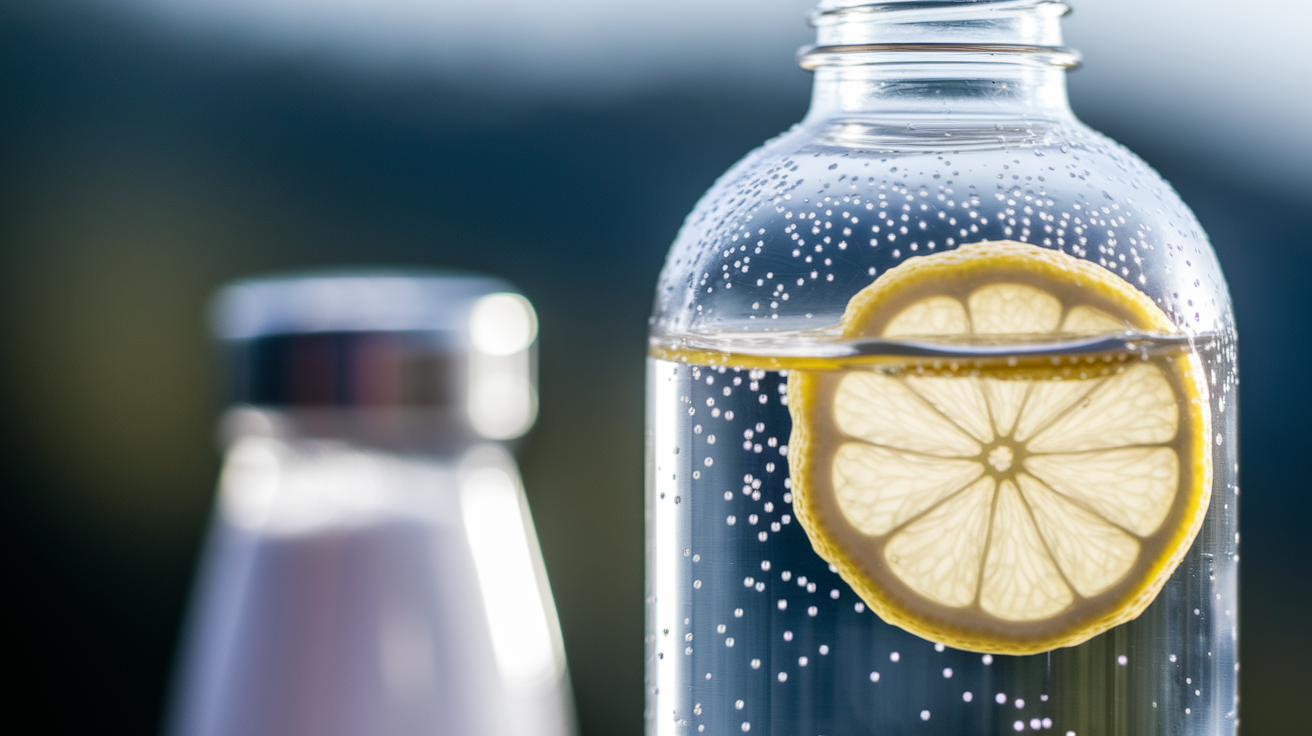
Dehydration can trigger cramping, slow gut motility, and increase the chance of constipation, so consistent fluid intake before, during, and after training is essential. Plain water works well for sessions under sixty minutes, but longer or more intense workouts may require electrolytes to replace sodium, potassium, and magnesium lost through sweat. The key is choosing electrolyte sources that don’t contain artificial sweeteners, high-FODMAP fruit juices, or large amounts of fructose. All of those can worsen IBS symptoms.
Many commercial sports drinks rely on sorbitol, sucralose, or high-fructose corn syrup for flavor, and these ingredients frequently cause bloating, gas, or diarrhea in people with IBS. Instead, look for products sweetened with glucose or dextrose, or make your own electrolyte drink by mixing a pinch of sea salt, a squeeze of lemon, and a teaspoon of maple syrup into water. Coconut water can be a good natural option in small amounts, but check your tolerance. Some people react to the sorbitol naturally present in coconut water, while others handle it fine.
Aim to sip fluids steadily rather than gulping large amounts at once. That can cause stomach sloshing and discomfort during movement. Start hydrating well before your workout. Drink a glass of water thirty to sixty minutes beforehand, and continue with small sips every ten to fifteen minutes during exercise. Post-workout, rehydrate gradually over the next hour or two, and pair fluids with a recovery snack that contains a bit of sodium to help retain the water you’re drinking.
Modifying Workouts During Flare-Ups
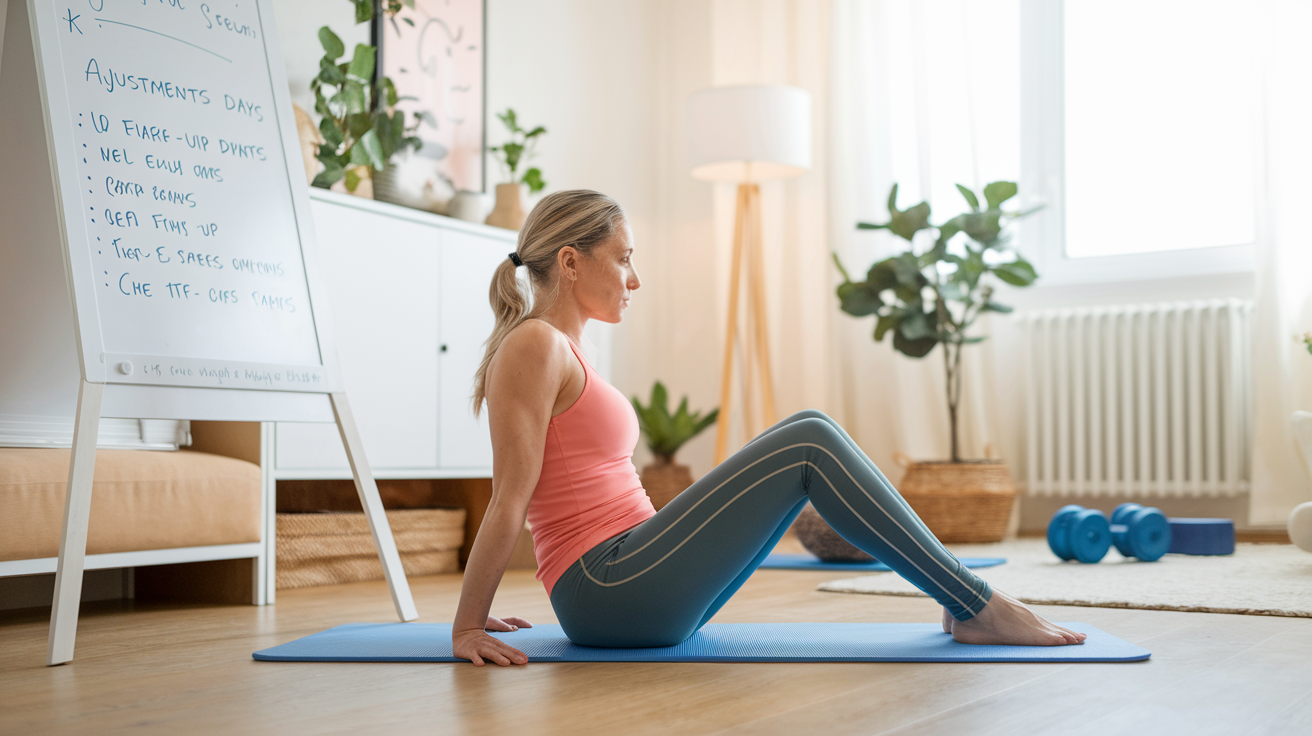
When IBS symptoms flare, pushing through a planned high-intensity session often backfires. It prolongs discomfort and increases stress. On high-symptom days, the smartest move is to shift to low-intensity, low-impact activities that keep you moving without aggravating your gut. Slow walking, gentle stretching, restorative yoga, and light cycling allow blood flow and endorphin release without the jarring motions or abdominal compression that can worsen cramping, bloating, or urgency.
Avoid core-intensive exercises like sit-ups, heavy squats, or high-rep planks during flare-ups. These movements increase intra-abdominal pressure and can intensify pain or trigger bathroom urgency. Instead, focus on mobility work, foam rolling, or simple bodyweight exercises performed at a controlled pace. A fifteen-minute session of slow lunges, wall push-ups, and gentle leg raises can maintain your routine and your mindset without pushing your digestive system over the edge.
Listen to your body’s signals throughout the session. If you start a light walk and feel relief, you can continue. If symptoms worsen within the first five to ten minutes, it’s okay to stop, rest, and try again later in the day or the next day. Consistency over the long term matters more than any single workout. Preserving your gut comfort today helps you train more reliably tomorrow.
Safe exercises during flare-ups:
- Ten to twenty minute walk at an easy, conversational pace.
- Gentle yoga flow focusing on child’s pose, cat-cow stretches, and seated forward folds.
- Stationary cycling at low resistance with minimal core engagement.
- Stretching routine targeting hips, hamstrings, and shoulders without deep twisting.
Stress-Reduction Techniques for More Comfortable Training

Stress directly influences IBS symptoms through the gut-brain axis, a bidirectional communication network linking your central nervous system to your digestive tract. When you feel anxious, rushed, or overwhelmed, your body releases cortisol and adrenaline. These can speed up or slow down gut motility, increase inflammation, and heighten pain sensitivity. Integrating stress-reduction techniques into your training routine helps calm this response, making workouts more comfortable and reducing the chance of mid-session urgency or cramping.
Controlled pacing is one of the simplest ways to lower stress during exercise. Instead of racing through a workout or constantly checking the clock, focus on steady breathing and deliberate movement. If you notice tension building in your shoulders or jaw, pause, take three slow breaths, and reset your posture. Mindfulness practices like mentally scanning your body for areas of tightness or repeating a simple phrase like “steady and strong” can anchor your attention and prevent the spiral of worry that often accompanies IBS symptoms during physical activity.
Breathwork and Mindfulness Practices
Diaphragmatic breathing, also called belly breathing, activates the parasympathetic nervous system and signals your gut to relax. Before starting your workout, sit or stand quietly and place one hand on your chest and the other on your abdomen. Inhale slowly through your nose for a count of four, letting your belly rise while your chest stays relatively still. Hold for a count of two, then exhale through your mouth for a count of six. Repeat this cycle five to ten times to establish a calm baseline before movement begins.
During exercise, return to slow exhalation whenever you feel symptoms creeping in. Lengthening your exhale activates the vagus nerve, which helps downregulate the fight-or-flight response and can reduce cramping or urgency. If you’re running or cycling, try syncing your breath to your steps or pedal strokes. Inhale for three steps, exhale for four. That creates a rhythmic, meditative quality that keeps stress low. Pre-workout grounding techniques like visualizing a successful session or repeating a short affirmation can also set a positive tone and reduce anticipatory anxiety that might otherwise trigger symptoms.
Recovery Methods That Support IBS Management
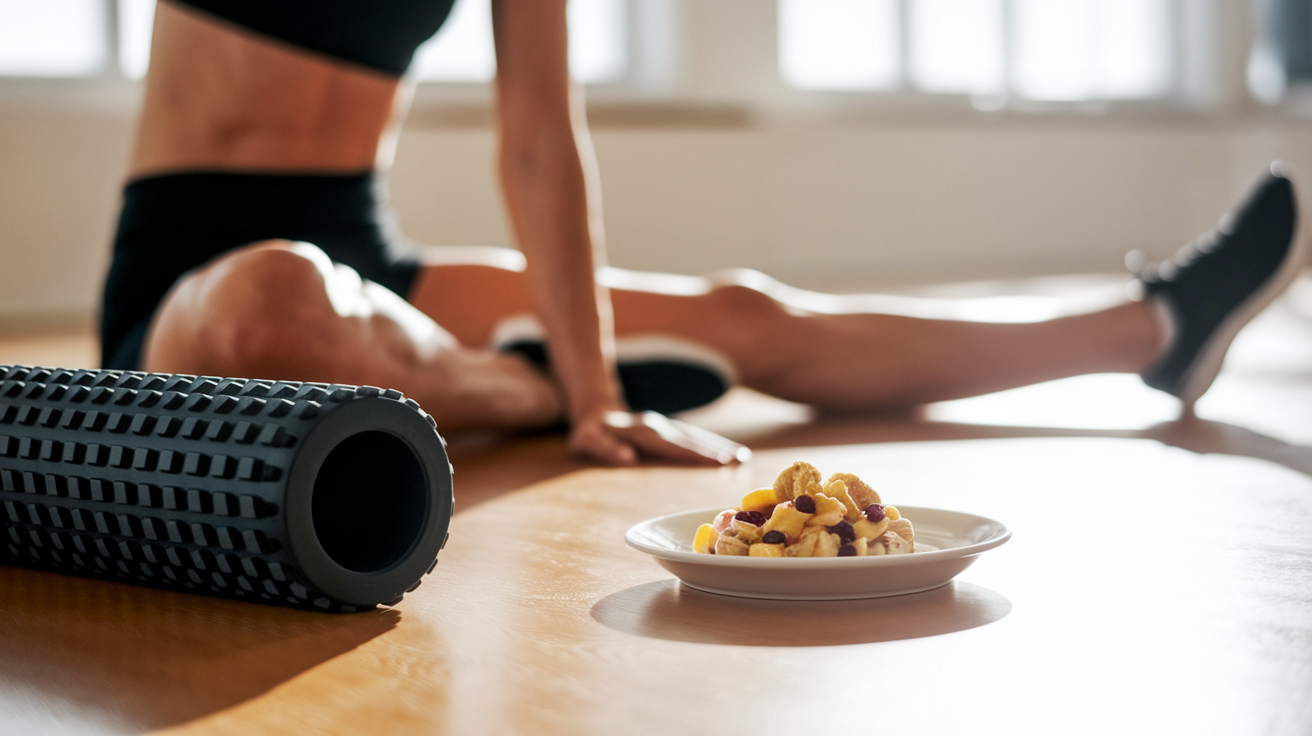
Post-workout recovery isn’t just about muscle repair. It’s also an opportunity to support digestive calm and reduce the risk of delayed symptoms. A gradual cool-down of five to ten minutes of walking or slow cycling helps transition your body from high activity back to rest. That allows blood flow to return to the digestive organs and reduces the abrupt drop in circulation that can trigger cramping or bloating. Follow your cool-down with light static stretching, focusing on hip flexors, hamstrings, and lower back to release tension that may have accumulated during training.
Nutrition plays a central role in recovery comfort. Within sixty to ninety minutes of finishing your workout, eat a low-FODMAP snack or meal that combines easily digestible carbohydrates and lean protein. This timing helps replenish glycogen stores, supports muscle repair, and stabilizes blood sugar. All of which contribute to steady energy and reduced gut irritation in the hours following exercise. Avoid rushing this meal or eating it while still in workout clothes and sweaty. Take a few minutes to wash up, sit down, and eat slowly. That aids digestion and signals to your nervous system that the stress of training is over.
Expert Perspectives and Real-Life Adaptation Strategies

Coaches and dietitians who work with IBS clients emphasize that successful training is built on consistency, not perfection. Rather than chasing ideal workouts or flawless nutrition, the focus should be on creating a routine you can maintain even on moderate-symptom days. This means scheduling workouts at the same time each day, eating similar pre-workout meals, and tracking patterns in a simple journal to identify which foods, timings, or exercise types reliably support comfort. Over weeks and months, these small data points reveal a personalized blueprint that reduces trial-and-error and builds confidence.
Health professionals also highlight the importance of flexibility. A rigid plan that ignores symptom fluctuations will eventually lead to frustration, burnout, or worsening symptoms. Instead, successful athletes with IBS learn to read their bodies and adjust on the fly. Swapping a planned run for a walk, choosing a lighter snack when digestion feels sluggish, or adding an extra rest day during a high-stress week. This adaptive approach maintains forward momentum without forcing the body into a state of chronic stress or symptom escalation.
Real-life examples show that individuals who commit to low-impact training, consistent meal timing, and symptom tracking often see gradual but meaningful improvements in both fitness and digestive comfort. One common strategy is to establish a “baseline week” of easy workouts and simple meals, then slowly introduce one new variable at a time. A slightly harder interval, a new pre-workout food, or a different time of day, to see how the gut responds. This methodical process takes patience, but it builds a stable foundation that supports long-term training goals without sacrificing daily quality of life.
Final Words
Start with low-impact movement, time small pre-workout meals 2–3 hours before training, and pick low-FODMAP carbs. Warm-ups, hydration choices, and simple stress tools lower flare risk.
Practice the six workout modifications, flare-day swaps, and recovery tips until they feel natural. That’s the practical how to train with IBS workout modifications and nutrition approach. Track what works and tweak slowly.
You’ll get steadier workouts and more comfortable days. Small changes add up.
FAQ
Q: What is the best workout for IBS?
A: The best workout for IBS is low-impact, steady activity like walking, cycling, Pilates, yoga, or gentle strength training, which reduces jarring and abdominal strain; avoid high-intensity or heavy lifting during flares.
Q: Does Klonopin help with IBS?
A: Klonopin may help IBS symptoms by calming anxiety and gut-brain signals, but it isn’t a primary IBS treatment; use only short-term under medical supervision because of tolerance and dependence risks.
Q: Can IBS cause high ALT?
A: IBS does not usually cause high ALT (alanine aminotransferase); elevated ALT points to liver issues, so get medical tests to check for causes like fatty liver, medications, or infections.
Q: Can Metamucil help with IBS?
A: Metamucil can help with IBS by providing soluble fiber (psyllium) that eases constipation and firms loose stools; start with a small dose, drink extra water, and stop if bloating or gas worsens.