


Think probiotics are the only way to fix your gut? Think again.
Prebiotics (types of fiber your body can’t digest) are the everyday food that actually feeds beneficial bacteria.
They help keep digestion regular, strengthen your immune defenses, and steady energy without extra pills or fancy powders.
This post breaks down how prebiotics for gut health work, which foods to add, and simple swaps you can use today.
No jargon, just practical steps that fit busy lives.
What Are Prebiotics and Why Do They Matter?
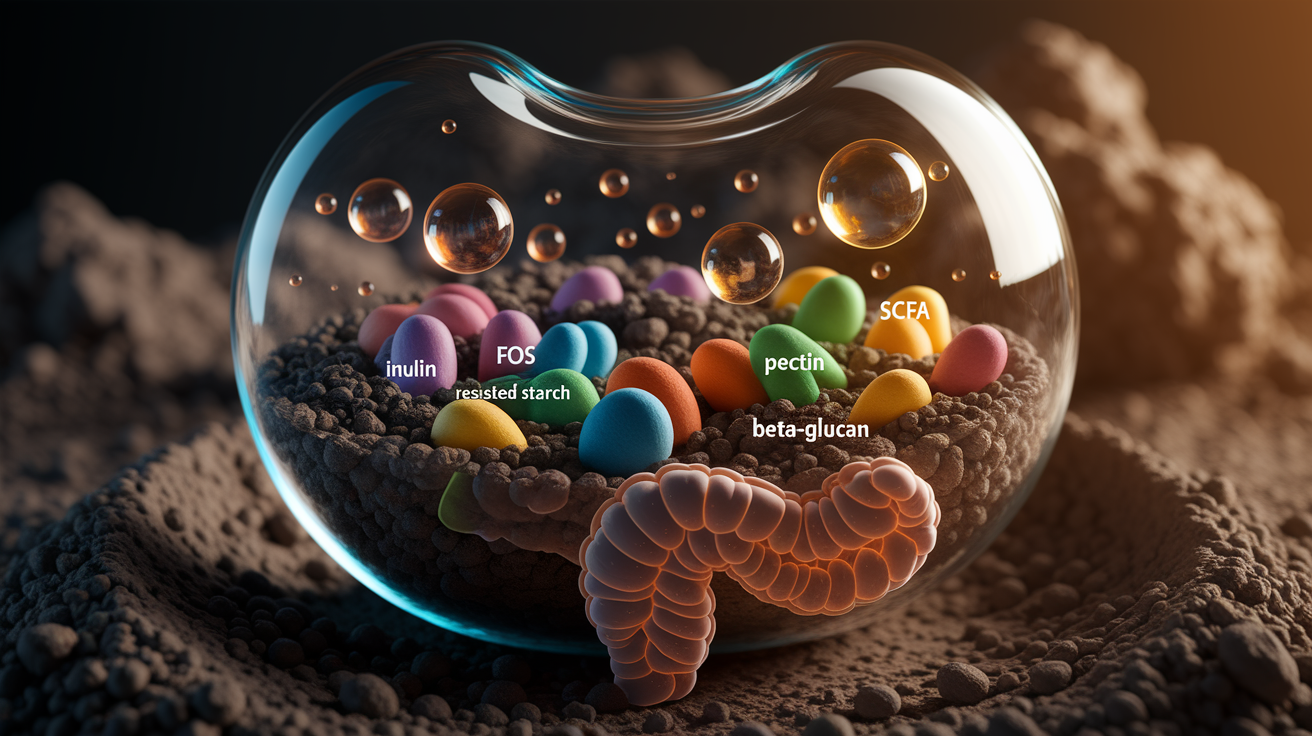
Your gut houses about 100 trillion microbial cells in the colon alone. More bacterial cells than human cells in your entire body. These tiny residents do real work: breaking down food you can’t digest, producing vitamins, training your immune system, even influencing your mood through chemical messengers that travel to your brain.
But here’s the thing. These beneficial bacteria need food to thrive. That’s where prebiotics come in.
Prebiotics are types of fiber your body can’t digest. They pass through your stomach and small intestine intact, arriving in your colon ready to feed the good bugs. Think of them as fertilizer for your gut garden. When beneficial bacteria ferment these fibers, they produce short-chain fatty acids, or SCFAs. Mainly acetate, propionate, and butyrate. These SCFAs strengthen your gut lining, reduce inflammation, and support everything from immune defense to metabolism.
The most studied prebiotic compounds? Inulin, fructooligosaccharides (FOS), resistant starch, pectin, and beta-glucan. Each one feeds slightly different bacterial species. That’s why variety matters when you’re building a gut-friendly plate.
About 70% of your immune system lives in your gut. When you feed beneficial bacteria consistently, you’re training your body’s first line of defense. You’re also improving digestion, supporting steady energy, and potentially influencing how your brain handles stress and mood regulation through the gut-brain axis.
Prebiotics aren’t a trendy supplement category. They’re fundamental to keeping your gut ecosystem balanced and your whole body working better.
How Prebiotics Support Your Health
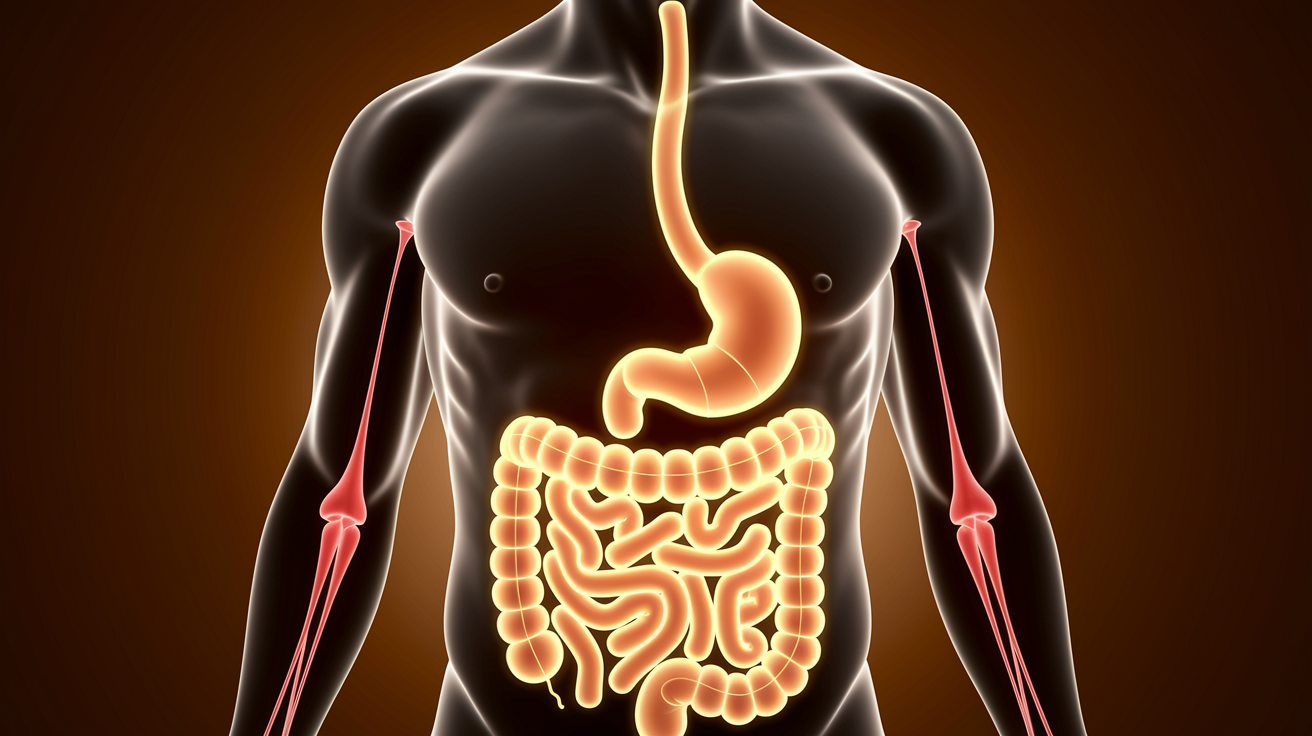
When prebiotic fibers reach your colon, they become fuel for bacteria like Bifidobacterium and Lactobacillus. As these microbes ferment the fiber, they release short-chain fatty acids. Butyrate, acetate, and propionate. These SCFAs aren’t just metabolic byproducts. They’re active compounds that shape how your gut and the rest of your body function.
Digestion and bowel regularity
SCFAs help maintain the mucus layer lining your intestines, making it easier for waste to move through smoothly. They also signal muscle contractions in the colon, which keeps things regular without relying on stimulant laxatives or constant fiber overload.
Immune function
Roughly 80% of your immune system is associated with the gut. Beneficial bacteria trained by prebiotics help regulate immune responses, keeping inflammation in check and teaching your body to distinguish between harmless food proteins and actual threats. This immune education starts in the gut lining and radiates outward.
Mood and mental health
Your gut produces about 90% of your body’s serotonin, a neurotransmitter that influences mood, sleep, and appetite. The gut-brain axis (a two-way communication highway between your digestive system and your central nervous system) means what happens in your colon can influence how you feel upstairs. Early research suggests that feeding beneficial bacteria may support mood stability and cognitive function, though this field is still developing.
Metabolism and weight management
SCFAs influence hormones that regulate appetite and blood sugar. Propionate, for example, may signal satiety and help prevent blood sugar spikes after meals. Some studies also suggest that a well-fed, diverse microbiome plays a role in how your body stores fat and burns energy. Though prebiotics alone won’t replace a balanced diet and movement routine.
Bone health and mineral absorption
SCFAs create a slightly acidic environment in the colon, which helps your body absorb minerals like calcium and magnesium more efficiently. Over time, this improved absorption may support bone density and reduce fracture risk, especially as you age.
The key here is consistency. Feeding your gut bacteria a few times a week won’t do much. Daily intake of varied prebiotic fibers gives your microbiome the steady fuel it needs to deliver these benefits over the long haul.
Prebiotic Foods: What to Add to Your Plate
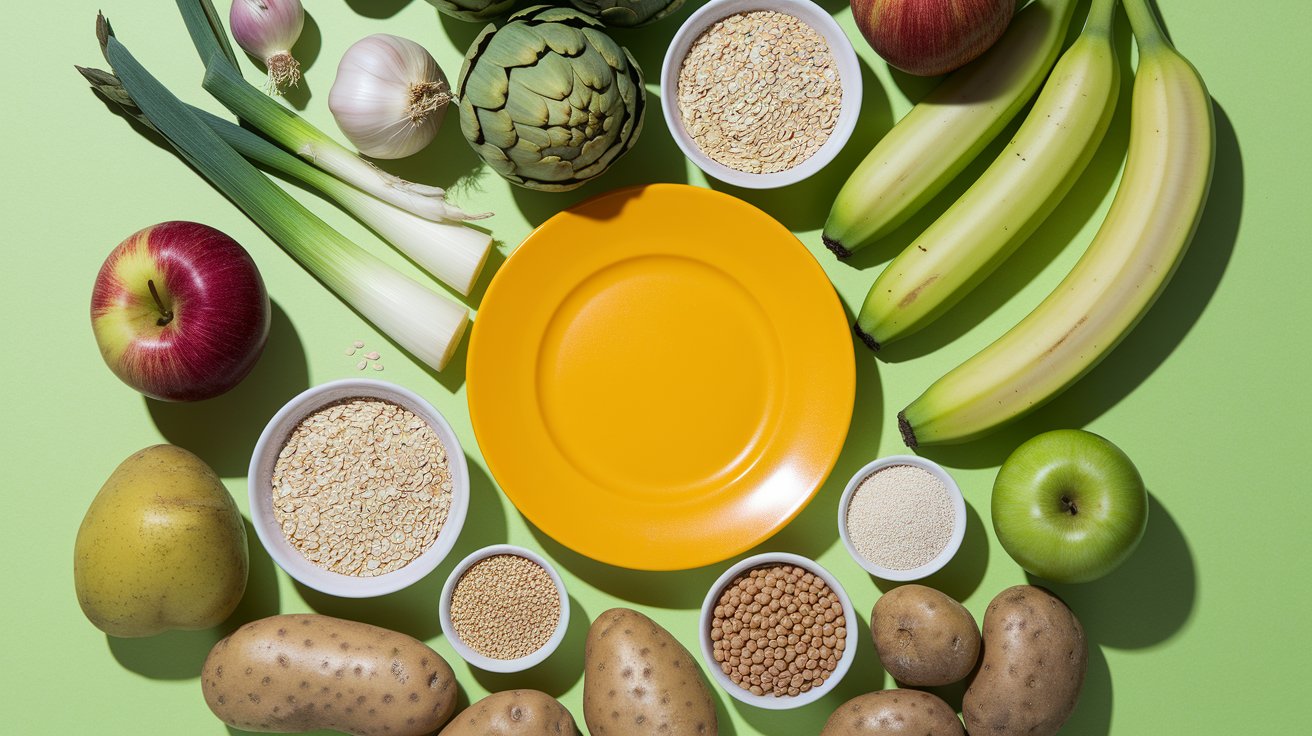
Most people can meet their prebiotic needs from whole foods. You don’t need exotic ingredients or expensive specialty items. You just need to know which everyday foods are naturally rich in the fibers your gut bacteria prefer.
Vegetables and Alliums
Onions, garlic, and leeks are some of the easiest prebiotic additions to any meal. They’re packed with inulin and FOS, and they show up in almost every cuisine. Sauté them as a base for soups, stir-fries, or pasta sauces.
Asparagus is another solid source of inulin. Roast it with olive oil and black pepper, or chop it into omelets and grain bowls.
Jerusalem artichokes (also called sunchokes) are one of the most concentrated sources of inulin you can find. They look like knobby ginger roots and taste mildly sweet and nutty when roasted. Start with a small serving, though. They can cause gas if you’re not used to them.
Roots and Greens
Chicory root contains more inulin by weight than almost any other plant. It’s often dried and ground into a coffee substitute or added to prebiotic supplement powders. You can also find it fresh at some farmers’ markets. Slice it thin and add it to salads.
Dandelion greens are another prebiotic-rich option. They’re slightly bitter, so they pair well with sweet fruits, nuts, and a tangy vinaigrette.
Fruits
Slightly green bananas are loaded with resistant starch, a type of prebiotic that resists digestion in the small intestine and feeds beneficial bacteria in the colon. As bananas ripen and turn yellow, the resistant starch converts to simple sugars. Aim for bananas that are still a little firm.
Apples with the skin on deliver pectin, a soluble fiber that supports gut bacteria and helps regulate blood sugar. An apple a day isn’t just an old saying. It’s a simple prebiotic habit.
Whole Grains
Oats, barley, and rye are rich in beta-glucan, a type of soluble fiber that feeds beneficial bacteria and supports heart health. Choose steel-cut or rolled oats instead of instant packets, which are often stripped of fiber during processing.
Whole-grain bread, especially sourdough made with rye or whole wheat, offers both prebiotics and a longer fermentation process that makes the fiber easier to digest.
Legumes
Chickpeas, lentils, and beans (black beans, kidney beans, pinto beans) are great sources of resistant starch and other prebiotic fibers. Add them to salads, soups, or grain bowls. If they cause bloating, rinse canned beans thoroughly or soak dried beans overnight before cooking.
Other Everyday Sources
White potatoes and sweet potatoes both contain resistant starch, especially when they’re cooked and then cooled. Eat the skin for maximum fiber. Cold potato salad or roasted sweet potato cubes are easy ways to get this prebiotic boost.
Here’s a simple daily template to hit multiple prebiotic sources:
Breakfast: Oatmeal topped with sliced apple and a handful of walnuts
Lunch: Lentil soup with onions, garlic, and a side of whole-grain sourdough
Snack: A slightly green banana with almond butter
Dinner: Roasted chicken with asparagus and a small portion of cold potato salad
You don’t need to eat all of these foods every day. Aim for variety across the week, and your gut bacteria will have plenty to work with.
Prebiotic Supplements: When and How to Use Them
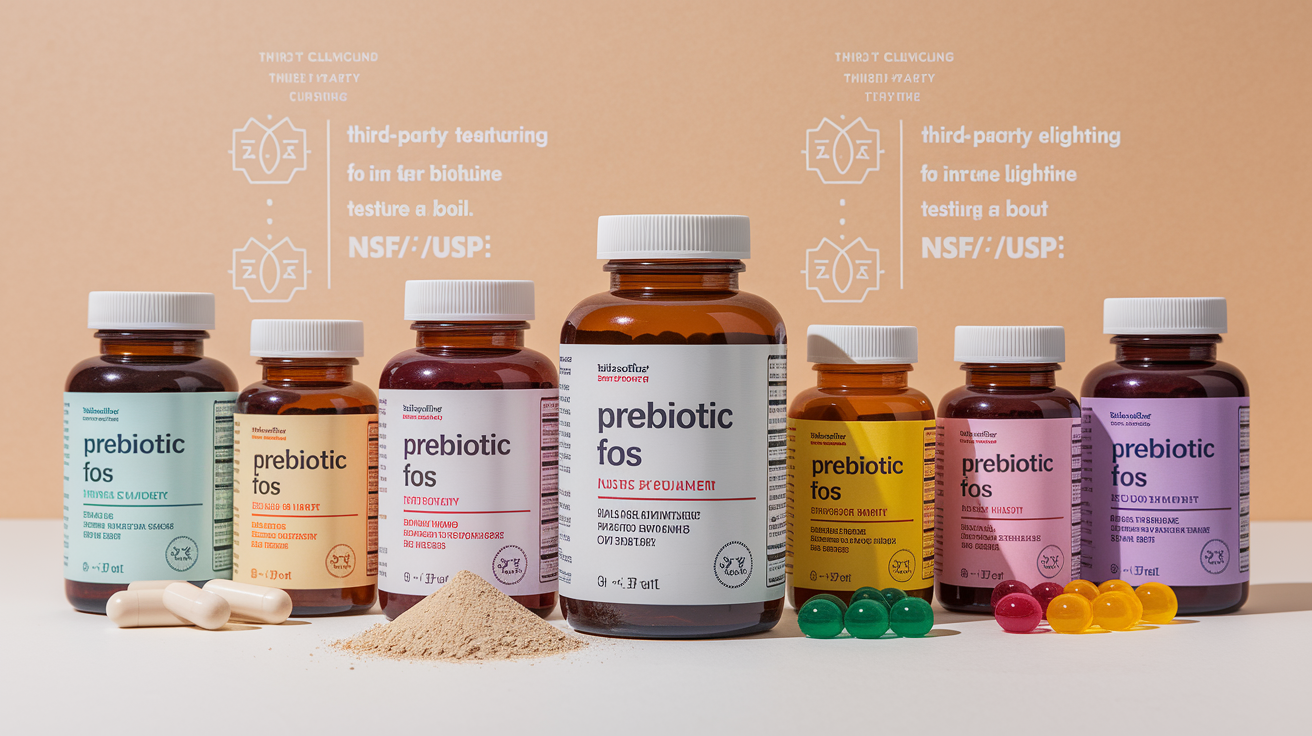
Most people can get enough prebiotics from food. But if you’re dealing with ongoing digestive issues, traveling frequently, or struggling to eat enough fiber-rich whole foods, a supplement can fill the gap.
Types of Prebiotic Supplements
Powders
These are the most flexible option. You can mix them into smoothies, yogurt, oatmeal, or even water. Look for products that list inulin or FOS as the primary ingredient. Start with a small dose (2 to 3 grams per day) and gradually increase to avoid gas and bloating.
Capsules and tablets
These offer a consistent daily dose without the need to measure or mix. They’re convenient for travel and routine stacking. Check the label for third-party testing seals (like NSF, USP, or Informed Choice) to verify purity and potency.
Gummies
These are the most palatable option, especially if you dislike the texture of powders. Just watch for added sugars, which can undermine the benefits of the prebiotic fiber.
What to Look for in a Supplement
Choose products that feature well-researched fibers. Inulin, FOS, or a blend of both. Avoid proprietary blends that don’t disclose individual ingredient amounts.
Third-party testing matters. It confirms that the product contains what the label claims and is free from contaminants like heavy metals or microbial contamination.
If you have IBS, IBD, or other digestive conditions, talk to a dietitian or gastroenterologist before adding a prebiotic supplement. Some people with these conditions are sensitive to high-FODMAP fibers like inulin and FOS, and may need to start with lower doses or alternative fibers like partially hydrolyzed guar gum.
Food vs. Supplements: Which Is Better?
Whole foods deliver prebiotics along with vitamins, minerals, antioxidants, and other beneficial plant compounds. They also provide a natural mix of soluble and insoluble fibers, which supports overall digestive health.
Supplements are more concentrated and predictable. They’re useful when you need a specific dose, when you’re traveling, or when you’re recovering from antibiotics and want to rebuild gut bacteria quickly.
In most cases, food first. Supplements when needed. Both can work together, especially if you’re intentional about variety.
Prebiotics vs. Probiotics: What’s the Difference?
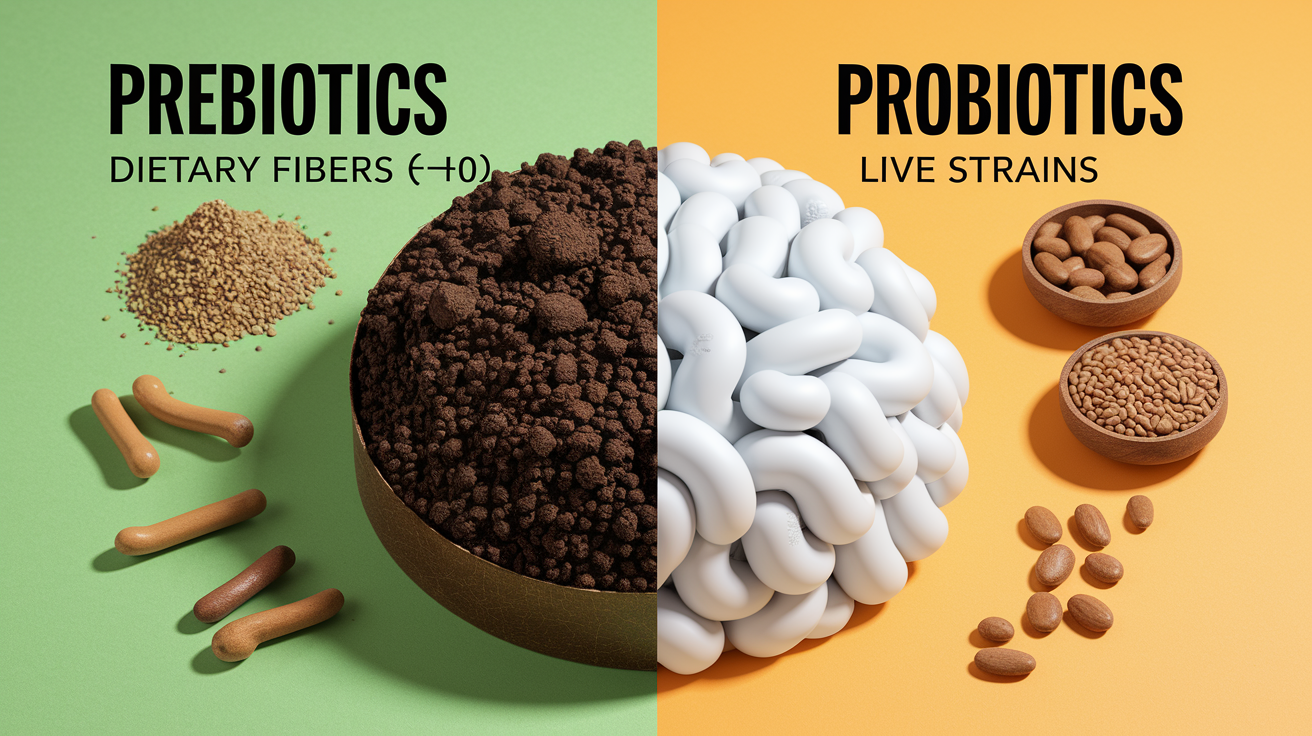
Prebiotics and probiotics aren’t the same thing, even though they’re often mentioned together.
Probiotics are live bacteria and yeasts. Actual microorganisms that you consume. Common strains include Lactobacillus and Bifidobacterium. When you eat yogurt with live cultures, drink kefir, or take a probiotic capsule, you’re adding new bacteria to your gut.
Prebiotics are the fuel those bacteria need to survive and thrive. They’re types of fiber that your body can’t digest, so they travel intact to your colon and feed the beneficial bacteria already living there.
Here’s a simple analogy. Probiotics are the seeds. Prebiotics are the soil and fertilizer. If you plant seeds on a sidewalk, they won’t grow. If you prepare the soil and keep feeding it, the seeds have a much better chance.
| Feature | Prebiotics | Probiotics |
|---|---|---|
| What they are | Fibers your body can’t digest (inulin, FOS, resistant starch) | Live bacteria and yeasts (Lactobacillus, Bifidobacterium) |
| How they work | Feed beneficial bacteria already in your gut | Add new beneficial bacteria to your gut |
| Common food sources | Onions, garlic, bananas, oats, asparagus, potatoes | Yogurt, kefir, kimchi, sauerkraut, miso, tempeh |
| Supplement forms | Powders, capsules, gummies | Capsules, tablets, powders, fermented drinks |
| Main benefit | Support growth and activity of existing gut bacteria | Introduce new strains to improve gut diversity |
Synbiotics: The Best of Both
When you combine prebiotics and probiotics, you create a synbiotic effect. The probiotics supply beneficial bacteria, and the prebiotics give those bacteria the food they need to colonize and multiply.
Many fermented foods naturally provide both. Kefir, for example, contains live Lactobacillus strains and small amounts of prebiotic fibers from the milk sugars that weren’t fully fermented. Tempeh and miso offer probiotics from fermentation and prebiotics from the whole soybeans.
You can also create synbiotic meals intentionally. Greek yogurt (probiotic) topped with sliced banana and oats (prebiotics), or a bowl of miso soup (probiotic) with sautéed onions and sweet potato (prebiotics).
Both prebiotics and probiotics matter. But if you can only focus on one, start with prebiotics. They support the entire microbial community you already have, rather than relying on a few introduced strains that may or may not stick around.
Daily Habits to Support Your Gut Microbiome

Eating prebiotic foods is the foundation, but your gut health is shaped by more than just what’s on your plate. A few simple daily habits can amplify the benefits and keep your microbiome resilient.
Eat a variety of fiber-rich foods every day
Different fibers feed different bacterial species. Rotate between onions, oats, lentils, apples, and potatoes throughout the week. Diversity in your diet creates diversity in your gut, and a diverse microbiome is a healthy microbiome.
Stay hydrated
Fiber needs water to do its job. If you increase your prebiotic intake without drinking enough fluids, you’ll end up bloated and uncomfortable. Aim for steady sips throughout the day, not just a few big glasses at meals.
Manage stress
Chronic stress disrupts gut motility, alters the balance of gut bacteria, and weakens the gut lining. You don’t need to be stress-free, but finding small daily practices (breathwork, a short walk, five minutes of stretching) can protect your gut from the worst effects.
Prioritize sleep
Your gut bacteria follow a circadian rhythm just like you do. Poor sleep disrupts that rhythm, which can reduce microbial diversity and increase inflammation. Aim for 7 to 8 hours of consistent sleep most nights.
Move regularly
Physical activity increases microbial diversity and supports the production of SCFAs. You don’t need intense workouts. A 20-minute walk after dinner is enough to shift gut motility and support bacterial balance.
When to See a Dietitian or Doctor
If you’re experiencing frequent bloating, constipation, diarrhea, or other recurring digestive symptoms, it’s time to talk to a professional. These symptoms can signal food sensitivities, IBS, IBD, or other conditions that need personalized treatment.
A registered dietitian can help you identify which fibers you tolerate best, design a gut-friendly meal plan, and guide you through elimination protocols if needed. If you have IBS or IBD, they may recommend low-FODMAP phases or specific prebiotic fibers that are gentler on your system.
If you’re recovering from a round of antibiotics, prebiotics and probiotics together can help rebuild your gut bacteria faster. But if you’re on immunosuppressants or have a compromised immune system, check with your doctor before adding probiotic supplements. They may not be safe in all cases.
Your gut is complex, and one-size-fits-all advice only goes so far. If something feels off, get help. A personalized plan will always beat generic internet protocols.
Understanding Gut Health Testing
If you’re curious about the specific bacteria living in your gut, microbiome testing can give you a snapshot of your microbial community. These tests analyze a stool sample and report on bacterial diversity, dominant species, and sometimes markers related to digestion, inflammation, or metabolism.
Most consumer microbiome tests are processed at laboratories certified under CLIA (Clinical Laboratory Improvement Amendments) and CAP (College of American Pathologists) standards. These certifications mean the lab meets quality and accuracy benchmarks.
It’s important to understand what these tests can and can’t do. They’re designed for wellness and education, helping you understand your gut ecosystem and track changes over time. They are not diagnostic tools. They won’t diagnose IBS, IBD, celiac disease, or any other medical condition.
If you’re dealing with persistent symptoms, start with your doctor or gastroenterologist. They can order medical-grade tests (like fecal calprotectin or lactulose breath tests) that are designed to diagnose specific conditions.
Microbiome tests can be useful if you’re tweaking your diet, experimenting with prebiotics and probiotics, or tracking how lifestyle changes affect your gut bacteria. Just don’t use them as a substitute for medical evaluation when something’s actually wrong.
References and Scientific Support

The health benefits of prebiotics are backed by peer-reviewed research published over the past decade. Key studies include:
The ISAPP consensus on prebiotics, published in Nature Reviews Gastroenterology & Hepatology (August 2017), which defines prebiotics and outlines their mechanisms of action.
A review in Foods (September 2022) examining the role of prebiotics in immune function and gut barrier integrity.
Research in Nutrients (September 2022 and April 2023) on the effects of inulin and FOS on SCFA production and metabolic health.
A study in Neuroscience & Biobehavioral Reviews (July 2019) exploring the gut-brain axis and the potential of prebiotics to influence mood and cognitive function.
Findings in Pharmacological Research (January 2023) on prebiotics and inflammation modulation.
Work published in Gut Microbes (March 2017) and European Journal of Nutrition (February 2018) on prebiotic fiber and bone health, focusing on calcium and mineral absorption.
These studies collectively support the use of prebiotic fibers (especially inulin, FOS, resistant starch, and beta-glucan) for digestive health, immune support, metabolic regulation, and emerging areas like mental health and bone density.
The science is evolving, and new findings continue to clarify how specific fibers interact with different bacterial strains. What’s already clear: feeding your gut bacteria consistently, with a variety of prebiotic fibers, is one of the most practical ways to support long-term health.
Final Words
Start small: add one prebiotic-rich food to a meal today — banana, garlic, or cooked onion. You’ll notice things without overhauling your routine.
We covered common symptoms (bloating, irregularity), the likely whys, and simple first steps: tweak meal structure, add fiber variety, steady protein, and a short walk after dinner.
If needed, try targeted supplements or tests later. Bring in prebiotics for gut health slowly—one swap a week—and watch steady wins add up.
FAQ
Q: What’s the best prebiotic for gut health?
A: The best prebiotic for gut health is a mix of fermentable fibers—like inulin, resistant starch, and GOS—that feed diverse gut bacteria. Get them from onion, garlic, oats, and green banana; increase slowly.
Q: What are the signs you need prebiotics?
A: The signs you need prebiotics include constipation or hard, infrequent stools, frequent sugar cravings, a low-fiber diet, or recent antibiotics; try adding one fiber-rich food and track how you feel.
Q: Should you take probiotics with GLP-1?
A: Taking probiotics with GLP-1 (blood sugar and appetite) medications is generally safe and may ease gut side effects; pick a multi-strain product, start low, and check with your prescribing clinician.
Q: Do prebiotics lower cortisol?
A: Prebiotics may lower cortisol (the stress hormone) modestly in some studies, but effects are small; pair prebiotics with better sleep, movement, and simple stress tools for real benefit.