


Controversial: you probably don’t need another supplement to fix your gut.
Simple fiber does most of the work.
Most adults eat only about 15 grams a day, roughly half of what’s recommended.
Fiber adds bulk to stool, feeds your microbiome (the community of bacteria in your gut), and helps produce short-chain fatty acids, tiny molecules that feed colon cells and calm inflammation.
In this post we’ll show how different fibers work, realistic daily targets, and easy, step-by-step swaps to add fiber without the bloating.
Core Benefits of Dietary Fiber for Gut Health

Dietary fiber is the part of plant foods your body can’t digest. It moves through your digestive system mostly intact, doing work along the way. Unlike other carbs, fiber doesn’t get broken down by enzymes in your small intestine. It travels to your colon, where it adds bulk to stool, slows down how fast nutrients get absorbed, and feeds the trillions of bacteria living in your lower gut. These jobs make fiber one of the best tools you have for keeping your digestive system healthy and resilient.
Eating fiber regularly improves how your gut performs every day. It keeps bowel movements predictable, stops the straining that causes hemorrhoids, and lowers your risk of diverticulosis (when small pouches form in your colon wall). But fiber does more than just mechanical work. It also supports your gut microbiome, the bacterial community that breaks down plant material, makes vitamins, and talks to your immune system. When gut bacteria ferment certain fibers, they create short-chain fatty acids like butyrate. These nourish the cells lining your colon and help control inflammation. We’ll get into SCFAs in more detail later.
What fiber does for your digestion:
- Keeps bowel movements regular by adding bulk and improving stool consistency, so elimination is easier and more predictable.
- Prevents constipation by speeding things up through your colon and cutting down on straining.
- Feeds beneficial gut bacteria by giving them fermentable material they need to thrive.
- Creates short-chain fatty acids during fermentation, which fuel colon cells, reduce inflammation, and support gut health overall.
- Strengthens immune function by maintaining your gut lining and supporting the conversation between gut microbes and immune cells.
Adding more fiber is one of the simplest ways to improve how your gut works. It supports digestion from the moment food hits your stomach all the way to waste elimination. And it creates the right environment for beneficial bacteria to do what they do best.
Soluble and Insoluble Fiber: How Each Type Supports Gut Health
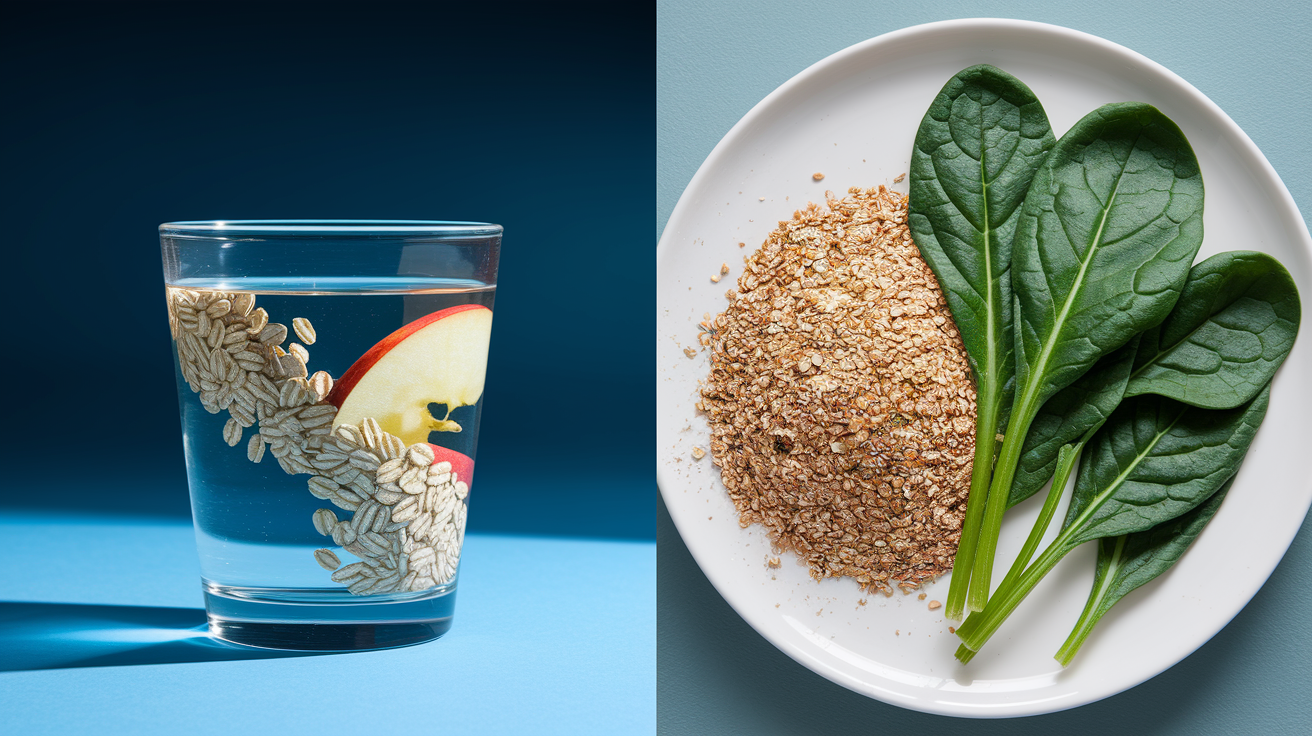
Soluble fiber dissolves in water and turns into a thick gel as it moves through your gut. That gel slows down digestion, which helps regulate blood sugar by delaying glucose absorption. It also lowers cholesterol by binding bile acids. Soluble fiber gets fermented most easily by gut bacteria, so it’s a major source of short-chain fatty acids. You’ll find it in oats, beans, lentils, apples, carrots, and flaxseeds. It’s especially helpful if you’re managing blood sugar or cholesterol. Plus, it gives bacteria the fuel they need to produce beneficial metabolites.
Insoluble fiber doesn’t dissolve in water. It stays mostly intact as it travels through your gut. Its job is mechanical: it adds bulk to stool and speeds up how fast waste moves through your colon, which means less time sitting around. This type is great for preventing constipation and keeping you regular. Common sources are spinach, cauliflower, whole grains, nuts, seeds, and fruit and veggie skins. Insoluble fiber doesn’t ferment as much as soluble, so it doesn’t produce as many SCFAs. But it’s critical for keeping your digestive system moving efficiently. Both types work together, and most high-fiber foods have a mix of both.
| Fiber Type | Key Action | Example Foods | Gut Benefit |
|---|---|---|---|
| Soluble | Forms gel, slows digestion, fermented by bacteria | Oats, beans, lentils, apples, carrots, flaxseeds | Regulates blood sugar and cholesterol; produces SCFAs |
| Insoluble | Adds bulk, speeds transit, minimal fermentation | Spinach, cauliflower, whole grains, nuts, seeds, fruit skins | Prevents constipation; supports regular bowel movements |
| Fermentable | Broken down by gut bacteria into SCFAs | Most soluble fibers, resistant starch, some insoluble fibers | Feeds microbiome; nourishes colon cells; reduces inflammation |
| Nonfermentable | Passes through colon mostly unchanged | Wheat bran, vegetable skins, cellulose-rich foods | Adds stool bulk; speeds waste elimination |
Daily Fiber Needs for Better Gut Function

Most adults should shoot for 25 to 38 grams of fiber daily. Women typically need around 25 grams, men closer to 30 to 38. The exact number varies based on body size, activity level, and total calorie intake, but those ranges are solid starting points. In reality, the average American eats only about 15 grams per day. That’s a big gap between what people eat and what actually supports good gut function. It’s also why constipation, bloating, and irregular bowel movements are so common. Closing that gap with real food is one of the easiest ways to improve digestive comfort and long-term gut health.
Fiber works best when you’re drinking enough water. Water lets fiber absorb fluid, soften stool, and move efficiently through your colon. Without it, increasing fiber can actually make constipation worse instead of better. Aim for around 64 ounces of fluid daily as a baseline. You’ll need more if you’re active or live somewhere hot.
Four fiber numbers to remember:
- 25 grams per day for adult women as a general target for digestive and metabolic health.
- 30 to 38 grams per day for adult men, with the higher end supporting active people and those focused on gut health.
- 15 grams per day is what most Americans actually eat, roughly half the recommended amount.
- 14 grams per 1,000 calories is a useful rule if you want to scale fiber intake to your total calorie needs.
Top Fiber-Rich Foods to Support Gut Microbiome Diversity
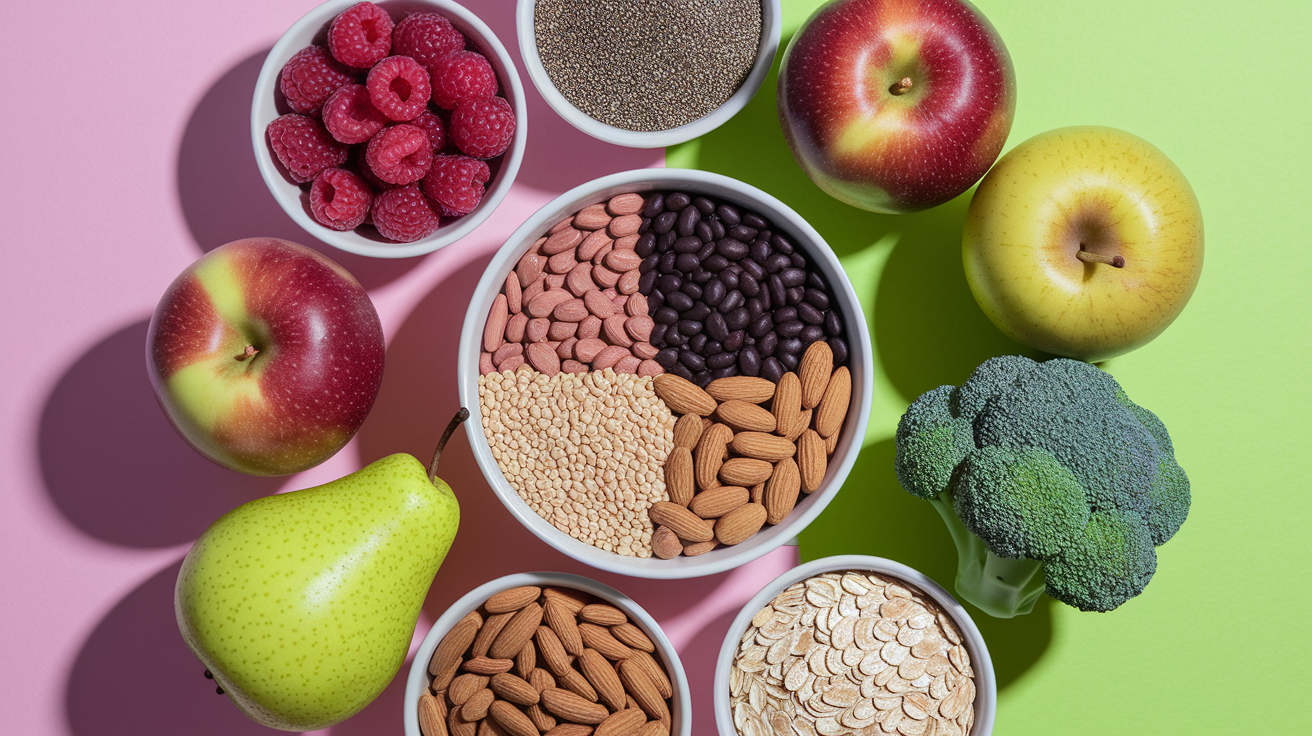
Building a gut-friendly diet starts with whole foods that deliver both fiber and a variety of plant compounds. The more diverse your fiber sources, the more varied the bacteria you’ll support in your microbiome. That diversity is linked to better digestion, stronger immune function, and even improved mood and energy. Focus on adding a mix of fruits, vegetables, legumes, whole grains, nuts, and seeds throughout your week.
- Raspberries: roughly 8 grams per cup, one of the most fiber-dense fruits you can snack on.
- Chia seeds: around 10 to 11 grams per ounce (about 2 tablespoons). They also absorb liquid and form a gel that supports digestion.
- Lentils: about 15 to 16 grams per cooked cup, with both soluble and insoluble fiber plus plant protein.
- Black beans: around 7 to 8 grams per half-cup serving, easy to toss into salads, tacos, or grain bowls.
- Apples (with skin): roughly 4 to 5 grams per medium apple. The skin has most of the insoluble fiber.
- Broccoli: around 4 to 5 grams per cooked cup, plus prebiotic compounds that feed beneficial bacteria.
- Brown rice: about 3 to 4 grams per cooked cup, a simple swap for white rice that adds fiber and keeps the bran.
- Almonds: about 3 to 4 grams per ounce, plus healthy fats and protein for sustained energy.
- Pears (with skin): roughly 5 to 6 grams per medium pear, with a mix of soluble and insoluble fiber.
- Oats: around 4 grams per cooked cup, rich in beta-glucan, a soluble fiber that supports cholesterol and microbiome health.
Eating a wide variety of these foods supports a more diverse microbiome. Research consistently links that diversity to better gut health and resilience against digestive problems. Different bacteria prefer different fiber types, so rotating your sources keeps more species fed and active. This diversity also improves your gut’s ability to produce a range of beneficial compounds, including the short-chain fatty acids that fuel colon cells and regulate inflammation.
How Fiber Feeds Gut Bacteria and Produces SCFAs

When you eat fiber, especially fermentable types found in soluble fibers and resistant starches, it passes undigested into your colon. There, resident bacteria break it down through fermentation. That process produces gases and, more importantly, short-chain fatty acids. These SCFAs get absorbed by the cells lining your colon and used as energy. They also regulate inflammation, support the gut barrier, and communicate with immune cells. The more diverse your fiber intake, the more varied the SCFA profile you’ll produce. That generally supports a healthier, more balanced gut environment.
The three primary SCFAs produced during fiber fermentation are acetate, propionate, and butyrate. Each has distinct functions, but butyrate is especially important for colon health because it’s the preferred fuel for colonocytes (the cells making up your colon lining). When butyrate levels are low, the colon lining can weaken, which may contribute to inflammation and digestive discomfort. Propionate and acetate also contribute to metabolic regulation and have systemic effects beyond the gut, including roles in appetite regulation and immune modulation.
The three main short-chain fatty acids and what they do:
- Acetate: the most abundant SCFA, used throughout the body for energy and involved in regulating cholesterol synthesis and appetite signaling.
- Propionate: primarily metabolized in the liver, where it helps regulate glucose production and may contribute to satiety and metabolic health.
- Butyrate: the primary energy source for colon cells, supports the gut barrier, reduces inflammation, and may protect against colorectal disease.
Increasing Fiber Intake Safely Without Bloating

Adding fiber too quickly is one of the most common reasons people get gas, bloating, or cramping when they try to improve their diet. Your gut bacteria need time to adjust to the increased fermentable material. Your colon needs to adapt to the added bulk. A sudden jump from 15 grams to 35 grams per day can overwhelm your system, leading to discomfort that makes people think fiber doesn’t work for them. The key is increasing gradually, giving your microbiome and digestive tract time to adapt.
Hydration matters just as much as how fast you increase. Fiber absorbs water as it moves through your gut. If you’re not drinking enough, the fiber can sit in your colon and slow things down instead of speeding them up. Aiming for around 64 ounces of water daily is a good baseline. You may need more if you’re active or increasing fiber significantly. Most people find that symptoms ease within one to two weeks once their system adjusts. The long-term benefits of consistent fiber intake far outweigh the short-term adjustment period.
A gradual six-step plan to increase fiber safely:
- Start by adding 3 to 5 grams per day above your current baseline. This could be one extra serving of fruit or a handful of nuts.
- Hold at that level for 3 to 4 days to let your gut bacteria adjust before adding more.
- Increase by another 3 to 5 grams and hold again for a few days, repeating this pattern until you reach your target intake.
- Drink water consistently throughout the day, especially with meals and snacks that contain fiber.
- Mix soluble and insoluble sources to support both fermentation and transit, which can reduce gas and improve regularity.
- Monitor symptoms and slow down if bloating or cramping becomes uncomfortable. Slight gas is normal during adjustment, but severe discomfort isn’t.
The adjustment period usually lasts one to two weeks. After that, most people get improved regularity, less bloating overall, and steadier energy throughout the day. If symptoms persist beyond two weeks or get worse, check in with a healthcare provider to rule out underlying issues like SIBO or food intolerances.
Fiber Supplements and When to Use Them

Fiber supplements can help when your diet consistently falls short of the recommended 25 to 38 grams per day, or when specific digestive issues need targeted support. They’re not a replacement for whole foods, which provide vitamins, minerals, and phytonutrients along with fiber. But they can fill gaps when whole-food intake is limited by travel, food preferences, or medical conditions that restrict certain food groups. The most effective approach is using supplements as a short-term bridge while you build more sustainable dietary habits. Or as a long-term tool if dietary changes alone aren’t enough.
Most fiber supplements fall into one of three categories, each with different effects on the gut. Soluble fiber supplements like psyllium husk are well-researched for supporting regularity and lowering cholesterol. Prebiotic fibers like inulin and fructooligosaccharides (FOS) are specifically designed to feed beneficial bacteria, though they can cause gas if introduced too quickly. Resistant starch supplements are less common. They mimic the effects of cooked-and-cooled potatoes or rice and support butyrate production without adding much bulk.
Common Types of Fiber Supplements
Psyllium husk is a soluble fiber that absorbs water and forms a gel, making it effective for both constipation and mild diarrhea. It’s one of the most studied fiber supplements and is generally well tolerated when started at a low dose and increased gradually. It’s also used to support cholesterol management.
Inulin and fructooligosaccharides (FOS) are prebiotic fibers that feed beneficial bacteria like Bifidobacteria. They’re less effective at adding stool bulk but are excellent for supporting microbiome diversity. They can cause gas and bloating if introduced too quickly, so start with small amounts and increase slowly.
Resistant starch supplements mimic the fiber found in cooked-and-cooled starchy foods. They’re fermented in the colon and produce butyrate, supporting colon cell health and metabolic function. They’re generally well tolerated but may cause mild gas during adjustment.
Supplementation makes the most sense when dietary intake is consistently low, when you’re managing specific digestive issues under the guidance of a healthcare provider, or when certain medical conditions limit your ability to eat high-fiber whole foods. If you’re considering a fiber supplement, it’s worth consulting a registered dietitian or your primary care provider to choose the right type and dose for your situation.
Fiber’s Role in Common Digestive Issues

Fiber plays a direct role in preventing and managing several of the most common digestive complaints. It’s not a cure-all. But it’s one of the most reliable tools for improving bowel regularity, reducing straining, and supporting a more predictable digestive rhythm. The key is understanding which type of fiber helps with which issue, because soluble and insoluble fibers have different effects on transit time and stool consistency.
Constipation is one of the most common reasons people increase fiber intake. Insoluble fiber adds bulk to stool and speeds transit through the colon, reducing the time waste sits in your system. Soluble fiber also helps by drawing water into the colon, softening stool and making it easier to pass. Together, they create the conditions for regular, comfortable bowel movements. Diarrhea can sometimes be managed with soluble fiber, which slows transit and absorbs excess water, giving stool more form. That’s why psyllium husk is often recommended for both constipation and mild diarrhea.
| Digestive Issue | How Fiber Helps | Recommended Fiber Type | Practical Example |
|---|---|---|---|
| Constipation | Adds bulk, speeds transit, softens stool | Insoluble fiber (plus adequate water) | Add spinach, whole grains, and drink 8 cups of water daily |
| Diarrhea | Slows transit, absorbs excess water, adds form | Soluble fiber (psyllium, oats) | Start with oatmeal or psyllium husk; increase gradually |
| Irregular stool consistency | Balances water content and transit time | Mix of soluble and insoluble fiber | Combine oats, beans, and leafy greens in daily meals |
| Slow gut transit time | Increases stool bulk and stimulates peristalsis | Insoluble fiber | Eat more vegetables, whole grains, and fruit skins |
Fiber also supports the overall health of your colon by reducing pressure inside your intestines during bowel movements. Lower pressure decreases your risk of developing hemorrhoids and diverticulosis, two conditions more common when people strain during elimination. For most people, a combination of both fiber types, paired with consistent hydration, resolves or significantly improves these common issues within a few weeks.
High-Fiber Meal Ideas for Daily Gut Support
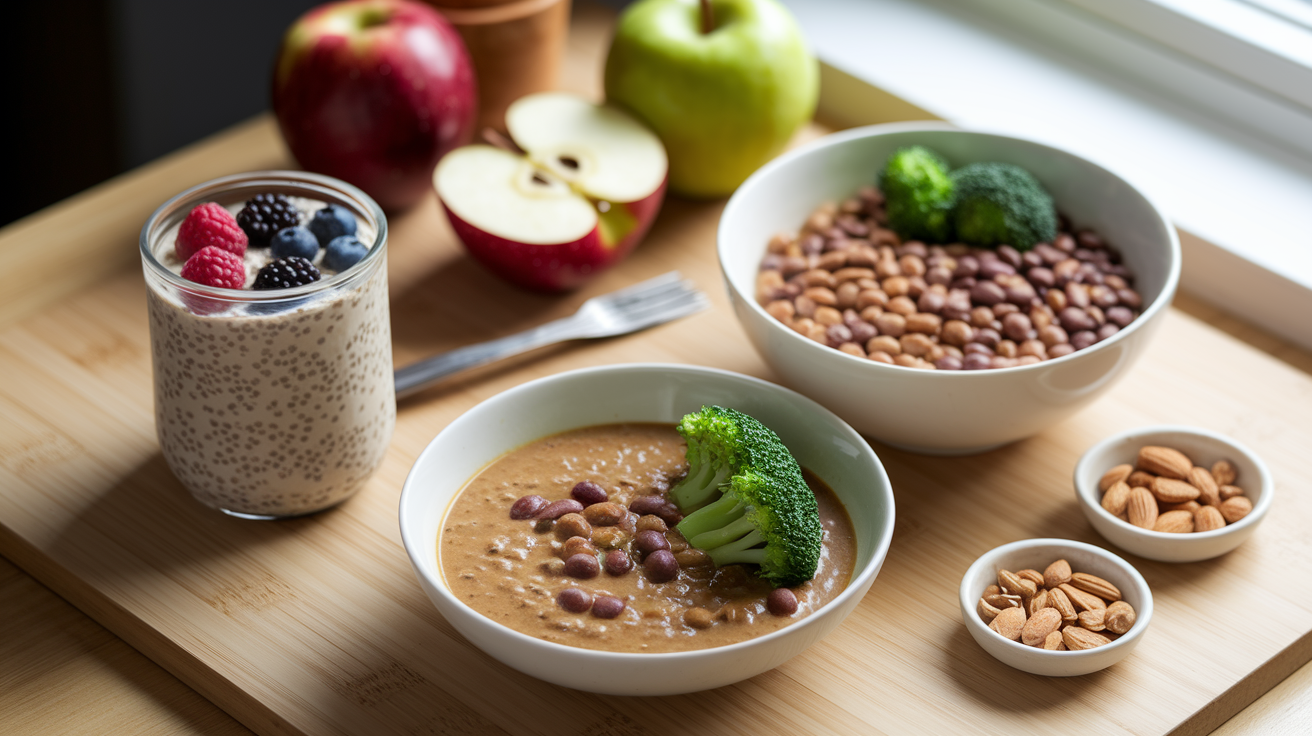
Building meals around fiber-rich whole foods is simpler than it sounds. The goal is adding one or two high-fiber components to each meal and snack. That lets you reach 25 to 38 grams per day without needing to track every gram. Focus on whole grains instead of refined carbs, add a serving of fruit or vegetables to every meal, and include nuts, seeds, or legumes whenever possible. These small shifts compound quickly.
- Breakfast: Overnight oats with chia seeds and berries – combine oats, chia seeds, almond milk, and raspberries for a meal delivering around 12 to 15 grams of fiber.
- Breakfast: Whole-grain toast with avocado and an apple – use sprouted whole-grain bread, top with mashed avocado, and pair with a medium apple for roughly 10 grams of fiber.
- Lunch or dinner: Lentil and vegetable soup with a side of whole-grain crackers – a cup of lentil soup can provide 10 to 12 grams of fiber. Adding crackers brings the total even higher.
- Lunch or dinner: Brown rice bowl with black beans, broccoli, and peppers – this combination delivers around 12 to 15 grams of fiber and covers both soluble and insoluble types.
- Snack: Apple slices with almond butter – a medium apple with a tablespoon of almond butter adds about 6 grams of fiber and keeps you full between meals.
- Snack: Handful of almonds and a pear – this simple snack provides around 8 grams of fiber and pairs healthy fats with fruit.
These meals and snacks are easy to prepare, don’t need special ingredients, and deliver cumulative benefits over time. Eating this way consistently supports regular bowel movements, feeds diverse gut bacteria, and keeps your digestive system running smoothly without overthinking it.
Final Words
Fiber for gut health isn’t complicated. It keeps things moving, feeds your microbiome, and supports the kind of steady energy and comfortable digestion that makes everything else easier.
Start where you are. Add one fiber-rich food this week, drink enough water, and give your gut time to adapt.
Small additions stack. Your digestion will respond.
FAQ
Q: What fiber is best for gut health?
A: The best fiber for gut health is a mix of fermentable (soluble) fibers that feed gut bacteria and bulking (insoluble) fibers that move stool—aim for oats, beans, fruits, vegetables, and seeds for variety.
Q: Should I take fiber with Zepbound?
A: Taking fiber with Zepbound is generally safe and can help ease constipation, but taking it with your prescriber to confirm timing and dose is wise since individual responses vary.
Q: Can fiber supplements lower A1c?
A: Fiber supplements can modestly lower A1c (average blood sugar over months) by slowing carb absorption; soluble fibers like psyllium show the best evidence, but combine them with diet and medical care.
Q: What are the 7 signs of an unhealthy gut?
A: The seven common signs of an unhealthy gut are frequent bloating, irregular bowel movements (constipation or diarrhea), excess gas, persistent stomach pain, new food intolerances, unexplained weight change, and ongoing fatigue or mood shifts.