


Think cereal or a granola bar will power your morning? Think again.
This post gives you quick, practical nutrition breakfast ideas built around protein, fiber, and healthy fats so you don’t crash by mid-morning.
You’ll get five-minute options, make-ahead meals, and high-protein recipes that keep you full and clear-headed.
Use these swaps to turn flimsy breakfasts into simple, real-food routines that boost steady energy, tame cravings, and fit into busy mornings.
High‑Nutrition Breakfast Ideas (Immediate List)
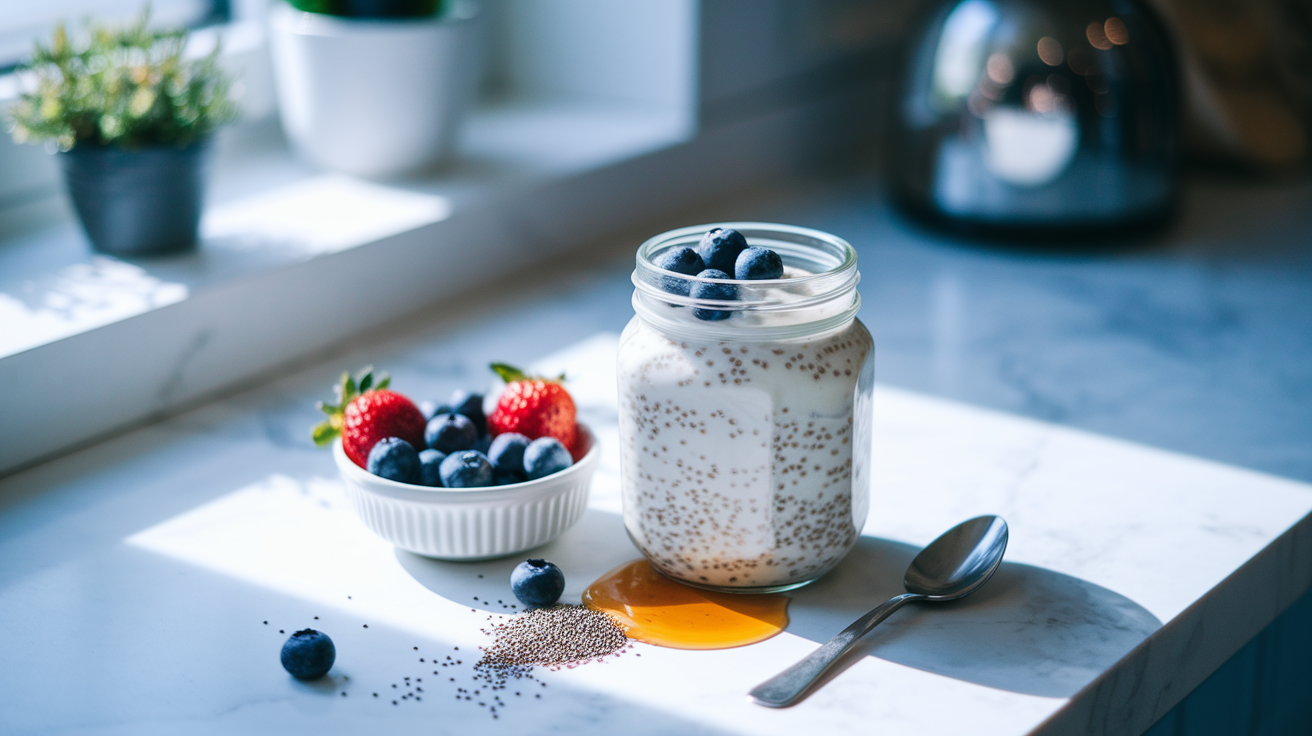
This section gives you a fast list of nutrient-dense breakfast ideas you can actually cook or throw together this week. Each one’s built around whole foods that bring protein, fiber, and healthy fats together so you stay steady through the morning without crashing.
Overnight Oats with Greek Yogurt and Berries – Roll oats soaked overnight with Greek yogurt get you around 12 to 15 grams of protein plus a solid hit of fiber from the oats and chia seeds. Blueberries or strawberries give you vitamins C and K. The combo slows down glucose absorption and keeps things even for hours.
Veggie Loaded Frittata with Spinach and Feta – Eggs baked with leafy greens, bell peppers, and feta bring roughly 18 to 20 grams of protein per serving, plus vitamin A, folate, and potassium. The protein and vegetable fiber keep your energy up without the mid-morning tank.
Breakfast Burrito with Scrambled Eggs, Black Beans, and Avocado – Whole wheat tortilla filled with scrambled eggs, black beans, diced tomatoes, and avocado gets you about 20 grams of protein, soluble fiber from the beans, and monounsaturated fats from the avocado. Wrap a batch on Sunday and freeze them. You’re set for grab-and-go mornings.
Smoothie Bowl with Spinach, Banana, Almond Butter, and Hemp Seeds – Blend frozen banana, a handful of spinach, almond butter, and hemp seeds, then top with granola and fresh fruit. You’ll land around 10 to 12 grams of protein, omega 3 fatty acids, and vitamins A, B6, and E. All in a bowl you eat with a spoon.
Savory Quinoa Bowl with Soft Boiled Egg and Roasted Vegetables – Cooked quinoa topped with a soft boiled egg, roasted sweet potato, and sautéed kale gives you complete protein (around 15 grams), complex carbs for sustained glucose release, and beta carotene for immune health. This savory route helps you dodge “oat fatigue.”
Cottage Cheese Egg Bites with Herbs and Tomatoes – Baked egg muffins made with cottage cheese and chopped tomatoes clock in at roughly 18 grams of protein per 3 bites. Minimal prep, zero grains. They’re naturally gluten free and reheat in seconds, perfect for hectic school mornings.
Chia Pudding with Almond Milk, Walnuts, and Sliced Strawberries – Chia seeds soaked overnight in almond milk turn into pudding that’s rich in omega 3s, fiber (about 10 grams per serving), and plant protein (around 6 grams). Walnuts and strawberries add healthy fats and vitamin C. It’s ready when you wake up and holds in the fridge for three days.
Quick Healthy Breakfasts for Busy Mornings
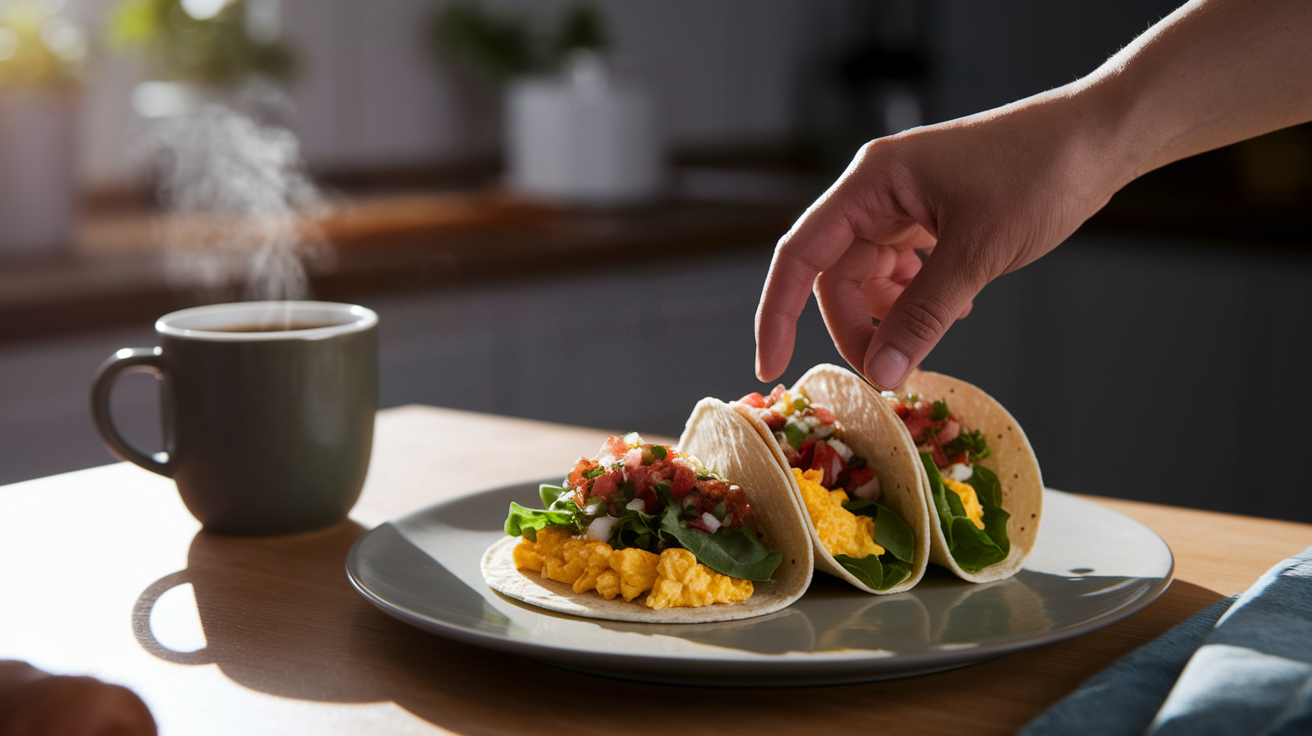
Quick breakfasts get a bad rap, but speed doesn’t mean you’re stuck with a granola bar that’s mostly sugar. When you stock Greek yogurt, pre-boiled eggs, oats, nut butter, and fresh fruit, you can pull together a balanced meal in under five minutes that still hits protein, fiber, and healthy fats.
Think of fast breakfasts as smart assembly, not cooking. Hard boil a carton of eggs on Sunday. Portion overnight oats into jars. Keep a jar of almond butter and a bag of frozen spinach ready for smoothies. With these building blocks in place, even the tightest morning becomes doable.
Five Minute Breakfast Tacos – Smash one hard boiled egg with a spoonful of plain yogurt or a drizzle of olive oil, warm a whole grain tortilla directly on the burner until it blisters, then top with shredded greens, microgreens, and salsa. Protein, fiber, and fresh vegetables in one hand-held package.
Miso Soup with Tofu Cubes and Cooked Barley – Add a dollop of miso paste to a mug of hot water, stir, then drop in cubed tofu and a scoop of leftover cooked barley. You’ve got plant protein, whole grains, and gut-friendly probiotics in a savory, warming cup that takes as long as making tea.
Plain Yogurt Bowl with Walnuts and Fresh Fruit – Spoon plain Greek yogurt into a bowl, top with toasted walnuts, sliced strawberries, and a drizzle of honey. You’ll get around 15 grams of protein, omega 3s from walnuts, and vitamin C from berries. Swap honey for a sprinkle of cinnamon if you’re cutting added sugars.
Avocado Toast with Everything Bagel Seasoning and a Soft Boiled Egg – Smash half an avocado onto whole grain toast, sprinkle everything bagel seasoning, and top with a soft boiled egg you prepped earlier. Healthy fats, fiber, and about 12 grams of protein, all in five minutes of assembly.
High Protein Breakfast Ideas
Protein in the morning does more than fill you up. It stabilizes blood sugar, supports muscle repair (especially if you train early), and keeps cravings quiet until lunch. Research shows that getting 20 to 30 grams of protein at breakfast can cut down mid-morning snacking and improve overall calorie regulation throughout the day.
The best breakfast proteins come from whole foods: eggs, Greek yogurt, cottage cheese, tofu, legumes, lean meats, and nuts. Pairing protein with fiber from oats, vegetables, or fruit slows digestion further and gives you the steady energy your brain and muscles need.
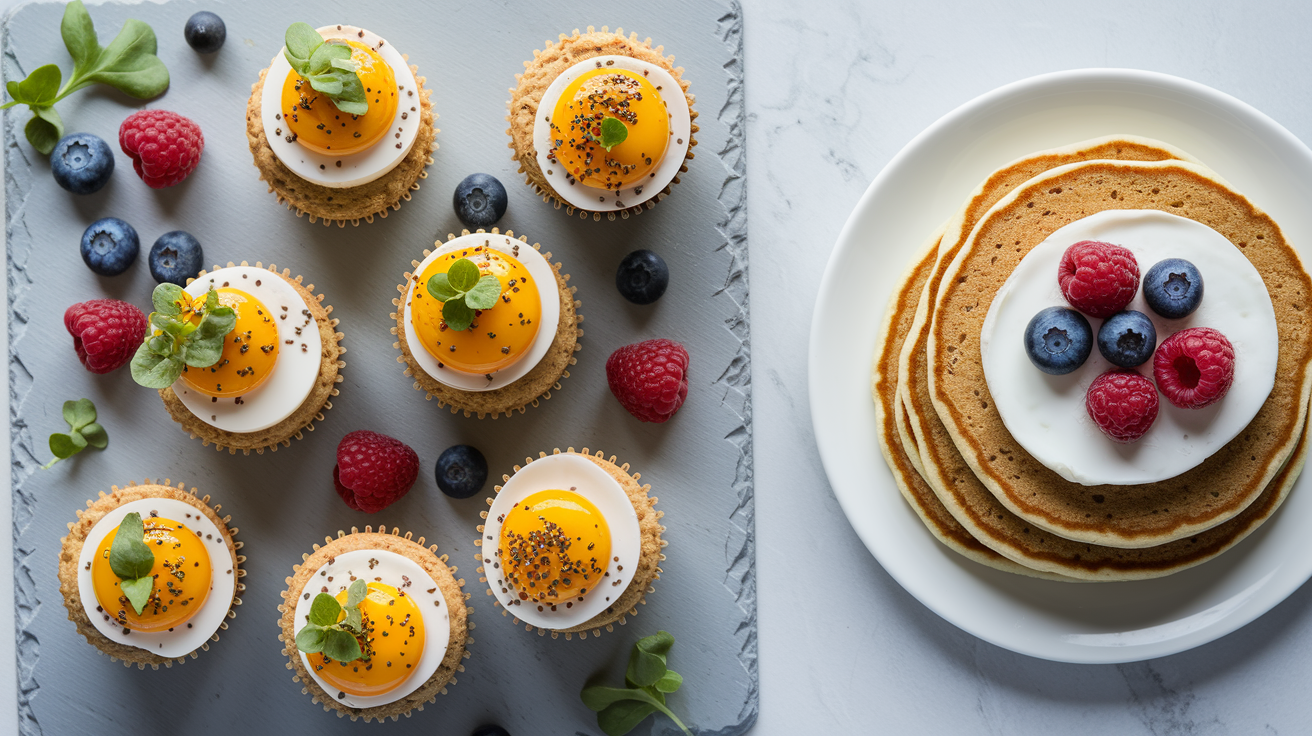
Cottage Cheese Egg Bites with Herbs – Bake eggs whisked with cottage cheese, chopped herbs, and diced tomatoes in a muffin tin. Three bites deliver roughly 18 grams of protein, and they reheat in seconds. Naturally gluten free and vegetarian.
Buffalo Chicken Egg Muffins – Mix shredded cooked chicken with beaten eggs and a splash of hot sauce, pour into muffin cups, and bake. Three muffins give you about 22 grams of protein. Make a batch on Sunday and store in the fridge for grab-and-go mornings. Dairy free and Paleo friendly.
Protein Pancakes (No Banana) – Blend oats, eggs, Greek yogurt, and a scoop of vanilla protein powder into a batter. Three pancakes provide approximately 18 grams of protein. Cook a double batch and freeze them. Reheat in the toaster for busy weekdays.
Baked Vanilla Protein Oatmeal – Mix rolled oats, chia seeds, ground flax, nut butter, Greek yogurt, eggs, and protein powder, then bake in a casserole dish. One serving delivers around 16 grams of protein plus fiber and omega 3s. Slice into squares and store in the fridge for easy reheating.
Tex Mex Sweet Potato Hash with a Fried Egg – Sauté diced sweet potato with black beans, bell peppers, and cumin until tender, then top with a fried egg. You’ll get roughly 18 grams of protein from the beans and egg, plus fiber, vitamin A, and potassium. Add the egg for an extra 6 grams if you’re training hard.
Meal Prep Breakfast Options for the Week
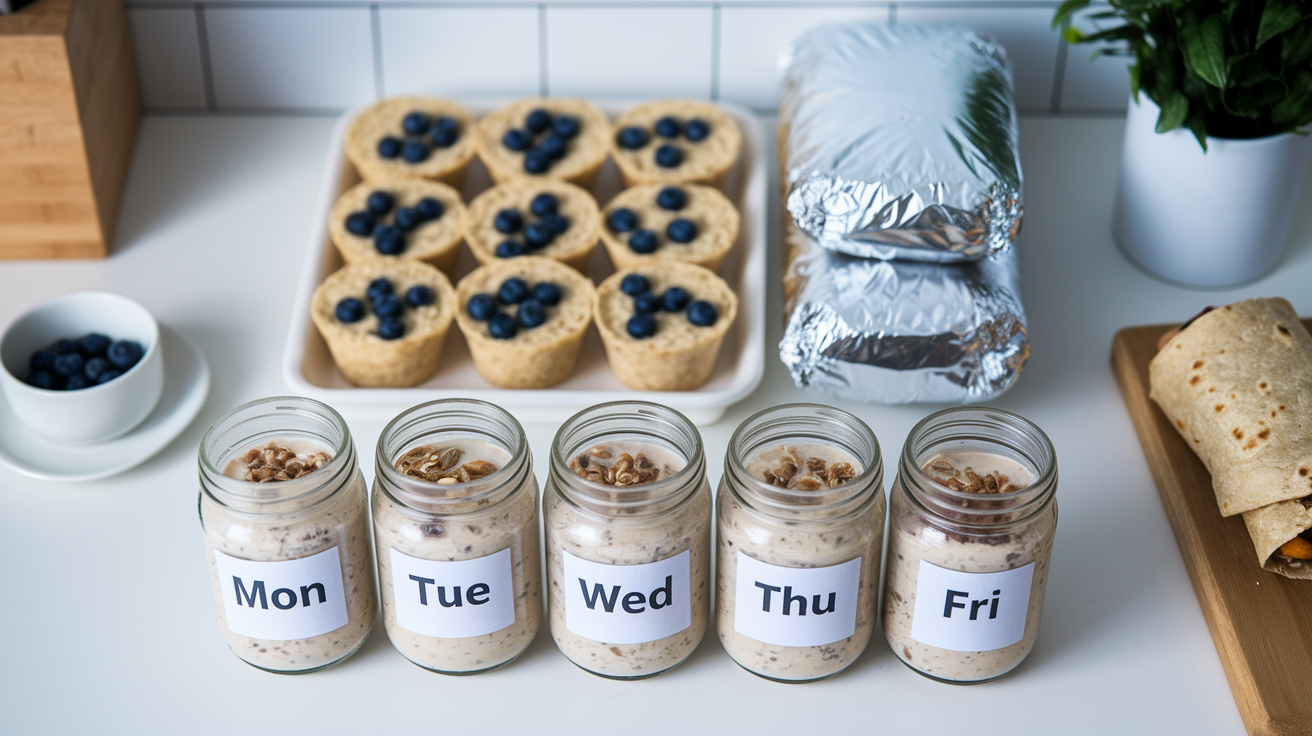
Meal prepping breakfast is the single best way to guarantee you’ll eat something nutritious on mornings when you’re running late or just don’t feel like cooking. Spending an hour on Sunday to batch oats, egg cups, or muffins means you can reach into the fridge, grab a container, and walk out the door with balanced macros already handled.
The best make-ahead breakfasts hold well for three to five days in the fridge or freeze for longer storage. Focus on recipes that combine protein, fiber, and healthy fats so each serving feels like a real meal, not a snack you’ll regret by 10 a.m.
Overnight Oats in Mason Jars – Combine rolled oats, chia seeds, almond milk, Greek yogurt, and a drizzle of maple syrup in a jar, then refrigerate overnight. Top with fresh berries and nuts in the morning. Prep five jars on Sunday for ready-to-eat breakfasts through Thursday. Each jar delivers around 12 to 15 grams of protein and 8 grams of fiber.
Baked Oatmeal Cups with Blueberries – Mix oats, mashed banana, eggs, almond butter, and blueberries, divide into a muffin tin and bake. Once cooled, store in an airtight container for up to four days or freeze for a month. Reheat one cup in the microwave for 30 seconds. Roughly 6 to 8 grams of protein per cup. Pair with Greek yogurt to boost it.
Breakfast Burritos with Sausage, Eggs, and Vegetables – Scramble eggs with cooked sausage, diced bell peppers, and shredded cheese, then wrap in whole wheat tortillas. Wrap each burrito tightly in foil and freeze. Reheat from frozen in the microwave for 2 to 3 minutes or in the oven at 350°F for 20 minutes. Each burrito provides about 21 grams of protein and travels well.
Green Rice Porridge with Spinach – Cook rice congee (or use leftover brown rice) and stir in finely chopped spinach until wilted. Portion into containers and refrigerate for up to five days. Reheat with a splash of water or broth, then top with a soft boiled egg, sesame seeds, and soy sauce. Savory, warming, and rich in iron and B vitamins.
Cottage Cheese Muffins with Herbs – Whisk cottage cheese with eggs, whole wheat flour, and fresh herbs (dill, chives, or parsley), pour into muffin tins, and bake. Store in the fridge for up to five days. Two muffins give you roughly 14 grams of protein and make a savory alternative to sweet baked goods.
Dietary Specific Healthy Breakfast Ideas (Vegan, Gluten Free, Low Carb)
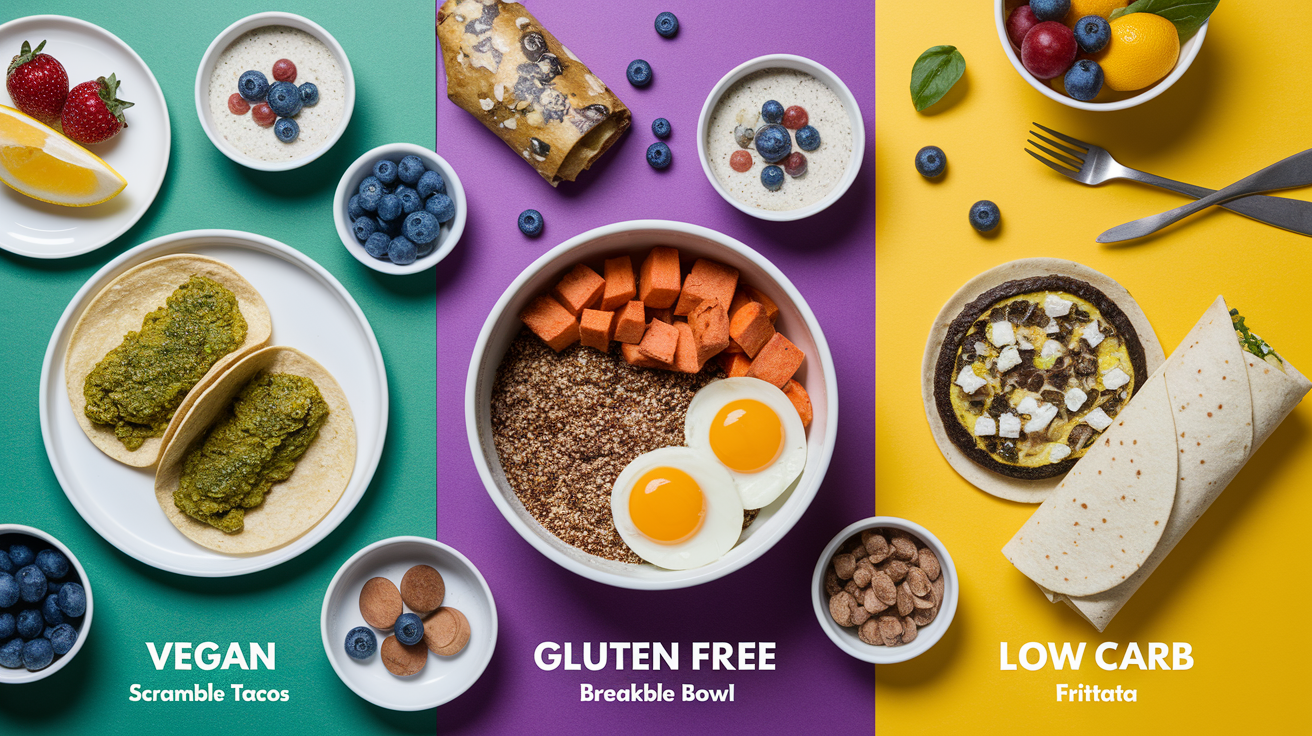
Different dietary patterns don’t mean sacrificing nutrition or variety at breakfast. Whether you avoid animal products, gluten, or higher carb foods, you can still build morning meals around whole ingredients that deliver protein, fiber, vitamins, and sustained energy.
Vegan Breakfast Options
Tofu Scramble Tacos with Pesto – Crumble firm tofu and sauté with turmeric, nutritional yeast, and diced vegetables until golden. Spoon into whole grain tortillas and top with pesto or fresh cilantro. One serving provides roughly 14 to 16 grams of plant protein, iron, and calcium. Add avocado for healthy fats.
Chia Pudding with Fresh Fruit and Almond Butter – Mix chia seeds with almond milk and a touch of maple syrup, refrigerate overnight, then top with sliced banana, berries, and a spoonful of almond butter. You’ll get around 8 grams of protein and 12 grams of fiber per serving, plus omega 3 fatty acids and vitamin E from the seeds and nut butter.
Gluten Free Breakfast Options
Quinoa Breakfast Bowl with Roasted Sweet Potatoes and Goat Cheese – Cook quinoa, toss with roasted sweet potato cubes, toasted walnuts, and crumbled goat cheese, then drizzle with olive oil. This naturally gluten free bowl delivers complete protein, fiber, beta carotene, and healthy fats. Prep the quinoa and sweet potatoes ahead and assemble fresh each morning.
Sheet Pan Eggs with Cottage Cheese and Vegetables – Whisk eggs with cottage cheese, pour onto a parchment lined sheet pan, scatter with diced bell peppers and spinach, and bake at 375°F until set. Cut into squares and store in the fridge for up to four days. Each square provides about 15 grams of protein and is naturally gluten free and grain free.
Low Carb Breakfast Options
Mushroom Frittata with Feta – Whisk eggs with crumbled feta, sauté sliced mushrooms and spinach, then pour the eggs over and bake until puffed. One wedge delivers roughly 15 grams of protein, minimal carbs, and plenty of B vitamins and selenium. Use leftover vegetables to keep prep simple.
Savory Breakfast Burrito (Low Carb Wrap) – Scramble one egg with a spoonful of cottage cheese, serve with half an avocado sprinkled with sea salt, and wrap in a low carb tortilla or skip the wrap entirely. You’ll get about 18 to 20 grams of protein, healthy fats from avocado, and virtually no added sugars. This combo keeps blood sugar steady and hunger at bay until lunch.
Final Words
Pick one recipe and make it tomorrow. You got a quick list of high-nutrition breakfast ideas, 5–10 minute swaps for busy mornings, protein targets (aim 20–30 g), easy meal-prep recipes, and diet-specific options so you always have a go-to.
Try a fast option on hectic days, a protein-rich choice after training, and prep a couple of jars for the week. Small, consistent changes win.
Use these nutrition breakfast ideas as simple habits, not rules. You’ll notice steadier energy and fewer mid-morning cravings—one small win at a time.
FAQ
Q: What is the most nutritious breakfast to eat?
A: The most nutritious breakfast to eat is a balanced plate: whole grain, 20 to 30 g protein like eggs or Greek yogurt, fruit or vegetables, and a healthy fat, which steadies blood sugar and energy.
Q: What is the 30 30 30 rule for breakfast?
A: The 30 30 30 rule for breakfast is a guideline aiming to include roughly 30 grams each of protein, carbs, and fat to boost fullness, steady blood sugar, and extend morning energy.
Q: What is a good breakfast for GLP 1?
A: A good breakfast for GLP-1 is high-protein, high-fiber, low-added-sugar—such as Greek yogurt with berries and oats or eggs with veggies and avocado—to help increase fullness and steady blood sugar.
Q: What is the best breakfast for someone with heart disease?
A: The best breakfast for someone with heart disease is rich in whole grains, soluble fiber, fruit or vegetables, and healthy fats like nuts or oily fish, while avoiding processed meats and excess salt.