
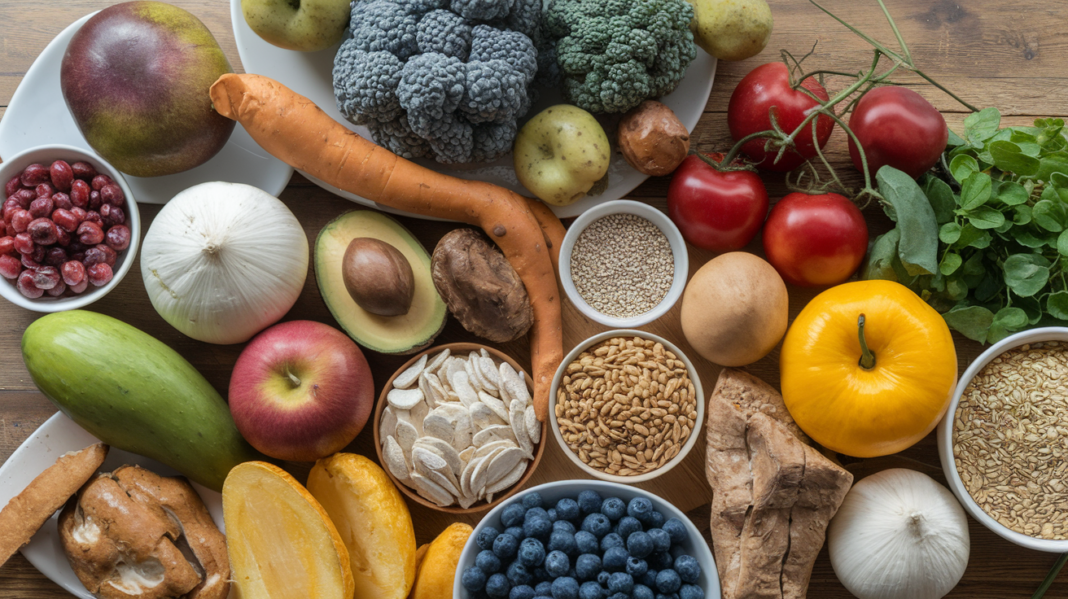

Think fiber is only about regular bowel movements? Think again.
Fiber feeds your gut bacteria (the microbes in your gut), steadies energy after meals, and helps lower cholesterol.
Yet most people get about 16 grams a day in the U.S., well below recommended targets, so easy swaps add up fast.
This guide pinpoints the best high-fiber foods—legumes, whole grains, fruits, vegetables, and seeds—explains what each does, and gives simple swaps you can use today to hit your daily target.
Comprehensive Overview of High‑Fiber Nutrition Foods

Fiber is a carbohydrate your body can’t break down. It passes through your stomach and small intestine intact, landing in the colon where gut bacteria go to work on it. That fermentation creates short-chain fatty acids like butyrate, which patch up your gut lining and dial down inflammation. You’ll see fiber split into two types. Soluble fiber (oats, chia, beans, apples, citrus) dissolves in water and forms a gel that slows sugar absorption and nudges down LDL cholesterol. Insoluble fiber (whole grains, nuts, veggies, bran) doesn’t dissolve. It adds bulk and keeps things moving through your gut.
The Academy of Nutrition and Dietetics sets targets at 25 grams daily for women under 50 and 38 grams for men. Over 50? Drop that to 21 grams and 30 grams respectively. The U.K. keeps it simple: 30 grams across the board. Most people don’t hit those numbers. Average U.S. intake sits around 16 grams, the U.K. at roughly 20. That shortfall isn’t trivial. Regular fiber intake links to lower risk of type 2 diabetes, heart disease, stroke, certain cancers, and easier weight control because you feel fuller longer.
The highest fiber foods fall into a few clusters:
- Legumes: lentils, black beans, split peas, chickpeas (12 to 16 g per cooked cup)
- Whole grains and seeds: oats, quinoa, chia, flax, whole wheat pasta (3 to 11 g per serving)
- Fruits: raspberries, avocado, pears, apples (3 to 10 g per serving)
- Vegetables: artichokes, green peas, Brussels sprouts, broccoli (2 to 10 g per serving)
Mix across these groups and you’ll close the gap pretty quickly, pulling in both soluble and insoluble benefits.
Fruits as Key Nutrition Fiber Foods

Fruit brings fiber alongside vitamins, antioxidants, and natural sugars. Convenient, portable, and it helps with hydration. Raspberries sit at the top with 8 grams per cup. A medium avocado delivers 9 to 10 grams plus healthy fats. Most fruit fiber is a blend. Apples and pears have pectin (soluble) and cellulose in the skin (insoluble). That combo slows digestion, smooths glucose absorption, and feeds beneficial bacteria in your colon.
Leave skins on whenever you can. A medium apple with skin gives you 4 to 5 grams of fiber. Peel it and you’re left with about half that. Same story with pears: 5 to 6 grams with skin, much less without. Bananas add 3 grams per medium fruit, and green or slightly underripe ones also pack resistant starch that behaves like fiber in your gut. Even coconut chips contribute 5.8 grams per cup.
| Fruit | Fiber per Serving | Notes |
|---|---|---|
| Raspberries | 8 g (1 cup) | Highest fiber berry; great on yogurt or oats |
| Avocado | 9–10 g (1 medium) | Rich in soluble fiber and healthy fats |
| Pear | 5–6 g (1 medium with skin) | Keep skin on to retain most fiber |
| Apple | 4–5 g (1 medium with skin) | Pectin in flesh, cellulose in skin |
| Kiwi | 3.4 g (1 cup) | Skin is edible and adds extra fiber |
| Banana | 3 g (1 medium) | Green bananas provide resistant starch |
Vegetables High in Dietary Fiber
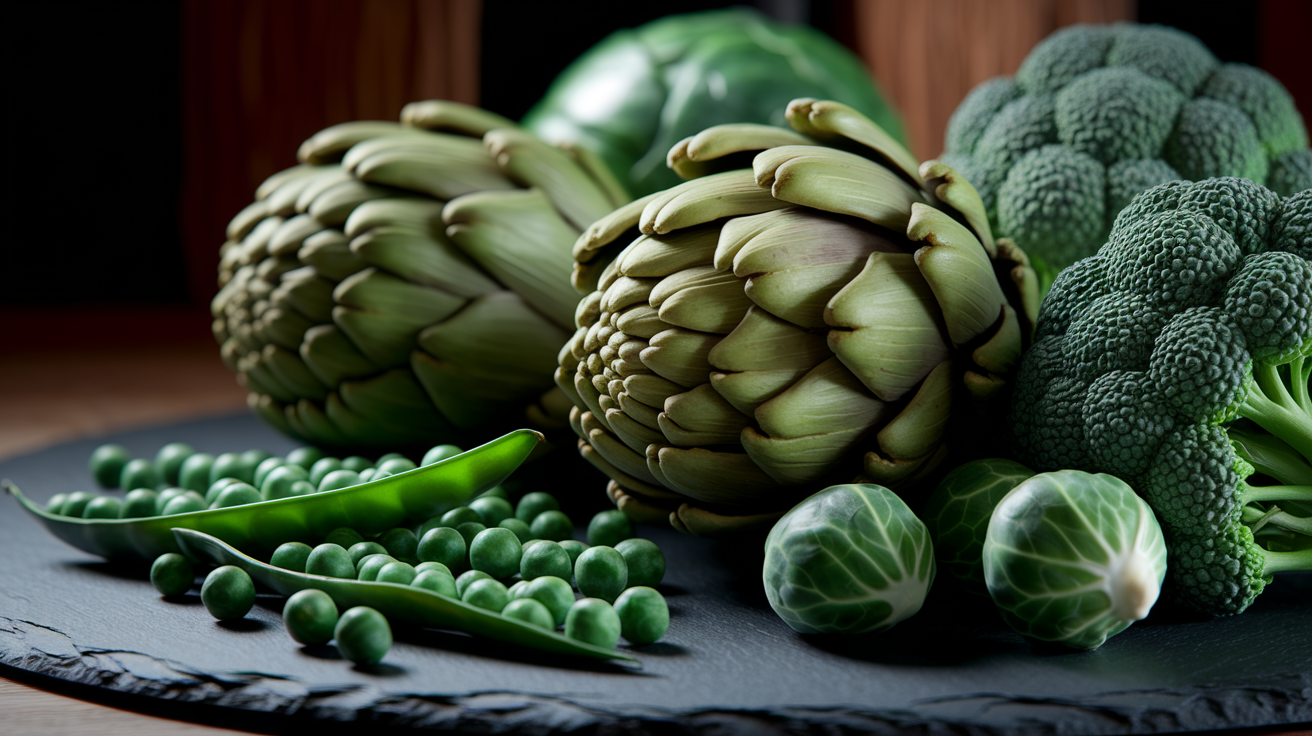
Vegetables pack fiber density without many calories, making them workhorses for satiety and gut function. Cooked artichokes lead at about 10 grams per medium artichoke. Green peas deliver 6.5 grams per cup, Brussels sprouts 4 grams per cooked cup. Broccoli gives you 5 grams per cooked cup (2.5 grams per half cup), carrots 3.6 grams per cup, sweetcorn 2.2 grams. Most of these lean insoluble. The cellulose in carrot and broccoli stalks speeds transit and adds bulk. But cruciferous vegetables like Brussels sprouts and broccoli also contain some soluble fiber that feeds gut bacteria.
How you prep them matters. Steaming or roasting vegetables with skins on (sweet potatoes, carrots, beets) keeps fiber and nutrients intact. Juicing removes the pulp and tosses most of the fiber. A cup of whole carrot sticks delivers 3.6 grams. A cup of carrot juice? Almost none. Baked sweet potato with skin gives you 3 to 4 grams per medium potato. Peel it first and you lose a third or more.
Mixing soluble and insoluble vegetables throughout the day supports multiple gut functions. The gel forming fiber in cooked artichokes and peas slows sugar absorption. The bulking fiber in raw broccoli and cauliflower keeps bowel movements regular. Simple habit: fill half your dinner plate with a mix of cooked and raw vegetables and you’ll easily add 6 to 10 grams of fiber to one meal.
Legumes and Beans as Top Nutrition Fiber Foods
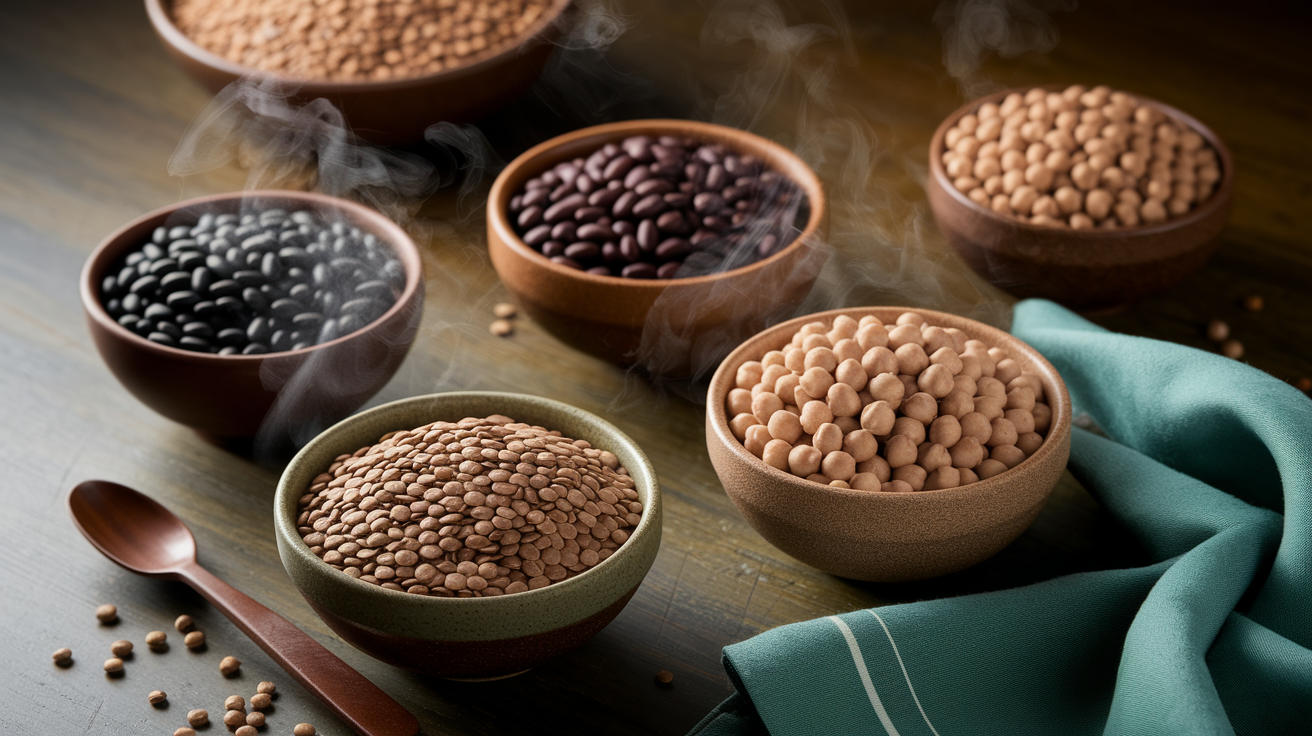
Legumes are the most concentrated whole food fiber source you can buy. Cooked lentils pack 12.6 grams per cup, black beans 12.4 grams, split peas around 16 grams, chickpeas 12.5 grams. All per cooked cup. That single serving range covers roughly half the daily target for women and a third for men. Plus they’re cheap. Dried beans and lentils run $1.50 to $3.00 per pound.
Legumes give you a blend of soluble and insoluble fiber, plus resistant starch in some varieties (especially when cooled after cooking). This trio feeds different gut bacteria, producing a mix of short-chain fatty acids that support your gut lining, moderate inflammation, and improve insulin sensitivity. Add a half cup of cooked beans to a salad or grain bowl and you’ve instantly boosted fiber by 6 to 8 grams without adding much volume to your plate.
Common high fiber legumes with fiber per cooked cup:
- Lentils: 12.6 g. Quick cooking, versatile in soups and salads.
- Black beans: 12.4 g. Staple for taco bowls, chili, dips.
- Split peas: ~16 g. Classic for thick, hearty soups.
- Chickpeas: 12.5 g. Roasted for snacks, blended into hummus.
- Kidney beans: ~15 g per cooked cup. Great in chili and grain salads.
Green or slightly underripe bananas also contain resistant starch, which behaves like fiber by resisting digestion in the small intestine and feeding beneficial bacteria downstream. Not a legume, but this starch reinforces the same gut benefits, especially if you want a portable whole food fiber source.
Whole Grains and Seeds that Boost Fiber Intake
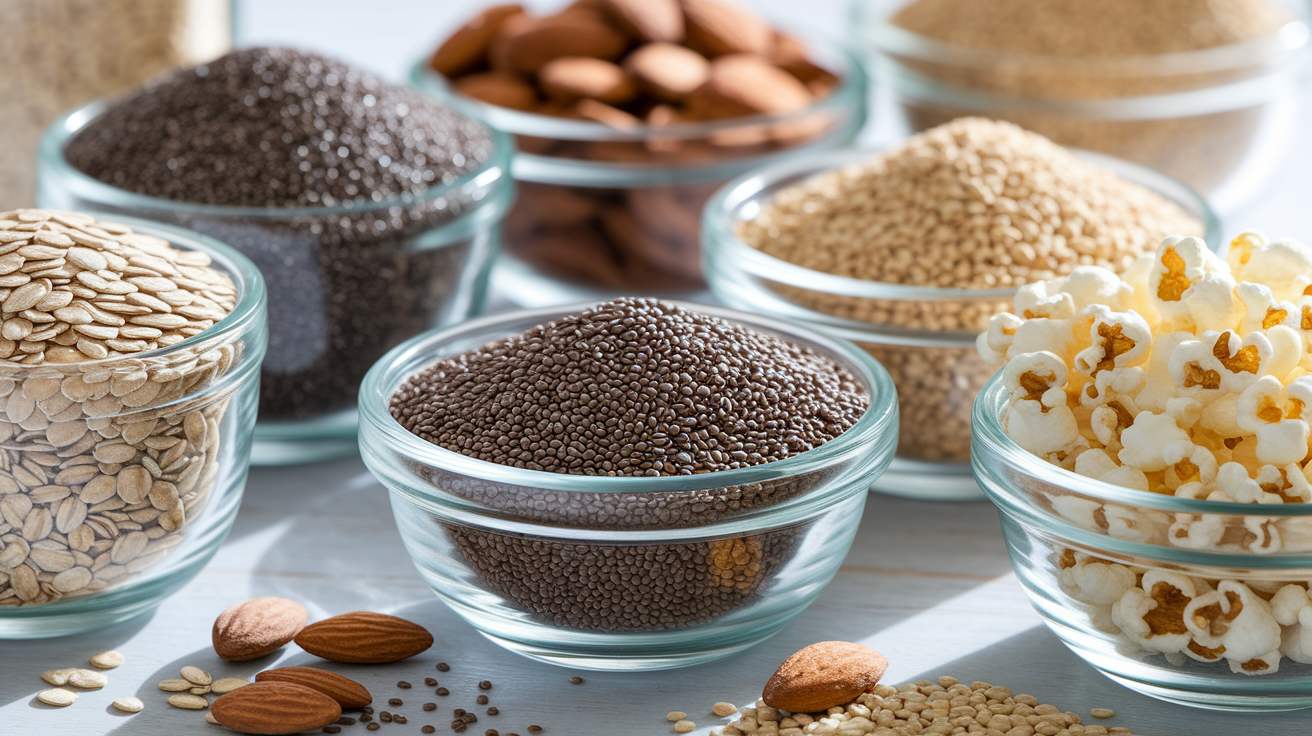
Whole grains and seeds deliver fiber alongside plant protein, healthy fats, and micronutrients that refined grains simply don’t have. Rolled oats contain about 10.4 grams of fiber per 100 grams dry (roughly a half cup dry measure), including beta glucan, a soluble fiber that lowers LDL cholesterol and slows glucose absorption. Cooked quinoa provides 5 grams per cup, barley offers 6 grams, brown rice adds 3 to 4 grams per cooked cup. Whole wheat spaghetti jumps to 6.3 grams per cup, a meaningful upgrade from white pasta’s 2 to 3 grams.
Seeds and nuts punch above their weight. Chia seeds deliver 10 to 11 grams per ounce (about two tablespoons), flaxseed provides roughly 2.5 to 3 grams per tablespoon (or 7 to 8 grams per ounce when ground), and almonds add 3 to 4 grams per ounce. Even air popped popcorn contributes 3 to 4 grams per three cup serving, making it a whole grain snack with a respectable fiber to calorie ratio, as long as you skip heavy butter and sugar.
| Food | Fiber per Serving | Notes |
|---|---|---|
| Rolled oats (dry) | 10.4 g (100 g, ~1/2 cup) | Contains soluble beta glucan |
| Chia seeds | 10–11 g (1 oz, ~2 tbsp) | Absorbs water; mix into yogurt or smoothies |
| Flaxseed (ground) | 2.5–3 g (1 tbsp) | Grind fresh for best nutrient absorption |
| Quinoa (cooked) | 5 g (1 cup) | Also provides complete plant protein |
| Barley (cooked) | 6 g (1 cup) | Rich in soluble fiber; great in soups |
| Whole wheat spaghetti | 6.3 g (1 cup cooked) | Easy swap for regular pasta |
| Almonds | 3–4 g (1 oz) | Portable snack with healthy fats |
| Air popped popcorn | 3–4 g (3 cups) | Whole grain; skip butter/sugar for best ratio |
Swapping refined grains for whole versions closes the fiber gap quickly. White rice to brown rice or farro, white bread to whole wheat (look for at least 3 grams per slice), regular pasta to whole wheat or chickpea pasta. Adding a tablespoon of chia or ground flax to morning oats or a smoothie adds 3 to 10 grams without changing the taste much.
Health Benefits of Nutrition Fiber Foods
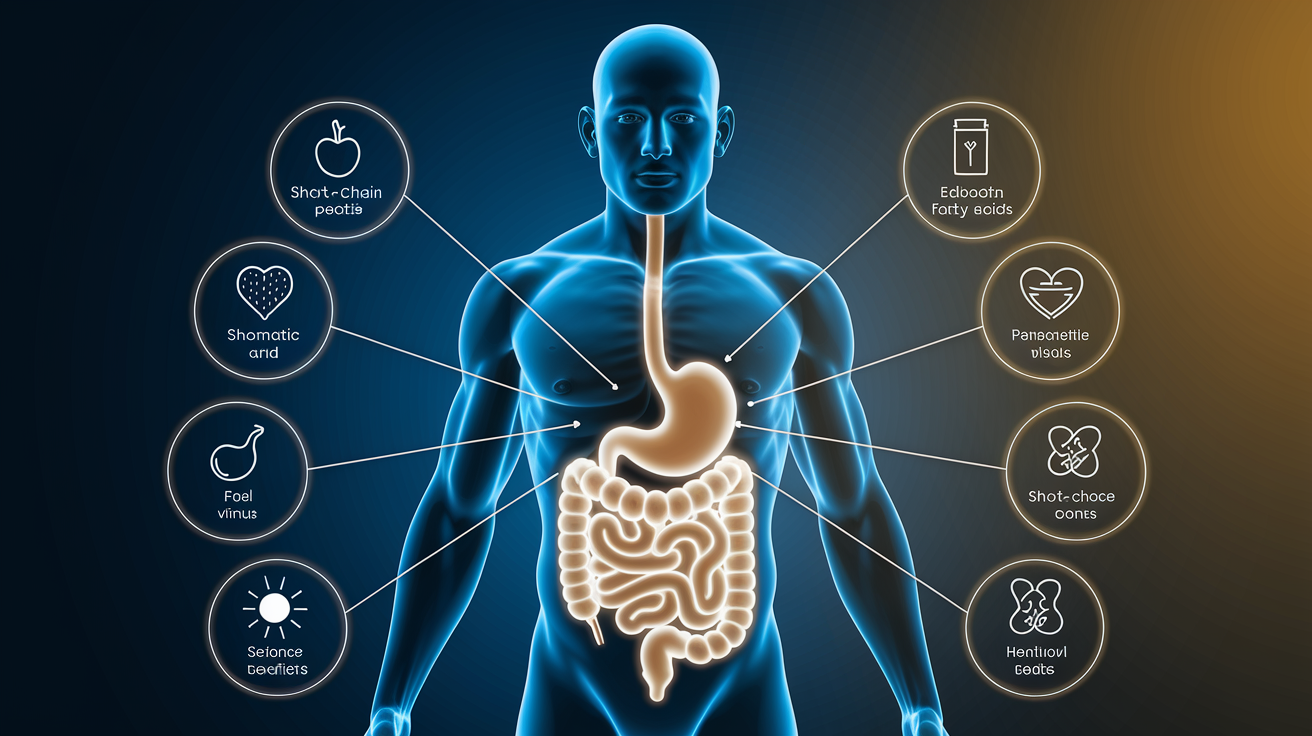
Fiber supports multiple systems in your body, starting with digestion. Insoluble fiber adds bulk to stool and speeds transit through the colon, reducing constipation and the risk of diverticulitis. Soluble fiber dissolves into a gel that slows stomach emptying, which moderates post meal blood sugar spikes and keeps you fuller longer. Both helpful for weight management and metabolic health. When gut bacteria ferment fiber, they produce short chain fatty acids (SCFAs) like butyrate, which repair the gut barrier, reduce inflammation, and may lower your risk of colorectal cancer.
Cholesterol and cardiovascular benefits show up with consistent fiber intake. Soluble fiber binds bile acids in your intestine, forcing your liver to pull cholesterol from your bloodstream to make more bile. That effectively lowers LDL cholesterol. Population studies link high fiber diets to lower rates of heart disease and stroke. Blood sugar control improves because fiber slows glucose absorption, reducing insulin demand and helping prevent type 2 diabetes over time.
Fiber’s satiety effect makes it easier to manage calories without feeling deprived. Foods high in fiber take longer to chew and digest, triggering fullness signals earlier and lasting longer between meals. This combination of slower digestion, stable blood sugar, and gut hormone signaling explains why high fiber diets often support gradual, sustainable weight loss without strict calorie counting.
Key measurable benefits of regular fiber intake:
- Bowel regularity: reduces constipation and supports daily elimination.
- Blood sugar moderation: slows glucose absorption, lowers insulin spikes.
- Cholesterol reduction: soluble fiber lowers LDL cholesterol by 5 to 10% in many studies.
- Weight management: increases satiety, reduces total calorie intake naturally.
How to Increase Fiber Intake Using Nutrition Fiber Foods

Start by adding fiber gradually over two to three weeks. Jumping from 15 grams to 35 grams overnight can trigger gas, bloating, and cramping as your gut microbes adjust to the new fuel. A sensible pace? Increase by 3 to 5 grams every few days while drinking more water. Aim for at least eight 8 ounce glasses daily. Fiber absorbs water. Without adequate hydration, you risk constipation instead of relief.
Prioritize whole foods over supplements. Whole fruits, vegetables, legumes, and grains deliver fiber along with vitamins, minerals, and phytonutrients that isolated fiber powders lack. Keep skins on washed produce whenever safe. Apple and pear skins, potato and sweet potato skins, even kiwi skin if you can handle the fuzz all boost fiber significantly. Replace refined grains with whole versions. Brown rice for white rice, whole wheat bread for white bread (check labels for at least 3 grams per slice), whole wheat or chickpea pasta for regular pasta.
Build fiber into every meal and snack. Add a tablespoon of chia or ground flax to yogurt, oatmeal, or a smoothie. That’s 10 grams right there. Toss a half cup of cooked beans or chickpeas into salads, grain bowls, or soups. Another 6 to 8 grams. Choose air popped popcorn (3 cups gives you 3 to 4 grams) over chips. Snack on a handful of almonds (1 ounce = 3 to 4 grams) or a medium pear with skin (5 to 6 grams) instead of crackers or cookies.
Practical strategies to close the fiber gap:
- Swap refined for whole grains: brown rice, farro, bulgur, whole wheat pasta, oats instead of white rice, white bread, and regular pasta.
- Add legumes to lunch or dinner: half cup serving = 6 to 8 g fiber (lentil soup, black bean tacos, chickpea salad).
- Keep skins on washed produce: apples, pears, potatoes, carrots retain most fiber in the peel.
- Mix seeds into meals: 1 tbsp chia (10 g) or ground flax (3 g) in smoothies, yogurt, or oatmeal.
- Build high fiber snacks: 3 cups popcorn (3 to 4 g), 1 oz almonds (3 to 4 g), medium avocado (9 to 10 g).
- Blend whole fruits and vegetables into smoothies: retains all fiber, unlike juicing which discards pulp.
A sample high fiber day might look like this. Breakfast of half cup dry oats, one tablespoon chia, and half cup raspberries (10 to 12 grams). Lunch of one cup lentil soup, mixed vegetable salad, and a medium apple (18 to 22 grams). Snack of one ounce almonds plus three cups air popped popcorn (6 to 7 grams). Dinner of one cup cooked quinoa, one cup cooked broccoli, and half cup chickpeas (10 to 12 grams). Total? Roughly 44 to 53 grams, well above the daily target. Adjust portions to match your personal goal of 25 to 38 grams.
Fiber Supplements and When They Are Useful

Fiber supplements can fill the gap when whole food intake consistently falls short, or when specific health conditions (like chronic constipation or high cholesterol) benefit from targeted soluble fiber. Psyllium husk is the most common supplement form. One tablespoon provides 5 to 6 grams of soluble fiber that absorbs water and forms a gel in your gut. Other options include inulin (a prebiotic fiber), methylcellulose, and wheat dextrin. Most come as powders you stir into water or capsules you swallow with plenty of liquid.
Supplements are helpful for people who struggle to meet fiber targets through food alone. Travelers, shift workers, or anyone managing a restricted diet. They’re also used short term to ease constipation or to support cholesterol management alongside medication. But supplements lack the vitamins, minerals, and phytonutrients that whole foods deliver, and some people experience more gas or bloating from isolated fiber than from fiber rich meals.
When supplements make sense:
- Persistent low intake: dietary fiber stays below 15 g/day despite meal adjustments.
- Medical need: doctor recommended for cholesterol reduction, constipation relief, or blood sugar support.
- Temporary gaps: travel, illness, or meal disruptions make whole food fiber hard to maintain.
Always take fiber supplements with at least 8 ounces of water per dose. Dry fiber without enough fluid can swell in your throat or intestine, increasing constipation or even causing a blockage in rare cases. Start with a small dose (half the label recommendation) and increase gradually, just as you would with whole foods.
Common Issues: Bloating, Low Fiber Diets, and Fiber Timing
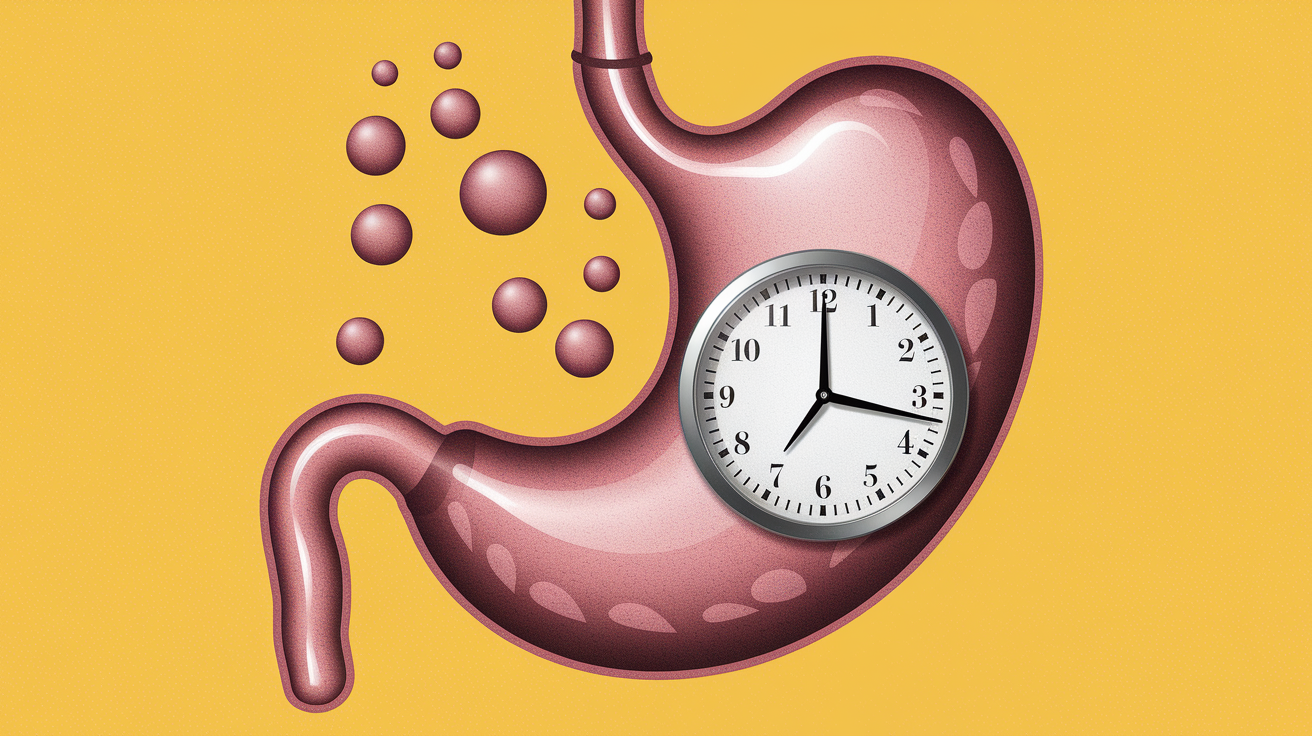
Gas and bloating are the most common complaints when fiber intake jumps too quickly. Your gut bacteria ferment fiber to produce SCFAs, and that fermentation releases gas. Normal and beneficial, but uncomfortable when it happens all at once. The fix? Increase fiber by only 3 to 5 grams every few days, drink more water, and spread fiber across meals rather than loading it into one sitting. Symptoms typically ease within a week or two as your microbiome adjusts.
Some people need to temporarily reduce fiber during acute digestive flares. Diverticulitis attacks, certain IBS subtypes, or bowel obstructions may require a low fiber or low residue diet for a few days to weeks, then a gradual reintroduction under medical guidance. If you have a diagnosed GI condition and new symptoms appear when you add fiber, check with your clinician before pushing through. Individualized advice matters more than general targets.
Timing fiber with meals can smooth blood sugar and improve satiety. Eating a high fiber food at the start of a meal (a small salad, a handful of nuts, or a piece of fruit) slows gastric emptying and blunts the glucose spike from the rest of the meal. This pattern is especially useful for people managing prediabetes or type 2 diabetes. Spreading fiber across three meals plus snacks also avoids overloading your gut at once, which reduces bloating and keeps energy steady throughout the day.
High Fiber Shopping List and Label Reading for Nutrition Fiber Foods

U.S. nutrition labels flag foods as “high fiber” when they deliver at least 5 grams per serving. That’s a useful threshold when comparing packaged products. Look at the fiber grams per serving on the Nutrition Facts panel, not just the percentage of Daily Value, since DV percentages are based on a 28 gram reference that may not match your personal target. For canned beans, a typical 15 ounce can holds about 12 to 15 grams of total fiber. Serving size is usually half a cup, so expect 6 to 8 grams per half cup. Frozen berries retain nearly all their fiber. One cup of frozen raspberries still gives you 8 grams, making them a budget friendly, shelf stable option.
Juicing strips fiber. A whole apple (4 to 5 grams) becomes apple juice with less than 1 gram once the pulp is removed. Choose whole fruits over juice, or blend smoothies from whole produce to keep the fiber intact. When buying flours and grain mixes, compare fiber per quarter cup. Dark rye flour offers 5.4 grams, almond flour 2.1 grams, and all purpose white flour less than 1 gram. Even small swaps add up over a week.
Budget conscious shoppers should prioritize dried legumes (lentils, black beans, chickpeas at $1.50 to $3.00 per pound) and bulk whole grains (oats around $0.80 to $1.50 per pound, brown rice $1 to $2 per pound). Fresh produce prices vary seasonally. Bananas run $0.50 to $0.80 per pound year round, apples $1 to $2 per pound, avocados $1 to $3 each. But frozen vegetables and berries often cost less and last longer without sacrificing fiber.
| Item | Fiber per Serving | Notes |
|---|---|---|
| Canned black beans (1/2 cup) | 6–8 g | Rinse to reduce sodium; ~12–15 g per 15 oz can |
| Frozen raspberries (1 cup) | 8 g | Fiber same as fresh; cheaper and longer shelf life |
| Whole wheat bread (1 slice) | ≥3 g | Check label; some brands offer 4–5 g per slice |
| Dark rye flour (1/4 cup) | 5.4 g | Use in baking for extra fiber |
| Air popped popcorn (3 cups) | 3–4 g | Whole grain; skip butter/sugar for best ratio |
| Vegetable juice (1 serving) | ~3 g (varies) | Look for products retaining pulp; most juices <1 g |
Final Words
Pick one swap today: add a fruit at breakfast, a vegetable at lunch, or beans to your dinner plate. This post defined soluble vs insoluble fiber, shared daily targets, and listed top fruits, vegetables, legumes, grains, seeds, and supplements.
We also covered measurable benefits, like better regularity, steadier blood sugar, and less hunger, and how to raise fiber slowly to avoid bloating, plus smart shopping tips.
Use this guide to build simple plates with nutrition fiber foods that fit your week. Small steps stack, and you’ll feel better.
FAQ
Q: What food is the highest in fiber?
A: The highest-fiber foods are legumes — split peas, lentils, and black beans (about 12–16 g per cooked cup) — plus chia and flax seeds, avocado, and raspberries.
Q: What are the best fiber foods for diabetics?
A: The best fiber foods for diabetics are soluble-fiber rich choices — oats, beans, lentils, apples, berries, and chia — because they slow glucose rises and help steady blood sugar.
Q: What is a high-fiber diet for diverticulosis?
A: A high-fiber diet for diverticulosis aims for roughly 25–38 g of fiber daily, from a mix of fruits, vegetables, whole grains, and legumes, increased gradually and paired with plenty of fluids.
Q: What fiber to eat on Wegovy?
A: On Wegovy, eat fiber-rich, easy-to-eat choices — oats, smoothies with whole fruit/veg, pureed legumes, avocado, and chia — to boost fullness while avoiding abrupt fiber jumps and staying well hydrated.