


Skip the trendy gut cleanses—they rarely help in the moment and can make diarrhea worse.
When IBS-D (the diarrhea-predominant type of irritable bowel syndrome) strikes, you need meals that calm your gut fast.
This post lays out practical, balanced meals that actually work: bland, low-fat, low-FODMAP options with soluble fiber and lean protein to slow things down and keep your energy steady.
You’ll get what to eat now, simple swaps, and plate templates you can use today to stop urgent trips and start feeling normal again.
Best Meals for Immediate IBS-D Relief (Fast Guidance)

When diarrhea hits, you need meals that calm your gut right now. Not a research project for next week.
The best meals for immediate IBS-D relief are bland, low in fat, and low-FODMAP. White rice, oatmeal, baked chicken breast, scrambled eggs. These are things your digestive system can actually process without sending you back to the bathroom.
Simple carbs like rice and potatoes give you energy without the fiber load that speeds everything up during a flare. Lean proteins (plain chicken, turkey, white fish) help your body repair itself without adding fat or spices that ramp up motility. Skip anything fried, heavily seasoned, or drowning in butter. The goal here is to rest your gut, not challenge it.
During acute symptoms, stick to cooked, soft foods. Raw vegetables, whole grains, anything with seeds or tough skins? Leave them out. A bowl of plain oatmeal with a sliced banana is going to be exponentially easier on your system than a kale salad with chickpeas. Once things settle (usually 2 to 3 days), you can slowly bring other foods back one at a time.
Here are six meal ideas that work when you need fast relief:
- Breakfast: Plain oatmeal made with water or lactose-free milk, topped with a ripe banana
- Breakfast: Scrambled eggs with white toast (gluten-free if needed) and a small portion of cooked spinach
- Lunch: Baked chicken breast with steamed white rice and well-cooked carrots
- Lunch: Grilled white fish with mashed potatoes (just a drizzle of olive oil, no butter)
- Dinner: Plain rice noodles with poached chicken and a light broth, no garlic or onion
- Dinner: Baked salmon with steamed zucchini and a small baked potato (skin removed)
Key Foods That Support Better IBS-D Management

Certain foods show up in gut-friendly meal plans over and over because they’re easy to digest and don’t provoke urgency. White rice, potatoes without skin, bananas, lean meats, eggs, lactose-free dairy. These aren’t glamorous, but they’re reliable when you need your digestive system to cooperate.
Soluble fiber foods like oats, peeled apples, and cooked carrots help form bulkier, less watery stools without speeding up gut transit. They absorb water in your intestines and slow things down just enough to reduce frequency and urgency. Adding a small portion of oatmeal or a cooked carrot side dish can make a noticeable difference in stool consistency within a few days.
Lean proteins are your foundation. Chicken breast, turkey, white fish, tofu, eggs. They give you steady energy without the fat that can trigger cramping or diarrhea. Stick to baking, poaching, or steaming. Skip the fryer and the heavy cream sauces.
Lactose-free dairy works for many people because the problematic sugar (lactose) is already broken down. You get the protein and calcium without the bathroom sprint. Hard cheeses like cheddar and Swiss are naturally low in lactose and usually safe even if you haven’t switched to lactose-free milk yet.
Foods That Commonly Trigger IBS-D (And Why They Matter)
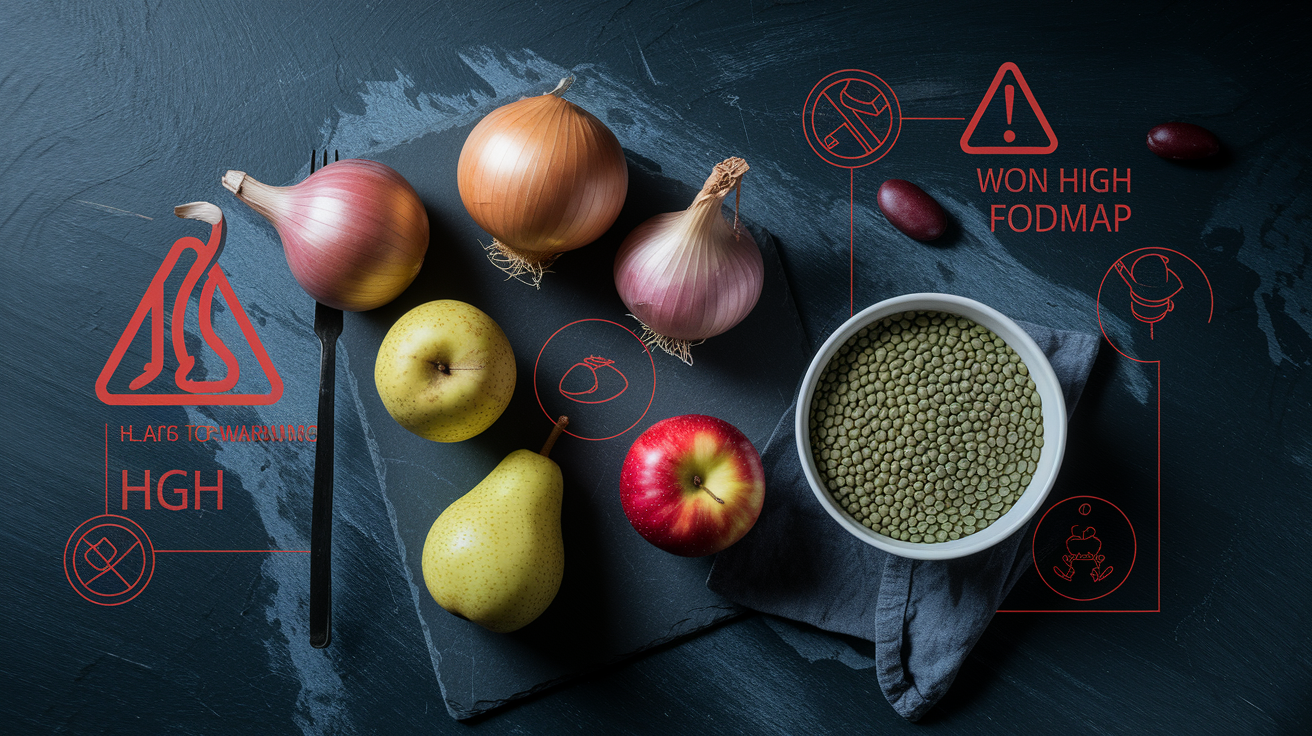
High-FODMAP foods are the biggest offenders in IBS-D flare-ups. These are short-chain carbohydrates that your small intestine can’t fully absorb, so they pull water into your bowel and get rapidly fermented by gut bacteria. The result? Bloating, gas, watery stools.
Onions, garlic, apples, pears, beans, lentils, large servings of wheat bread. All high-FODMAP. Even a small amount of garlic powder in a restaurant dish can be enough to set off symptoms.
High-fat meals speed up the gastrocolic reflex, which is the signal from your stomach to your colon that it’s time to move things along. That’s why a greasy burger or a creamy pasta can send you running within an hour. During a flare, keep fat to about one tablespoon of oil per meal and avoid fried foods, fatty cuts of meat, dishes with heavy cream or butter. Save the avocado toast for when your gut is calm.
Caffeine, alcohol, and artificial sweeteners are also common culprits. Coffee stimulates gut motility. Alcohol irritates the intestinal lining. Sugar alcohols like sorbitol and xylitol (found in sugar-free gum and candy) are basically laxatives in disguise.
If you’re managing IBS-D, limit coffee to one cup in the morning, skip the cocktails during flares, and read ingredient labels for anything ending in “-ol.”
Meal Timing and Portion Strategies for Diarrhea Control

Eating smaller meals at regular intervals keeps your digestive system from getting overwhelmed. Three moderate meals plus one or two light snacks spread across the day, around 3 to 4 hours apart. That gives your gut time to process each round of food without triggering urgency.
A typical pattern might be breakfast at 8:00, lunch at 12:00, a snack at 3:00, and dinner at 6:30.
Large meals stretch your stomach quickly and activate the gastrocolic reflex hard. That’s why you sometimes feel the need to go within minutes of finishing a big plate. But skipping meals isn’t the answer either. Long gaps can lead to overeating later and blood sugar crashes that stress your system.
Aim for meals that fit on a standard dinner plate without stacking. For most adults, that’s about 3 to 4 ounces of cooked protein (the size of your palm), half a cup to one cup of cooked rice or potatoes, and half a cup to one cup of cooked vegetables. If you’re still hungry an hour later, add a small snack like lactose-free yogurt or a banana instead of doubling your dinner portion.
Consistent, moderate portions train your gut to expect manageable workloads and reduce the chance of urgent episodes.
Smart Ingredient Swaps for IBS-D Friendly Cooking

Simple substitutions can transform a trigger-heavy recipe into something your gut can handle. You don’t need to reinvent your entire pantry. Just swap out the few ingredients that consistently cause problems. Most of these changes are one-to-one replacements that don’t change cooking times or techniques.
- Use garlic-infused olive oil instead of fresh garlic or garlic powder. The flavor transfers to the oil, but the FODMAPs stay in the solids. Strain out any garlic pieces before using.
- Choose lactose-free milk, yogurt, or cottage cheese in place of regular dairy. They taste nearly identical and work in smoothies, oatmeal, and baking.
- Swap regular pasta for gluten-free rice or corn pasta, or use rice noodles. These are naturally low-FODMAP and cook just as quickly.
- Replace onions with the green tops of scallions or fresh chives. You get the mild onion flavor without the FODMAP punch.
- Use pure maple syrup or a small amount of table sugar instead of honey or agave. Honey is high-FODMAP, and agave is packed with fructose that can trigger diarrhea.
Understanding Fiber in IBS-D: Soluble vs. Insoluble

Not all fiber is created equal when you’re managing diarrhea.
Soluble fiber dissolves in water and forms a gel-like substance in your gut, which thickens stool and slows down transit time. That’s exactly what you want in IBS-D. Bulkier, less watery stools and fewer urgent trips.
Insoluble fiber doesn’t dissolve and can act like a broom sweeping through your intestines. That’s helpful if you’re constipated, but it often makes diarrhea worse.
Foods high in soluble fiber include oats, psyllium husk, chia seeds (in small amounts), peeled apples or applesauce, cooked carrots, and potatoes without skin. Start with small portions. About half a cup of oatmeal or one cooked carrot. Increase slowly over a few weeks. If you jump straight to a high-fiber diet, you’ll likely trigger more bloating and loose stools.
Target around 10 to 20 grams of soluble fiber per day, added gradually in 3 to 5 gram increments every few days.
Insoluble fiber sources like raw vegetables, wheat bran, popcorn, and fruit skins are fine in very small amounts once your symptoms are stable. But avoid them during flares.
| Fiber Type | Examples | Impact on IBS-D |
|---|---|---|
| Soluble | Oats, psyllium, cooked carrots, peeled apples, potatoes (no skin) | Thickens stool, slows transit, reduces diarrhea frequency |
| Insoluble | Wheat bran, raw vegetables, fruit skins, popcorn, nuts | Speeds transit, increases stool volume, can worsen urgency |
| Mixed (both types) | Whole grains, beans, lentils, some fruits with skin | Variable, often triggers symptoms during flares; test carefully |
Final Words
Start with simple, low-fat, low-FODMAP meals like oatmeal, rice bowls, or baked chicken to stop flare-ups fast. Eat smaller, frequent portions and swap problem ingredients (lactose-free milk, garlic-infused oil).
Stick to gentle core foods—rice, bananas, lean protein—avoid high-FODMAP triggers and high-fat meals. Focus on soluble fiber and regular meal timing to reduce urgency.
These tips help you build balanced meals for IBS-D diarrhea management that actually work. You’re closer to calmer days.
FAQ
Q: What to eat to calm IBS diarrhea?
A: To calm IBS diarrhea, eat low-FODMAP, low-fat bland meals with soluble-fiber foods like white rice, bananas, oatmeal, and lean proteins; avoid high-fat, spicy, and high-FODMAP triggers.
Q: Does Metamucil help with IBS D?
A: Metamucil can help IBS-D because psyllium (soluble fiber) firms stool and reduces urgency; start with a small dose, drink plenty of water, and watch for gas or bloating.
Q: Are potatoes good for IBS diarrhea?
A: Potatoes can be good for IBS diarrhea when plain and peeled; white or russet potatoes are low-residue and low-FODMAP in normal portions—bake or boil, avoid butter and rich toppings.
Q: Is honey good for IBS?
A: Honey is often not good for IBS because it’s high in fructose (a FODMAP) and can trigger diarrhea; prefer maple syrup or small amounts of glucose-based sweeteners instead.