


Think bland food is the only way to stop bloating?
What if you could eat meals that actually soothe your stomach and still taste like food?
Low-FODMAP (low in fermentable carbs) balanced meals do that.
They use portion-tested combos of protein, carb, fat, and safe produce so you get steady energy, less bloating, and real flavor.
This post gives quick, practical meal ideas—breakfast, lunch, dinner, and snacks—with exact portions so you don’t have to guess.
Read on for low-FODMAP balanced meal ideas for sensitive digestion that nourish and soothe.
Immediate Low-FODMAP Balanced Meal Ideas for Sensitive Digestion

When bloating shows up mid-afternoon or your stomach feels tight by lunch, you need meals that work now. Not after an hour of scrolling recipes you’ll never make.
Low-FODMAP balanced meals are built from portion-tested ingredients that give your gut a break while keeping you full and steady. These aren’t guesswork plates. They’re precise combinations of protein, carbs, fats, and produce at serving sizes researchers and dietitians have actually tested in real stomachs.
Every meal here uses specific FODMAP-safe portions, so you’re not left wondering if “a handful” is too much or if that extra spoonful of chickpeas will send you backward. Think grilled chicken with ¾ cup broccoli heads and quinoa. Or salmon with ⅓ cup zucchini and rice. Real food that tastes like dinner, not a science experiment.
You’ll find options for morning scrambles, midday salads, and evening stir-fries that skip the onion and garlic drama but never skip flavor. Each idea stabilizes energy, reduces flare-ups, and makes eating feel simple again.
Ready-to-Use Low-FODMAP Meal Ideas:
- Breakfast: 3 scrambled eggs with ⅓ cup sautéed zucchini, 1 slice gluten-free toast, and ⅛ medium avocado
- Breakfast: ½ cup oats with lactose-free milk, 5 medium strawberries, and 1 tablespoon peanut butter
- Lunch: Grilled chicken breast with mixed greens, ¾ cup cantaloupe, 40 grams aged cheddar, and 2 tablespoons olive oil dressing
- Lunch: Canned tuna (drained) with ½ cup cooked quinoa, 15 green beans, 3 cherry tomatoes, and gluten-free crackers
- Dinner: Baked salmon with ½ cup roasted sweet potato, ½ cup fresh pineapple, and steamed bok choy
- Dinner: Stir-fried shrimp with ¾ cup broccoli heads, 5 snow peas, and 1 cup cooked rice with soy sauce and fresh ginger
Core Low-FODMAP Meal-Building and Portion Logic
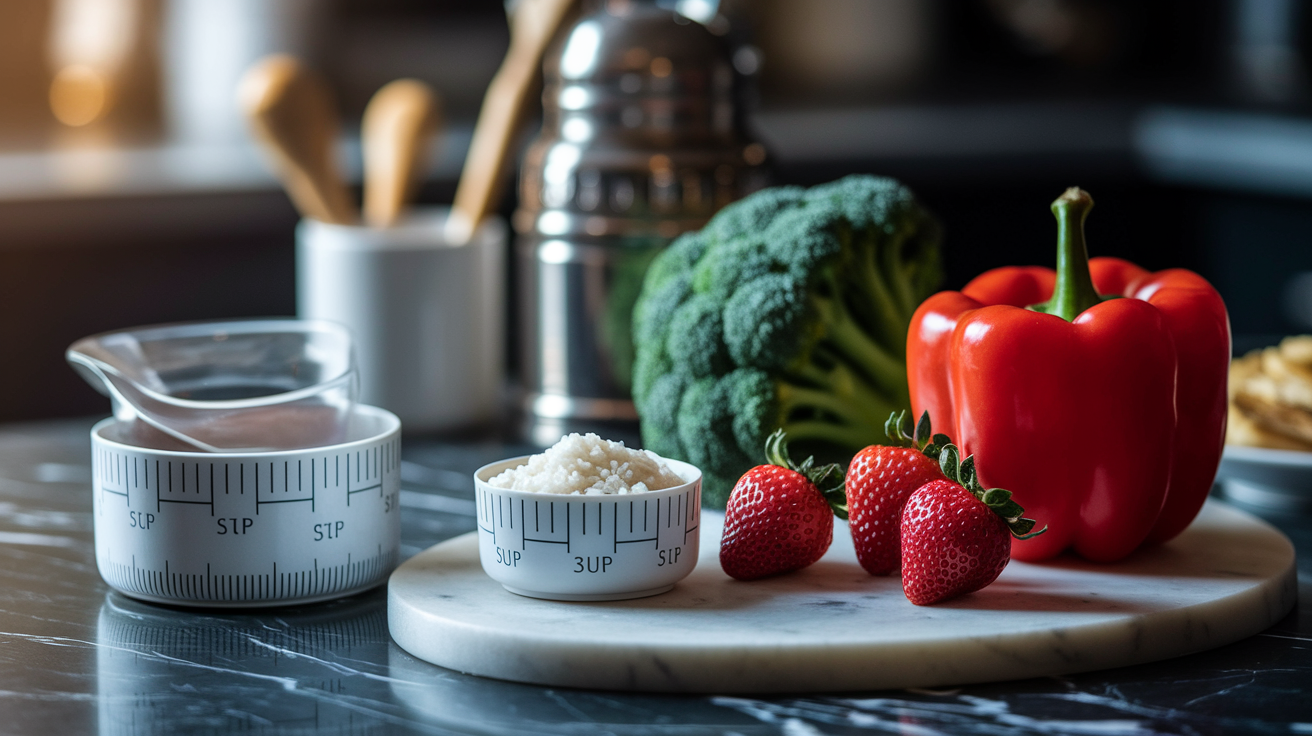
Building a low-FODMAP plate isn’t about eliminating everything enjoyable. It’s about hitting safe serving sizes so fermentable carbs don’t pile up and trigger symptoms.
Proteins are your easiest win: unbreaded chicken, salmon, beef, pork, turkey, shrimp, and 1 cup firm tofu are all unrestricted. Canned lentils and canned drained chickpeas work at ¼ cup per meal. Lactose-free dairy counts as protein too. Lactose-free Greek yogurt, lactose-free cottage cheese, and hard cheeses like 40 grams aged cheddar or 3 tablespoons feta are safe bets.
Carbohydrates center on gluten-free grains: rice, quinoa, gluten-free bread, wraps, and pasta made from rice or corn. A typical grain portion is ½ to 1 cup cooked, depending on hunger and activity. Vegetables are portion-sensitive. ½ cup green bell pepper is safe, but only ⅓ cup red bell pepper. Leafy greens like spinach, romaine, and arugula are unlimited. Fruits follow strict limits: 5 medium strawberries, ½ cup fresh pineapple, ⅓ cup raspberries, unripe bananas, and ¾ cup cantaloupe. Safe fats include olive oil, garlic-infused olive oil (the garlic flavor transfers without the FODMAPs), butter, and small portions of nuts like walnuts or sunflower seeds.
The biggest mistake is FODMAP stacking. Eating multiple low-FODMAP foods in one sitting that cumulatively exceed your gut’s threshold. Even if each food is “safe” individually, the combined fermentable load can still cause bloating, gas, or cramping. That’s why exact portions matter more than just knowing the food is “allowed.”
Universal Portion-and-Stacking Rules:
- Measure vegetable and fruit portions every time until you know what ⅓ cup or 15 green beans looks like on your plate
- Limit avocado to ⅛ medium per meal. It’s easy to overdo
- Count individual items when guidelines specify: 5 snow peas, 3 cherry tomatoes, 5 medium strawberries
- Don’t combine multiple borderline portions in one meal (example: ⅓ cup raspberries + ⅓ cup zucchini + ¼ cup chickpeas might stack too high for some people)
- Use the Monash FODMAP app to verify serving sizes before trying new foods. They retest regularly and update limits
- Watch for hidden FODMAPs in sauces, marinades, and processed foods. Spring onion green tips are safe, but white parts aren’t
Low-FODMAP Breakfast Ideas for Sensitive Digestion
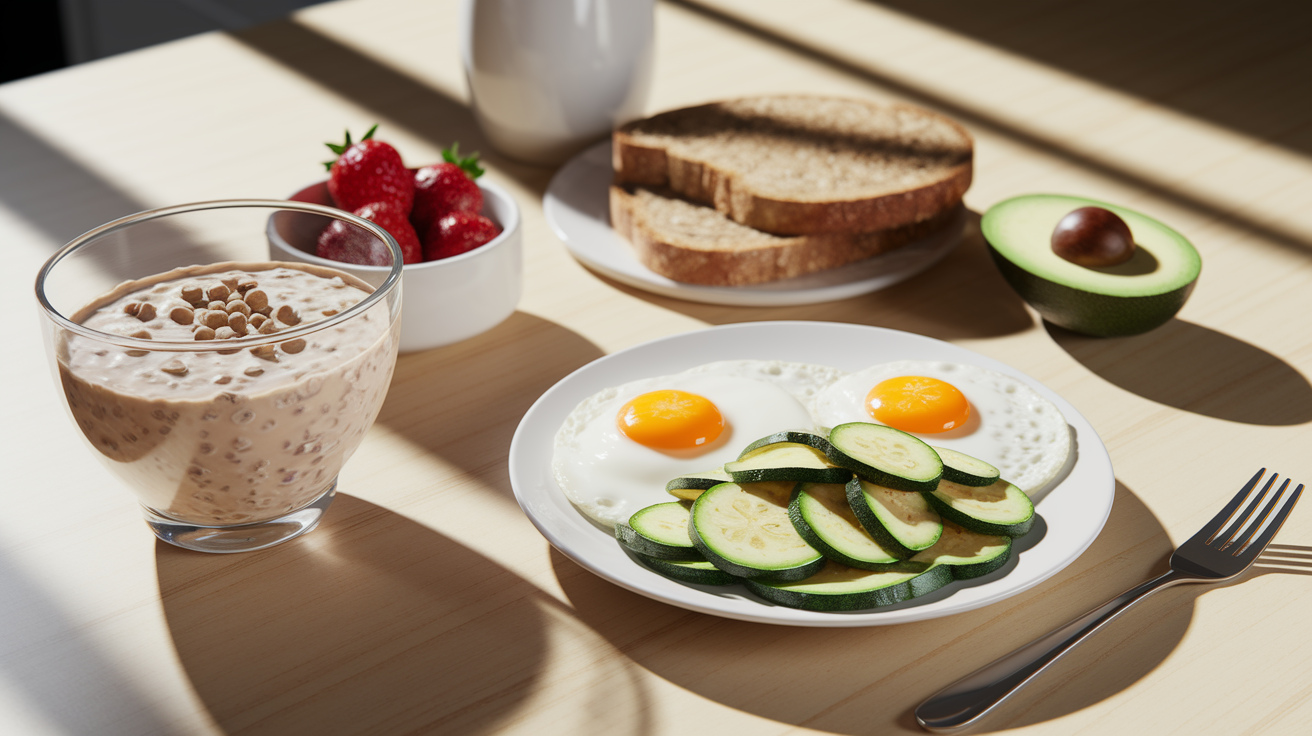
Mornings with IBS or sensitive digestion don’t have to mean plain rice cakes and fear.
Low-FODMAP breakfast ideas start with safe bases. Oats at ½ cup, eggs without restriction, lactose-free yogurt, gluten-free toast, and unripe bananas. And build from there with small portions of berries, nut butters, and chia seeds. The goal is steady energy without the mid-morning crash or bloat that makes your waistband tight by 10 a.m.
Overnight oats work if you stick to ½ cup rolled oats, lactose-free milk, 1 tablespoon chia seeds, and 5 medium strawberries or ½ cup fresh pineapple. Egg-based breakfasts are even simpler: scramble 3 eggs with ⅓ cup sautéed zucchini and green spring onion tips, serve with a slice of gluten-free toast and ⅛ avocado. Greek yogurt bowls layer lactose-free yogurt with ⅓ cup raspberries, a handful of walnuts, and a drizzle of maple syrup.
Breakfast Recipe Concepts:
- Gluten-free waffles topped with ½ cup fresh pineapple, 1 tablespoon almond butter, and a sprinkle of chia seeds
- Smoothie bowl: lactose-free Greek yogurt blended with spinach, ½ unripe banana, 5 medium strawberries, and ice, topped with gluten-free granola
- Rice porridge cooked with lactose-free milk, cinnamon, and 5 medium strawberries, finished with 1 tablespoon peanut butter
- 3-egg omelet with 15 green beans, 40 grams aged cheddar, and fresh herbs, served with ½ cup cooked quinoa on the side
Low-FODMAP Lunch Recipe Frameworks for Sensitive Digestion

Lunch is where meal prep either saves you or leaves you scrambling through a drive-through menu trying to guess what won’t wreck your afternoon.
Low-FODMAP lunch recipes work best when you build them as templates. Pick your protein, pick your carb, pick your safe vegetables and fat, then rotate combinations all week. That’s how you avoid decision fatigue and keep portions accurate without pulling out measuring cups every single day.
Start with a base: cooked rice, cooked quinoa, gluten-free wrap, or mixed greens. Add a palm-sized portion of protein. Grilled chicken, canned drained tuna, 1 cup firm tofu, turkey slices, shrimp, or ¼ cup canned drained chickpeas. Layer in vegetables at safe portions: ¾ cup broccoli heads, 15 green beans, ½ cup edamame, lettuce (unlimited), ½ cup green bell pepper, or 3 cherry tomatoes. Finish with fat and flavor: 2 tablespoons olive oil, soy sauce, fresh ginger, or 40 grams aged cheddar.
Lunch-Assembly Templates:
- Mason-jar salad: romaine base, grilled chicken, ¾ cup cantaloupe, 3 tablespoons feta, sunflower seeds, olive oil dressing at the bottom
- Rice bowl: 1 cup cooked rice, stir-fried tofu (1 cup), ½ cup edamame, sautéed bok choy, soy sauce with fresh ginger
- Gluten-free wrap: turkey slices, ½ cup green bell pepper, shredded carrots, 40 grams cheddar, mustard
- Tuna salad: canned drained tuna mixed with lactose-free Greek yogurt, served over mixed greens with ⅓ cup raspberries and gluten-free crackers
- Pasta salad: gluten-free pasta, grilled shrimp, 15 green beans, 3 cherry tomatoes, olive oil, fresh basil
Dinner-Friendly Low-FODMAP Meal Templates
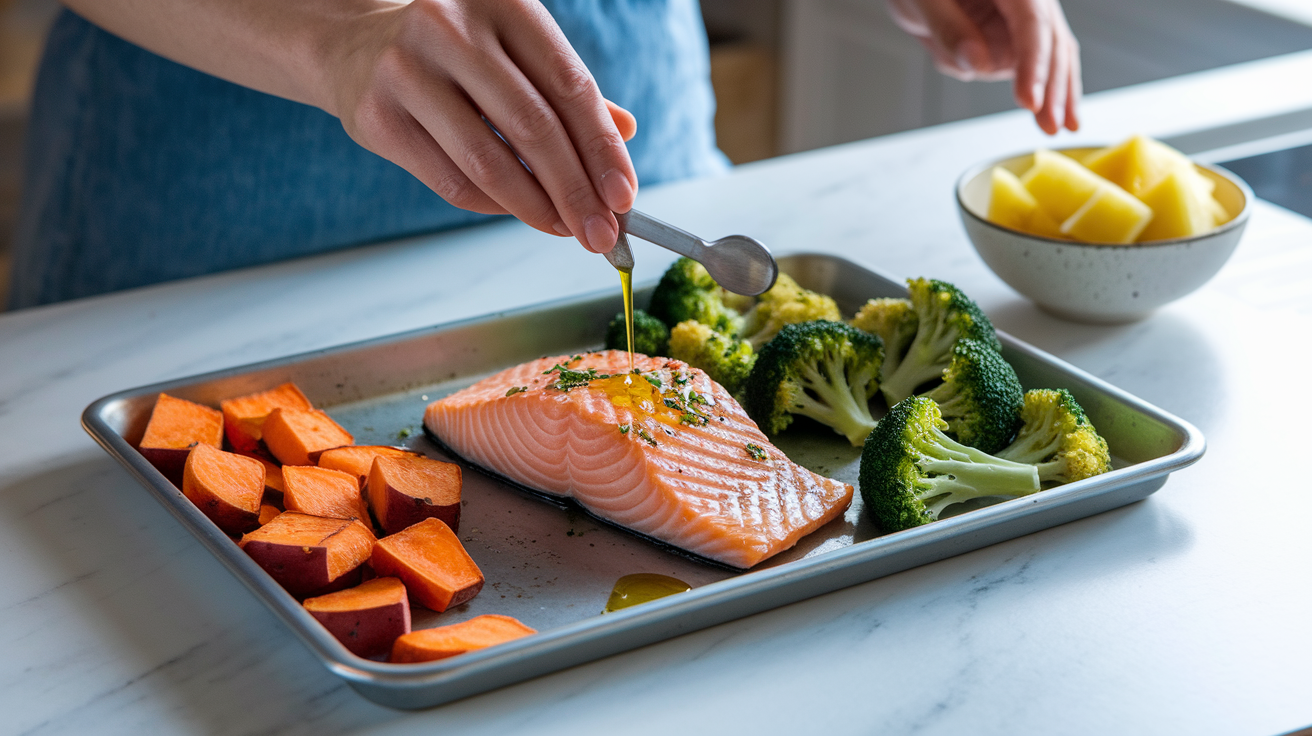
Dinner is your chance to reset after a long day, and low-FODMAP dinner options can still feel like real, satisfying food. Not a sad pile of plain chicken and white rice.
The key is using cooking methods that build flavor without onion or garlic: sear proteins hard to get a crust, roast vegetables to concentrate sweetness, and lean on ginger, soy sauce, fresh herbs, and garlic-infused olive oil to make every bite worth eating. One-pot and sheet-pan meals work especially well because everything cooks together and cleanup is fast.
Sheet-pan dinners are your simplest move. Toss salmon or chicken with ½ cup sweet potato chunks, ¾ cup broccoli heads, and olive oil, roast at 400°F for 25 minutes. Stir-fries cook in under 15 minutes: sauté shrimp or beef with ½ cup green bell pepper, 5 snow peas, ⅓ cup zucchini, soy sauce, and minced ginger, serve over 1 cup cooked rice. Slow-cooker meals like turkey chili with canned pumpkin, tomatoes, and ¼ cup canned drained chickpeas simmer all day and portion easily into containers for the week.
Build your dinner plate with one protein, one grain or starchy vegetable, one or two non-starchy vegetables at safe portions, and a fat source. Keep it simple enough to repeat twice a week without feeling like you’re eating the same thing.
Dinner Templates:
- Grilled chicken breast, 1 cup cooked quinoa, steamed bok choy, and ½ cup fresh pineapple on the side
- Pan-seared salmon with ½ cup roasted sweet potato, 15 green beans, and garlic-infused olive oil drizzled on top
- Stir-fried beef with ¾ cup broccoli heads, 5 snow peas, ⅓ cup red bell pepper, fresh ginger, soy sauce, over 1 cup rice
- Baked cod with mashed ½ cup sweet potato, sautéed spinach, and 3 cherry tomatoes roasted with olive oil
- Turkey meatballs (no breadcrumbs or onion) over gluten-free pasta, marinara made from canned tomatoes and fresh basil, side of mixed greens
Low-FODMAP Snacks for Sensitive Digestion and Stable Energy

Snacks on a low-FODMAP plan aren’t just filler. They’re your insurance against energy crashes and the temptation to grab something that’ll wreck your stomach by 4 p.m.
Low-FODMAP snacks for travel and work need to be portable, need to hold up in a bag or desk drawer, and need to deliver protein or fat so you stay steady instead of spiking and crashing. Think two-component combos: a protein plus a carb, or a fat plus a small fruit portion.
Hardboiled eggs, lactose-free yogurt, 2 ounces deli turkey, 40 grams aged cheddar, and 1 tablespoon peanut butter are all grab-and-go proteins. Pair them with gluten-free crackers, rice cakes, 5 medium strawberries, ⅓ cup raspberries, or a handful of walnuts. If you’re out for hours, pack a small insulated bag with an ice pack and bring a cheese stick, ⅓ cup raspberries, and gluten-free pretzels.
Snack Examples:
- 2 ounces Applegate roasted turkey + 40 grams aged cheddar + ⅓ cup raspberries + handful of rice crackers
- 1 tablespoon peanut butter + gluten-free pretzels + 2 hardboiled eggs + 5 medium strawberries
- Lactose-free yogurt + sliced cucumbers with rice vinegar + 1 small orange (a few slices)
- Handful of walnuts + ½ unripe banana + 1 slice gluten-free toast with butter
Low-FODMAP Grocery Planning for Sensitive Digestion

Your first low-FODMAP grocery trip will take longer than usual. Expect it.
You’ll be reading every label, checking app serving sizes, and learning which brands hide onion powder in places you’d never expect. But after two or three trips, you’ll know your go-to products, and shopping will speed up. The goal is to build a rotating pantry of safe staples so you always have the building blocks for a balanced plate without last-minute guesswork.
Start by stocking proteins that need zero label-reading: unbreaded chicken breasts, salmon fillets, ground turkey, beef, pork chops, shrimp, eggs, and canned tuna. Add lactose-free dairy. Milk, Greek yogurt, cottage cheese. And hard cheeses like aged cheddar and parmesan. For carbs, grab rice (white, brown, jasmine), quinoa, gluten-free bread, gluten-free pasta, corn tortillas, and rice cakes. Frozen vegetables are just as nutritious as fresh and last longer. Stock broccoli heads, green beans, spinach, bok choy, and bell peppers. Pantry condiments matter: garlic-infused olive oil, soy sauce, miso paste, and fresh ginger give you flavor without FODMAPs.
Essential Pantry Staples:
- Proteins: eggs, canned tuna, chicken breasts, salmon, firm tofu, lactose-free Greek yogurt, aged cheddar (40g portions)
- Grains: white rice, quinoa, gluten-free bread (Schär or Canyon Bakehouse), gluten-free pasta, corn tortillas
- Vegetables: frozen broccoli heads, frozen green beans, fresh spinach, bok choy, bell peppers, zucchini
- Fruits: unripe bananas, strawberries, blueberries, fresh pineapple, cantaloupe, kiwi
- Fats: olive oil, garlic-infused olive oil, butter, peanut butter (1 tbsp portions), sunflower seeds, walnuts
- Condiments: soy sauce, miso paste, fresh ginger, rice vinegar, maple syrup
- Snacks: gluten-free crackers, rice cakes, lactose-free cottage cheese, hardboiled eggs
Low-FODMAP Meal Prep Strategies for Digestive Comfort

Meal prep on a low-FODMAP plan isn’t about cooking once and eating the same thing for seven days.
It’s about batching components so you can mix and match all week without measuring portions or second-guessing ingredients every single meal. Cook a big batch of rice or quinoa once, roast three sheet pans of vegetables at safe portions, grill enough chicken for four lunches, and portion everything into individual containers. That way, Monday’s lunch might be chicken, rice, and broccoli, while Wednesday’s is the same chicken over greens with quinoa and bell peppers.
Batch cooking works best with sheet pans, slow cookers, and one-pot meals. Roast salmon, sweet potato chunks, and broccoli heads together on one pan. Use a crockpot to cook chicken breasts with salsa and 1 tablespoon olive oil. Shred it at the end and use it in wraps, bowls, and salads all week. Soups freeze beautifully: make a big pot of turkey pumpkin chili or vegetable soup with safe portions of zucchini, carrots, and tomatoes, then freeze half in individual containers for later. Always prep vegetables in advance. Wash lettuce, chop bell peppers, measure out 15 green beans per container so assembly takes two minutes.
Most prepared low-FODMAP meals keep in the fridge for 3 to 4 days. If you’re prepping for a full week, freeze half. Use mason jars for salads. Layer dressing at the bottom, then sturdy vegetables like bell peppers and cucumbers, then protein, then greens on top. When you’re ready to eat, shake it up. Use 3-section containers for grain bowls so protein, carbs, and vegetables stay separate until you reheat.
Best Cooking Methods for Low-FODMAP Digestion
Grilling, roasting, steaming, and pressure-cooking are your best friends because they build flavor without adding hidden FODMAPs from sauces, breadcrumbs, or marinades.
Grilling gives you a char that mimics the depth onion and garlic usually provide. Sear chicken thighs, salmon fillets, or steak hard on both sides, then finish over lower heat. Roasting vegetables at high heat (400°F or higher) caramelizes natural sugars and intensifies flavor: toss broccoli heads, bell peppers, or sweet potato chunks with olive oil and roast for 20 to 25 minutes. Steaming is the gentlest option for sensitive digestion. Steam bok choy, green beans, or zucchini, then toss with garlic-infused olive oil and fresh herbs. Pressure-cooking (Instant Pot) cuts cooking time in half and makes tough proteins like beef or pork chops tender without drying them out. Cook chicken breasts with safe broth and shred for multiple uses.
Final Words
Grab one ready meal from the quick list, note the portion-tested sizes (like 15 green beans, ½ cup sweet potato, ⅛ avocado), and try it at your next meal.
Use the portion logic and stacking rules to build breakfasts, lunches, dinners, snacks, and a simple grocery list that fits your week.
These low-FODMAP balanced meal ideas for sensitive digestion are meant to be fast, practical, and kind to your gut, so try one today and tweak what feels best. You’re on the right track.
FAQ
Q: What are some quick low-FODMAP meal ideas I can make today?
A: Quick low-FODMAP meal ideas you can make today include scrambled eggs with spinach and lactose-free cheese, grilled chicken with ¾ cup broccoli heads and ½ cup rice, or salmon with roasted zucchini (⅓ cup) and quinoa using tested portion sizes.
Q: How do I build a balanced low-FODMAP plate without triggering symptoms?
A: You build a balanced low-FODMAP plate without triggering symptoms by choosing a palm-sized protein like chicken or tofu (1 cup), adding ½–1 cup safe grains like rice, including portioned vegetables like 15 green beans, and using tested serving sizes to avoid FODMAP stacking.
Q: What breakfast options work for people with sensitive digestion on a low-FODMAP diet?
A: Breakfast options that work for people with sensitive digestion on a low-FODMAP diet include oats (½ cup) with lactose-free yogurt and berries, scrambled eggs with green onion tips, or chia pudding with ½ cup pineapple using Monash-tested portions.
Q: Can I eat salads on a low-FODMAP diet without bloating?
A: You can eat salads on a low-FODMAP diet without bloating by using lettuce as a free base, adding portioned vegetables like ½ cup green bell peppers, including protein like tuna or chicken, and keeping higher-FODMAP items like avocado to ⅛ medium.
Q: What are safe dinner proteins for low-FODMAP eating?
A: Safe dinner proteins for low-FODMAP eating include chicken, salmon, shrimp, beef, turkey, firm tofu (1 cup), and plain eggs, prepared without onion or garlic marinades and paired with tested vegetable portions like ¾ cup broccoli heads or 15 green beans.
Q: Which fruits can I eat on a low-FODMAP diet in safe portions?
A: Fruits you can eat on a low-FODMAP diet in safe portions include 5 medium strawberries, ½ cup pineapple, ⅓ cup raspberries, one kiwi, and unripe banana, following Monash-tested serving sizes to prevent symptom flare-ups from fructose or polyol overload.
Q: How much rice or quinoa can I eat per meal on a low-FODMAP diet?
A: You can eat ½–1 cup of cooked rice or quinoa per meal on a low-FODMAP diet, as both are naturally low-FODMAP in typical portions and provide stable energy without triggering bloating or gas in most people with sensitive digestion.
Q: What snacks can I pack for travel on a low-FODMAP diet?
A: Snacks you can pack for travel on a low-FODMAP diet include 2 oz turkey with a cheese stick and raspberries, hardboiled eggs, 1 tbsp peanut butter with gluten-free pretzels, or lactose-free yogurt, all staying within tested portion limits for portability.
Q: What should I buy at the grocery store for a low-FODMAP pantry?
A: You should buy at the grocery store for a low-FODMAP pantry items like plain chicken and salmon, rice and quinoa, lactose-free dairy, frozen green beans and zucchini, berries, garlic-infused oil, gluten-free oats, and soy sauce for easy meal assembly.
Q: How do I meal prep low-FODMAP dinners for the week?
A: You meal prep low-FODMAP dinners for the week by batch-cooking proteins like grilled chicken or salmon, portioning cooked rice and safe vegetables into containers, storing meals for 3–4 days in the fridge, and freezing extras to avoid hidden FODMAPs from reheating mistakes.
Q: What vegetables are safest in larger portions on a low-FODMAP diet?
A: Vegetables that are safest in larger portions on a low-FODMAP diet include lettuce (unlimited), cucumbers, and bok choy, while you should carefully portion broccoli heads (¾ cup), zucchini (⅓ cup), bell peppers (½ cup green, ⅓ cup red), and carrots to avoid stacking FODMAPs.
Q: Can I eat cheese on a low-FODMAP diet?
A: You can eat cheese on a low-FODMAP diet by choosing hard cheeses like cheddar (40g), feta (3 tbsp), parmesan, or Swiss, which are naturally low in lactose, and avoiding soft cheeses like ricotta or cream cheese that contain higher lactose levels.