


Think chugging a giant bottle of water after your workout will fix post-exercise bloating? It might be making it worse.
Bloating after training is usually about fluid and electrolyte balance, not your last snack.
Electrolytes (minerals like sodium and potassium) help fluids move where they should. If you get the wrong mix you’ll end up tight, gassy, and slow to recover.
This article shows simple, practical hydration moves, what to drink, when, and how much, so you stop feeling puffy and start recovering faster.
Why Hydration Makes or Breaks Your Post-Workout Gut
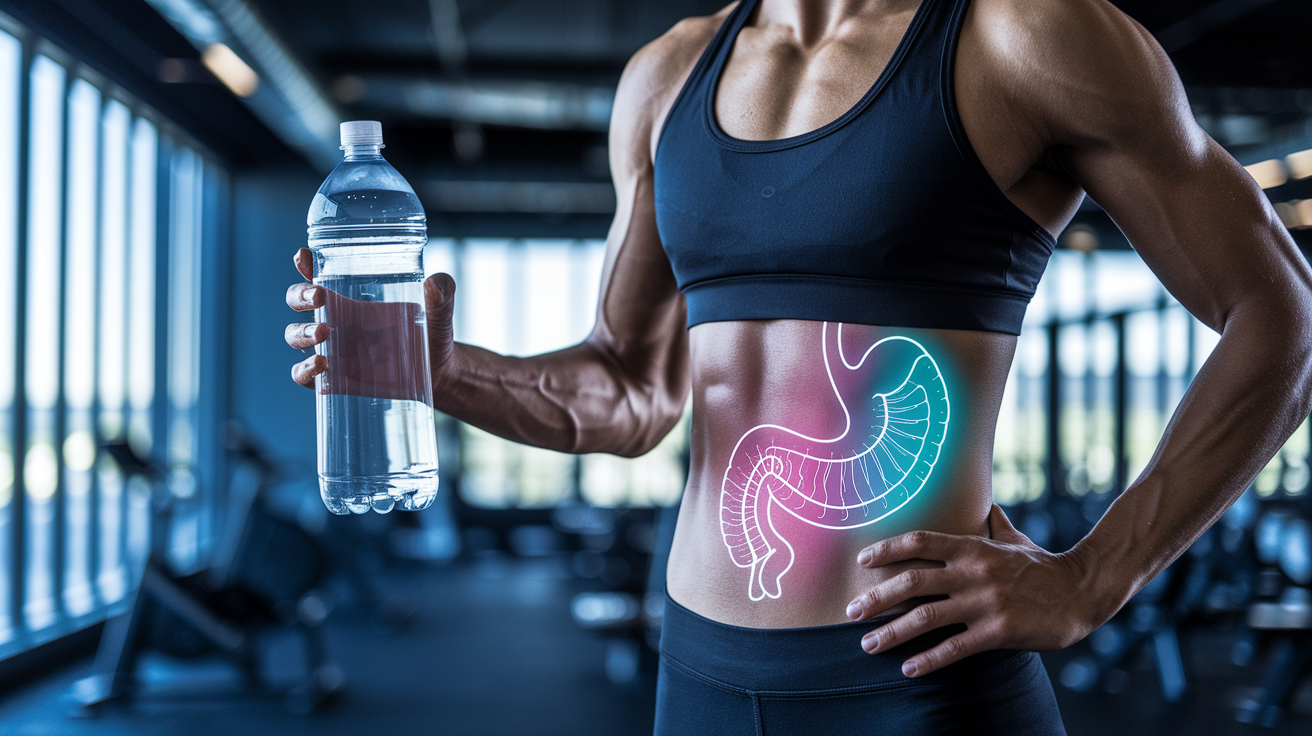
When you finish a hard workout and your stomach feels like a balloon, it’s rarely about the last meal you ate. It’s almost always about what you didn’t drink, or drank wrong.
Post-workout bloating usually signals imbalanced fluid and electrolyte recovery. After you sweat, your body tries to recalibrate water levels, sodium concentration, and gut function all at once. Skip fluids, chug too much plain water, or ignore electrolytes, and your digestive system slows down. Fluids shift into tissues. You end up tight, gassy, uncomfortable.
The good news: getting rehydration right is one of the simplest, fastest ways to prevent that post-exercise bloat and speed up recovery. And it doesn’t require IV drips or expensive powders. Just smart timing, the right fluid choices, and a clear plan for what your workout actually demands.
This article walks through hydration strategies that actually work. From pre-session prep to post-workout recovery, with specific volumes, electrolyte guidelines, and fixes for the most common mistakes that leave you bloated instead of recovered.
What Actually Causes Post-Workout Bloating (And Why Fluids Matter)

Most people blame food when they feel bloated after exercise. But the real culprit is usually fluid and electrolyte imbalance.
During exercise, you lose water and dissolved minerals through sweat. Sodium, potassium, magnesium, and calcium leave your body faster than you realize. When those losses aren’t replaced correctly, your gut pays the price.
Here’s what happens inside:
Blood redistribution: While you train, blood flows to your muscles and skin to manage effort and cooling. After you stop, blood returns to your core and digestive organs. If you’re dehydrated, that shift can cause temporary fullness or cramping as your gut adjusts.
Slowed gastric emptying: Intense exercise reduces blood flow to your stomach and intestines. If you’re low on fluids, digestion stays sluggish even after you finish. Food and gas sit longer. Bloating builds.
Electrolyte dilution: Drinking too much plain water after heavy sweating can dilute sodium levels in your blood. Your body responds by holding onto water in tissues and slowing digestion. Both create bloating, puffiness, discomfort.
Dehydration itself: When you under-drink, your colon pulls water from stool to keep your blood volume stable. This can cause constipation and trapped gas, especially if you’re also low on magnesium or potassium.
The fix isn’t complicated: replace what you lost, in the right amounts, at the right time. That means starting hydrated, sipping during exercise when needed, and rehydrating with both fluids and electrolytes immediately after.
If you’re finishing workouts feeling tight, heavy, or gassy, the next sections will show you exactly what to drink, when, and how much.
The Four Electrolytes You’re Losing (And Why They Stop Bloating)
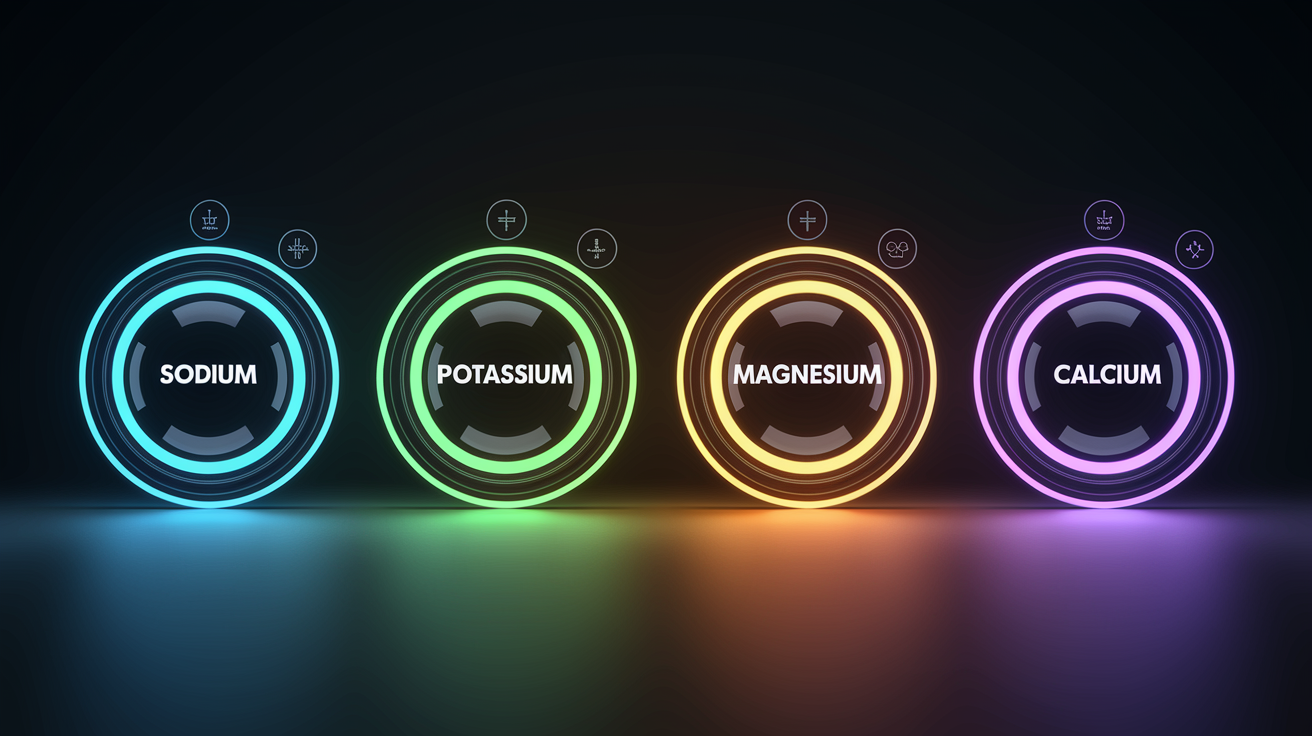
When you sweat, you don’t just lose water. You lose dissolved minerals that control fluid balance, muscle function, and gut movement. Replace the fluids but skip the electrolytes, and bloating often gets worse instead of better.
Here are the four key electrolytes that matter most for post-workout recovery and gut comfort:
Sodium
This is the big one. Sodium regulates how much water your body holds and where it goes. When sodium drops too low (from heavy sweating or drinking too much plain water), your body shifts fluids into tissues and slows digestion. The result: bloating, puffiness, cramps.
If you see white salt residue on your skin or clothes after training, you’re a heavy sodium loser. You need to replace it immediately post-session. Through an electrolyte drink, salty food, or added salt in your rehydration fluid.
Potassium
Potassium works with sodium to balance fluids inside and outside your cells. It also supports smooth muscle contractions in your gut, which keeps digestion moving. Low potassium after exercise can slow gut motility and contribute to cramping and bloating.
Good post-workout sources: bananas, avocados, coconut water, potatoes, leafy greens.
Magnesium
Magnesium supports over 300 enzyme reactions, including those that control muscle relaxation and gut movement. It’s also one of the first minerals you lose during long or intense sessions. Without enough magnesium, your muscles stay tight, your gut slows down, and you’re more likely to feel crampy and constipated.
You can get magnesium from nuts, seeds, dark leafy greens, and many electrolyte powders or tablets.
Calcium
Calcium plays a smaller role in immediate post-workout hydration, but it supports muscle contractions and nerve signaling. Chronic low calcium can contribute to cramping and digestive sluggishness over time.
Dairy, fortified plant milks, and leafy greens are simple ways to keep calcium levels steady.
When you rehydrate after a workout, your goal is to replace fluids and bring all four electrolytes back into balance. Plain water alone won’t do that, especially after high-intensity training, long sessions, or workouts in the heat.
Next, we’ll cover exactly what to drink and when.
Fluids That Actually Rehydrate (And When to Use Each One)
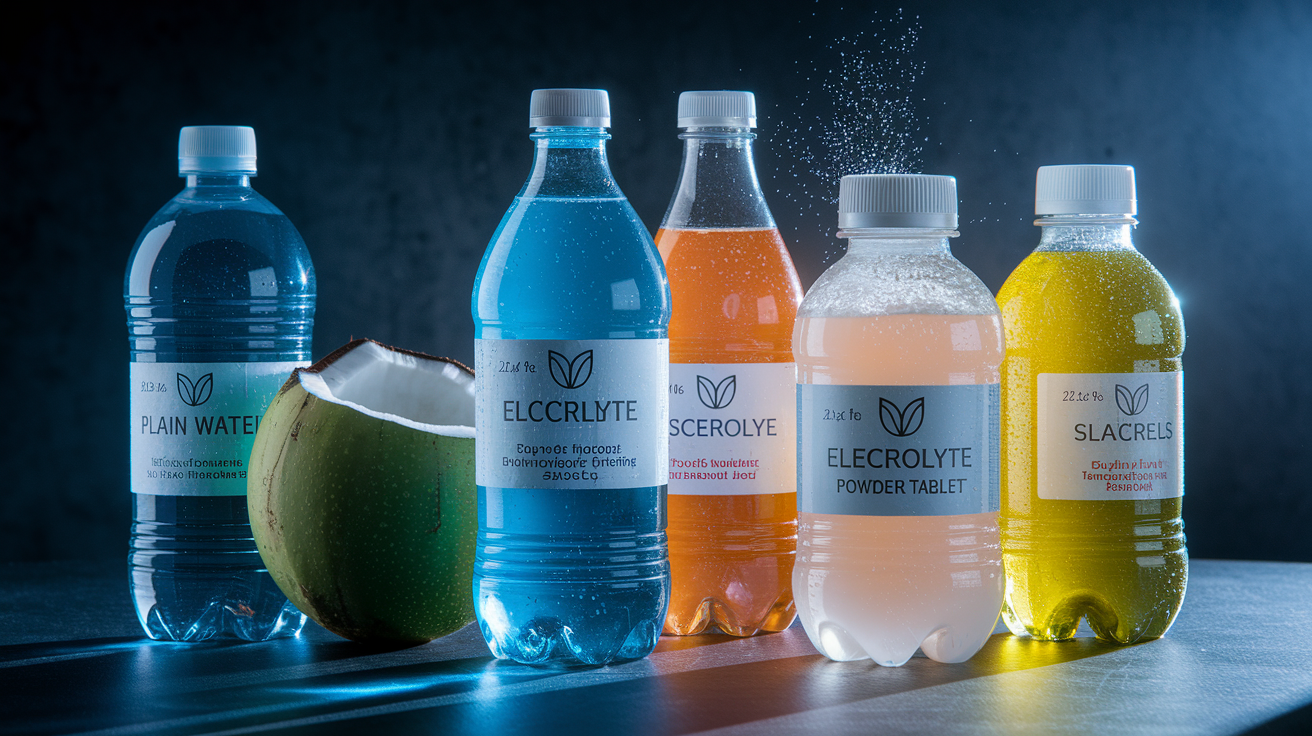
Not all drinks do the same job. Some replace fluids fast. Some deliver electrolytes. Some do both. And some, despite marketing claims, don’t help much at all after a hard workout.
Here’s what works, and when to reach for each option.
Plain Water: Your Baseline Strategy
Water is enough if your workout was short (under 45 minutes), low-intensity, or in mild conditions. It replaces lost fluids without adding sugar or sodium you don’t need.
Use plain water when:
- You did light cardio, strength training, or yoga in a climate-controlled space.
- You didn’t sweat heavily or see salt residue on your skin.
- You’re already eating a balanced meal within an hour or two post-session.
Skip plain water as your only rehydration fluid after:
- High-intensity intervals, long runs, or hot-weather training.
- Any workout where you lost more than a pound of body weight (from sweat).
- Sessions that left you feeling dizzy, crampy, or unusually fatigued.
If you drank only water after heavy sweating and felt bloated or sluggish, you likely diluted your sodium levels. Next time, add electrolytes.
Electrolyte Drinks: Sports Drinks, Electrolyte Waters, Powders, and Tablets
These are designed to replace sodium, potassium, and sometimes magnesium alongside fluids. They’re your go-to after intense or long workouts.
Sports drinks (like Gatorade or Powerade) contain sugar, sodium, and potassium. The sugar helps with fast energy replacement, but they’re often higher in calories and lower in magnesium than electrolyte-focused products.
Use them when:
- You just finished a hard session and need quick carbs plus electrolytes.
- You’re training again within a few hours (tournament, double session, or race weekend).
Electrolyte waters are lightly flavored waters with added sodium and potassium but minimal sugar. Good for moderate sessions or if you want electrolytes without extra calories.
Powders and tablets let you customize. You control the concentration, flavor, and electrolyte balance. Many include magnesium and are lower in sugar than traditional sports drinks.
Use powders or tablets when:
- You sweat heavily or train in hot conditions.
- You want more sodium or magnesium than standard sports drinks provide.
- You’re managing calories but still need electrolyte replacement.
Mix one serving in 16 to 24 ounces of water and sip it within 30 minutes after finishing your workout.
Natural Options: Coconut Water, Smoothies, and Fruit Juices
These can work as part of your rehydration plan, but they’re not one-size solutions.
Coconut water is high in potassium and contains some magnesium and calcium, but it’s low in sodium. If you lost a lot of salt, pair coconut water with a salty snack or add a pinch of salt to the drink itself.
Smoothies built with water or yogurt, fruit, leafy greens, and a scoop of protein can deliver fluids, electrolytes, and recovery nutrients in one glass. They’re especially useful if you’re not hungry enough for a full meal but need something more substantial than plain water.
Fruit juices (orange, watermelon, pineapple) provide potassium and natural sugars, but they’re also low in sodium. Use them as part of your fluid intake, not the only source, and watch portion sizes to avoid excess sugar without the fiber.
Natural options work best when:
- You finished a moderate workout and want whole-food hydration.
- You’re combining them with an electrolyte source (salty meal, powder, or tablet).
- You’re not in a rush and can sip them slowly over 30 to 60 minutes.
Avoid relying on them alone after heavy sweat sessions. They won’t replace sodium fast enough to prevent bloating or cramps.
IV Hydration Therapy: Direct Delivery (Medical Supervision Required)
IV hydration bypasses your digestive system entirely. Fluids, electrolytes, vitamins (like Vitamin C and B vitamins), and sometimes amino acids go straight into your bloodstream.
Reported absorption rates: 90 to 100% for IV vs. 20 to 50% for oral fluids.
Typical clinic sessions last 30 to 60 minutes. You sit in a chair while a licensed provider administers the drip. Some formulas include magnesium, potassium, sodium, and recovery nutrients designed for athletes.
Use IV hydration only when:
- You’re severely dehydrated after a long race, extreme heat exposure, or illness.
- You need rapid recovery between same-day events.
- You’re under medical supervision and have no contraindications (heart, kidney, or electrolyte disorders).
IV hydration is not a routine post-workout tool. It’s expensive, requires a clinic visit, and carries risks if administered improperly. Most people recover perfectly well with smart oral rehydration strategies.
If you’re curious about IV therapy, talk to a sports medicine doctor or registered dietitian first. They can help you decide if it’s appropriate, or if a well-timed electrolyte drink and meal will do the same job for a fraction of the cost.
How Much to Drink, When to Drink It, and How to Sip Without Overloading Your Gut

Knowing what to drink is only half the strategy. Timing, volume, and pacing matter just as much, especially if you want to avoid bloating while you rehydrate.
Here’s a simple, research-backed framework that works for most people.
Pre-Hydration: Start in Balance
Pre-hydration means drinking fluids and electrolytes before your workout so you’re not starting dehydrated and playing catch-up mid-session.
Timing: Drink in the 1 to 2 hours before exercise. Avoid chugging fluids in the last 10 minutes before you start. That just sloshes around in your stomach.
Volume: Aim for 16 to 20 ounces about 2 hours before your workout, then another 8 ounces closer to start time. If you’re larger or train in heat, nudge those numbers up slightly.
Quick check: Your urine should be pale yellow before you begin. Bright yellow is fine. Dark yellow means you’re behind on fluids.
Pre-hydrating reduces the risk of cramping, fatigue, and post-workout bloating because your body doesn’t have to work as hard to stabilize fluid levels after you finish.
During Exercise: Sip Small, Sip Often
For workouts under 45 minutes in mild conditions, plain water sips are usually enough. For longer sessions, high-intensity intervals, or hot weather, you’ll want fluids plus electrolytes.
Target: 12 to 24 ounces per hour, taken in small sips every 10 to 20 minutes. Avoid gulping large amounts at once. It slows gastric emptying and increases bloating.
When to add electrolytes during exercise:
- Sessions longer than 60 minutes.
- High-intensity work (intervals, hill repeats, heavy lifts with short rest).
- Training in heat, humidity, or direct sun.
If you’re a heavy sweater (visible salt on skin or clothes), aim for the higher end of the fluid range and use an electrolyte mix rather than plain water.
Practical tip: Use a marked water bottle and take 2 to 3 sips every 10 to 20 minutes. Set a timer on your watch if you tend to forget.
Post-Workout: Replace What You Lost, Then Keep Sipping
This is where most people either under-drink or over-drink. And both mistakes lead to bloating.
Immediate goal (first 30 minutes): Drink 16 to 24 ounces of fluid with electrolytes. If you lost more than a pound during your session, aim for the higher end.
Extended goal (next 1 to 2 hours): For every pound you lost, drink 20 to 24 ounces of total fluid. Spread it out. Sipping over time improves absorption and reduces stomach overload.
How to estimate sweat loss if you don’t have a scale: Check for dry mouth, higher-than-normal resting heart rate, or darker urine. If any of those are present, you’re still behind on fluids.
Electrolyte strategy post-workout:
- Short, low-intensity session: Plain water plus a balanced meal within 1 to 2 hours is fine.
- High-intensity or heavy-sweat session: Electrolyte drink or powder immediately after, then continue sipping water and eat a meal with sodium, potassium, and magnesium.
What to pair with fluids: A snack or meal that includes protein, a little carbohydrate, and salty or mineral-rich foods (like pretzels, yogurt with fruit, eggs with toast, or a smoothie with greens and banana) will help retain fluids and speed recovery.
The Sip-Don’t-Chug Rule
Chugging large volumes at once, whether plain water or an electrolyte drink, can cause immediate bloating and gastric discomfort. Your stomach empties fluids gradually, and overloading it just slows everything down.
Better approach:
- Sip 4 to 6 ounces every 10 to 15 minutes instead of downing 20 ounces in one go.
- If you use a large water bottle (like a 32-ounce), plan two or three refills throughout the day and sip steadily rather than racing to finish.
- After a tough workout, drink your first 16 to 24 ounces over 20 to 30 minutes, not in 5 minutes.
If you’ve been chugging fluids and feeling bloated, slow it down. Your gut will absorb more, and you’ll feel lighter and less uncomfortable.
Hydration Protocols for Different Workout Types
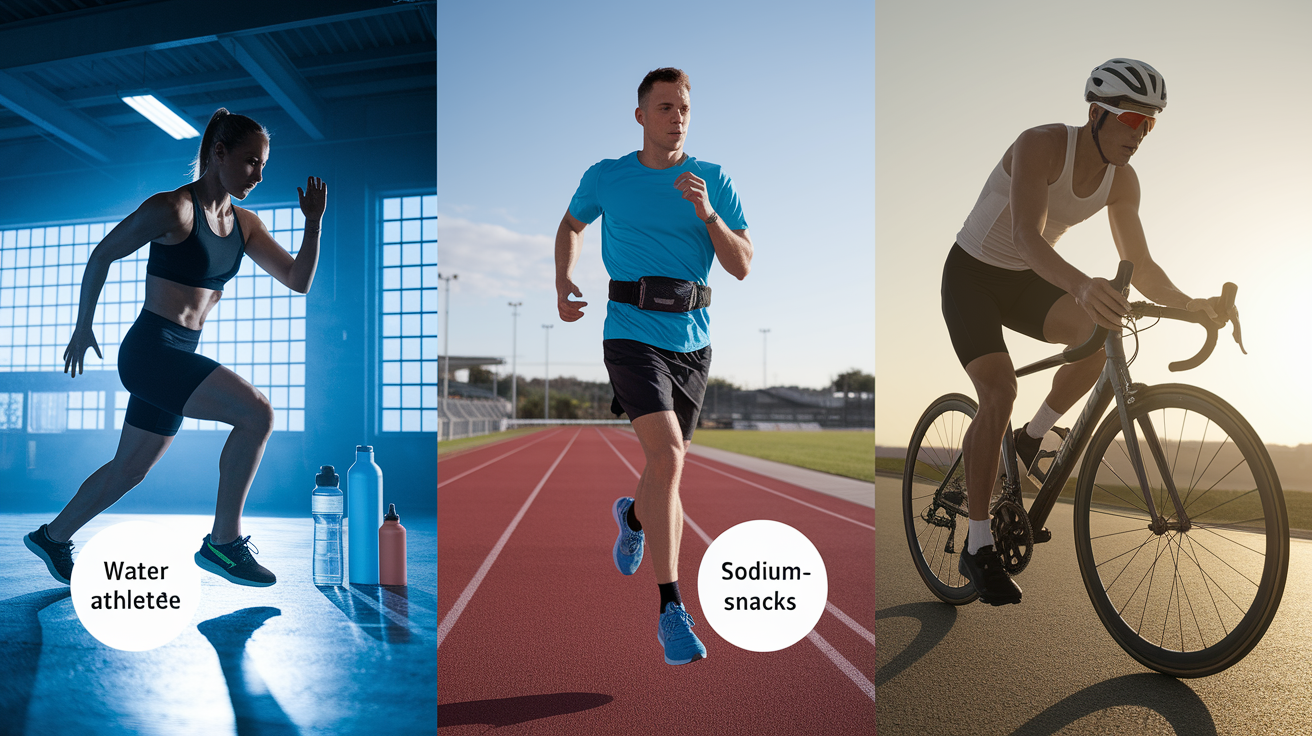
Not all training sessions demand the same hydration approach. A 30-minute strength session in an air-conditioned gym and a 90-minute outdoor run in July require completely different fluid and electrolyte strategies.
Here’s how to match your hydration to your workout.
High-Intensity Intervals, CrossFit, or Heavy Lifting
These sessions are short but intense. You might not sweat as much total volume as during a long run, but the effort spikes your core temperature and fluid needs quickly.
Before: 8 to 16 ounces of water 30 to 60 minutes before starting. Add a pinch of salt or a light electrolyte drink if you’re training first thing in the morning or it’s hot.
During: Sip 8 to 12 ounces of water or a low-sugar electrolyte drink if the session runs longer than 45 minutes. For shorter sessions, a few sips between sets is enough.
After: 16 to 24 ounces with electrolytes within 30 minutes. Pair with a snack that includes protein and sodium (like Greek yogurt with a handful of salted nuts, or a protein shake with a banana and a pinch of salt).
Why this works: Intense efforts deplete glycogen and electrolytes faster than steady-state cardio. Adding sodium and potassium immediately post-session helps your muscles recover and keeps your gut from slowing down.
Endurance Training (Runs, Rides, Swims Over 60 Minutes)
Long sessions mean sustained sweat loss. You’ll lose more total sodium, potassium, and magnesium, and you’ll need to start replacing them during the workout, not just after.
Before: 16 to 20 ounces of water or a light electrolyte drink 1 to 2 hours before you start. Top off with 8 ounces closer to go-time.
During: Aim for 12 to 24 ounces per hour, taken in small sips every 10 to 20 minutes. Use an electrolyte mix or sports drink, especially after the first 60 minutes. If you’re training for more than 90 minutes, consider adding a small amount of carbohydrate (gel, chews, or diluted juice) alongside fluids.
After: 20 to 24 ounces per pound lost, spread over 1 to 2 hours. Include a post-workout meal with sodium, potassium, and magnesium within 60 to 90 minutes. Think: eggs with toast and avocado, or a smoothie with banana, greens, yogurt, and a pinch of salt.
Why this works: Endurance efforts deplete electrolytes steadily over time. Replacing them during and after keeps your blood volume stable, your gut moving, and your energy level steady. Skipping electrolytes after a long session almost always leads to bloating, cramps, or fatigue.
Hot-Weather or Humid Training
Heat and humidity increase sweat rate dramatically. You can lose 1 to 2 pounds per hour in extreme conditions, and sodium losses spike even if the session itself isn’t long.
Before: Pre-hydrate aggressively. Drink 20 ounces 2 hours before, then 8 to 12 ounces 15 to 30 minutes before starting. Consider adding extra sodium (a pinch of salt in water or a light electrolyte drink).
During: Push toward the higher end of the fluid range. 16 to 24 ounces per hour, all with electrolytes. Plain water won’t cut it in the heat.
After: Rehydrate immediately. Aim for 24 ounces per pound lost, with sodium as the priority. Salty snacks (pretzels, salted nuts, pickles) or a meal with added salt will help retain the fluids you’re drinking and prevent dilution.
Signs you’re under-hydrating in heat: Dizziness, headache, nausea, muscle cramps, or bloating that persists even after drinking plain water. All of those point to low sodium and dehydration.
Why this works: In hot conditions, your body prioritizes cooling over digestion. If you don’t replace fluids and sodium fast, your gut slows down, fluids pool in tissues, and you end up bloated and exhausted instead of recovered.
The Most Common Hydration Mistakes That Cause Bloating (And How to Fix Them)
Even people who know hydration matters still make a few key mistakes that leave them bloated, crampy, or uncomfortable after training. Here are the big ones, and the simple fixes.
Mistake 1: Waiting Too Long to Rehydrate
If you finish your workout, shower, drive home, and then finally drink something 60 to 90 minutes later, you’ve missed the recovery window. Your gut has already slowed down, your electrolytes are still imbalanced, and rehydration becomes harder and slower.
The fix: Start drinking within 15 to 30 minutes after you stop exercising. Keep a water bottle or pre-mixed electrolyte drink in your gym bag or car so it’s ready the moment you finish.
Example: Finish your run, drink 8 to 12 ounces immediately, then sip another 8 to 12 ounces over the next 20 minutes while you stretch or cool down.
Mistake 2: Chugging Too Much Plain Water After Heavy Sweating
This is the most common cause of post-workout bloating. You sweat out sodium, potassium, and magnesium, then flood your system with plain water. Your blood sodium drops, your body holds onto fluids in the wrong places, and your gut slows down. The result: bloating, puffiness, and sometimes nausea or cramps.
The fix: If you sweated heavily (especially if you see salt on your skin or clothes), drink an electrolyte beverage or add a pinch of salt to your water. Follow up with a meal that includes sodium and potassium within 1 to 2 hours.
How much salt to add: A small pinch (about 1/8 teaspoon) in 16 ounces of water is enough to make a noticeable difference without tasting overly salty.
Mistake 3: Ignoring Electrolytes After Long or Intense Sessions
If your workout lasted over an hour, involved high-intensity intervals, or took place in heat, plain water alone won’t restore balance. Skipping electrolytes slows recovery, increases bloating risk, and can leave you feeling flat and fatigued for hours.
The fix: Use an electrolyte powder, tablet, or sports drink immediately post-session. Look for products that provide at least 300 to 500 mg of sodium per serving, plus potassium and magnesium.
Natural alternative: Pair your water with a snack like a banana with salted nut butter, a handful of pretzels, or coconut water mixed with a pinch of salt.
Mistake 4: Overhydrating (Yes, That’s a Thing)
Drinking way more than you need, especially plain water, can dilute your electrolytes and cause hyponatremia (low blood sodium). Symptoms include bloating, nausea, headache, confusion, and in severe cases, dangerous swelling.
The fix: Use the pound-lost method to guide your rehydration. For every pound you lose during exercise, drink 20 to 24 ounces of fluid over 1 to 2 hours. Don’t just chug water because you think “more is better.”
Quick check: If your urine is completely clear for hours after a workout, you’re likely over-drinking. Aim for pale yellow, not transparent.
Mistake 5: Drinking Only During or Only After (But Not Both)
Some people sip religiously during a workout but forget to rehydrate after. Others skip fluids during training and try to make up for it post-session by drinking huge volumes at once. Both approaches lead to imbalanced recovery and bloating.
The fix: Hydrate before, during, and after. Think of it as a continuous process, not a one-time event.
Simple routine:
- Pre-session: 8 to 16 ounces 30 to 60 minutes before.
- During: 12 to 24 ounces per hour in small sips (more if it’s hot or long).
- Post-session: 16 to 24 ounces immediately, then continue sipping to replace total losses over 1 to 2 hours.
Mistake 6: Choosing the Wrong Beverage for Your Session Type
Using a high-sugar sports drink after a 20-minute yoga class is overkill. Using plain water after a 2-hour trail run in July is under-fueling. Matching your beverage to your workout intensity and duration matters.
The fix:
- Short, low-intensity: plain water.
- Moderate sessions (45 to 90 minutes): electrolyte drink or water plus electrolyte tablet.
- Long or intense sessions, or hot weather: sports drink or electrolyte powder with sodium, potassium, and magnesium.
Mistake 7: Ignoring Food-Based Electrolyte Sources
Fluids are important, but so is what you eat. If you rehydrate perfectly but skip meals or snack on low-sodium, low-potassium foods, your gut won’t have the minerals it needs to move fluids where they belong.
The fix: Pair your post-workout fluids with a snack or meal that includes:
- Sodium: pretzels, salted nuts, pickles, olives, eggs, cheese, or a pinch of salt added to a smoothie.
- Potassium: bananas, avocados, potatoes, leafy greens, yogurt.
- Magnesium: nuts, seeds, dark chocolate, spinach, whole grains.
- Calcium: dairy, fortified plant milks, leafy greens.
If you’re finishing workouts bloated despite drinking enough, check what you’re eating in the hour or two after. Adding mineral-rich foods often solves the problem.
Building a Simple Daily Routine to Prevent Post-Workout Bloating

You don’t need a complicated hydration plan. You just need a few habits that stack easily and adjust based on what your workout demands.
Here’s a practical routine that works whether you train in the morning, at lunch, or after work.
Step 1: Start Every Day Hydrated
Drink 8 to 16 ounces of water within 30 minutes of waking up. If you train first thing in the morning, add a pinch of salt or a light electrolyte tablet to that first glass.
Why: You lose fluids overnight through breathing and metabolism. Starting rehydrated means you’re not playing catch-up before you even begin training.
Quick check: Pale yellow urine by mid-morning.
Step 2: Pre-Hydrate 1 to 2 Hours Before Exercise
Drink 16 to 20 ounces of water or a light electrolyte beverage 1 to 2 hours before your session. Top off with 8 ounces about 30 minutes before you start.
Why: This gives your body time to absorb fluids and stabilize your blood volume before you sweat. It also reduces the risk of cramping and digestive discomfort during the workout.
Adjust if: You’re training in heat or for a long session. Nudge the pre-hydration volume up slightly and consider adding sodium.
Step 3: Sip During Exercise (If Needed)
For short sessions (under 45 minutes) in mild conditions, a few sips of water are enough. For anything longer, more intense, or in heat, aim for 12 to 24 ounces per hour with electrolytes.
Practical tip: Set a timer to remind yourself to sip every 10 to 20 minutes, or take 2 to 3 sips between sets, intervals, or miles.
Why: Consistent small sips keep your gut from overloading and improve fluid absorption. Waiting until you’re thirsty usually means you’re already behind.
Step 4: Rehydrate Immediately After
Drink 16 to 24 ounces within 30 minutes of finishing your workout. Include electrolytes if you sweated heavily or trained for over an hour.
Why: The sooner you start replacing fluids and electrolytes, the faster your gut returns to normal function. Waiting too long increases bloating risk.
What to drink:
- Plain water if it was a short, easy session.
- Electrolyte drink, powder, or tablet if it was intense, long, or hot.
Step 5: Eat a Recovery Meal or Snack Within 1 to 2 Hours
Pair your post-workout fluids with food that includes protein, a bit of carbohydrate, and electrolyte-rich ingredients. This helps retain the fluids you just drank and supports muscle recovery.
Simple examples:
- Greek yogurt with a banana and a handful of salted almonds.
- Scrambled eggs with toast, avocado, and a pinch of salt.
- Smoothie with spinach, berries, protein powder, and a spoon of nut butter.
- Chicken or tofu with roasted sweet potato and steamed greens.
Why: Food slows gastric emptying in a good way. It helps your body absorb and use the fluids you drank instead of sending them straight to your bladder. And eating mineral-rich foods restores electrolytes without needing to drink more.
Step 6: Keep Sipping Throughout the Day
Post-workout hydration doesn’t stop after your recovery drink. Continue sipping water steadily for the next few hours to replace total losses and support digestion.
Daily target: Aim to refill a 20 to 24-ounce water bottle two or three times before dinner. Adjust up if you trained hard, it was hot, or you’re larger-bodied.
Why: Spread-out hydration keeps your gut moving, prevents constipation, and supports energy and focus for the rest of your day.
Practical tip: Keep a water bottle at your desk, in your car, or next to your work station. Take a few sips every time you stand up, check your phone, or finish a task.
Step 7: Monitor and Adjust
Your hydration needs aren’t the same every day. Training intensity, weather, stress, sleep, and even where you are in your menstrual cycle can all affect fluid balance.
Use these signals to adjust:
- Urine color: Pale yellow = on track. Dark yellow = drink more. Completely clear = you’re over-drinking.
- Resting heart rate: Higher than usual after training can mean dehydration.
- Muscle cramps or tightness: Often a sign of low sodium, potassium, or magnesium.
- Persistent bloating: May mean you’re drinking too much plain water without electrolytes, or not spacing out your fluids.
Adjust your routine when:
- You’re training in heat or for longer durations. Add more electrolytes and increase total fluid intake.
- You’re doing short, low-intensity work. Scale back to plain water and focus on food-based recovery.
- You’re traveling, stressed, or not sleeping well. Bump up baseline hydration slightly to support your system.
This simple daily routine takes less than 5 minutes of active thought and prevents most post-workout bloating issues. The key is consistency, not perfection. Small sips, smart timing, and matching your fluids to your workout will always beat complicated protocols or expensive supplements.
When to Consider IV Hydration Therapy (And What It Actually Does)

IV hydration gets a lot of attention in fitness and wellness circles. Clinics advertise rapid recovery, enhanced performance, and instant relief from dehydration or fatigue. Some of those claims are backed by science. Others are marketing.
Here’s what IV hydration actually does, when it might help, and when it’s overkill.
How IV Hydration Works
IV (intravenous) hydration delivers fluids, electrolytes, and sometimes vitamins or amino acids directly into your bloodstream through a small catheter in your arm. Because it bypasses your digestive system, absorption is immediate and nearly complete. Reported rates are 90 to 100%, compared to 20 to 50% for oral fluids.
A typical session lasts 30 to 60 minutes. You sit in a chair while a licensed medical provider administers the drip. Formulas vary, but most include:
- Saline solution (water plus sodium chloride)
- Electrolytes: potassium, magnesium, calcium
- Optional add-ons: Vitamin C, B vitamins (B12, B-complex), amino acids, or antioxidants
The idea is that rapid delivery speeds recovery, restores hydration faster than drinking fluids, and delivers nutrients that might be poorly absorbed orally (like magnesium or B12 in some people).
When IV Hydration Might Make Sense
Severe dehydration after extreme events: If you just finished an ultra-endurance race, a long competition in extreme heat, or you’re recovering from illness (vomiting, diarrhea) and can’t keep fluids down, IV hydration can restore balance faster and more reliably than oral rehydration.
Back-to-back competition days: Athletes competing in tournaments, multi-day events, or races with short turnaround times sometimes use IV therapy to speed recovery between efforts when eating and drinking normally isn’t enough.
Diagnosed deficiencies or absorption issues: If you have a medical condition that impairs nutrient absorption (like Crohn’s disease, celiac, or chronic gut inflammation), IV delivery of electrolytes, magnesium, or B vitamins may help when oral supplementation doesn’t.
Medical supervision for acute needs: If you’re under the care of a sports medicine doctor, registered dietitian, or functional medicine provider who recommends IV therapy as part of a treatment plan, it can be a useful tool.
When IV Hydration Is Overkill
After a normal workout: If you just finished a 45-minute strength session or an easy 5-mile run, you don’t need IV fluids. A 16-ounce electrolyte drink and a balanced meal will do the same job for a fraction of the cost and with zero medical risk.
As a routine recovery tool: IV hydration is expensive ($100 to $300+ per session), requires a clinic visit, and carries small but real risks (infection, vein irritation, electrolyte imbalance if the formula is wrong). Using it regularly for standard training recovery isn’t practical or necessary.
When you haven’t tried basic hydration strategies first: If you’re finishing workouts bloated but you’ve never timed your fluids, used an electrolyte drink, or adjusted your pre-session hydration, start there. Most people recover perfectly well with smart oral rehydration and don’t need IV therapy at all.
Potential Risks and Considerations
Not risk-free: Even though IV hydration is generally safe when administered by a licensed provider, complications can include infection at the injection site, vein irritation, fluid overload (especially if you have heart or kidney issues), or electrolyte imbalance if the formula isn’t tailored to your needs.
No regulation of wellness clinics: Many IV hydration services operate as wellness spas, not medical facilities. Staff training, sterility practices, and formula quality can vary. Always choose a clinic with licensed medical professionals (nurses, nurse practitioners, or
Final Words
Start sipping early: small, steady sips during and right after exercise instead of big gulps. Add a pinch of salt or a balanced electrolyte (salt and minerals) drink if you sweat heavily.
This piece ran through why timing, sip size, and electrolyte balance matter, what drinks to avoid, and simple cool-down moves that stop sloshing. Try one tweak at a time and track how you feel.
Use these hydration strategies to reduce post-workout bloating and you’ll finish workouts feeling lighter, more comfortable, and ready for the rest of your day.
FAQ
Q: How to stop bloating after working out?
A: Stopping bloating after working out and quickly debloating your belly involves sipping water, walking or gentle stretching, avoiding carbonated drinks and gum, and skipping high-fiber or high-FODMAP snacks right before exercise.
Q: Does omeprazole relieve bloating?
A: Omeprazole relieves bloating sometimes when acid reflux or stomach acid causes it; it’s a proton pump inhibitor (PPI). It won’t fix gas-related bloating, so talk to your clinician before starting.
Q: Why is my belly getting bigger after working out?
A: Your belly getting bigger after working out can be from muscle growth, temporary inflammation from exercise, extra food or fluids, or supplements like creatine; check training type, diet, and recovery.