


Controversial: your “healthy” pre-workout snack might be why you get bloated mid-session.
Bloating during a workout feels like tightness, fullness, or trapped gas that makes every rep harder.
It steals focus, hurts performance, and leaves you reaching for the exit.
Here’s the thesis: small, practical changes—meal timing, smart food swaps, steady sipping, and simple breathing or movement tweaks—can prevent most workout bloating.
Read on for quick fixes you can use in the gym and easy habits to stop bloating before it starts.
Quick Fixes for Bloating During Exercise (Start Here)
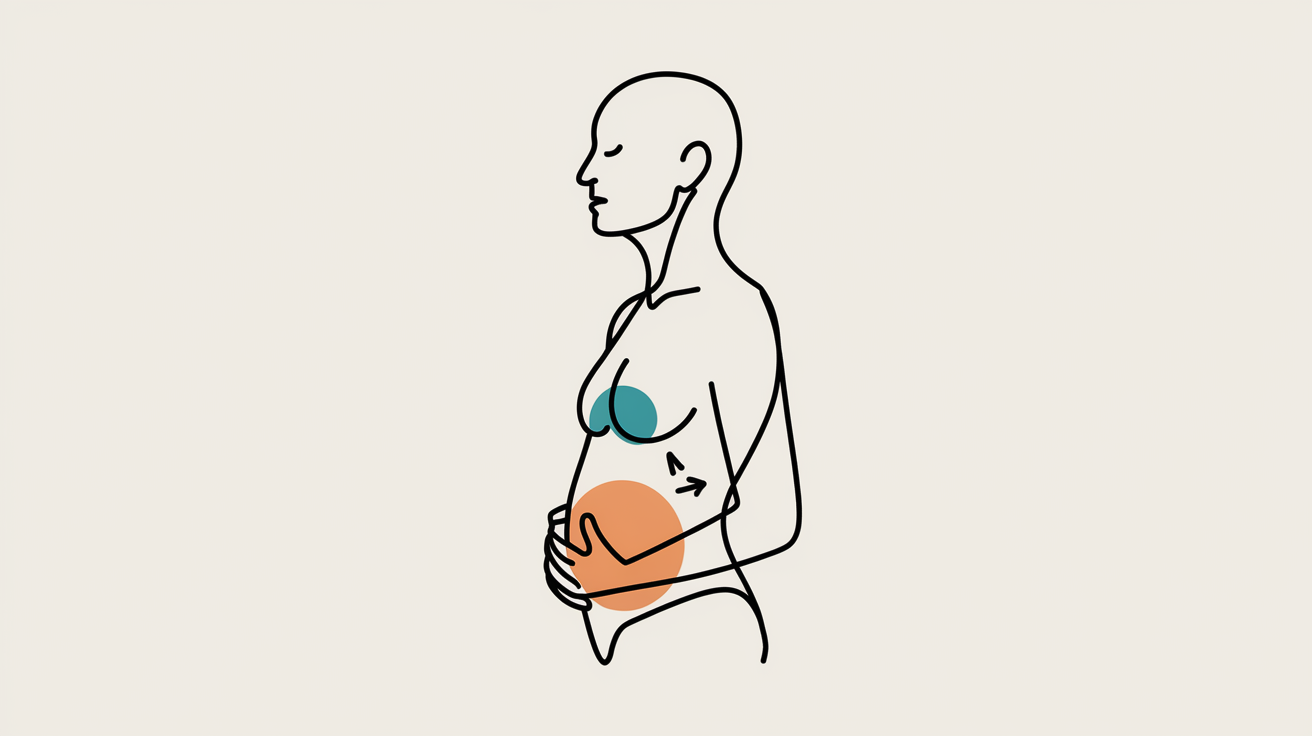
Bloating during a workout feels like tightness, fullness, or trapped gas in your abdomen. Sometimes there’s cramping. Sometimes discomfort that makes every movement harder.
Good news: you can often ease symptoms right in the middle of a training session with a few simple adjustments.
If bloating hits mid-workout, slow your pace immediately and focus on steady, controlled breathing through your nose. Shift to upright movements that don’t compress your abdomen. Avoid crunches, sit-ups, or any exercise that folds you forward. Taking a short walk break for 2–3 minutes can encourage trapped gas to move through your system. Gentle torso twists or a cat-cow stretch on the floor may also provide quick relief by mechanically shifting pressure in your digestive tract.
Here are five on-the-spot techniques that work within minutes:
Slow your pace and reduce workout intensity by 20–30%.
Switch to diaphragmatic breathing: inhale slowly through your nose, let your belly expand, then exhale fully through your mouth.
Walk for 2–3 minutes instead of stopping completely. Gentle movement helps gas pass.
Loosen tight clothing around your waist or abdomen.
Perform a gentle standing torso twist (hold each side for 10–15 seconds) to shift abdominal pressure.
Timing Your Pre‑Workout Meals
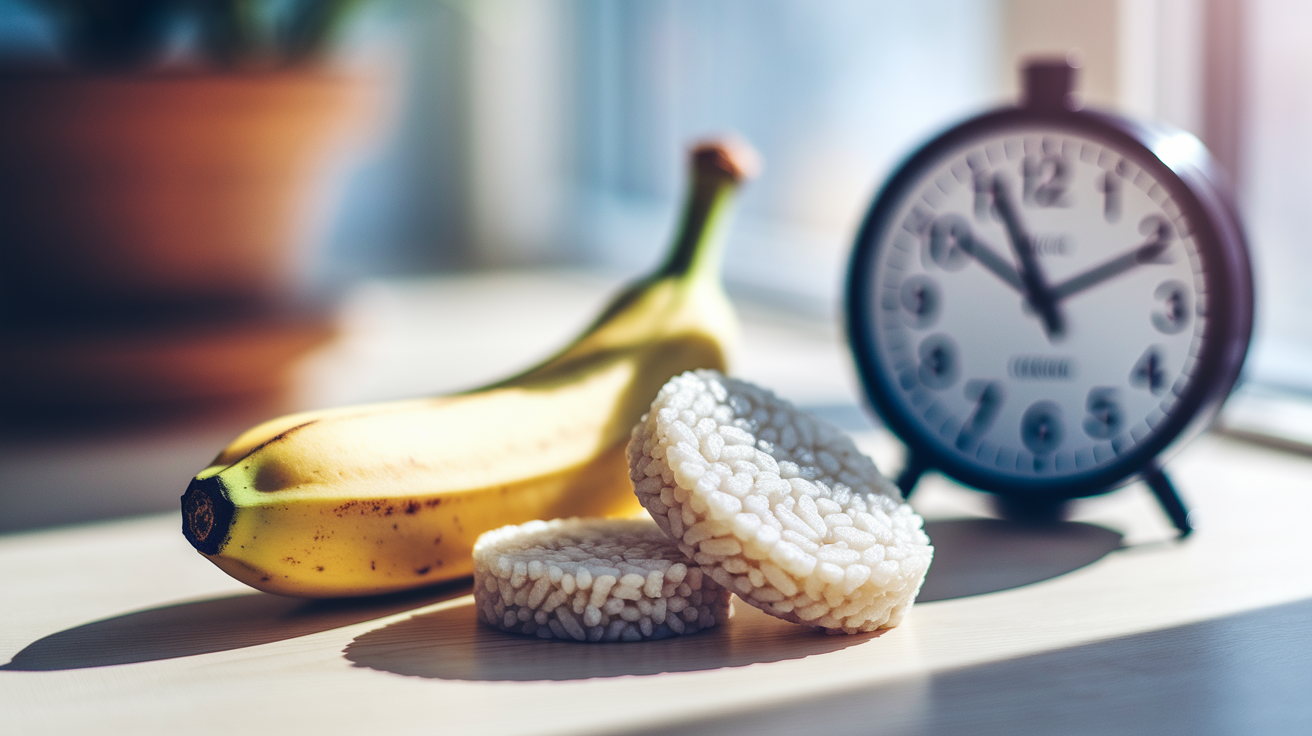
Most people need 1.5–3 hours to digest a full meal before exercising comfortably. Eating too close to your workout traps undigested food and gas in your stomach, increasing pressure and bloating as blood flow shifts away from digestion toward your working muscles. Smaller snacks typically require 30–60 minutes to clear your stomach, making them a safer choice when time is tight.
A simple rule: the bigger the meal, the longer you wait.
If you finish lunch at 12:00 p.m. and plan to train at 1:00 p.m., choose a light snack instead of a full plate. For example, a small banana or 2–3 rice cakes will empty your stomach in about 30 minutes. “Before heading to the gym after work, I grab a banana and a spoonful of almond butter around 5:00 p.m. for my 5:45 session.”
| Meal Size | Recommended Timing Before Workout |
|---|---|
| Full meal (e.g., chicken, rice, vegetables) | 2–3 hours |
| Small snack (e.g., banana, rice cakes, applesauce) | 30–60 minutes |
Foods That Commonly Trigger Bloating

High-fiber foods, carbonated drinks, high-fat meals, and certain sugar alcohols are the usual suspects behind pre-workout bloating. Fiber slows digestion. Fat delays gastric emptying. And sugar alcohols (like sorbitol and xylitol) ferment in your intestines, producing gas. Carbonated beverages add swallowed air to the mix, which can sit in your stomach or gut and cause pressure during movement.
If you regularly feel bloated during workouts, scan your pre-training meals for these common problem foods. You don’t need to eliminate them forever, just move them to post-workout or rest-day meals. A bowl of oatmeal with apples might feel fine at breakfast on a rest day. But 90 minutes before a hard interval session? It can leave you gassy and sluggish.
Foods to avoid within 1–2 hours before exercise:
Beans, lentils, chickpeas
Broccoli, cauliflower, Brussels sprouts
Apples, pears, apricots
Whole-grain high-fiber pasta or bread
Fried foods or heavy cream sauces
Sugar-free gum, energy drinks, or snacks containing sorbitol, xylitol, or erythritol
Hydration Strategy for a Comfortable Workout

Dehydration slows digestion and can trap gas in your intestines. But chugging large amounts of water too quickly fills your stomach and increases abdominal discomfort. The solution? Steady, timed sipping rather than big gulps right before you start moving.
Drink 17–20 ounces of water 2–3 hours before your workout, then another 8 ounces about 30 minutes out. This gives your body time to absorb fluids without leaving a sloshing belly.
During exercise, sip 7–10 ounces every 20 minutes. Small, controlled sips rather than draining half a bottle in one go. Overhydrating immediately before or during training can cause a bloated, overfull sensation. In extreme cases, it can dilute electrolytes to uncomfortable levels.
If you’re doing intense cardio, HIIT, or training in heat, add electrolytes to prevent cramping and support fluid absorption. “I keep a water bottle with a pinch of salt and a squeeze of lemon at my gym bench and take 2–3 sips between sets instead of waiting until I’m thirsty.”
Breathing Techniques to Reduce Abdominal Pressure
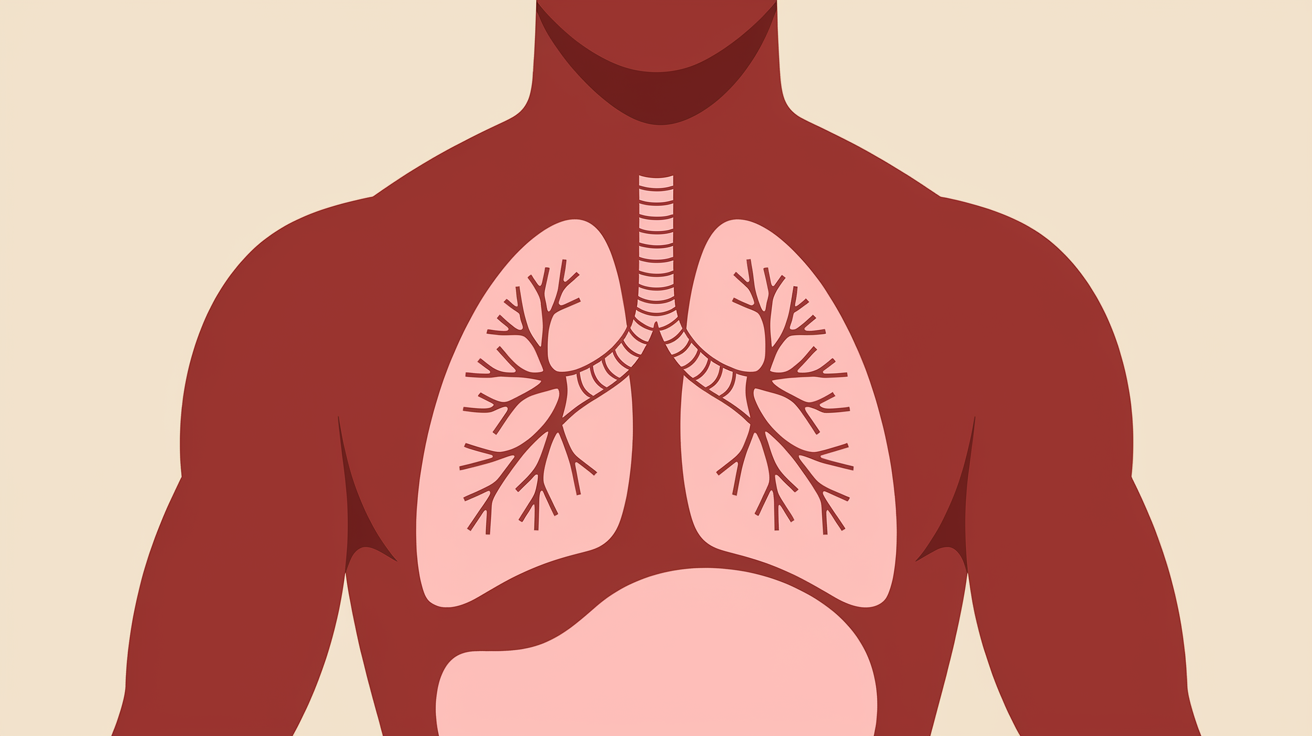
Shallow chest breathing during exercise increases abdominal tension and can trap air in your digestive tract, worsening bloating and cramping. Diaphragmatic breathing (sometimes called belly breathing) engages your diaphragm, reduces swallowed air, and gently massages your intestines, helping trapped gas move through your system. It’s especially useful during warm-ups, cooldowns, or any time you notice tightness building in your abdomen.
Learning this technique takes less than five minutes. You can practice it before, during, or after workouts. Most people notice a difference within 8–10 breath cycles. “I do a few rounds of belly breathing in my car before I walk into the gym, and it clears the tight feeling I sometimes get after lunch.”
How to perform diaphragmatic breathing:
Sit or stand upright with your shoulders relaxed.
Place one hand on your chest and one on your belly, just below your ribcage.
Inhale slowly through your nose, letting your belly expand while keeping your chest relatively still.
Exhale slowly through your mouth, pulling your belly in slightly. Hold the exhale for 2–3 seconds before your next inhale.
Repeat 8–10 times, pausing between cycles if needed.
Adjusting Workout Intensity and Movements
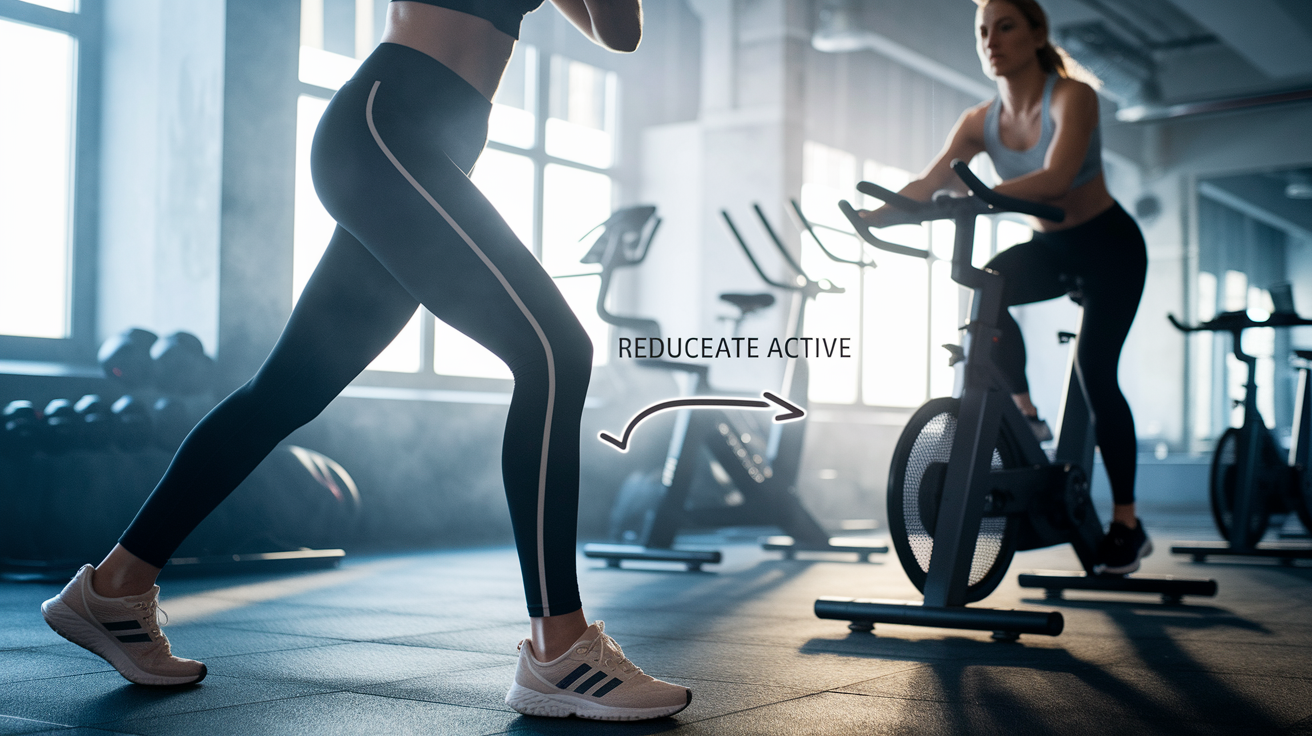
High-impact or high-intensity exercise jostles your digestive tract and shifts blood flow away from your gut, slowing gastric emptying and increasing the chance of bloating. If you routinely feel tight or gassy during hard training, consider dialing back intensity by 10–20% for a few sessions while you adjust your pre-workout nutrition and hydration. You’re not skipping the workout. You’re training smarter while your body adapts.
When bloating appears mid-session, swap high-impact movements (box jumps, sprints, burpees) for gentler alternatives like walking lunges, cycling at moderate resistance, or rowing at a steady pace. Avoid exercises that compress your abdomen. Crunches, sit-ups, or heavy deadlifts can trap gas and worsen discomfort. Upright movements and activities that keep your torso extended (like walking, light jogging, or standing stretches) help gas pass more easily.
Supplements That May Help Digestion
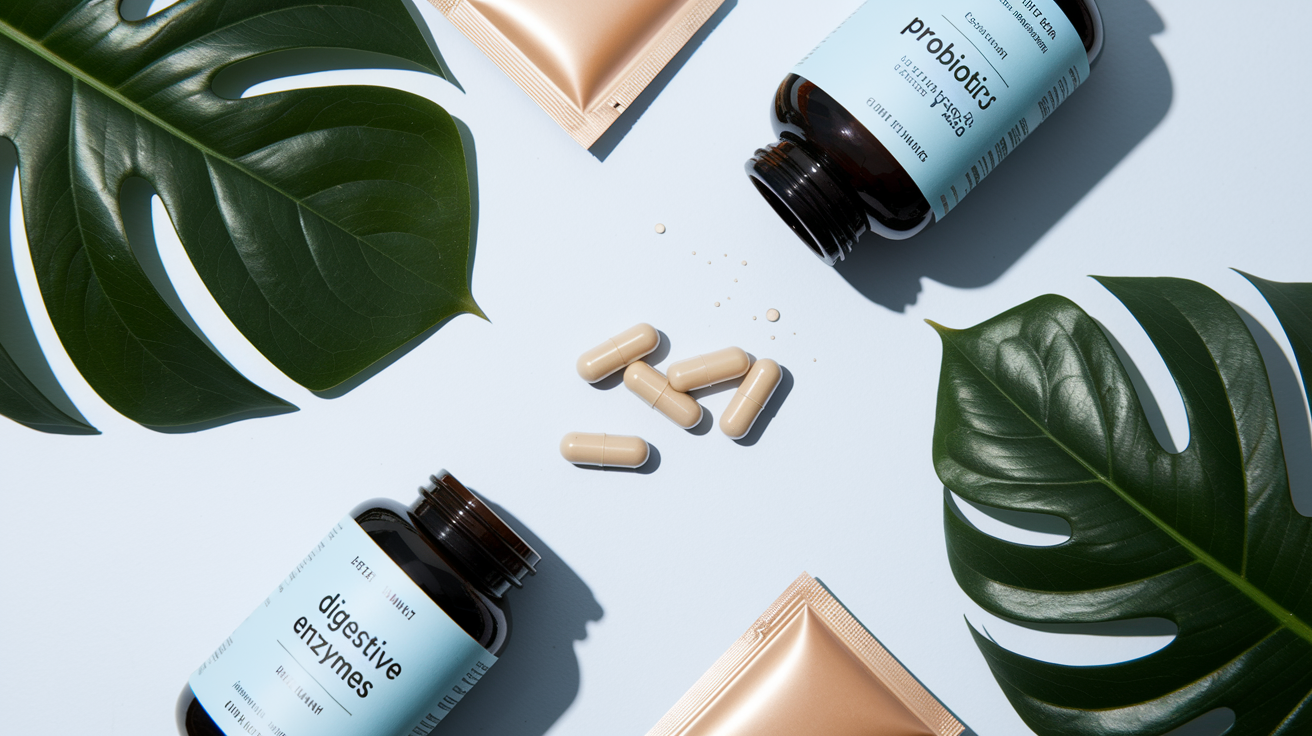
Digestive enzymes, probiotics, and electrolyte supplements are three options that may reduce bloating for some people. But they’re not magic fixes.
Digestive enzymes (especially those containing fructan hydrolase, alpha-galactosidase, and lactase) can break down fermentable carbohydrates (FODMAPs) before they reach your large intestine and produce gas. Sprinkle them on pre-workout meals that contain wheat, legumes, or dairy if those foods usually trigger symptoms.
Probiotics support long-term gut health and may reduce bloating over weeks or months, but they won’t provide immediate relief during a workout. Electrolyte supplements help maintain fluid balance and prevent cramping, which can feel similar to bloating during intense sessions. If you’re training hard, sweating heavily, or in a hot climate, electrolytes are worth adding. But they won’t fix bloating caused by poor meal timing or trigger foods.
Supplement options to consider:
Digestive enzymes (fructan hydrolase, alpha-galactosidase, lactase) for meals containing known trigger carbs.
Probiotics for ongoing digestive support (choose strains with research backing for bloating, such as Bifidobacterium or Lactobacillus).
Electrolyte mixes for intense or long workouts, especially if you sweat heavily.
Peppermint oil capsules (enteric-coated) may ease gas and cramping for some people when taken before meals.
Understanding How Digestion Works During Exercise

During physical activity, your body redirects blood flow from your digestive system to your working muscles, heart, and lungs. This shift slows gastric emptying (how quickly food leaves your stomach) and reduces intestinal motility (how efficiently food moves through your gut).
The result? Undigested food and trapped gas sit in your stomach or intestines longer, increasing the chance of bloating and discomfort.
High-intensity exercise at or above 70% of your maximum effort amplifies this effect. Your core temperature rises, which further slows digestion. And rapid breathing can cause you to swallow more air, especially if you’re gasping, gulping water, or eating energy gels mid-session. The combination of delayed gastric emptying, reduced gut blood flow, and swallowed air is why bloating often feels worse during hard training than during a casual walk.
The good news? Your gut adapts over time. Gradually increasing carbohydrate intake during workouts (sometimes called “gut training”) upregulates the intestinal transporters that absorb sugars and fluids, allowing you to tolerate more fuel without discomfort. Most people can absorb about 60 grams of carbohydrate per hour. Trained athletes using a mix of glucose and fructose may reach 90 grams per hour after several weeks of practice.
If you’re currently on a low-carb diet and suddenly carb-load before a race, your untrained gut may struggle, producing gas and bloating because absorption capacity hasn’t adapted yet.
Checklist of Common Bloating Triggers
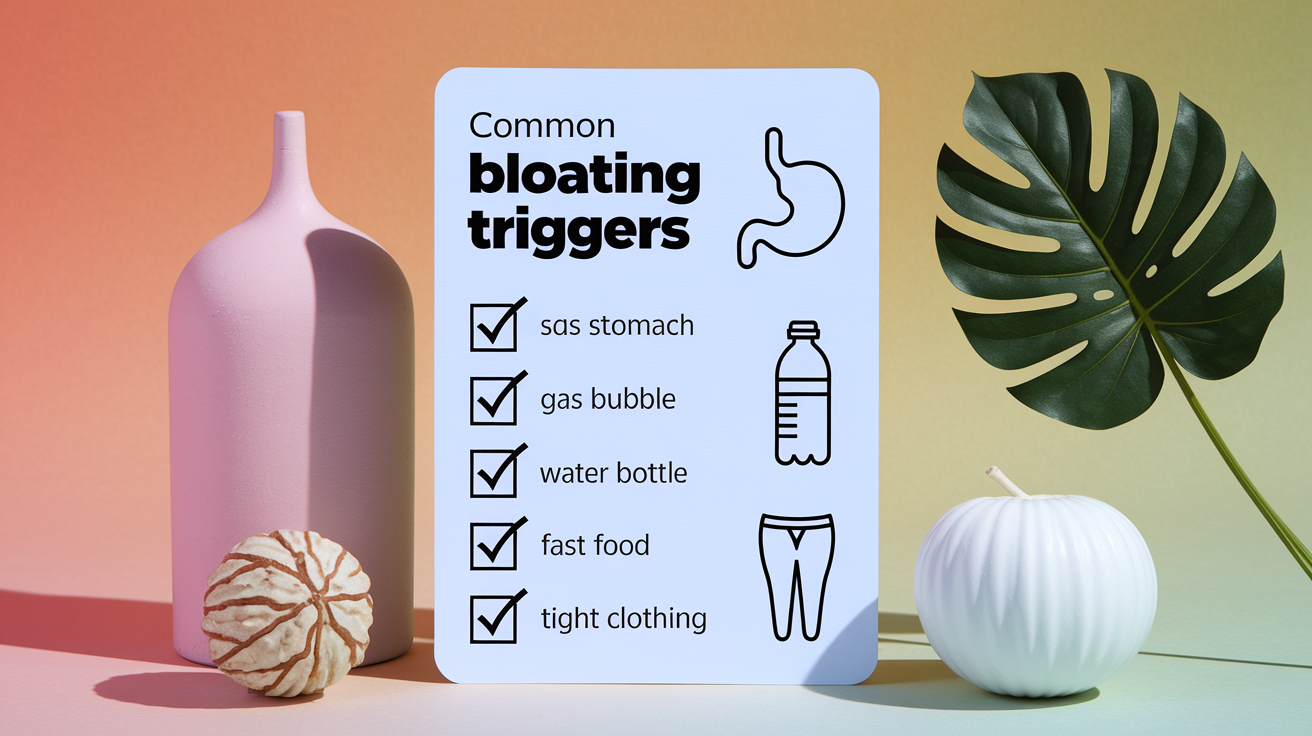
Use this list as a quick diagnostic when bloating becomes a regular problem. One or two triggers often explain most symptoms. Small adjustments can make a big difference.
Eating a full meal less than 2 hours before exercise
High-fiber foods (beans, broccoli, whole grains) within 1–2 hours of training
Carbonated drinks or sugar-free beverages with sugar alcohols (sorbitol, xylitol, erythritol)
Chugging large amounts of water immediately before or during workouts
Rapid eating or chewing gum (increases swallowed air)
High-fat or fried meals close to exercise
Tight-fitting clothing around your abdomen
High-intensity exercise without gradual carbohydrate or hydration training
If you check off multiple items, start by addressing meal timing and hydration habits first. They’re the easiest changes and often produce the fastest relief.
Expert Insights and Practical Tips

Experts in sports nutrition and gastroenterology emphasize gradual dietary changes and consistent routines over quick fixes. If you’ve been avoiding fiber or carbs for months, suddenly adding them back before a hard workout will likely trigger bloating because your gut hasn’t adapted.
Instead, increase fiber or carbohydrate intake slowly over several weeks, allowing your digestive system to upregulate enzymes and transporters. Track your meals, workout timing, and symptoms in a simple food diary for 2–3 weeks to identify consistent patterns. Most people find one or two clear triggers within the first week.
Work with a sports dietitian if bloating persists despite adjustments, especially if it’s severe enough to interfere with daily training or accompanied by pain, nausea, or unintentional weight loss. Conditions like IBS, SIBO, or GERD can all cause exercise-related bloating and require professional evaluation.
For most people, though, the solution is simpler: eat 2–3 hours before training, choose low-fiber and low-fat pre-workout meals, hydrate steadily, practice diaphragmatic breathing, and give your gut time to adapt.
Final Words
Start with immediate fixes: slow your pace, breathe from your belly, sit taller, and do a couple of gentle core stretches. Sip small amounts of water rather than chugging.
Plan meals 30–180 minutes before training depending on size, avoid common trigger foods and carbonated drinks, and lower intensity when you feel pressure. Supplements like enzymes or a probiotic can help some people but they’re optional.
If you want a simple playbook for how to avoid bloating during workouts, use these steps, track what works, and adjust slowly. You’ll feel better and keep training comfortably.
FAQ
Q: Why do I get so bloated during my workout?
A: You get bloated during workouts when trapped gas, swallowed air, eating too close to training, dehydration, poor breathing, or high-impact movement jostles the gut and slows digestion.
Q: How do I debloat my tummy quickly?
A: You can debloat quickly by slowing your pace, breathing from your belly (diaphragmatic breathing), doing gentle core stretches, sipping small amounts of water, and walking to move trapped gas — relief often comes in minutes.
Q: Is it okay to workout when bloated?
A: It’s usually okay to workout when bloated if symptoms are mild; lower intensity, choose low-impact moves, focus on breathing, and stop if you feel severe pain, dizziness, or intense discomfort.
Q: Why is my belly getting bigger after working out?
A: Your belly can look bigger after workouts from temporary causes: muscle swelling, water and glycogen (stored carbs) retention, minor inflammation, or trapped gas, and it usually settles within a day or two.