
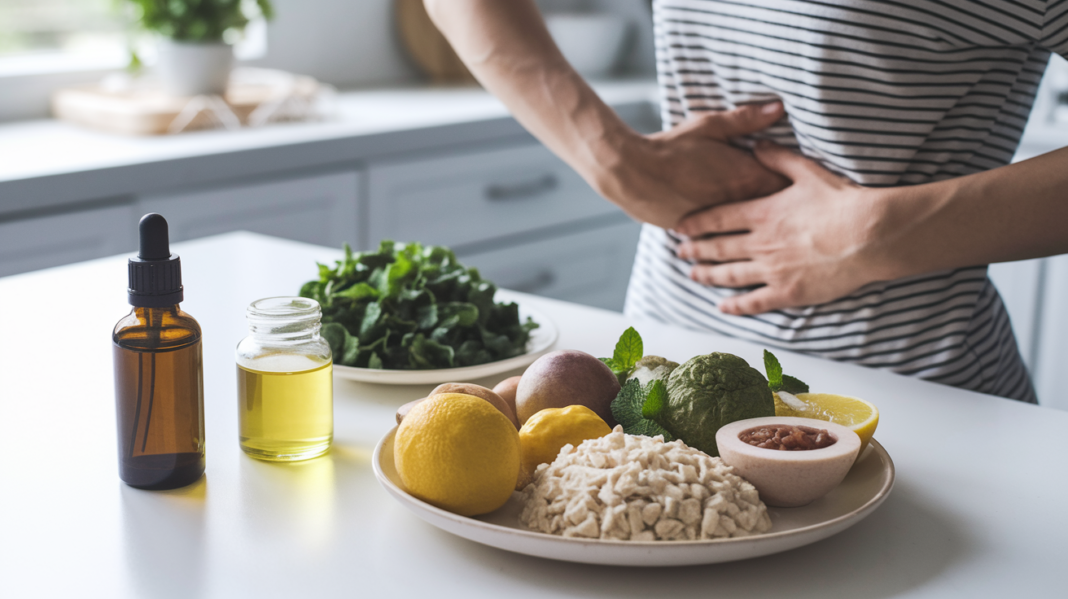

Tired of your waistline feeling like a balloon after every meal? If you have IBS, bloating often comes from normal gas building up faster and a colon that’s extra sensitive. You don’t have to wait for a miracle drug to feel better. Proven natural fixes can calm muscle spasms, cut gas where it starts, and help trapped air move on, often within an hour. Read on for quick, stackable habits and remedies to reduce bloating from IBS naturally so you feel less stretched today.
Quickest Natural Ways to Ease IBS-Related Bloating

IBS bloating shows up when gas builds in your intestines after gut bacteria ferment the food you can’t fully digest. Your colon gets more sensitive to that pressure. Even normal gas volumes feel uncomfortable.
Natural relief works because it either calms smooth muscle spasms, cuts gas production where it starts, or helps trapped gas move through faster.
These quick fixes won’t solve the root cause overnight. But they make today more bearable while you work on longer term changes. Use them when you feel that tight, stretched sensation building or when you’re about to eat something risky. They’re helpful during flare ups when you need symptom control fast.
The following strategies can be stacked together or used individually depending on what triggered your bloating:
Peppermint capsules or tea. Peppermint oil relaxes intestinal muscles and reduces spasm related pain within 30 to 60 minutes.
Heating pad on your abdomen. Warmth soothes muscle tension and promotes gas movement. Use for 15 minutes lying down.
Water between meals, not during. Sip slowly throughout the day. Drinking with food dilutes digestive enzymes and can increase gas.
Gentle abdominal massage. Use two fingers to trace an upside down “U” from your lower right side up, across, and down the left side to guide gas through your colon.
Low FODMAP snack swaps. Replace apples with berries. Skip the garlic hummus for plain peanut butter. Choose rice crackers instead of wheat based options.
Diaphragmatic breathing. Lie on your back, inhale slowly through your nose for four counts, exhale for six. Repeat 10 times to activate the parasympathetic nervous system and ease gut tension.
Dietary Adjustments That Minimize IBS Bloating
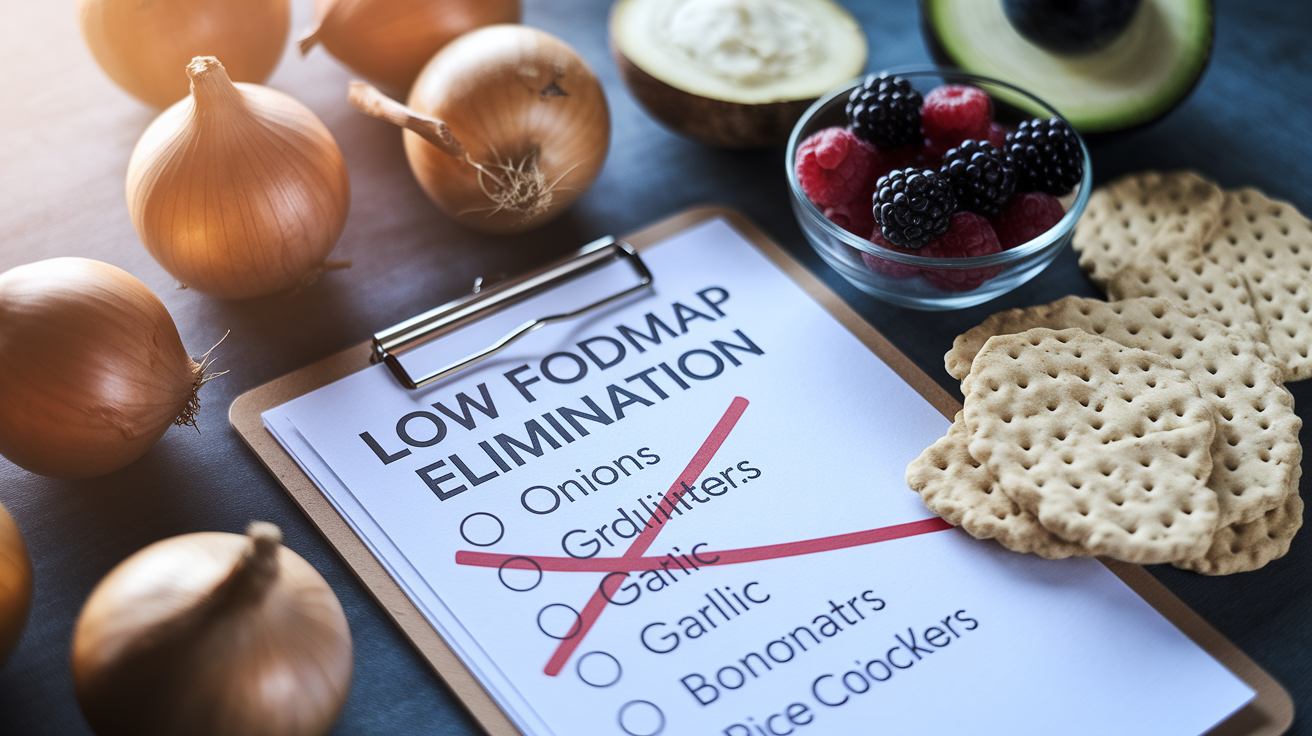
High FODMAP foods contain short chain carbohydrates that your small intestine can’t absorb well. When they reach your colon, bacteria ferment them quickly. Hydrogen and methane gas release and stretch your intestines. For many people with IBS, this happens faster and more dramatically than in people without the condition. The result is visible distension, discomfort, and a tight waistband by mid afternoon.
Identifying your personal triggers takes detective work. The most reliable method is a structured elimination period followed by systematic reintroduction. Remove suspected foods for two to three weeks, then add back one item every three days while tracking symptoms. This spacing lets you see delayed reactions and pinpoint exactly which foods cause problems for you.
The most common dietary culprits for IBS bloating:
Onions and garlic. High in fructans, a FODMAP that ferments rapidly in the colon.
Wheat based products. Bread, pasta, and crackers contain both fructans and gluten. Either one can trigger symptoms.
Apples, pears, and stone fruits. Rich in sorbitol and fructose, which are poorly absorbed in many IBS patients.
Beans and lentils. Packed with galacto oligosaccharides (GOS), a fiber type that creates significant gas during fermentation.
Artificial sweeteners. Sorbitol, mannitol, and xylitol are sugar alcohols that pull water into your intestines and ferment quickly.
A sustainable long term eating pattern isn’t about permanent restriction. Once you’ve completed a low FODMAP elimination phase and identified your triggers, you can reintroduce tolerated foods in portions that don’t provoke symptoms. Many people discover they can handle small amounts of certain FODMAPs or tolerate them better when eaten with other foods. The goal is variety and flexibility within your personal threshold, not a lifetime of rigid avoidance.
Lifestyle Habits That Support a Calmer Digestive System

Stress doesn’t just feel bad. It directly alters gut motility and makes your intestines more reactive to normal stimuli. When you’re anxious or overwhelmed, your brain sends signals that slow or speed up digestion unpredictably. Perfect conditions for gas buildup and bloating.
Regular stress reduction practices help keep your nervous system balanced and your gut moving steadily. Deep breathing, short walks, five minutes of stretching. Movement itself is one of the most underrated tools for reducing bloating frequency. Even a 10 minute walk after meals encourages peristalsis, the wave like muscle contractions that push food and gas through your intestines. You don’t need intense workouts. Gentle, consistent activity throughout the day beats one hard session that leaves you exhausted and too sore to move the next day.
Sleep routines matter more than most people realize. Poor or inconsistent sleep disrupts the gut brain axis and can worsen IBS symptoms, including bloating. Aim for the same bedtime and wake time every day, even on weekends, to stabilize your circadian rhythm. Your digestive system follows that rhythm too. Regular sleep helps regulate bowel movements, enzyme secretion, and gut bacteria activity.
Herbal Approaches for Reducing IBS Bloat
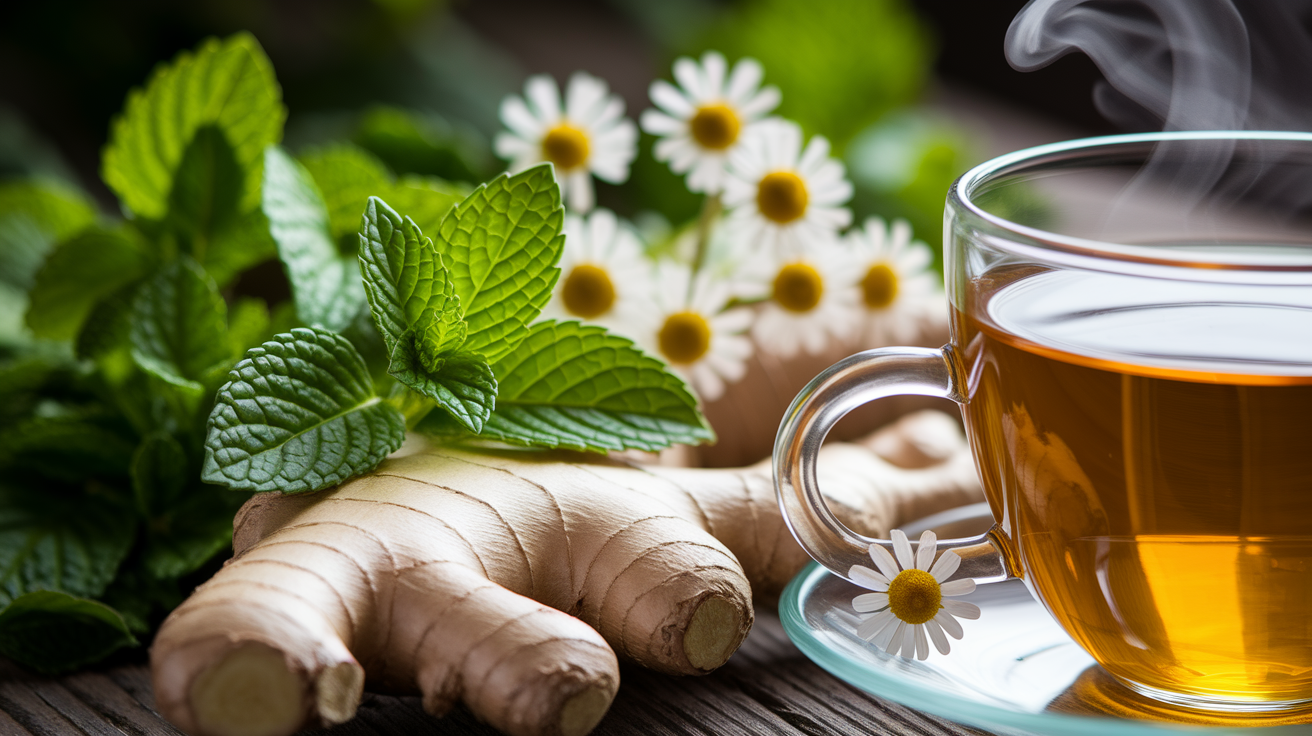
Herbal remedies offer targeted relief without the side effects many people experience from medications. They work best when used consistently and matched to your specific symptoms, not grabbed randomly off the shelf.
Peppermint is the most well studied herb for IBS bloating. Peppermint oil contains menthol, which relaxes smooth muscle in the intestinal wall and reduces painful spasms. Enteric coated peppermint capsules deliver the oil past your stomach so it releases in your intestines where you need it. If capsules aren’t available, hot peppermint tea works for milder symptoms, though it’s less concentrated. Peppermint tea is what I reach for when I feel that first uncomfortable tightness after lunch.
Ginger reduces inflammation and stimulates gastric emptying. Food moves out of your stomach faster and spends less time fermenting. It’s especially helpful if your bloating comes with nausea or sluggish digestion. Fresh ginger tea (grated root steeped in hot water for five minutes) or ginger capsules taken 30 minutes before meals can prevent bloating from building up in the first place.
Chamomile soothes gut spasms and has a mild calming effect on your nervous system. Good option when stress is triggering your IBS. Chamomile tea works well as part of an evening wind down routine, helping both your mind and your gut relax before bed.
Understanding Probiotics and Gut Balance for IBS Bloating

IBS often involves an imbalance in your gut microbiome, the community of bacteria living in your intestines. When certain bacterial strains overgrow or beneficial species decline, fermentation patterns shift. You produce more gas from the same foods.
Probiotics can help rebalance that ecosystem, but not all strains do the same thing. Not every probiotic will help your bloating.
Strain specific benefits matter. Research shows that certain strains reduce IBS bloating more reliably than others. Bifidobacterium infantis, for example, has been studied specifically for IBS and shows consistent improvements in bloating, pain, and bowel habit irregularity. Lactobacillus plantarum and Bifidobacterium lactis also have positive evidence for reducing gas and distension. Generic “probiotic blends” without named strains are less predictable because you don’t know what you’re getting or whether those bacteria survive stomach acid to reach your colon.
| Strain | Known Benefit |
|---|---|
| Bifidobacterium infantis 35624 | Reduces bloating, abdominal pain, and bowel irregularity in IBS patients |
| Lactobacillus plantarum 299v | Decreases gas production and improves overall IBS symptom scores |
| Bifidobacterium lactis HN019 | Speeds gut transit time and reduces constipation related bloating |
| Saccharomyces boulardii | Supports gut barrier function and reduces bloating in IBS D (diarrhea predominant) |
If you start a probiotic and your bloating gets worse instead of better, stop and consider testing for SIBO (small intestinal bacterial overgrowth). In SIBO, adding more bacteria, even beneficial strains, can worsen fermentation and gas production. A breath test can confirm whether SIBO is present. Treatment with targeted antibiotics or herbal antimicrobials can clear the overgrowth before you try probiotics again.
Hydration, Meal Timing, and Eating Behaviors

Water intake affects bloating more than you might expect. Drinking large amounts during meals dilutes stomach acid and digestive enzymes, which slows breakdown and increases fermentation later in your intestines. Sip water steadily between meals instead. Aim for most of your daily intake outside of the 30 minutes before and after eating. This keeps you hydrated without interfering with digestion.
Meal timing and spacing matter because your gut works best on a predictable schedule. Eating at roughly the same times each day trains your digestive system to produce enzymes and move food efficiently. Skipping meals or eating erratically can slow motility and create pockets of stagnant food that ferment and produce gas. Three moderate meals or four smaller meals spaced evenly across the day usually work better than grazing all day or eating two huge meals.
How you eat is just as important as what you eat. Chewing slowly and thoroughly breaks food into smaller particles, which are easier for your stomach and intestines to process. When you eat quickly, you swallow more air. That air has to go somewhere, either up as a burp or down into your intestines where it adds to bloating. Put your fork down between bites. Aim for 20 to 30 chews per mouthful. Make each meal last at least 15 minutes. It sounds simple, but slowing down can cut bloating noticeably within a few days.
Final Words
Start with the quick fixes: peppermint capsules, heat on the belly, paced breathing, abdominal massage, sipping water between meals, and low-FODMAP swaps. These give fast relief so you can feel better today.
Then tweak habits: slow eating, even meal spacing, light movement after meals, and stress tools for calmer digestion.
Combine those steps with herbal support or a strain-specific probiotic if needed, and you’ll be able to reduce bloating from IBS naturally over time. Small, consistent moves add up. Keep going—you’ll notice the difference.
FAQ
Q: How to make IBS bloating go away?
A: Making IBS bloating go away starts with a low‑FODMAP (low fermentable carbs) swap, slow eating, peppermint oil or tea, a 10–15 minute walk, abdominal massage, and a warm compress to ease gas and spasms.
Q: What drink calms down IBS?
A: A drink that calms down IBS is peppermint tea; ginger or chamomile tea are good alternatives, and warm water between meals also soothes digestion and helps reduce bloating.
Q: Is it normal to be constantly bloated with IBS?
A: Being constantly bloated with IBS is common but not inevitable; track triggers, try a low‑FODMAP (low fermentable carbs) approach, pace meals and movement, and see a clinician if symptoms are severe or new.