


Tired of protein shakes that leave you bloated, gassy, or doubled over?
If so, the difference between whey isolate and whey concentrate matters.
Whey isolate is the highly filtered form that strips most lactose (milk sugar), fat, and extras.
Concentrate keeps more lactose and fats, which can ferment in your gut and cause gas or cramping.
This post explains why isolate usually wins for sensitive stomachs, what to watch for on labels, and simple swaps to keep your protein without the pain.
Digestive Comfort Differences Between Whey Isolate and Concentrate

Whey isolate works for people who can’t get through a protein shake without bloating or cramping afterward. You’re getting 90% protein or more per scoop because the filtration process pulls out most of the lactose, fat, and carbs. There’s not much left for your gut to react to. Whey concentrate sits around 70 to 80% protein. The rest? Lactose, fat, and other dairy bits that can mess with your stomach if you don’t handle dairy well.
Lactose is the biggest issue. Concentrate still has enough lactose to cause gas, cramping, or urgent bathroom trips if your body doesn’t break down milk sugar efficiently. Isolate strips almost all of it out during processing, so you’re left with a cleaner protein and way less chance of fermentation happening in your lower gut. If you’ve noticed that shakes make you uncomfortably gassy an hour or two later, that’s usually lactose at work.
Isolate also moves through your stomach faster because there’s barely any fat slowing things down. Less fat means quicker emptying, so the shake doesn’t sit heavily or cause reflux. Concentrate has enough fat to slow digestion a bit. Some people find that filling. Others just feel sluggish and uncomfortable. For reactive stomachs, isolate’s speed and simplicity win.
Why whey isolate is better tolerated:
- Almost zero lactose, so less fermentation and gas
- Protein purity above 90% means fewer irritating dairy components per serving
- Minimal fat allows faster digestion and less reflux risk
- Leaves less undigested material behind, which cuts down on bloating and cramping
Processing Methods and Their Impact on Digestive Tolerance

Whey concentrate uses basic filtration to pull out some water, lactose, and minerals from liquid whey. But plenty gets left behind. You end up with a protein powder that still carries moderate lactose, fat, and carbs. It’s a simpler process, which keeps the cost down. It also explains why concentrate can cause digestive trouble if you’re sensitive to dairy.
Whey isolate goes through more advanced techniques like cross-flow microfiltration or ultrafiltration. These methods use fine ceramic membranes to separate protein molecules from nearly all lactose, fat, and ash. The whey moves through multiple filtration cycles at controlled temperatures, which keeps the protein intact while removing the stuff that tends to irritate your gut. That extra step pushes protein purity past 90% and makes isolate way gentler on digestion.
Cleaner filtration means fewer gut irritants left over. When you remove lactose and fat at the molecular level, your digestive enzymes can break down the protein quickly and completely. Less undigested material reaches your colon, which directly translates to less bloating, gas, and cramping. Processing matters just as much as the protein source when your stomach is reactive.
Lactose Levels and Their Role in Stomach Sensitivity

Lactose is a sugar your body needs the enzyme lactase to digest. If you’re low on lactase, or you produce less as you age, undigested lactose travels to your colon where gut bacteria ferment it into gas. That fermentation causes the bloating, cramping, and urgent bathroom trips many people get after drinking a standard protein shake made with whey concentrate. Concentrate can have anywhere from 3 to 6 grams of lactose per serving, depending on the brand and how well it’s processed. That’s enough to trigger symptoms even if you only have mild lactose sensitivity.
Whey isolate removes nearly all lactose during filtration. Most quality isolates have less than 1 gram of lactose per serving. Some are labeled lactose-free because the amount is so negligible. That difference shows up immediately. When there’s almost no lactose present, there’s almost nothing for gut bacteria to ferment, so you avoid the gas, bloating, and discomfort that come with it. If you’ve been skipping protein powder altogether because of past digestive issues, switching to a clean isolate often solves the problem within a day or two.
Common symptoms triggered by lactose in whey concentrate:
- Bloating and visible stomach distension within 30 to 90 minutes after drinking
- Increased gas production, often with a noticeable smell from bacterial fermentation
- Cramping or sharp abdominal discomfort, especially in the lower gut
Protein Purity, Absorption, and Digestive Impact

Higher protein purity means your body has less non-protein material to process. When you drink a shake that’s 90%+ protein, your digestive system focuses on breaking down amino acids without dealing with a heavy load of fat, carbs, or lactose at the same time. That focused workload speeds absorption and reduces the chance that partially digested material will sit in your stomach or ferment in your intestines.
Whey isolate is considered a fast-digesting protein because it contains minimal fat to slow gastric emptying. It moves through your stomach quickly, gets broken into peptides and amino acids in your small intestine, and enters your bloodstream within about 20 to 40 minutes. That speed helps with muscle recovery. It’s also easier on your gut because nothing lingers long enough to cause discomfort or reflux.
Whey concentrate digests slightly slower due to its additional fat and carbohydrate content. For some people, that slower digestion feels satisfying and helps with hunger control. For others, especially those with sensitive stomachs, it feels heavy, sits uncomfortably, or triggers acid reflux. The extra lactose and fat also mean more potential for incomplete digestion, which can lead to bloating and gas as undigested material reaches the colon. If you notice that protein shakes make you feel sluggish or cause a sloshing sensation during workouts, the extra bulk in concentrate is probably why.
Pros and Cons of Whey Isolate and Concentrate for Sensitive Stomachs
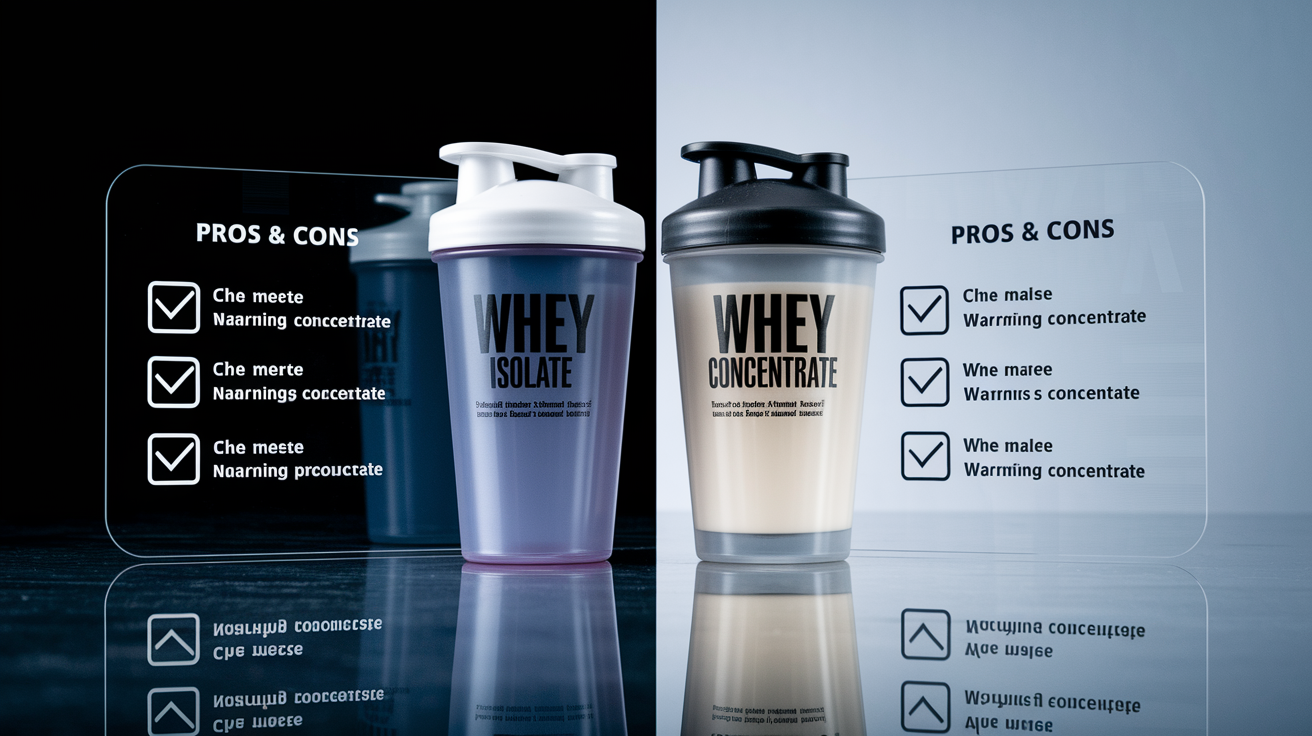
Whey isolate and whey concentrate both deliver quality protein with a complete amino acid profile. But they affect digestion very differently. Understanding the trade-offs helps you pick the option that matches your gut tolerance and your budget.
| Whey Isolate | Whey Concentrate |
|---|---|
| 90%+ protein purity; minimal lactose, fat, and carbs | 70–80% protein purity; higher lactose and fat content |
| Easier digestion; fast absorption; very low bloating risk | Slower digestion; can cause gas, bloating, and cramping in sensitive individuals |
| Higher cost due to advanced filtration processing | Lower cost; more budget-friendly for daily use |
| Best for lactose intolerance, dairy sensitivity, and calorie-restricted diets | Fine for people with no dairy issues; may support satiety due to slightly slower digestion |
Isolate is the safer choice if you’ve had any history of bloating, gas, or stomach discomfort with protein powders. It costs more, but the difference in digestive comfort usually makes it worth it. You’re paying for the extra filtration steps that remove the components most likely to irritate your gut. Concentrate can work well if your stomach handles dairy without issues and you want a slightly richer shake at a lower price. Just know that the lactose and fat content make it a riskier option if your gut is reactive.
Recommended Protein Powder Options for Sensitive Stomachs

When shopping for a protein powder that won’t upset your stomach, focus on products labeled lactose-free or ultra-low lactose. These formulas are designed specifically for people who struggle with standard whey products. Look for isolates that list protein content at or above 90% per serving and keep ingredient lists short. Ideally four to six items with no artificial sweeteners, gums, or thickeners.
-
Lactose-free whey isolate – The safest option for lactose sensitivity. Many brands now test and certify their isolates as lactose-free, meaning lactose levels are undetectable or trace amounts only.
-
Hydrolyzed whey isolate – Pre-broken into smaller peptides for even faster absorption and easier digestion. This option helps if you’ve tried standard isolate and still experienced mild bloating or discomfort.
-
Grass-fed whey isolate – Often processed with fewer additives and no hormones. The cleaner production process can reduce the chance of hidden gut irritants. Some people find grass-fed formulas gentler overall.
-
Unflavored or naturally flavored isolate – Avoids artificial sweeteners like sucralose and sugar alcohols like erythritol, which are common triggers for gas and cramping. Stick with monk fruit, stevia, or plain unflavored powder you can mix with your own ingredients.
Alternatives to Whey for Strong Digestive Sensitivity

If even whey isolate causes symptoms, you may be reacting to dairy proteins themselves, not just lactose. In that case, switching to a non-dairy protein source is the next step. Plant-based proteins are the most common alternative, though they come with their own digestive considerations. Some plant proteins contain fiber and anti-nutrients that can cause bloating in sensitive individuals, so choosing the right type matters.
Hydrolyzed beef protein isolate is a top alternative for people who can’t tolerate dairy or plant proteins. It’s pre-broken into peptides, contains no lactose or dairy proteins, and typically delivers around 22 grams of protein per serving with minimal additives. Collagen peptides are another option, offering about 23 grams of protein per serving plus gut-soothing glycine. Both are highly absorbable and gentle on digestion, though collagen isn’t a complete protein for muscle-building goals.
Common plant-based alternatives:
- Pea protein – Dairy-free and widely available, but can cause bloating in some people due to fiber content
- Rice protein – Hypoallergenic and easy to digest; often blended with pea to improve amino acid balance
- Hemp protein – Contains healthy fats and fiber; may feel heavy or cause gas in sensitive stomachs
Final Words
Choose whey isolate first if meals leave you bloated or gassy — it’s higher in protein, lower in lactose, and processed to remove most fat and carbs, so it’s easier on the stomach.
If you still notice symptoms, try a hydrolyzed isolate or switch to a dairy-free option like pea or rice. Test one change at a time and give each a few days.
For a quick rule: protein powder for sensitive stomachs whey isolate vs concentrate — start with isolate, see how you feel, and adjust. You’ll likely feel steadier and more comfortable.
FAQ
Q: Is whey concentrate better than isolate for stomach? Which protein is best for lactose intolerance, isolate or concentrate? Is whey concentrate better than isolate?
A: Whey isolate is generally easier on the stomach and better for lactose intolerance because it’s filtered to 90%+ protein with much less lactose; concentrate (70–80% protein) has more lactose and may cause gas or bloating.