


What if less bloating and steady energy came from how you pair foods, not a pill?
Protein plus fiber (the part of plants that keeps you regular and feeds good gut bacteria) slows digestion, steadies blood sugar, and helps you feel full longer.
This piece shows simple, real-world pairings for breakfast, lunch, dinner, and quick swaps, so you’ll eat to calm your gut and avoid that 3 p.m. crash.
Read on for practical combos you can use today.
Practical Protein–Fiber Pairings That Support Digestion
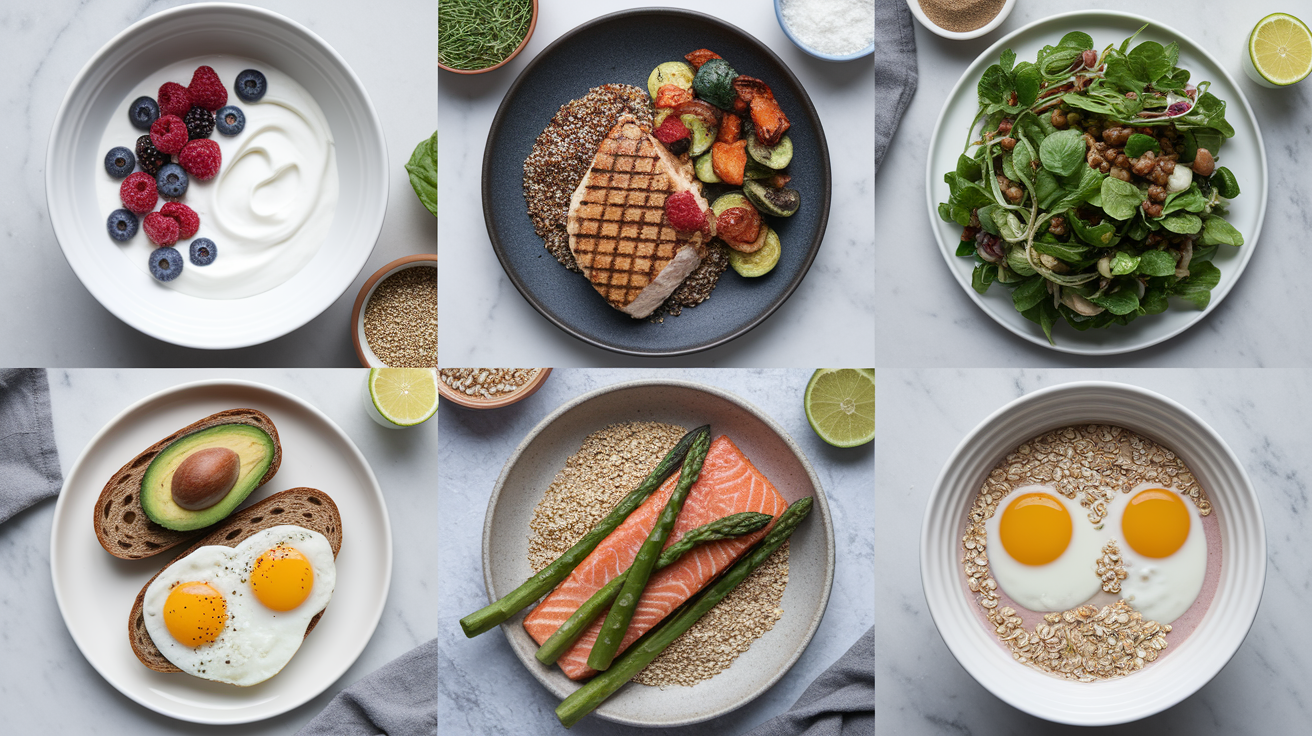
Protein and fiber work together in ways that make digestion smoother and hunger easier to manage. Protein triggers satiety hormones like GLP-1 and PYY, so your brain gets a clear “you’re full” signal. Fiber slows how quickly your stomach empties into your small intestine, which steadies glucose absorption and keeps you satisfied longer. Soluble fiber turns into a gel in your gut, smoothing out blood sugar swings and feeding the bacteria you want thriving in there. Insoluble fiber adds bulk and keeps everything moving. When you eat 3 oz of grilled chicken with a cup of cooked quinoa and roasted vegetables, you’re feeding your muscles and keeping your appetite quiet, while the fiber prevents that mid-afternoon crash.
Daily targets make this more concrete. Aim for 0.8 to 2.0 g of protein per kilogram of body weight and 25 to 38 g of fiber per day. A 70 kg adult who’s generally healthy might target around 56 g of protein at minimum, or closer to 84 to 140 g if they’re training regularly or trying to lose weight. For fiber, women usually need at least 25 g and men at least 38 g. Spread both nutrients across three meals and maybe a snack or two, so your gut doesn’t get overwhelmed and your energy stays steady. If you’re planning a workout, keep heavier fiber meals at least an hour or two before you start. A big lentil stew right before a run can leave you feeling heavy.
Here are six pairings that deliver both in one sitting:
- Greek yogurt (170 g) with 1 cup mixed berries and 1 tablespoon chia seeds: Roughly 15 to 20 g protein, 8 to 10 g fiber.
- Grilled chicken (3 oz) with 1 cup cooked quinoa and roasted vegetables: About 33 to 35 g protein, 6 to 8 g fiber.
- Lentils (1 cup cooked) with a large leafy green salad and olive oil dressing: Around 18 g protein, 10+ g fiber.
- Baked salmon (4 oz) with 1 cup cooked barley and steamed asparagus: Approximately 30 g protein, 8 g fiber.
- Two eggs with half an avocado and two slices whole grain toast: Roughly 18 g protein, 9 g fiber.
- Whey protein (1 scoop) with ⅓ cup oats and 1 tablespoon flaxseed in a smoothie: About 24 g protein, 7 g fiber.
The Science Behind Protein–Fiber Synergy in Digestion

Fiber comes in two types, and you need both. Soluble fiber is found in oats, chia seeds, flaxseed, legumes, and some fruits. It dissolves in water and forms a gel that slows glucose and cholesterol absorption. Insoluble fiber shows up in whole grains, vegetables, and the outer layers of seeds. It adds bulk to stool and speeds transit through your colon. Protein supports the production of digestive enzymes, repairs the mucosal lining of your gut, and signals the release of hormones that reduce appetite. When protein and fiber land in your stomach together, protein tells your brain you’re full while fiber slows the rate at which calories enter your bloodstream. You get steadier energy, fewer cravings, and a gut environment that supports diverse, beneficial bacteria.
Fiber fermentation by gut bacteria produces short-chain fatty acids like butyrate, which fuel the cells lining your colon and reduce inflammation. Protein provides the amino acids needed to repair and maintain that lining, especially after physical stress or illness. The combination also blunts post-meal blood sugar spikes, which over time improves insulin sensitivity. You feel satisfied longer, snack less, and avoid the energy roller coaster that comes from eating carbohydrates alone.
When you pair these two nutrients regularly, you can expect:
- Increased satiety and reduced snacking between meals
- More stable blood sugar and sustained energy throughout the day
- Improved bowel regularity and microbiome diversity
- Better cardiovascular markers, including lower LDL cholesterol and improved blood pressure
High-Fiber Breakfasts With Protein for Easier Digestion

Breakfast is the simplest place to lock in protein and fiber before your day gets chaotic. A bowl of Greek yogurt with oats and berries gives you soluble fiber from the oats, prebiotic fuel from the berries, and around 15 to 20 g of protein to hold your hunger until lunch. If you prefer something warm, cook your oatmeal the night before or in the morning, then stir in a scoop of whey protein once it’s off the heat. You’ll get roughly 30 g of protein and 7 g of fiber in a bowl that takes five minutes to assemble. When you wake up to a breakfast that combines these two, you’re setting up your gut and your focus to stay steady for hours.
Overnight oats are another reliable template. Combine rolled oats, chia seeds, a scoop of protein powder, and milk or a plant-based alternative in a jar the night before. In the morning, top with sliced banana or a handful of walnuts. The chia seeds add soluble fiber and omega-3s, the oats provide insoluble fiber and slow-release carbs, and the protein powder delivers 20 to 25 g of protein without any cooking. If raw oats don’t sit well with you, lightly toast them first or use quick oats.
| Meal | Approx Protein | Approx Fiber |
|---|---|---|
| Greek yogurt + ½ cup oats + 1 cup berries + 1 tbsp chia | 20 g | 10 g |
| Cooked oatmeal + 1 scoop whey protein + 1 tbsp flaxseed | 30 g | 7 g |
| Overnight oats + protein powder + sliced banana + walnuts | 25 g | 9 g |
| Two-egg omelet + spinach + half an avocado + whole grain toast | 18 g | 9 g |
Plant Protein and Fiber Combinations for Gentle, Gut-Friendly Meals

Lentils, chickpeas, black beans, and tofu are all protein sources that come packaged with fiber. A cup of cooked lentils gives you roughly 18 g of protein and 8 g of fiber, plus resistant starch that feeds beneficial gut bacteria. Pair lentils with a large salad of leafy greens, cucumber, and tomato, and you’re adding even more insoluble fiber and water to support regular bowel movements and keep you hydrated. Quinoa is another complete plant protein, delivering about 8 g of protein and 5 g of fiber per cooked cup. Build a bowl with quinoa, roasted sweet potato, steamed broccoli, and a tahini drizzle, and you’ve got a meal that satisfies your hunger and your gut.
Tofu and tempeh are soy-based proteins that work well with high-fiber vegetables. Try cubing firm tofu, pan-frying it until crispy, and serving it over brown rice with steamed broccoli and sesame seeds. The tofu provides around 20 g of protein per half block, and the broccoli and brown rice add roughly 6 g of fiber. If you prefer something cold, toss chickpeas with chopped bell pepper, red onion, parsley, and a lemon-olive oil dressing. A single-cup serving of chickpeas delivers about 15 g of protein and 12 g of fiber, and the raw vegetables add crunch and extra insoluble fiber.
Legumes can cause gas and bloating if you’re not used to them. A few simple steps reduce discomfort:
- Rinse canned beans thoroughly under cold water to wash away excess oligosaccharides.
- Soak dried beans overnight, then discard the soaking water before cooking.
- Cook beans completely until soft. Undercooked beans are harder to digest.
- Start with smaller portions, like half a cup instead of a full cup, and increase gradually over a week or two.
- Add a piece of kombu seaweed to the cooking water. It contains enzymes that help break down complex carbohydrates.
Animal Protein Meals Balanced With Fiber-Rich Sides
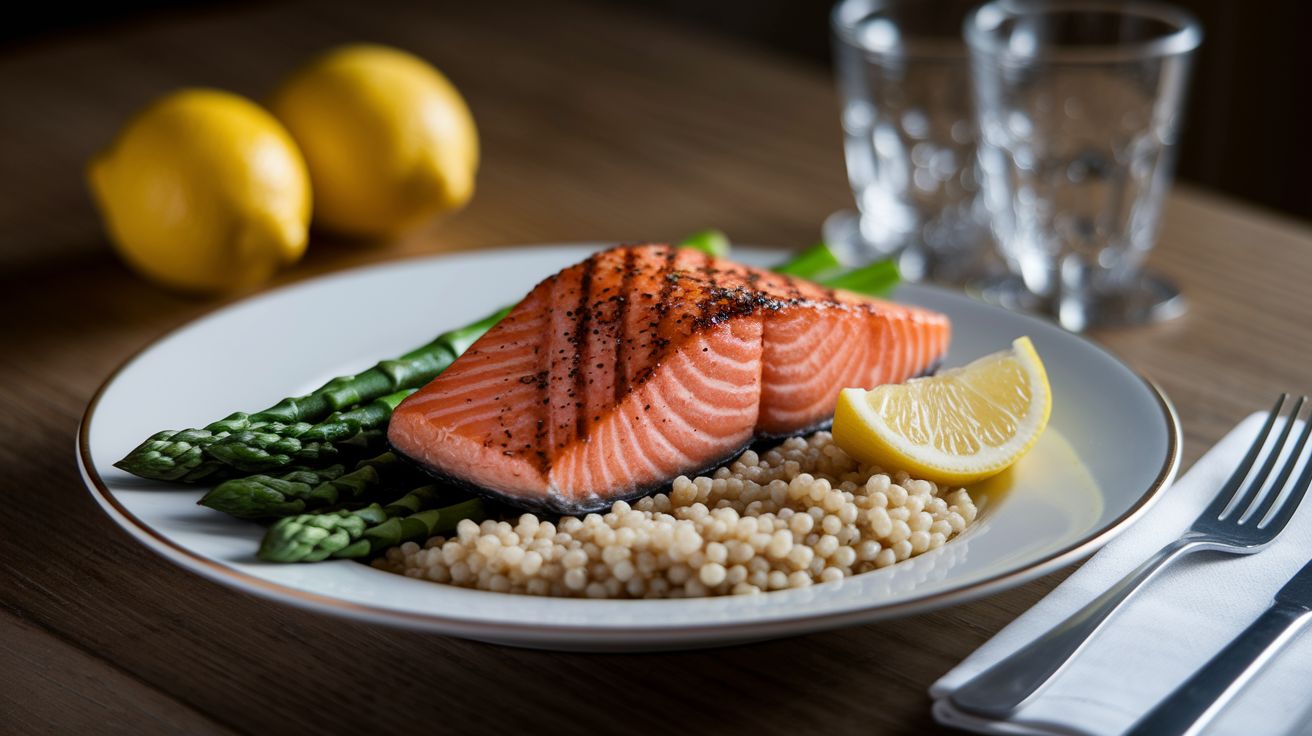
Animal proteins like chicken, salmon, sardines, eggs, and turkey are naturally low in fiber, so you need to pair them with vegetables, whole grains, or legumes to get the digestive benefits. A 4 oz salmon fillet over a cup of cooked barley with steamed asparagus gives you roughly 30 g of protein and 8 g of fiber. The omega-3s in salmon support gut lining integrity, and the soluble fiber in barley slows glucose absorption. If you prefer poultry, grill a chicken breast and serve it with roasted Brussels sprouts and a small sweet potato. You’ll get about 35 g of protein and 8 g of fiber, and the cruciferous vegetables add prebiotics that feed beneficial bacteria.
Sardines are an underused option. A small can (about 3.75 oz) delivers roughly 23 g of protein and is rich in omega-3s and calcium. Pair sardines with a lentil salad (cooked lentils, diced cucumber, cherry tomatoes, parsley, and lemon juice), and you’ve built a meal with around 40 g of protein and 10 g of fiber. It’s shelf-stable, quick to assemble, and gentle on your gut if you tolerate fish well.
Here are five dinner ideas that balance animal protein with fiber-rich sides:
- Grilled chicken breast (4 oz) with quinoa and roasted mixed vegetables: ~35 g protein, 8 g fiber
- Baked salmon (4 oz) with barley and steamed asparagus: ~30 g protein, 8 g fiber
- Turkey meatballs with whole wheat pasta and marinara with spinach: ~32 g protein, 7 g fiber
- Sardines with lentil salad, cucumber, and tomato: ~40 g protein, 10 g fiber
- Two eggs with black beans, sautéed kale, and whole grain toast: ~20 g protein, 10 g fiber
Supporting Digestion Through Fiber Tolerance, Hydration, and Meal Ratios
If you suddenly jump from 10 g of fiber per day to 30 g, your gut will let you know. Bloating, gas, and even constipation can result when fiber intake increases too quickly or when you don’t drink enough water. The best approach is to add 5 g of fiber every few days over one to two weeks. Start by swapping white rice for brown rice, then add a handful of berries to breakfast, then include a side salad at lunch. Your gut bacteria need time to adjust to the new fuel, and your digestive tract needs water to move that fiber through. Aim for at least eight cups of water daily, more if you’re active or live somewhere hot.
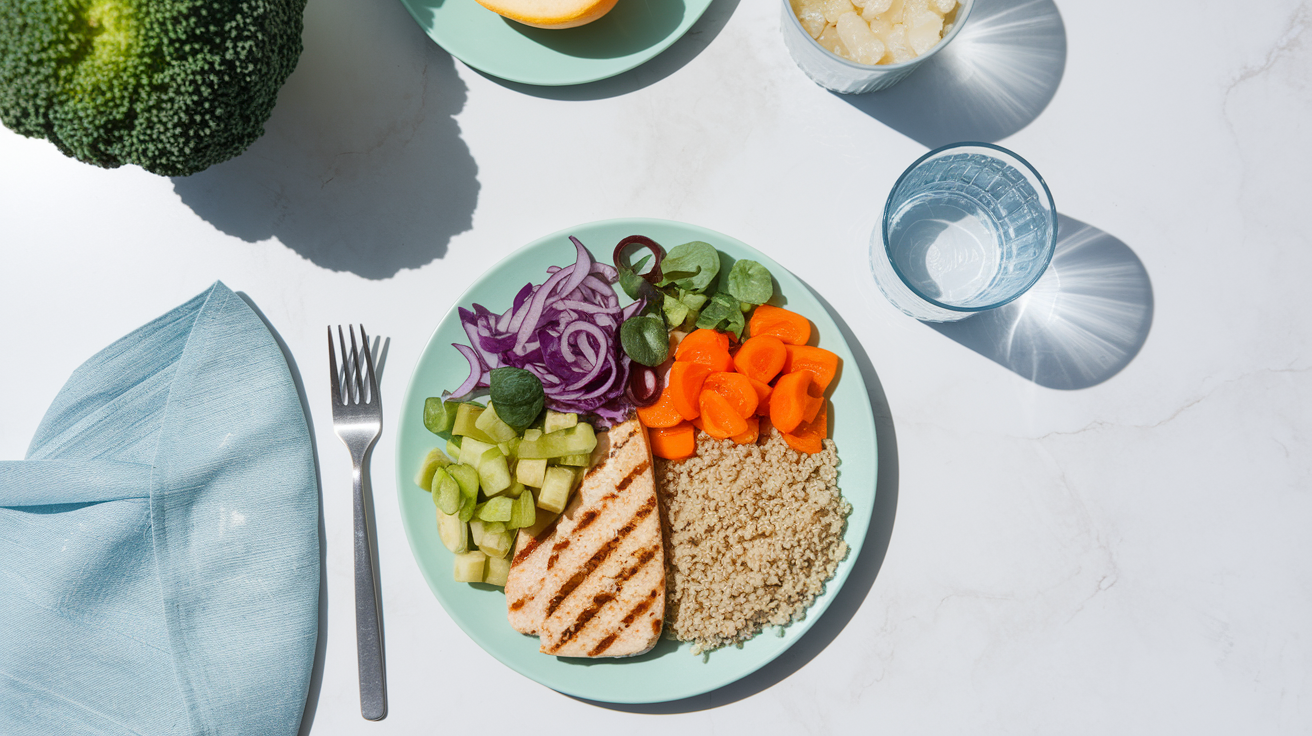
Meal ratios don’t need to be exact. A useful template is to fill half your plate with vegetables or a whole grain, one quarter with protein, and the remaining quarter with a starchy carb or additional fiber source like beans or fruit. This naturally balances protein and fiber without obsessive tracking. If you’re preparing a high-fiber meal like lentil stew, pair it with a moderate protein source rather than doubling up on both. A cup of lentils plus 4 oz of chicken can feel heavy. A cup of lentils with a handful of greens and a small piece of whole grain bread is often more comfortable. Around workouts, limit very high-fiber meals within an hour or two before exercise to avoid cramping or the urge to use the bathroom mid-session.
If gas and bloating persist, try these adjustments:
- Cook vegetables instead of eating them raw. Heat breaks down tough cellulose and makes fiber easier to digest.
- Rinse canned beans and legumes to remove gas-producing oligosaccharides.
- Chew thoroughly and eat slowly. Digestion starts in your mouth, and rushed meals mean larger food particles hit your stomach.
- Consider a low-FODMAP approach temporarily if symptoms are severe, then reintroduce fiber sources one at a time to identify triggers.
Protein–Fiber Meal Planning for Different Diets and Lifestyles
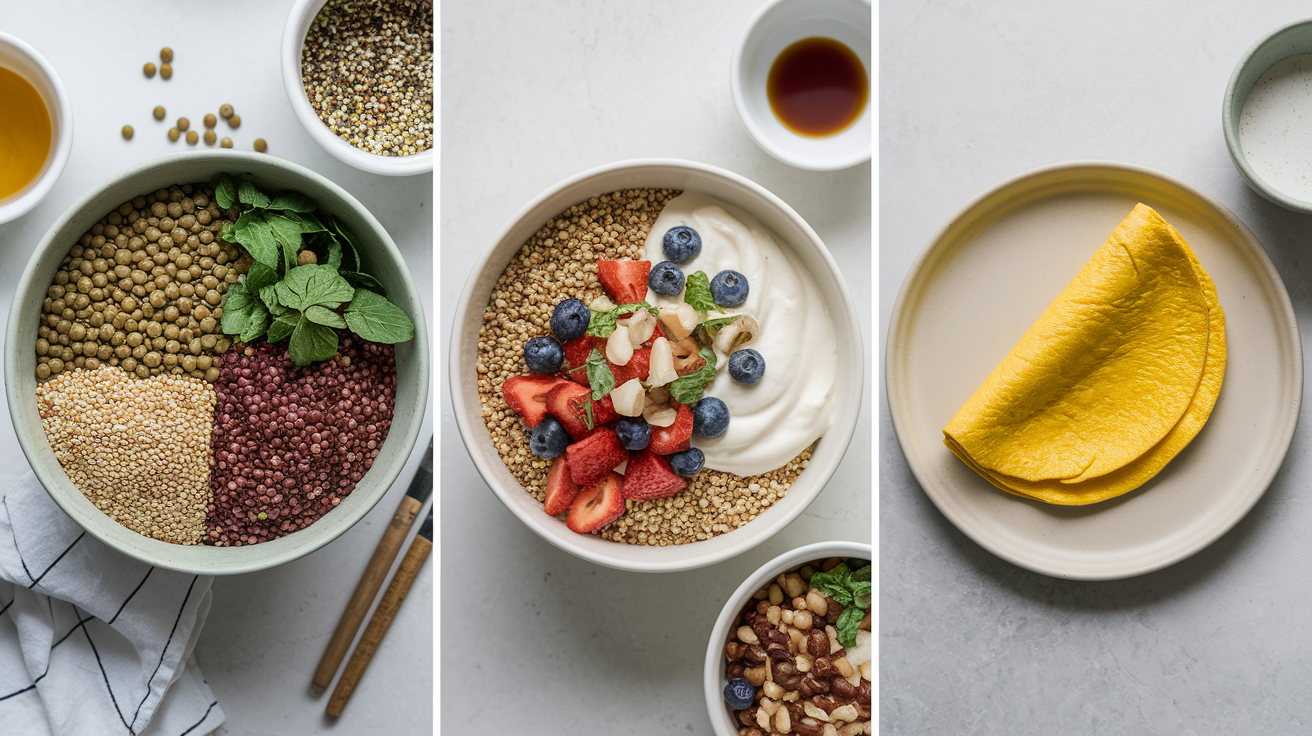
Dietary restrictions or preferences don’t eliminate your ability to pair protein and fiber. The combinations just shift depending on what you include or avoid. Vegan and vegetarian diets rely on plant proteins that naturally come with fiber, so the challenge is often ensuring enough total protein rather than adding fiber. Gluten-free and allergy-friendly plans require safe swaps, but fiber and protein are still available in whole foods that fit your needs.
Vegan and Vegetarian Options
Lentils, chickpeas, black beans, and edamame are staples. A cup of cooked lentils gives you 18 g of protein and 8 g of fiber. Tofu and tempeh are complete proteins. A half block of firm tofu delivers about 20 g of protein, and tempeh adds a chewy texture and slightly higher protein count. Quinoa is technically a seed but functions as a grain and provides all nine essential amino acids. Pair it with roasted vegetables and tahini for a balanced bowl.
For vegetarians who eat dairy, Greek yogurt is a high-protein base. Stir in chia seeds, ground flaxseed, and berries for a breakfast that hits 20 g of protein and 10 g of fiber. If you eat eggs, an omelet with spinach, mushrooms, black beans, and a slice of whole grain toast covers both nutrients in one meal. Plant-based protein powders (pea, rice, or hemp) can be blended with oats, banana, and almond butter for a quick smoothie that delivers 25 g of protein and 7 g of fiber.
Gluten-Free or Allergy-Friendly Modifications
Swap wheat-based grains for quinoa, brown rice, oats (certified gluten-free), or buckwheat. All of these provide fiber without gluten. If you’re avoiding nuts, use seeds instead: sunflower seeds, pumpkin seeds, and hemp seeds all add protein and healthy fats. For dairy allergies, replace Greek yogurt with coconut yogurt or a fortified plant-based option, and use pea protein or rice protein powder in smoothies.
If legumes cause discomfort, try smaller portions of well-cooked beans or switch to lentils, which are often better tolerated. Canned lentils are pre-cooked and softer, and rinsing them reduces gas-producing compounds. Pair them with easy-to-digest vegetables like zucchini, carrots, or roasted sweet potato. If soy is an issue, focus on lentils, chickpeas, and quinoa for plant protein, and choose animal proteins like chicken, turkey, or fish if your diet allows.
Quick Meals and Snacks That Combine Protein and Fiber
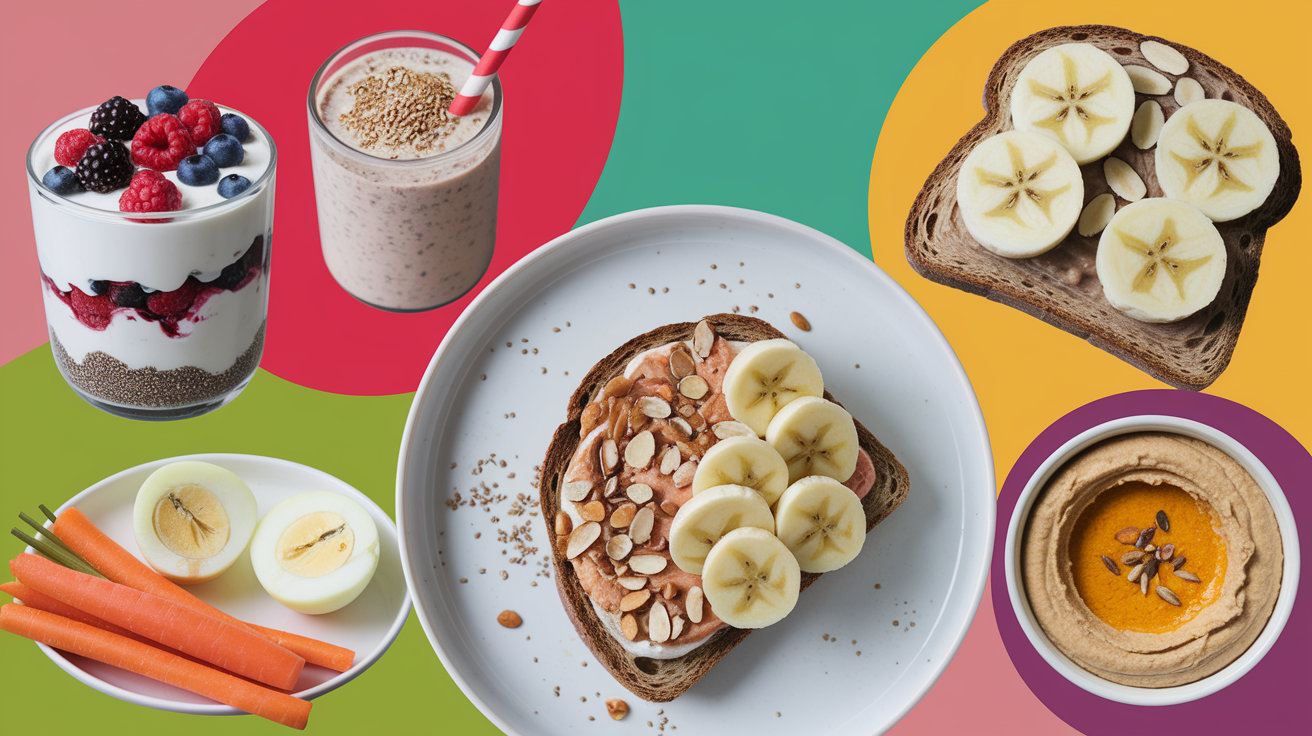
When you need something fast, pairing protein and fiber is still simple. A Greek yogurt parfait (170 g plain yogurt, a handful of berries, a tablespoon of chia seeds, and a few chopped walnuts) takes two minutes to assemble and delivers roughly 18 g of protein and 9 g of fiber. A smoothie blended with one scoop of whey protein, a banana, a third cup of oats, and a tablespoon of flaxseed gives you 24 g of protein and 7 g of fiber in a glass. If you prefer something you can take with you, spread two tablespoons of almond butter on two slices of whole grain toast and top with sliced banana. You’ll get about 12 g of protein and 8 g of fiber, plus healthy fats that keep you satisfied.
Here are six snack options that pair both nutrients:
- Greek yogurt with berries and chia seeds
- Whey or plant protein smoothie with oats and flaxseed
- Almond butter on whole grain toast with banana
- Hard-boiled eggs with apple slices and a small handful of almonds
- Hummus with carrot sticks and whole grain crackers
- Cottage cheese with pear slices and sunflower seeds
Meal Prep and Cooking Methods That Improve Fiber Tolerance
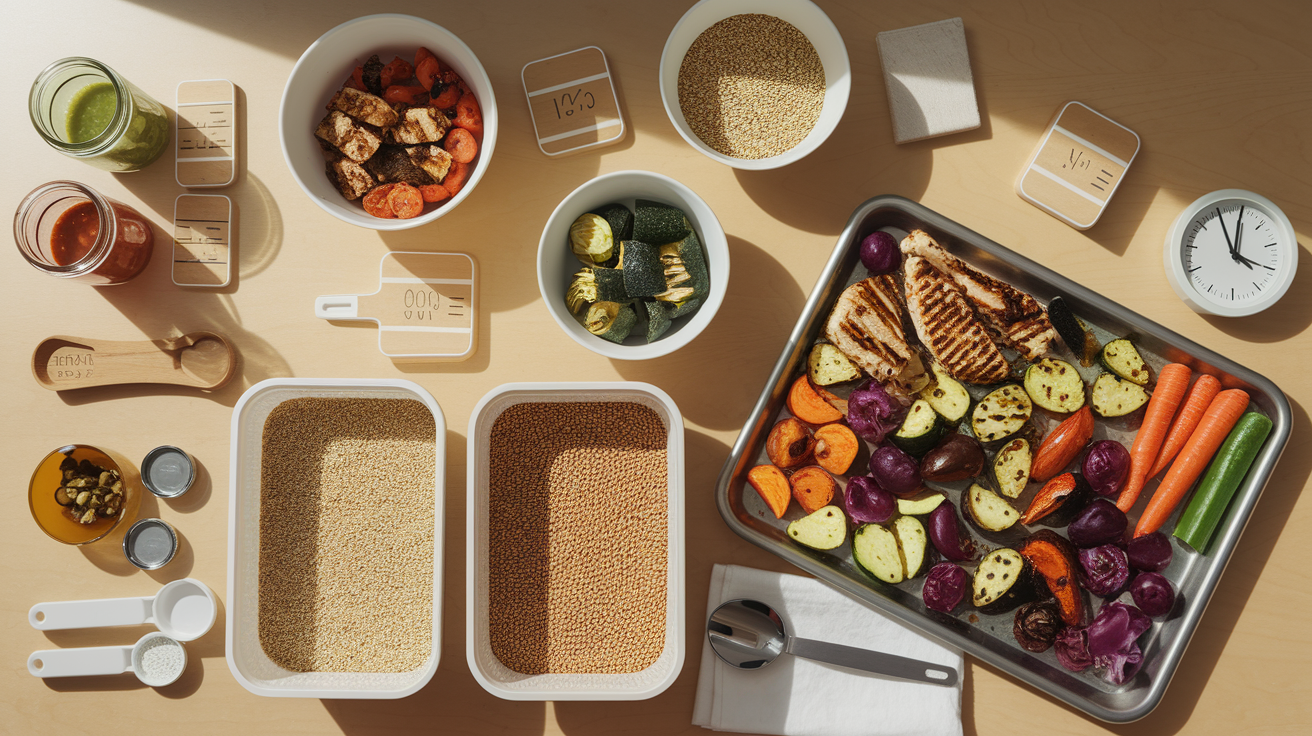
Cooking softens fiber and makes it gentler on your gut, especially if raw vegetables leave you bloated. Roasting, steaming, or slow-cooking vegetables breaks down cellulose and reduces the work your digestive system has to do. A slow-cooked stew with chicken, lentils, carrots, and tomatoes is easier to digest than a raw lentil salad, and the long cooking time allows flavors to meld while making the fiber more accessible. Soaking legumes overnight and discarding the soaking water removes some of the oligosaccharides that cause gas. Fermenting soy (as in tempeh or miso) predigests some of the protein and fiber, making it easier for your gut to handle.
Meal prepping protein and fiber combinations saves time and ensures you have balanced options ready when you’re hungry. Cook a large batch of quinoa, lentils, or brown rice at the start of the week, then portion it into containers with grilled chicken, baked tofu, or hard-boiled eggs. Add steamed or roasted vegetables, and you’ve got lunches and dinners that reheat quickly and keep your digestion steady.
Follow these four steps for a simple weekly meal prep:
- Cook two cups of dried lentils or quinoa on Sunday. Store in the fridge for up to five days.
- Grill or bake 1.5 pounds of chicken breast, salmon, or tofu. Portion into four servings.
- Roast a sheet pan of mixed vegetables (broccoli, bell peppers, zucchini, sweet potato) with olive oil and salt.
- Assemble containers with one serving of protein, one cup of cooked grain or legume, and one cup of vegetables. Store in the fridge and reheat as needed.
Final Words
In action: we showed how protein plus fiber slow digestion, stabilize blood sugar, and boost fullness, then gave real pairings, portion targets, timing tips, and meal‑prep fixes.
Start small—swap one meal this week (Greek yogurt with berries, or chicken with quinoa) and raise fiber slowly while drinking more water.
Keep using these protein and fiber combinations for better digestion as a regular habit, and you’ll likely notice gentler digestion, steadier energy, and fewer post-meal crashes.
FAQ
Q: What is the 3-3-3 rule for food?
A: The 3-3-3 rule for food is a simple portioning guideline: try three palm-sized protein portions, three fist-sized vegetable or fiber servings, and three cupped-hand starchy portions across the day.
Q: Should I take fiber with zepbound?
A: You can take fiber while on Zepbound (tirzepatide), but check with your prescriber first; fiber can help constipation, and space fiber supplements around other oral medicines if advised.
Q: What is the best food combination for digestion?
A: The best food combination for digestion pairs lean protein with fiber-rich foods—like Greek yogurt with berries or chicken with quinoa—to slow gastric emptying, steady blood sugar, and increase fullness.
Q: How much protein daily on Mounjaro?
A: Protein needs on Mounjaro are similar to usual targets: aim 0.8–2.0 g/kg daily; during weight loss aim toward 1.2–1.6 g/kg to protect muscle, and consult your clinician.