
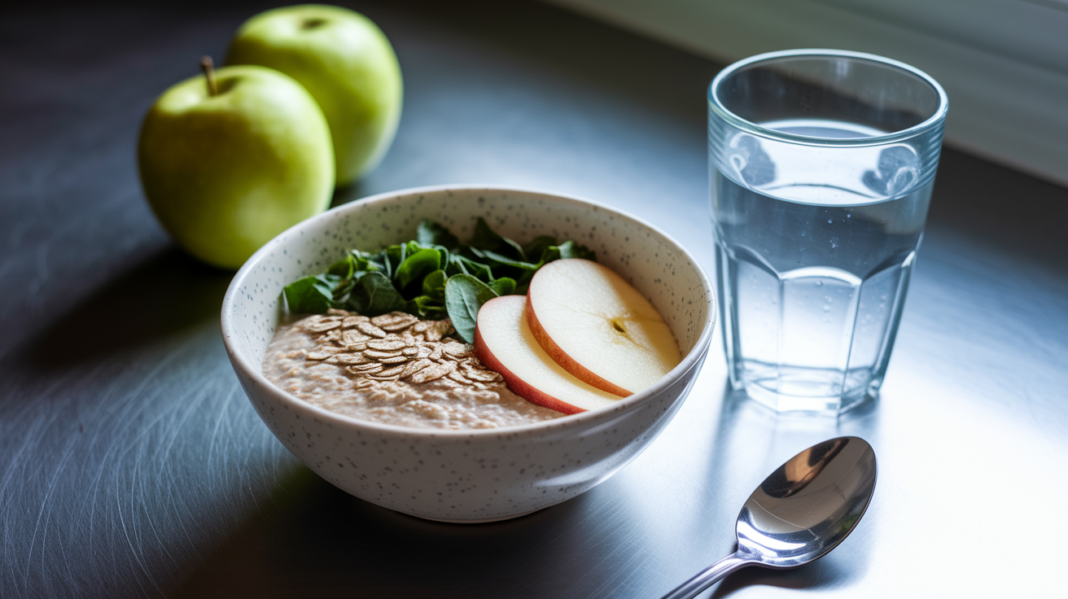

What if one simple habit—eating more fiber—could stop that late-afternoon bloat and keep your energy steady?
Fiber is unique: it travels through your small intestine mostly intact and then feeds your microbiome (the community of bacteria living in your gut).
That fermentation creates compounds that help your colon, tame inflammation, and steady blood sugar.
This post shows how a high-fiber diet can transform digestive wellness.
You’ll get clear, doable steps to add different types of fiber so you feel better without the gassy crash.
How Fiber Supports Digestive Function and Microbiome Balance
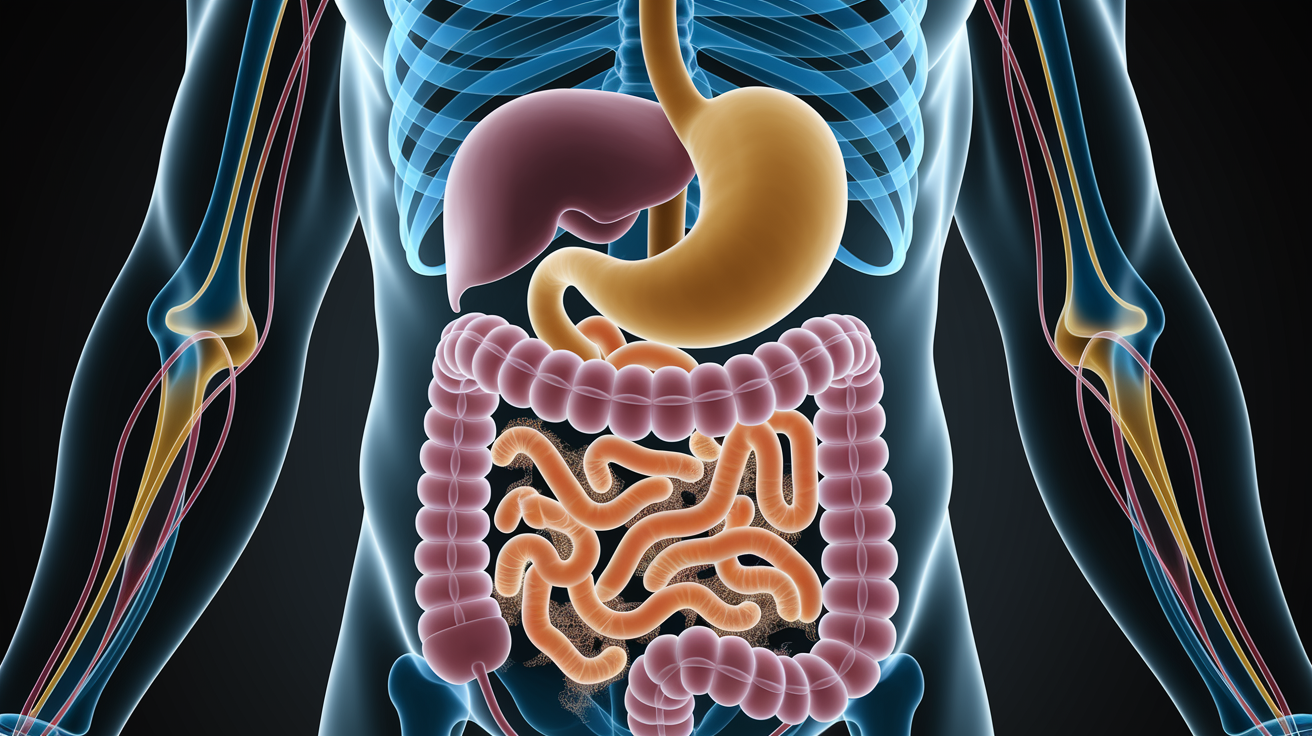
Fiber does structural work in your gut that no other macronutrient can touch. When you eat it, it slides through your stomach and small intestine intact. Once it hits your colon, it soaks up water and adds bulk to stool, making things easier to pass and sparing you that tight, strained feeling.
At the same time, certain fibers become food for the trillions of bacteria living in your gut. These microbes ferment fiber and churn out compounds that keep your colon cells healthy and your immune system balanced. Without enough fiber, beneficial bacteria starve. The microbial community shifts toward less helpful species.
The fermentation process produces short-chain fatty acids (SCFAs) like butyrate, propionate, and acetate. Butyrate is the main energy source for the cells lining your colon. It helps them maintain a strong barrier that keeps undigested food particles and toxins out of your bloodstream. Propionate and acetate travel to your liver and muscles, where they help regulate blood sugar and dial down low-grade inflammation. These SCFAs also signal your brain to reduce appetite and improve insulin sensitivity, connecting gut health directly to things you can actually feel: steady energy between meals, less bloating after lunch, fewer mid-afternoon cravings.
Key digestive benefits of getting enough fiber:
- Promotes regular bowel movements by increasing stool weight and reducing transit time through the colon.
- Feeds beneficial gut bacteria that produce compounds supporting immune function and reducing inflammation.
- Helps maintain the integrity of the intestinal lining, reducing risk of leaky gut and systemic inflammation.
- Slows digestion in the small intestine, stabilizing blood sugar and extending satiety after meals.
- May reduce long-term risk of colorectal cancer, diverticular disease, and hemorrhoids by keeping the digestive tract moving efficiently.
Understanding the Main Types of Dietary Fiber
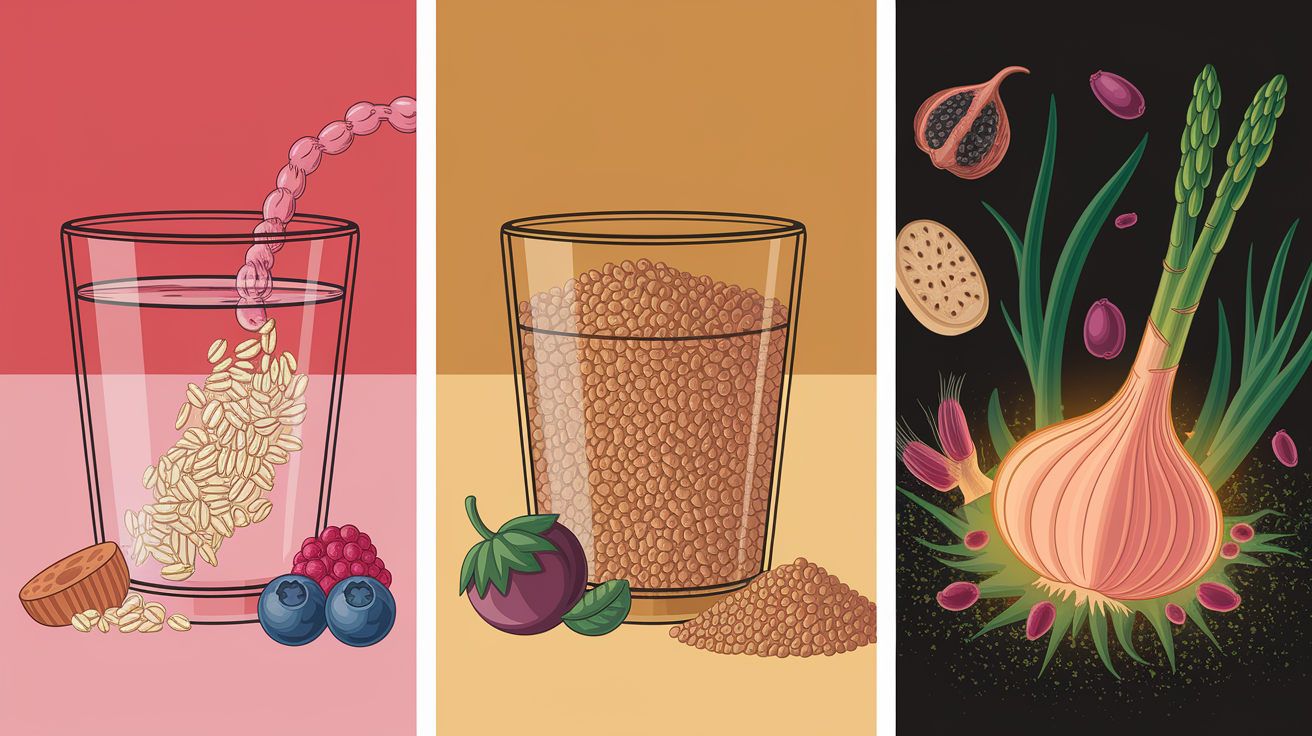
Not all fiber works the same way. The differences matter when you’re trying to address specific gut issues or build a balanced eating pattern that supports your microbiome and keeps digestion smooth.
Soluble Fiber
Soluble fiber dissolves in water and forms a gel as it moves through your digestive tract. This slows the release of glucose into your bloodstream and traps cholesterol so it can be eliminated in stool instead of getting reabsorbed. Foods rich in soluble fiber (oats, beans, lentils, apples, chia seeds) are especially helpful if you’re managing blood sugar swings or working to lower LDL cholesterol. The gel also creates a sense of fullness that lasts longer than a meal built mostly on refined carbs.
Insoluble Fiber
Insoluble fiber doesn’t dissolve in water. It adds bulk to stool and speeds up the movement of food and waste through your system. This is your go-to for preventing constipation and keeping bowel movements regular. You’ll find insoluble fiber in whole grains, leafy greens, the skins of fruits and vegetables, and seeds. It’s the fiber that gives brown rice its chewiness and keeps broccoli stalks crunchy.
Prebiotic Fiber
Prebiotic fiber is a subset of fiber (usually soluble) that specifically feeds beneficial gut bacteria. Foods like onions, garlic, asparagus, bananas, and Jerusalem artichokes contain fibers such as inulin and fructooligosaccharides that your gut bacteria ferment into short-chain fatty acids. This fermentation strengthens the microbiome, supports immune regulation, and reduces inflammation. Prebiotic fiber is especially useful if you’re working to rebuild gut diversity after antibiotics or a period of low-fiber eating.
| Fiber Type | Primary Function | Common Food Sources |
|---|---|---|
| Soluble | Forms gel; slows glucose absorption; lowers LDL cholesterol | Oats, beans, lentils, apples, chia seeds, barley |
| Insoluble | Adds stool bulk; speeds digestive transit; prevents constipation | Whole grains, leafy greens, vegetable/fruit skins, seeds |
| Prebiotic | Feeds beneficial gut bacteria; produces SCFAs; supports microbiome diversity | Onions, garlic, asparagus, bananas, Jerusalem artichokes |
Recommended Daily Fiber Intake and How to Meet It
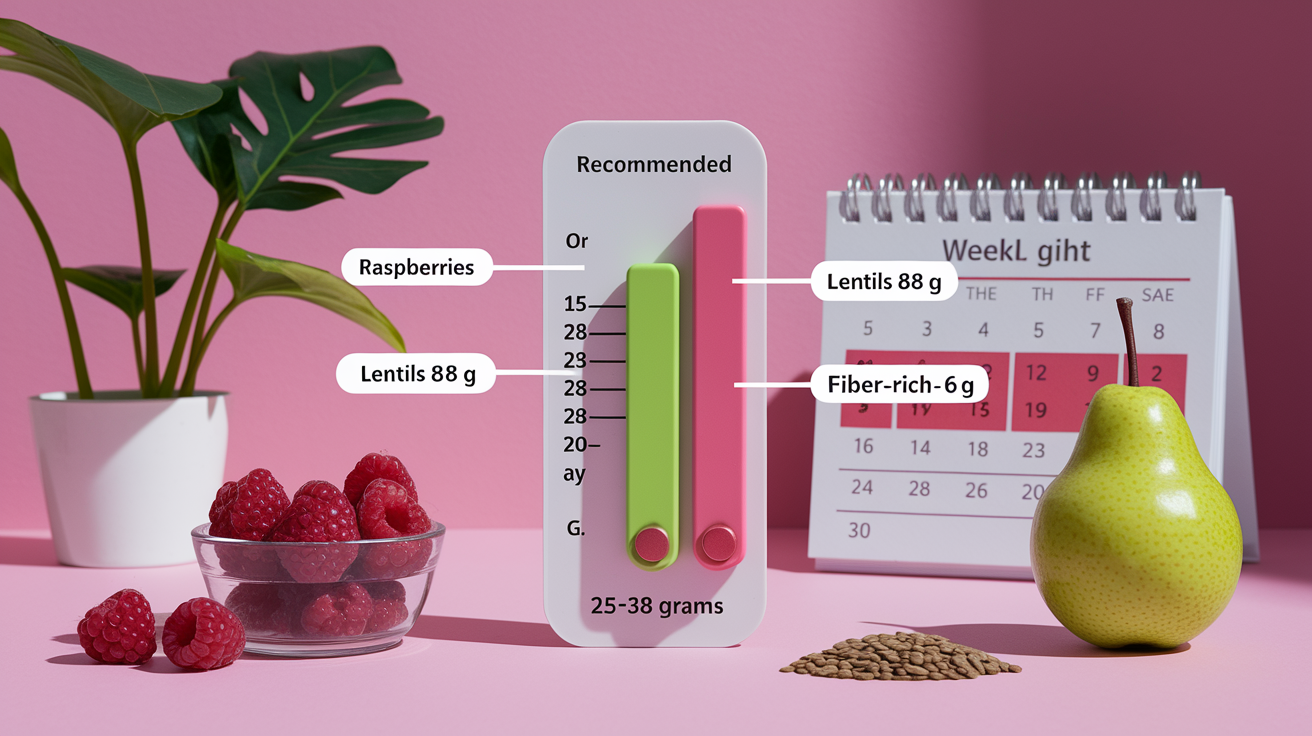
Current guidelines suggest women aim for around 25 grams of fiber per day, while men should target 30 to 38 grams. These numbers are based on intake levels linked to lower rates of heart disease, type 2 diabetes, and colorectal cancer in large population studies. Nearly 95% of Americans fall short. Average daily intake hovers around 15 grams, less than half the recommended amount.
The gap exists because most convenient meals and snacks are built on refined grains, processed meats, and low-fiber dairy. A breakfast of white toast with butter and a sugary coffee drink delivers almost no fiber. Swap that for oatmeal topped with berries and a tablespoon of chia seeds, and you’re already at 10 grams before lunch.
Simple ways to reach your daily fiber target:
- Add one high-fiber food to each meal. A cup of raspberries (8 grams), a half cup of lentils (8 grams), or a medium pear (6 grams) each move you closer to your goal.
- Keep the skins on apples, potatoes, and cucumbers. The peel is where most of the insoluble fiber lives.
- Choose whole grains over refined versions. Brown rice, quinoa, barley, and whole grain bread deliver two to three times the fiber of their white counterparts.
- Snack on nuts, seeds, or whole fruit instead of chips or crackers. An ounce of almonds provides 3.5 grams of fiber, and a small apple with the skin adds 4 grams.
High-Fiber Foods That Support Gut Health
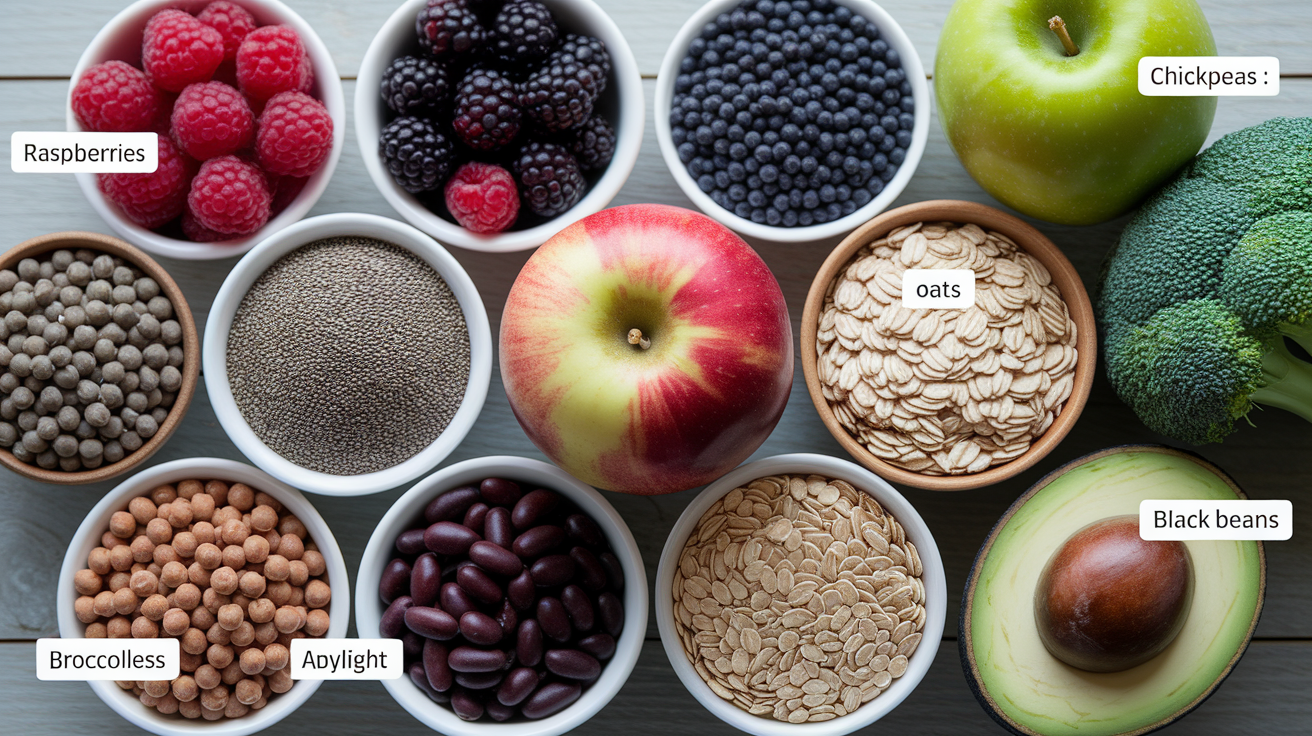
Whole foods deliver fiber in the form nature packages it, alongside vitamins, minerals, and phytonutrients that work together to support digestion and microbiome diversity. Isolated fiber supplements can help in specific situations, but they don’t feed your gut bacteria the same variety of compounds found in whole fruits, vegetables, legumes, and grains.
High-fiber, gut-friendly foods to prioritize:
- Raspberries and blackberries: One cup provides 8 grams of fiber, plus polyphenols that reduce inflammation.
- Lentils and chickpeas: A half cup cooked delivers 7 to 8 grams of fiber and prebiotic compounds that feed beneficial bacteria.
- Chia seeds: Three tablespoons contain 10 grams of fiber and form a gel that slows digestion and supports satiety.
- Broccoli and cauliflower: One cup cooked offers 5 grams of fiber and sulfur-containing compounds that support detoxification.
- Apples with skin: A medium apple provides 4 grams of fiber, mostly in the peel, along with pectin that feeds gut bacteria.
- Oats and barley: A half cup of cooked oats delivers 4 grams of soluble fiber; barley offers even more and lowers LDL cholesterol effectively.
- Black beans and pinto beans: A half cup cooked contains 7 to 8 grams of fiber and resistant starch that acts like prebiotic fiber in the colon.
- Avocado: Half an avocado provides 7 grams of fiber along with healthy fats that improve nutrient absorption.
Practical Meal Planning for a High-Fiber Gut-Healthy Diet
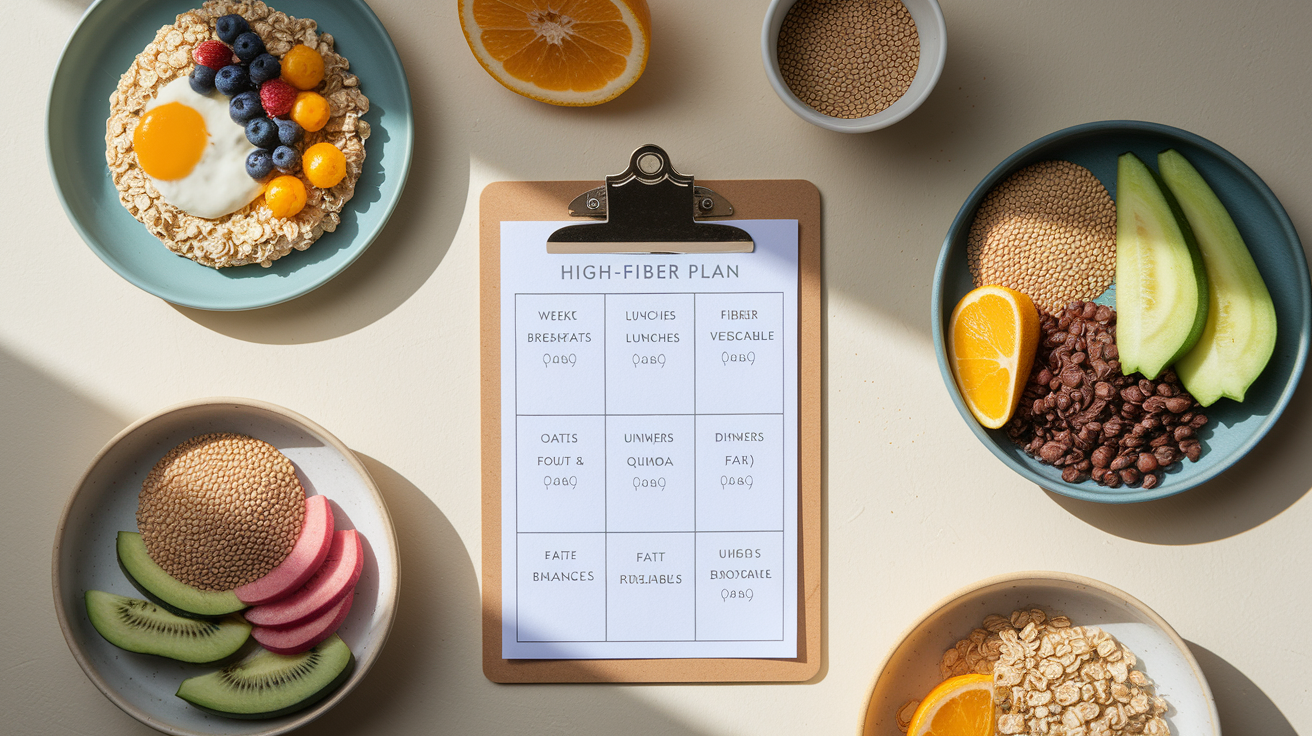
Building high-fiber meals doesn’t require overhauling your entire routine. Start by making sure each plate includes at least one whole grain, one serving of vegetables, and one serving of fruit or legumes. This simple framework naturally pushes fiber intake into the 25 to 40 gram range without requiring a calculator or obsessive tracking.
Simple example meals for each part of the day:
- Breakfast: Steel-cut oats topped with sliced banana, a tablespoon of ground flaxseed, and a handful of blueberries. Total fiber: approximately 11 grams.
- Lunch: Mixed greens salad with half a cup of chickpeas, shredded carrot, sliced cucumber, and a whole grain pita on the side. Total fiber: approximately 12 grams.
- Dinner: Grilled chicken or tofu over quinoa with roasted broccoli and a side of black beans. Total fiber: approximately 14 grams.
- Snacks: An apple with almond butter, or a small bowl of berries with a handful of walnuts. Total fiber per snack: approximately 5 to 6 grams.
Strategies for Increasing Fiber Intake Gradually and Comfortably
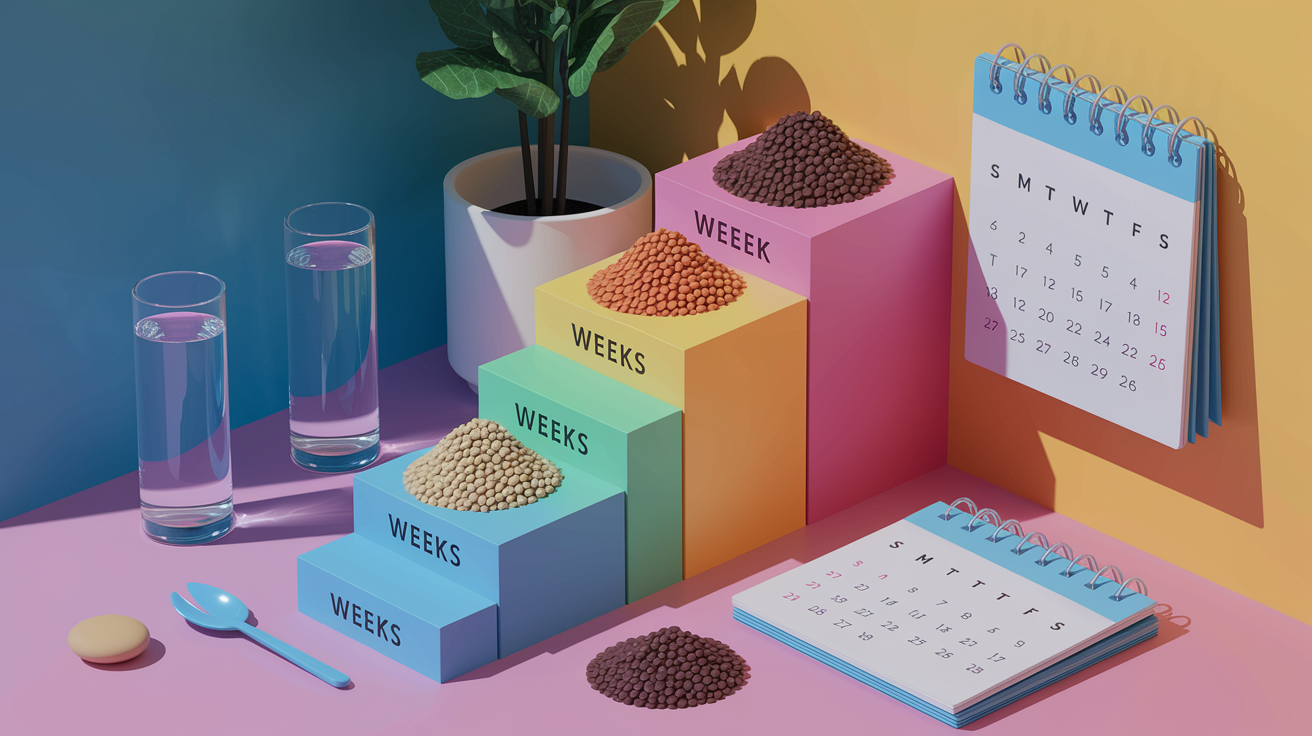
Jumping from 15 grams of fiber per day to 35 grams overnight is a reliable way to end up bloated, gassy, and uncomfortable. Your gut bacteria need time to adjust to the increased fermentation load. Your digestive tract needs to adapt to the higher volume of material moving through. A gradual ramp-up over two to three weeks lets your system adjust without the drama.
Steps to scale up fiber safely and comfortably:
- Week one: Add 5 grams per day by including one extra serving of fruit or vegetables at lunch or dinner.
- Week two: Add another 5 grams by swapping refined grains for whole grains at one meal. Brown rice instead of white, whole grain bread instead of white toast.
- Week three: Add a third 5 gram increment by incorporating a small serving of legumes (beans, lentils, or chickpeas) or seeds (chia, flax, or hemp) into a meal or snack.
- Weeks four and beyond: Fine-tune based on how your digestion feels. If you’re experiencing gas or bloating, hold steady for a few more days before adding more fiber.
- Monitor your response: Pay attention to stool consistency, frequency, and any discomfort. Adjust portions or fiber sources if symptoms persist.
Hydration plays a critical role in keeping fiber from causing constipation. Fiber absorbs water as it moves through your digestive tract. If you increase fiber without also drinking more fluids, you can end up with hard, difficult to pass stools. Aim for at least eight glasses of water per day, and add more if you’re active or live in a hot climate. If you’re eating 30-plus grams of fiber daily, you may need closer to ten glasses to keep everything moving smoothly.
Final Words
Start by adding one serving of fiber to each meal. It helps form stool, keeps things moving, and feeds gut microbes that make short-chain fatty acids to support your lining and routine.
We covered the main fiber types (soluble, insoluble, prebiotics), clear daily targets, high-fiber foods, meal ideas, and stepwise tips to increase intake without discomfort.
Make small swaps like fruit, beans, and whole grains. Drink enough water and stick with it. A practical high fiber diet for gut health is doable and it’ll mean steadier digestion and more energy.
FAQ
Q: What is the best fiber for gut health?
A: The best fiber for gut health is a mix of soluble, insoluble, and prebiotic fibers. Soluble eases stool, insoluble adds bulk, and prebiotic fiber (feeds gut bacteria) boosts microbiome diversity.
Q: What are the 7 signs of an unhealthy gut?
A: The 7 signs of an unhealthy gut are bloating; excess gas; constipation or diarrhea; irregular stools; low energy or fatigue; new food sensitivities; and mood changes like anxiety or brain fog.
Q: What are the 4 R’s of gut healing?
A: The 4 R’s of gut healing are Remove (cut triggers like inflammatory foods), Replace (add digestive aids), Reinoculate (restore helpful bacteria with probiotics/prebiotics), and Repair (support the gut lining with nutrients).
Q: Can increasing fiber lower A1C?
A: Increasing fiber can lower A1C by slowing carb absorption and smoothing blood sugar swings, especially soluble fibers; effects are modest and work best alongside weight loss, regular activity, and overall diet changes.